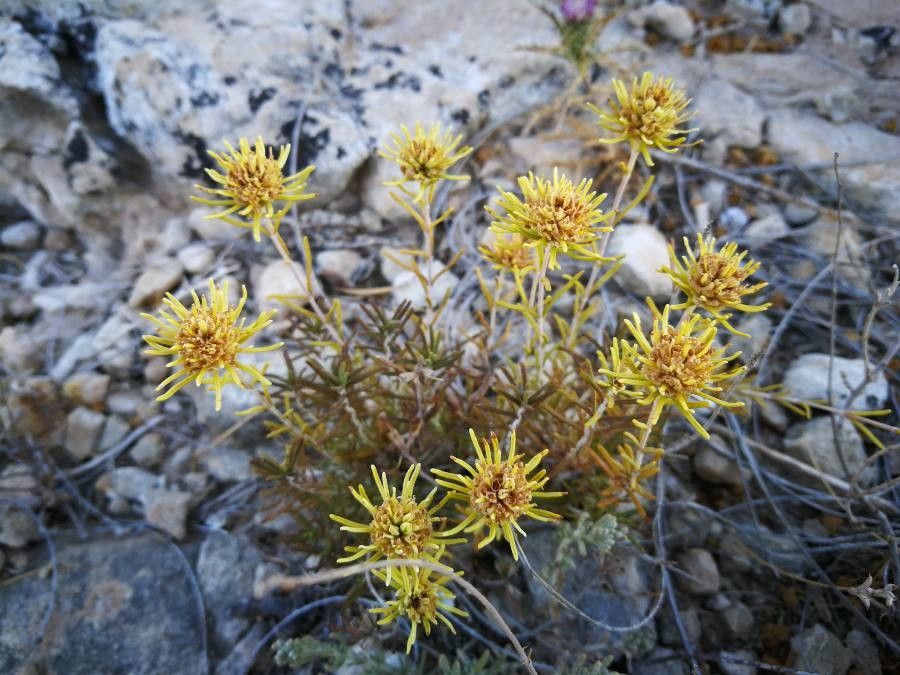
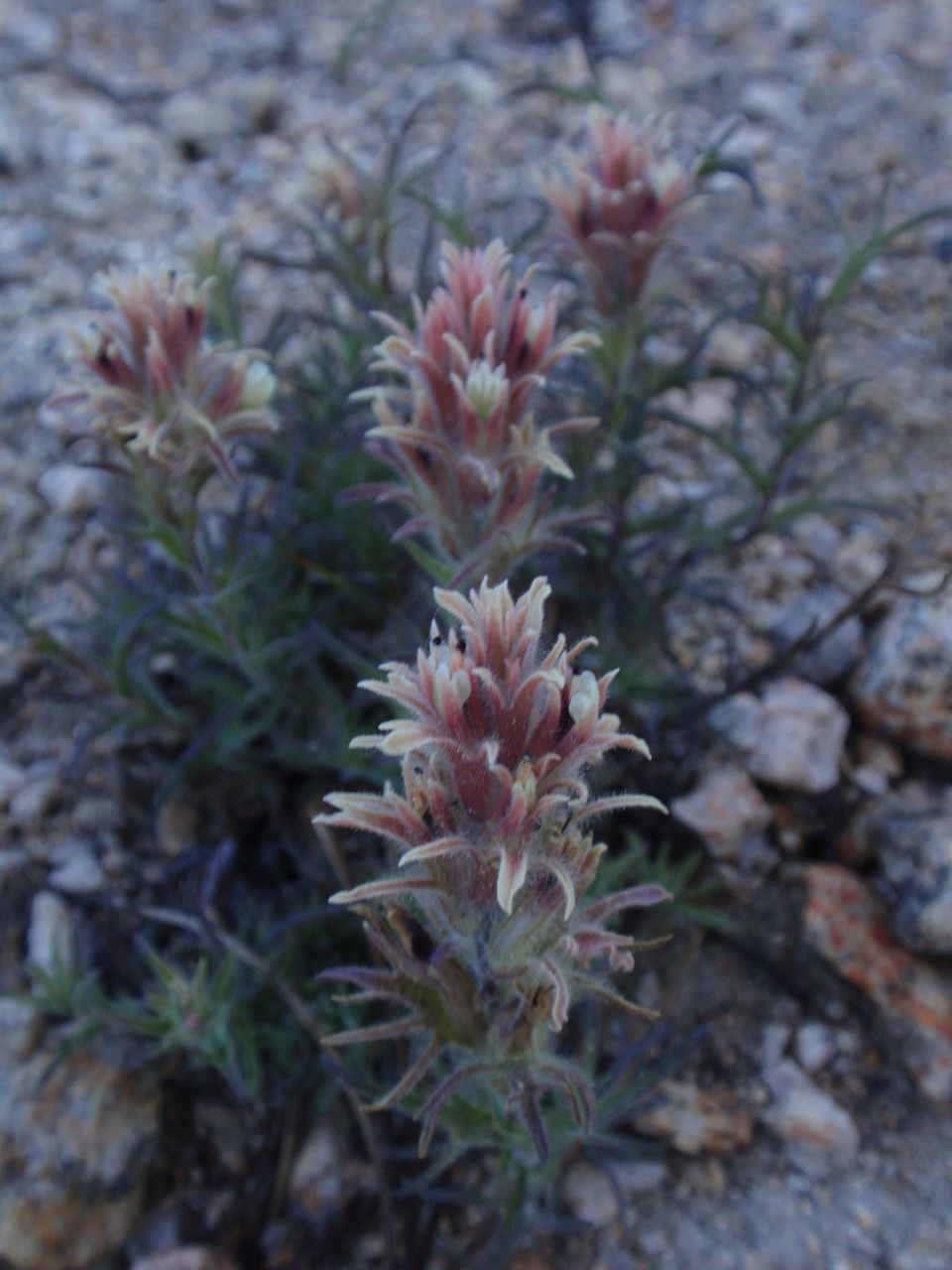
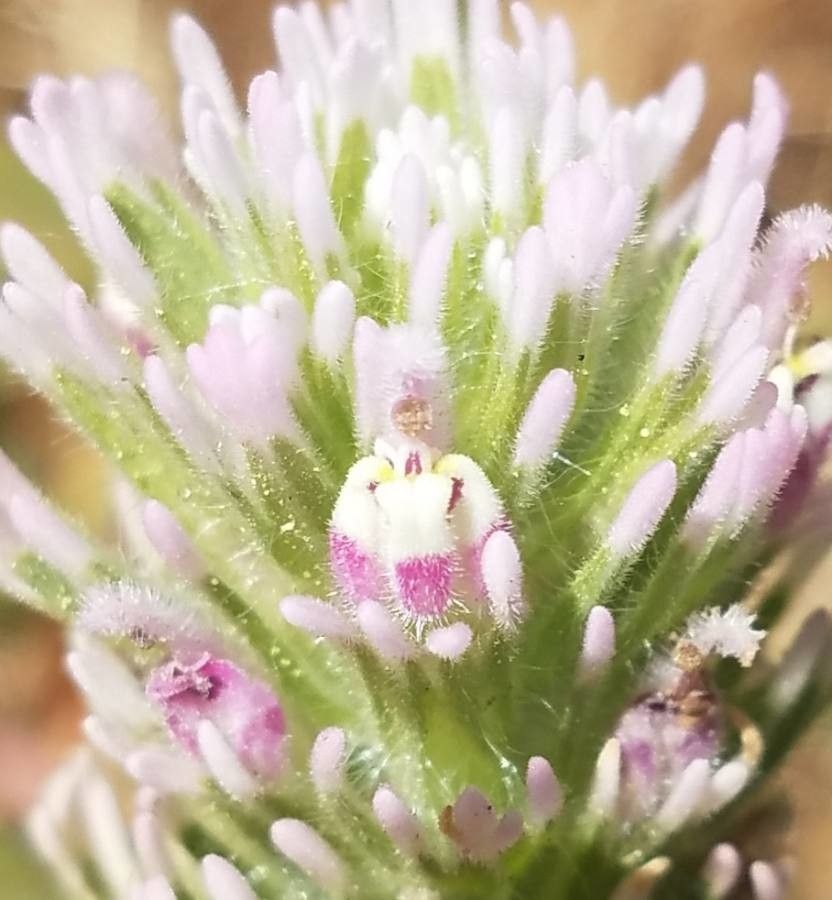
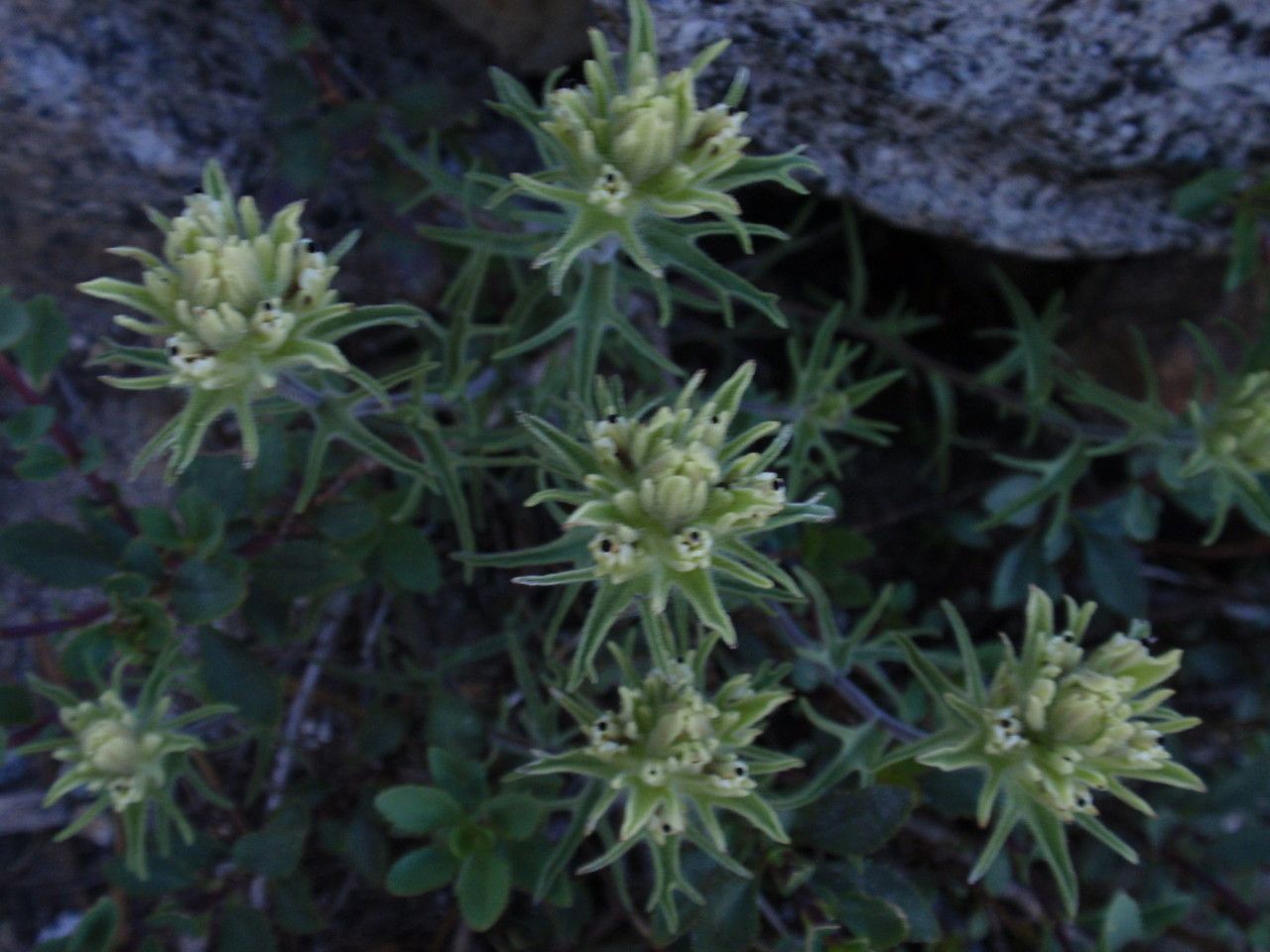
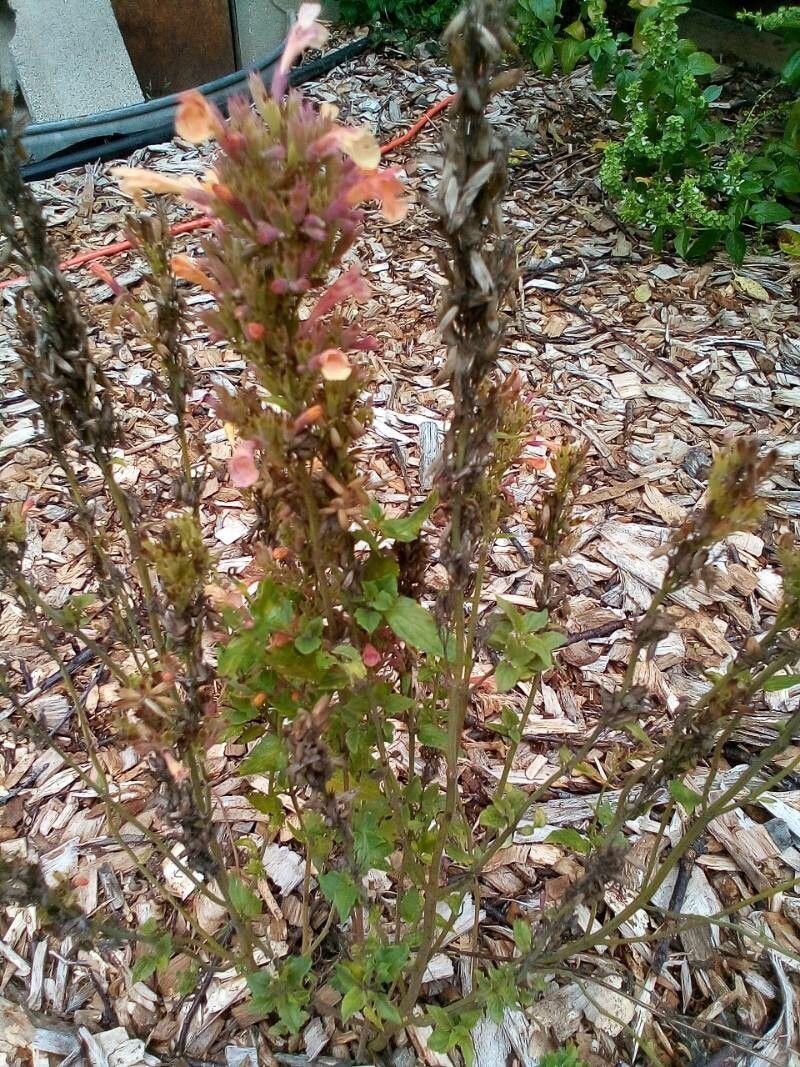
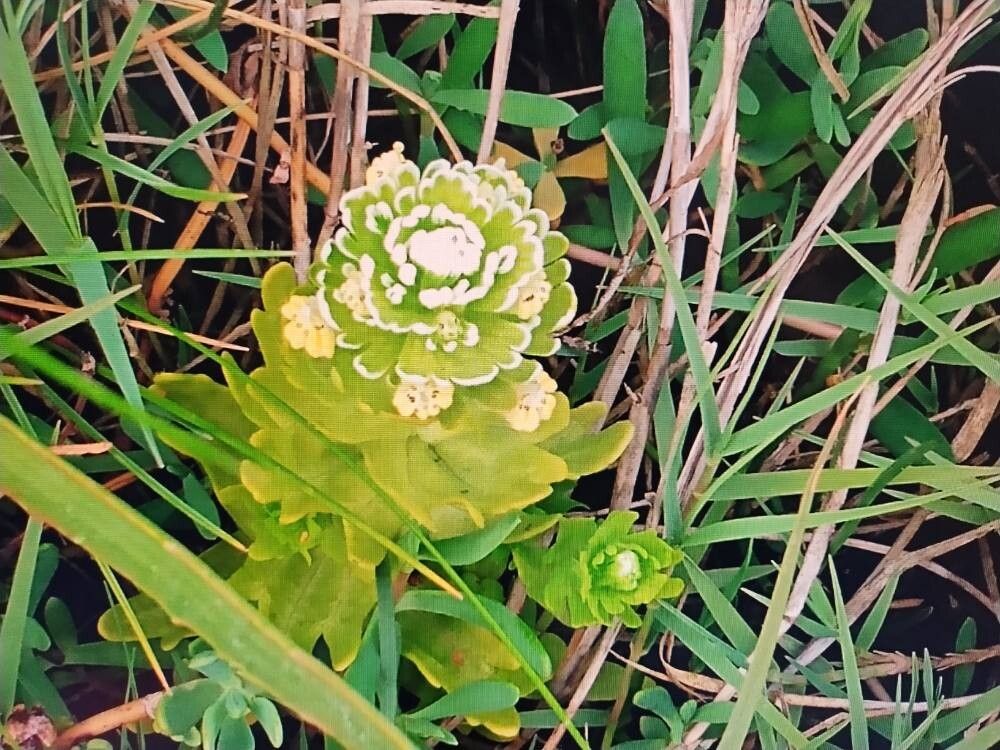
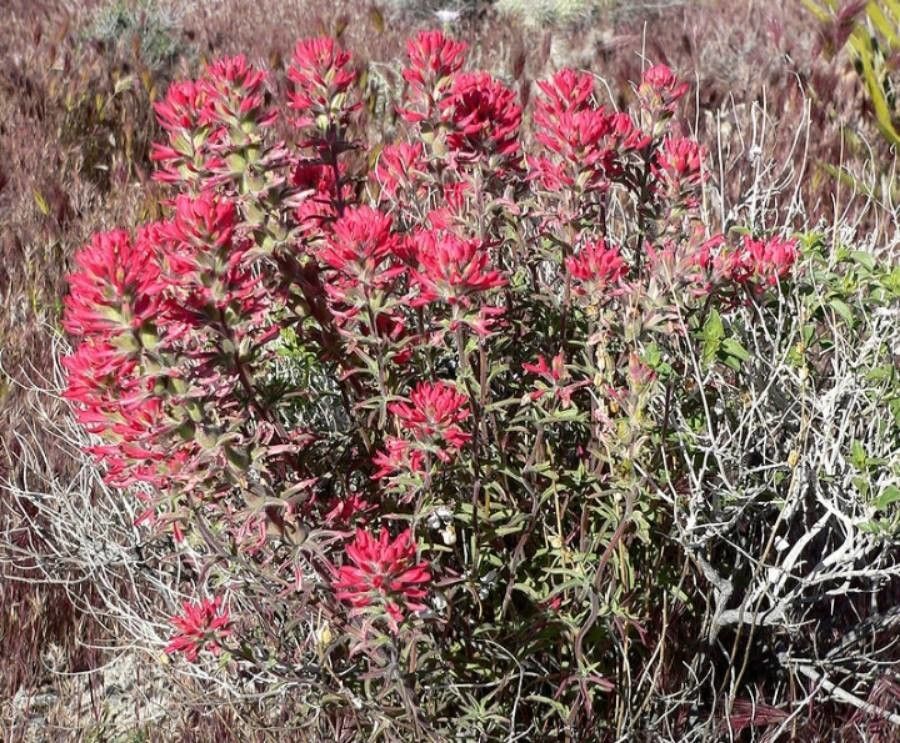
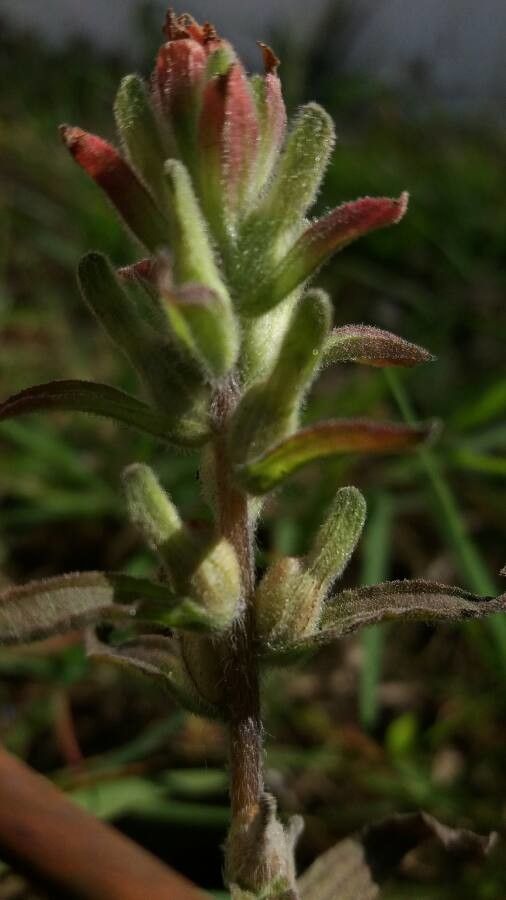
Castilleja nana is a species of Indian paintbrush known by the common name dwarf alpine Indian paintbrush. It is native to the western United States from the Sierra Nevada of California east to Utah, where it grows in dry, rocky alpine habitat. This is a small, hairy perennial herb growing up to about 25 centimeters tall but often remaining much smaller. The leaves are narrowly lance-shaped and up to about 3.5 centimeters long. The inflorescence is a cluster of pointed yellow-green, pink, or pale purple, hairy bracts. Between the bracts appear the small purple-spotted yellow flowers, which are pouched with tiny, protruding stigmas.
How to keep Castilleja Nana.
Water
Depending on where the plant is in its life cycle, Indian Paintbrush has different water requirements. Indian Paintbrushes require constant irrigation throughout the first year of their lives. You should maintain the soil’s moisture. However, Indian Paintbrushes develop hardiness and drought tolerance in their second year. Although they still prefer moist soil, they will thrive even in dry situations.
Temperature
In the Midwest, Indian Paintbrush is abundant in the plains, meadows, grasslands, and even some mountainous regions. The humidity and temperature are usually moderate in these locations. Although Indian Paintbrush can endure hard winters without complaint, it does not enjoy intense heat. In desert regions, this plant will suffer greatly.
Fertilizer
Indian Paintbrush does best in harsh environments and does not respond well to fertilizer. You dont want to fertilize this particular plant. In fact, fertilizing a plant excessively can hurt it. Dont treat the surrounding soil with any conventional fertilizers, however adding compost in the spring can aid in promoting growth.
Pruning
The dwarf alpine Indian paintbrush is a vibrant perennial known for its vivid blooms. To keep it healthy and thriving, prune the plant in early spring by removing any dead stems. Light trimming helps maintain its shape, improve airflow, reduce the risk of disease, and promote better flowering. Be sure to use clean, sharp tools for precise cuts, which will encourage a bushier and more vigorous appearance.
Toxicity
The Indian paintbrush plant is known to contain high amounts of selenium, which can be toxic if ingested in large amounts. Symptoms include nausea, vomiting, and fatigue. High amounts of selenium can be fatal in horses.
Further reading →
The toxicity and danger assessments provided are for reference only. We do not assure their accuracy, so it's crucial not to depend on them. Seek professional advice when necessary for accurate guidance.
Botanical profile.
- Plant Type
- Biennial
- Life Cycle
- Perennial
- Genus
- Castilleja
- Family
- Orobanchaceae
- Hardiness Zone
- 4-8
- Bloom Time
- Spring to early summer
- Native Area
- North America
Other names.