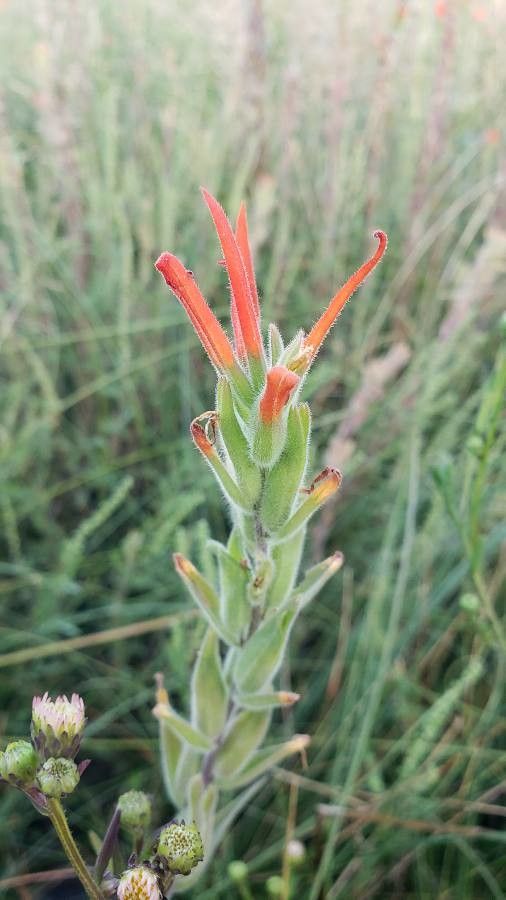
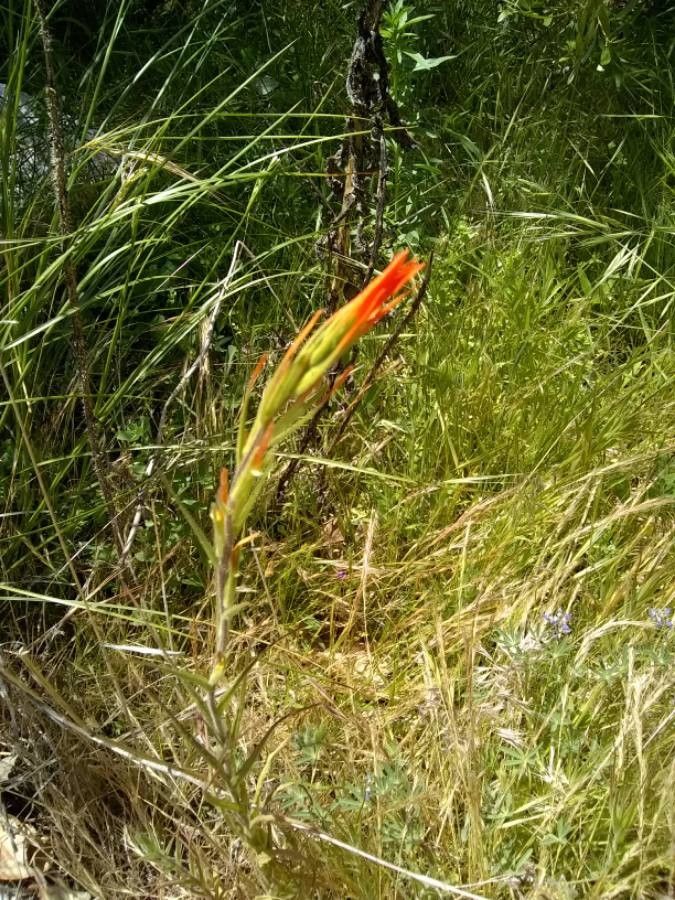
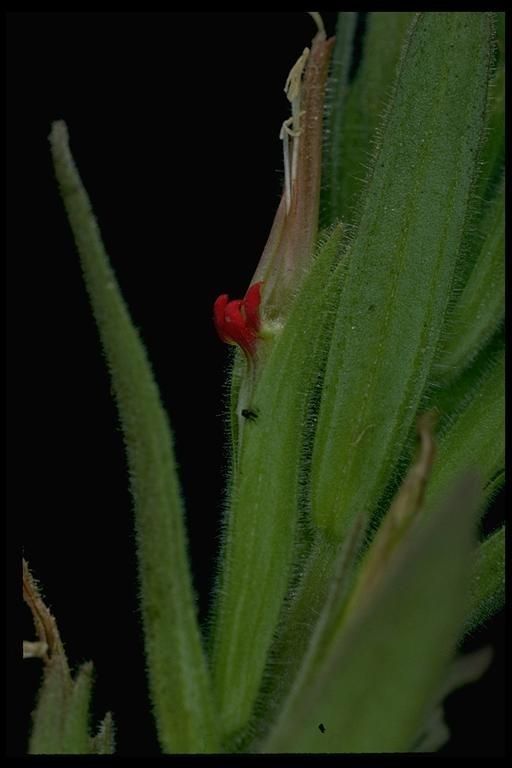
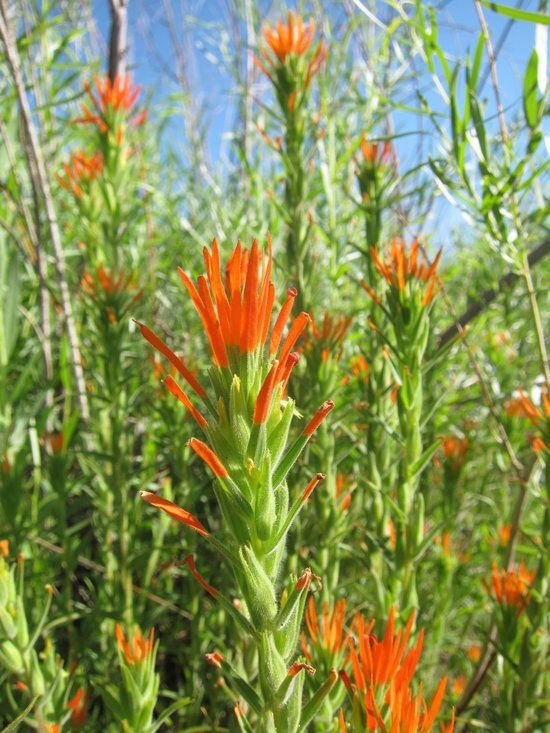
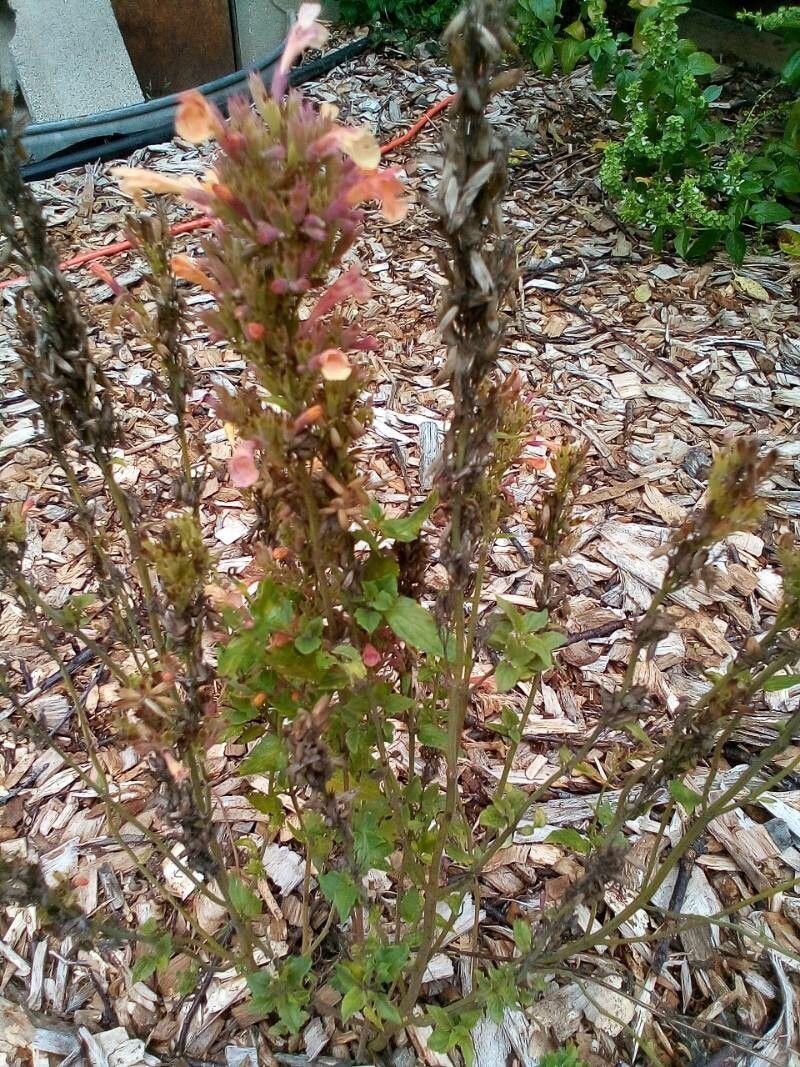
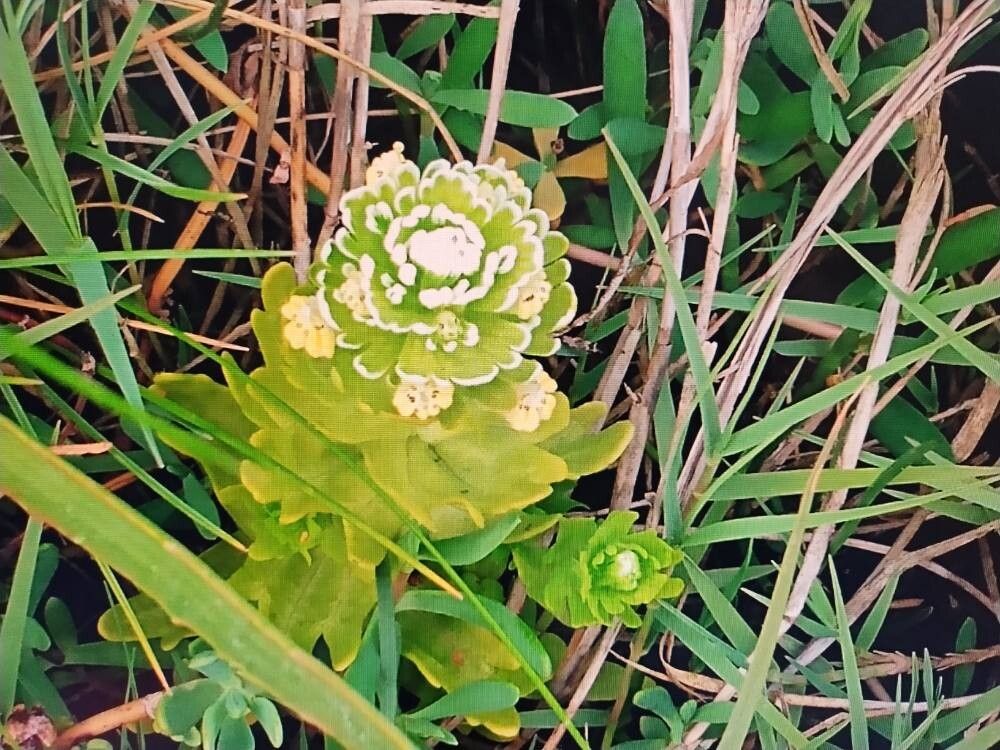
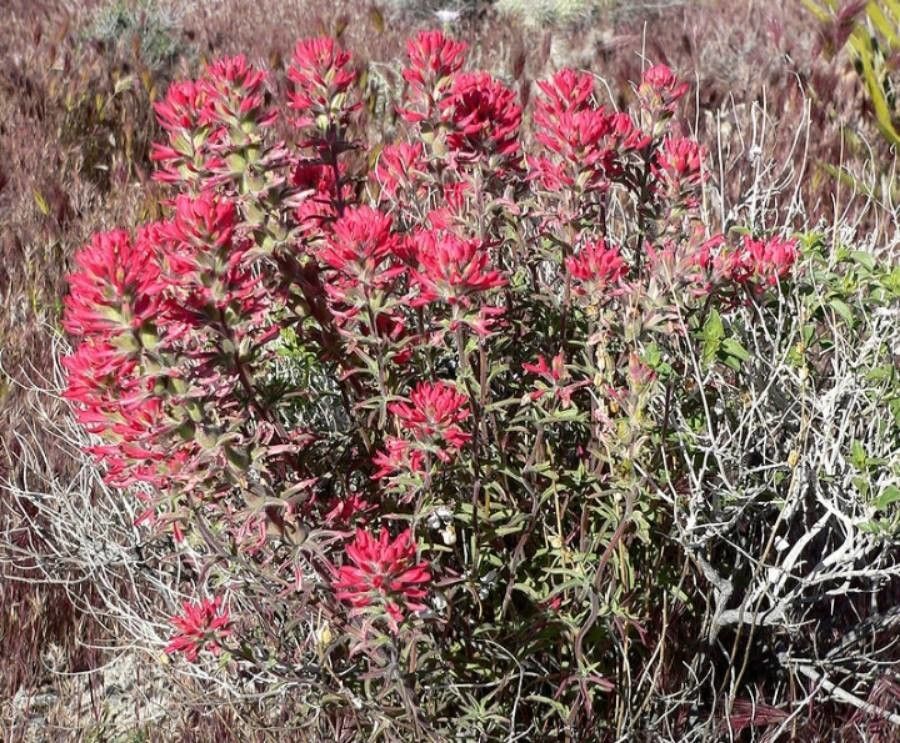
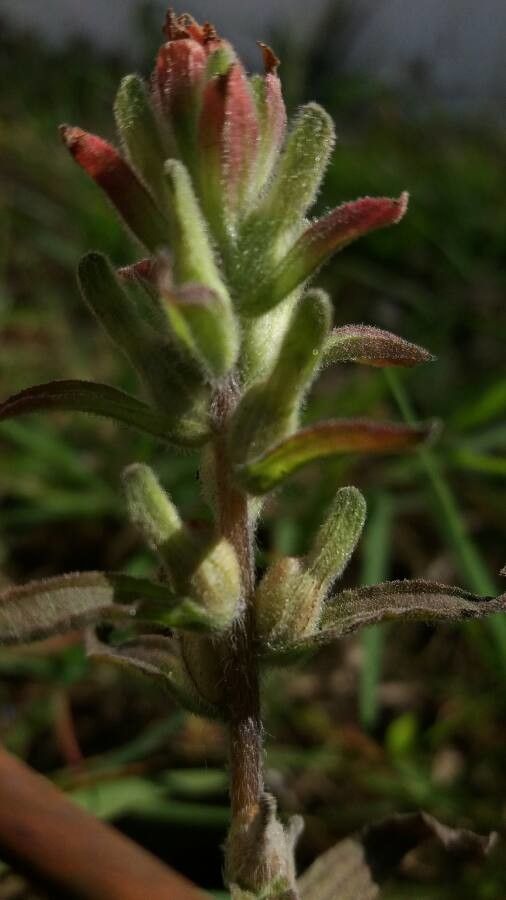
Castilleja minor is a species of flowering plant in the family Orobanchaceae known by the common name lesser Indian paintbrush. It is native to western North America from British Columbia to California to New Mexico, where it grows in moist habitats such as spring meadows.
Lesser Indian paintbrush is fairly disease-resistant and typically does not suffer from illnesses. However, it can be affected by pests and diseases present in its surroundings. These issues are usually mild. In terms of care, this plant requires moderate maintenance. Regular pruning is needed to maintain a tidy appearance and support healthy growth. Fertilizing can also help encourage flowering. Lesser Indian paintbrush is suitable for anyone with outdoor space, such as a garden or patio, and does not demand extensive gardening experience. It may need more attention when grown indoors.
How to keep Castilleja Minor.
Light
Lesser indian paintbrush grows in bright, open environments and does best in full sun. It can tolerate partial sun but favors direct sunlight for its optimal development. This annual and biennial plant is noted for its sun-loving habit.
Water
Native to semi-arid regions, the lesser Indian paintbrush thrives in dry conditions due to its drought tolerance. It generally requires watering only twice a week, although this may need to be adjusted during periods of active growth. During these times, slightly increased hydration might be necessary, especially if the plant is grown outdoors.
Temperature
In the Midwest, Indian Paintbrush is abundant in the plains, meadows, grasslands, and even some mountainous regions. The humidity and temperature are usually moderate in these locations. Although Indian Paintbrush can endure hard winters without complaint, it does not enjoy intense heat. In desert regions, this plant will suffer greatly.
Fertilizer
Lesser indian paintbrush benefits from frequent, weak applications of fertilizer to encourage healthy leaf growth. You should fertilize Lesser indian paintbrush roughly once a month during the summer months. Nitrogen is essential for foliage, and supplementing with nitrogen-rich sources helps Lesser indian paintbrush thrive.
Pruning
The lesser Indian paintbrush benefits from regular pruning from early to late spring, which enhances its growth and improves air circulation. To maintain the plant's shape, encourage blooming, and reduce pest risks, it is important to remove dead stems and overgrown branches. These practices support the plant's overall health.
Toxicity
The Indian paintbrush plant is known to contain high amounts of selenium, which can be toxic if ingested in large amounts. Symptoms include nausea, vomiting, and fatigue. High amounts of selenium can be fatal in horses.
Further reading →
The toxicity and danger assessments provided are for reference only. We do not assure their accuracy, so it's crucial not to depend on them. Seek professional advice when necessary for accurate guidance.
Botanical profile.
- Plant Type
- Herb
- Life Cycle
- Annual
- Genus
- Castilleja
- Family
- Orobanchaceae
- Hardiness Zone
- 4-7
- Leaf Type
- Semi-evergreen
- Native Area
- Mexico
Other names.