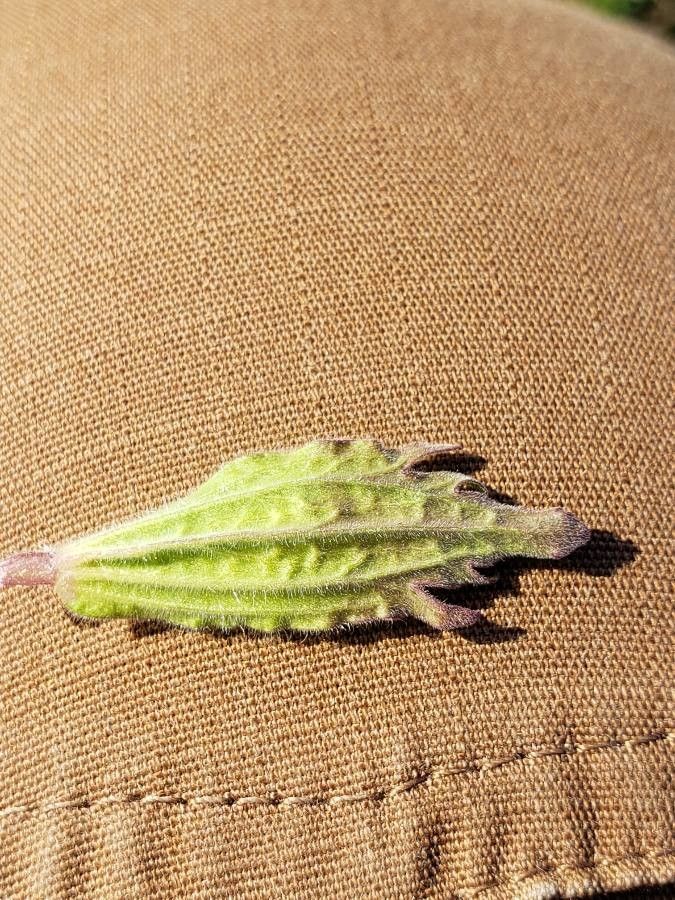
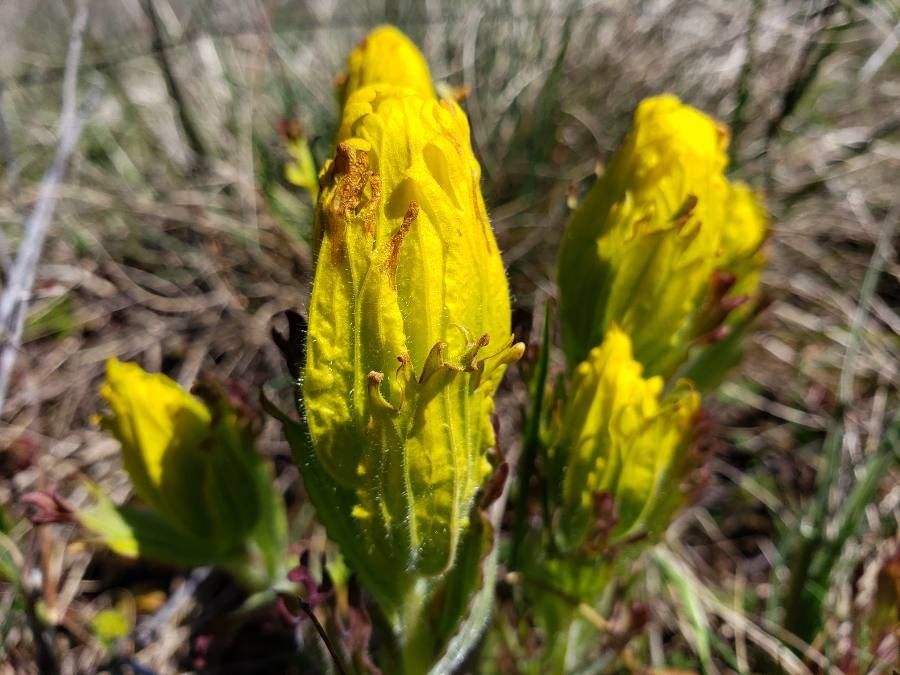
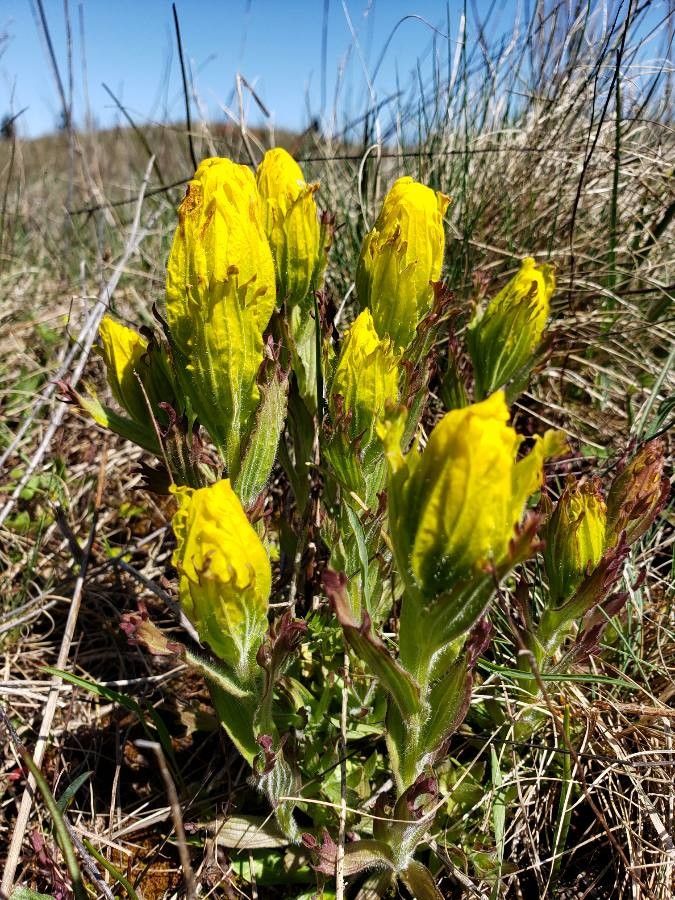
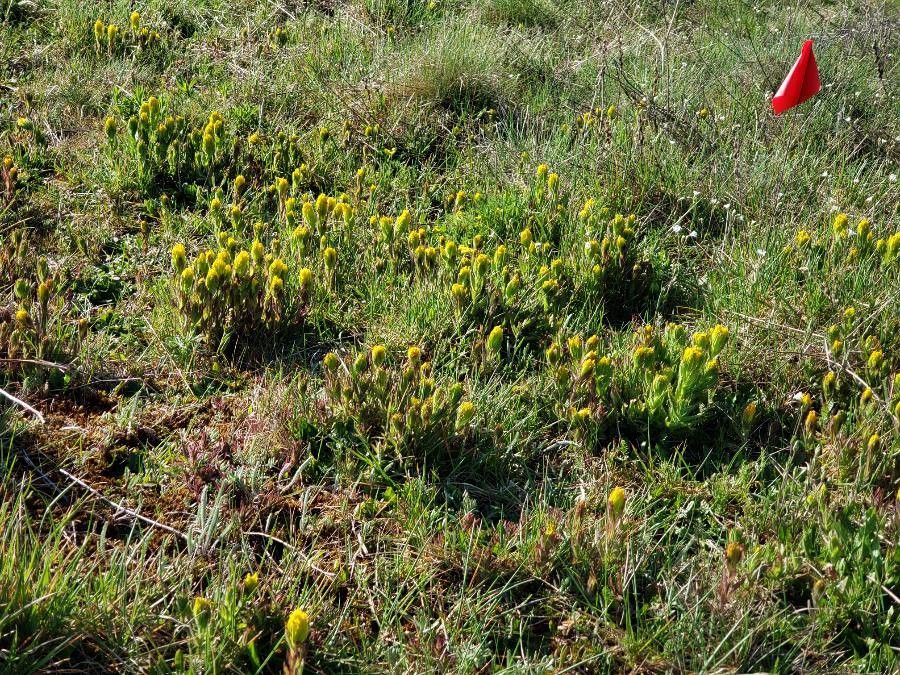
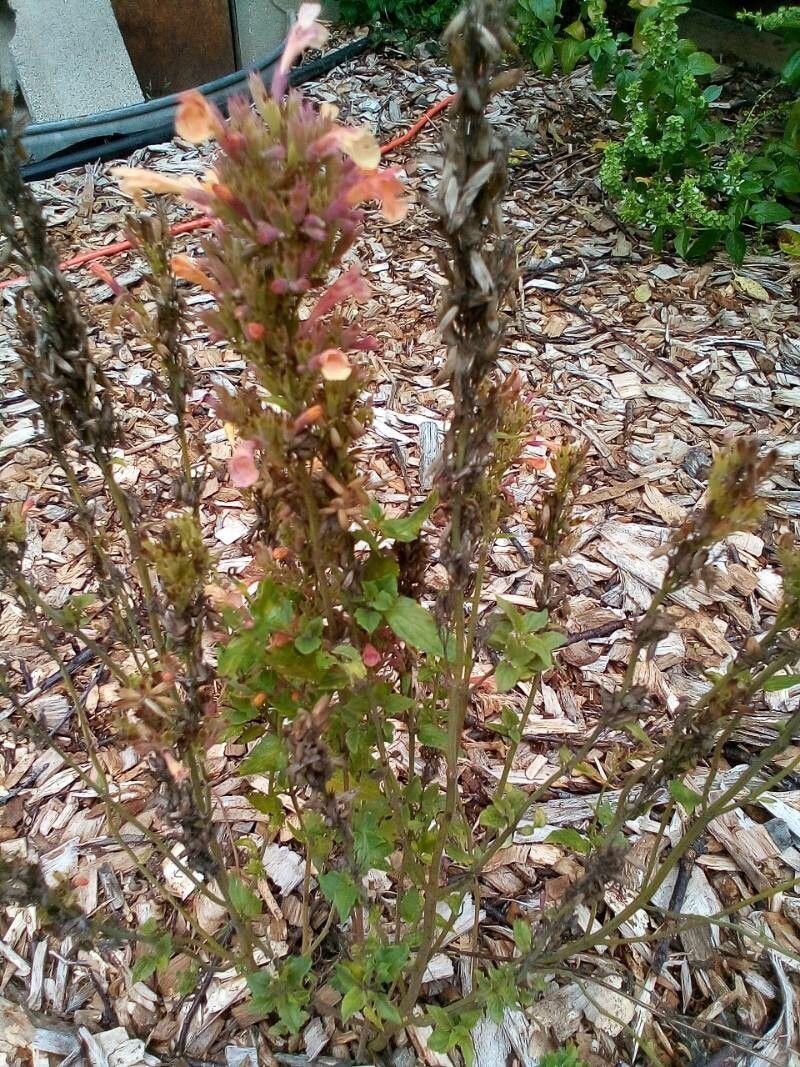
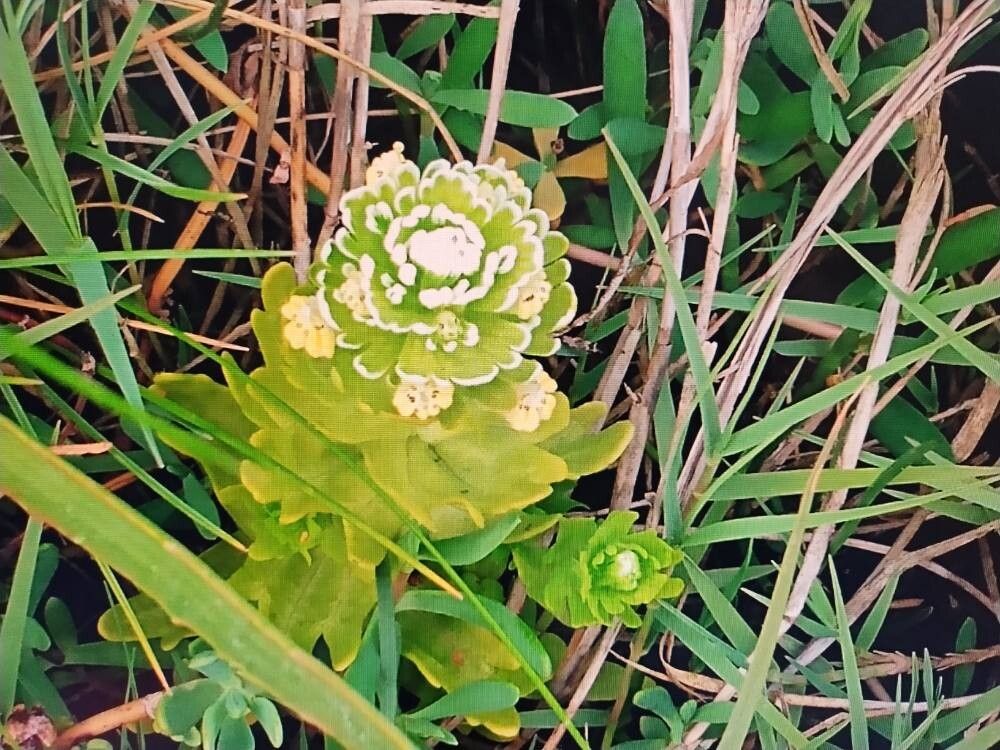
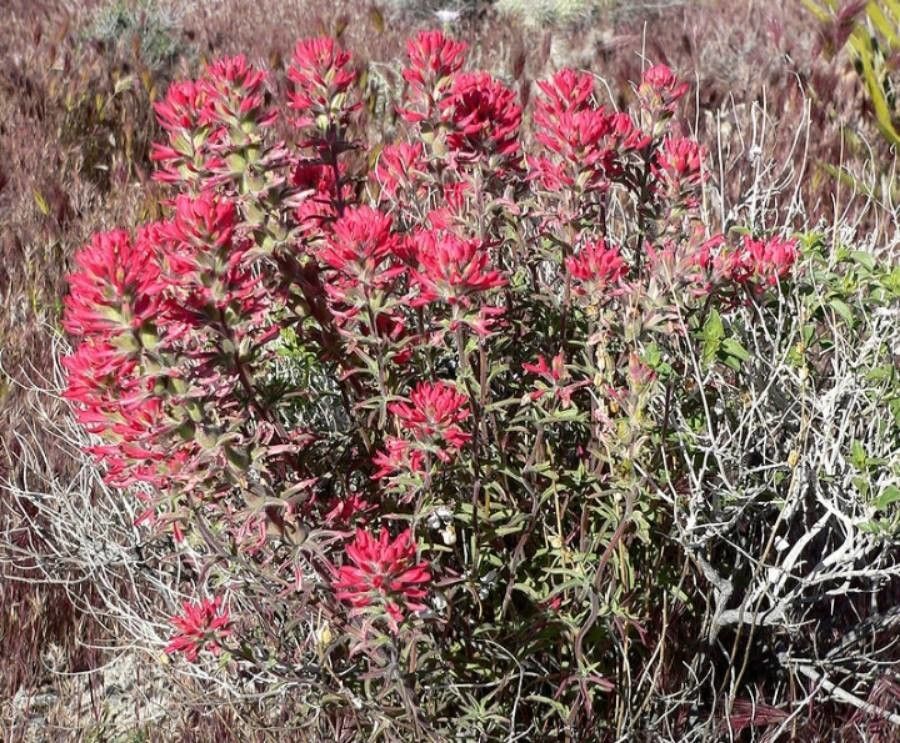
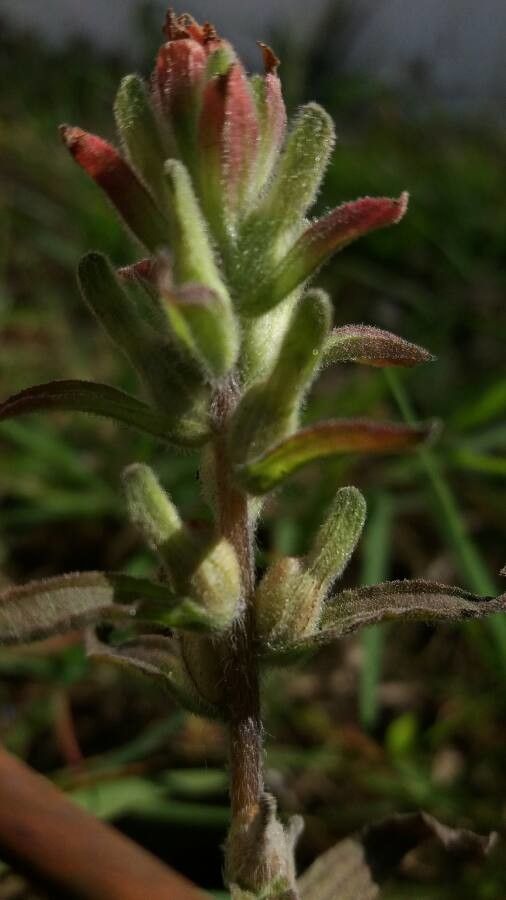
Castilleja levisecta is a rare species of flowering plant in the family Orobanchaceae known by the common name golden paintbrush, or golden Indian paintbrush, listed under the Endangered Species Act in 1997. It is native to British Columbia and Washington, where it is known from eleven remaining populations. It occurred in Oregon but all natural occurrences there have been extirpated. It has been reintroduced to a few areas in Oregon, but it remains to be seen if the plants will survive. The plant is a federally listed endangered species of Canada and was listed as threatened in the United States in 1997. On June 30, 2021, the plant was proposed for delisting due to recovery.
Golden indian paintbrush has strong resistance to disease and is usually not prone to illnesses. Still, it can be affected by pests and diseases present in its environment. Such infections are typically mild. Regarding care, this plant requires moderate maintenance. It should be trimmed regularly to keep a neat appearance and encourage healthy growth. Fertilizing can also help increase flowering. Golden indian paintbrush is appropriate for anyone with outdoor space, like a garden or patio, and does not demand extensive care experience. It may need more attention when grown indoors.
How to keep Castilleja Levisecta.
Light
Golden indian paintbrush is a sun-loving perennial herbaceous plant native to open habitats, commonly thriving in meadows and grasslands. It prefers full sun but can also tolerate partial sun conditions.
Temperature
Golden indian paintbrush can tolerate a wide range of temperatures, though its distribution may still be limited by various combinations of moisture and heat. It does best in warm summer climates with sufficient rainfall or watering. Extended periods of cloudy, rainy weather, as well as prolonged high temperatures, can raise the likelihood of Golden indian paintbrush dying. In winter, proper protection from cold can improve the plant's chances of survival.
Fertilizer
Fertilizing a Golden indian paintbrush is best done in early spring, as it comes out of dormancy and starts active growth. Fertilization supplies essential nutrients for healthy development. Although the Golden indian paintbrush has relatively low fertilizer requirements, annual feeding can improve its survival and encourage better, longer-lasting flowers.
Pruning
The Golden Indian Paintbrush is known for its vibrant yellow-orange blooms. To encourage healthy growth, it's beneficial to prune the plant in early spring. Begin by removing dead stems and thinning out dense areas to improve air circulation, which helps prevent disease. Regular pruning not only maintains the plant's shape and vigor but also promotes better flowering. Be sure to use clean, sharp tools to minimize damage to the plant.
Botanical profile.
- Plant Type
- Herb
- Life Cycle
- Perennial
- Genus
- Castilleja
- Family
- Orobanchaceae
- Hardiness Zone
- 5-8
- Mature Height
- 25 cm to 37 cm
- Mature Spread
- 20 cm to 30 cm
- Leaf Color
- Green, Olive Drab
- Leaf Type
- Deciduous
- Flower Color
- Yellow
- Flower Size
- 2.03 cm to 3.05 cm
- Bloom Time
- Mid spring, Late spring, Early summer
- Planting Time
- Spring, Autumn
- Harvest Time
- Summer
Other names.