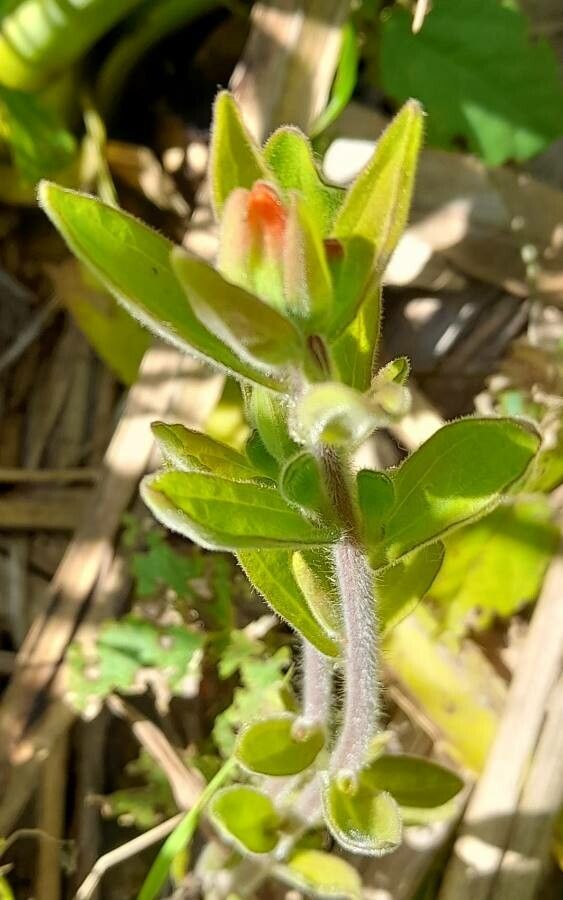
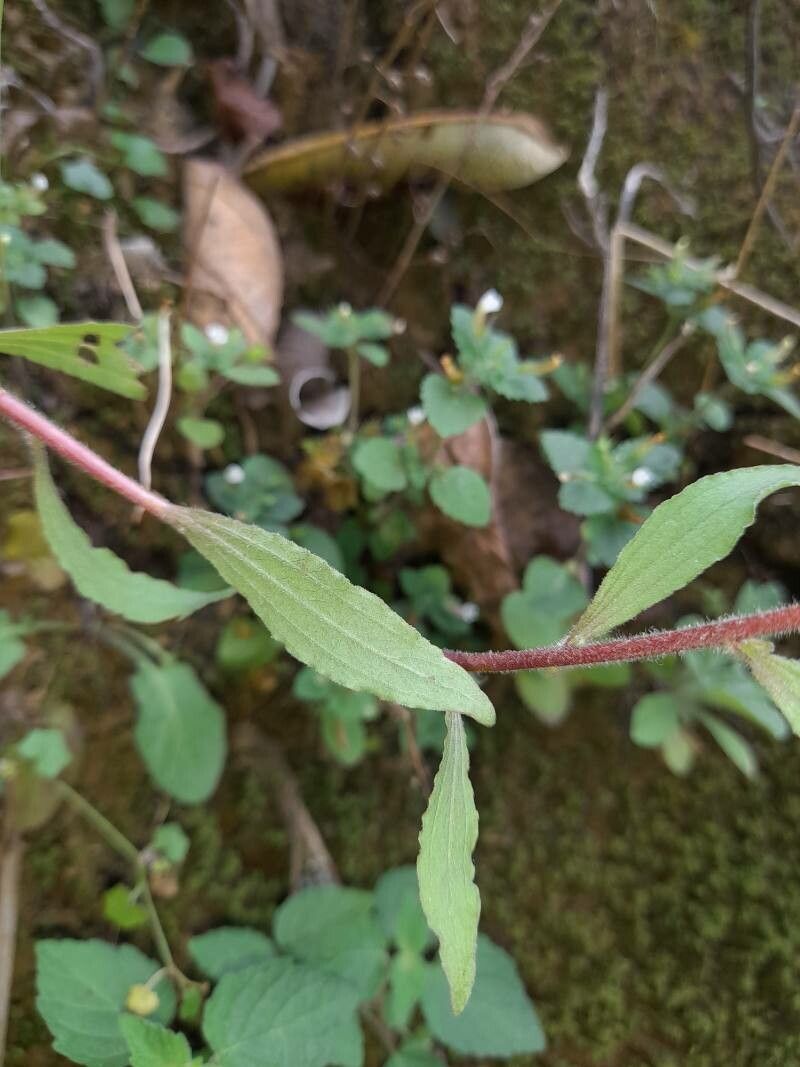
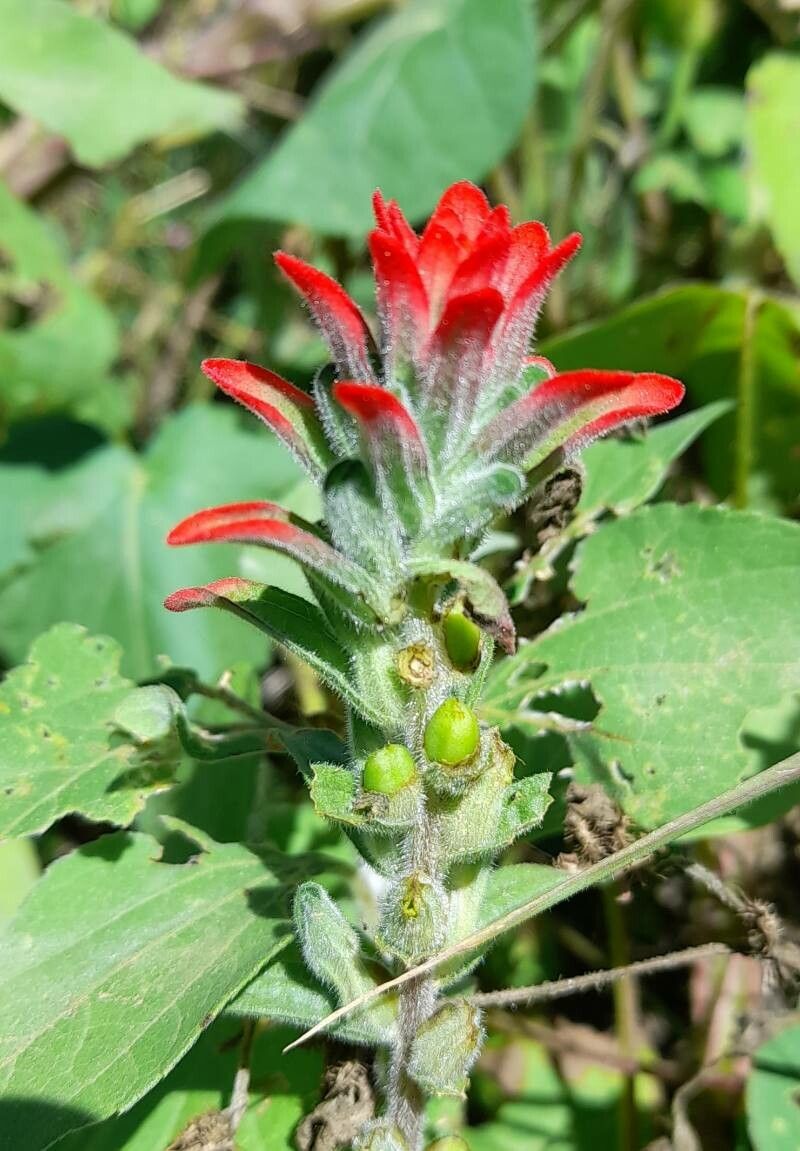
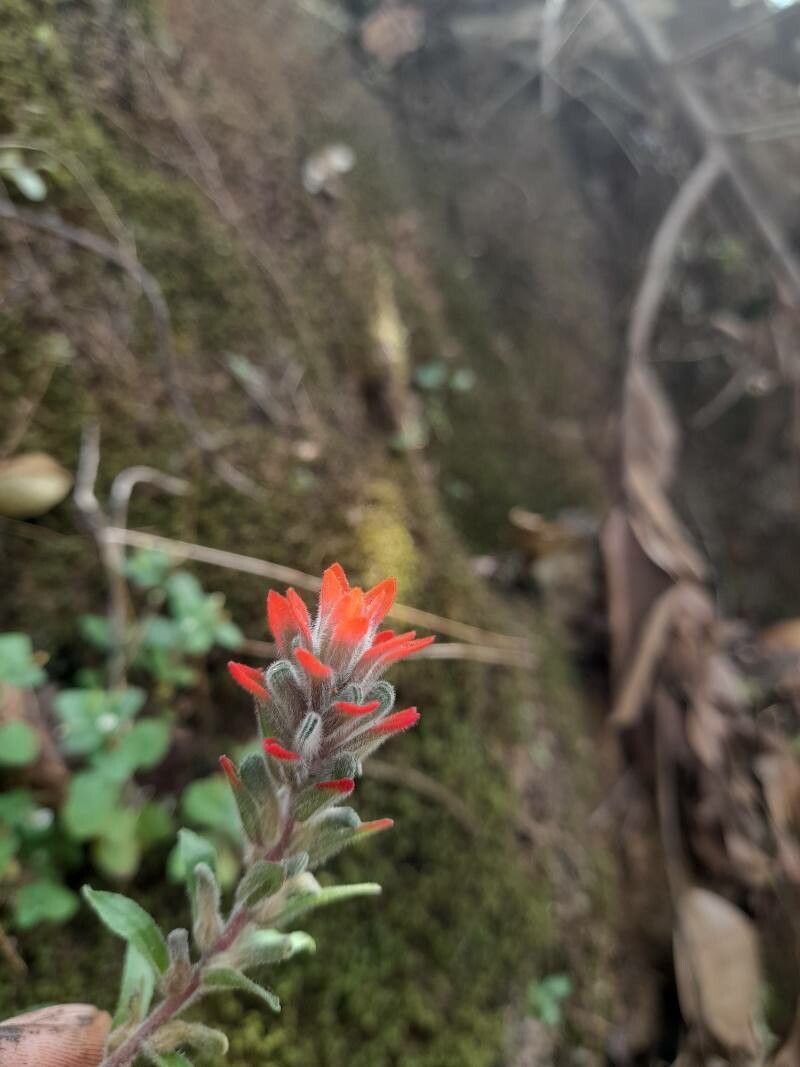
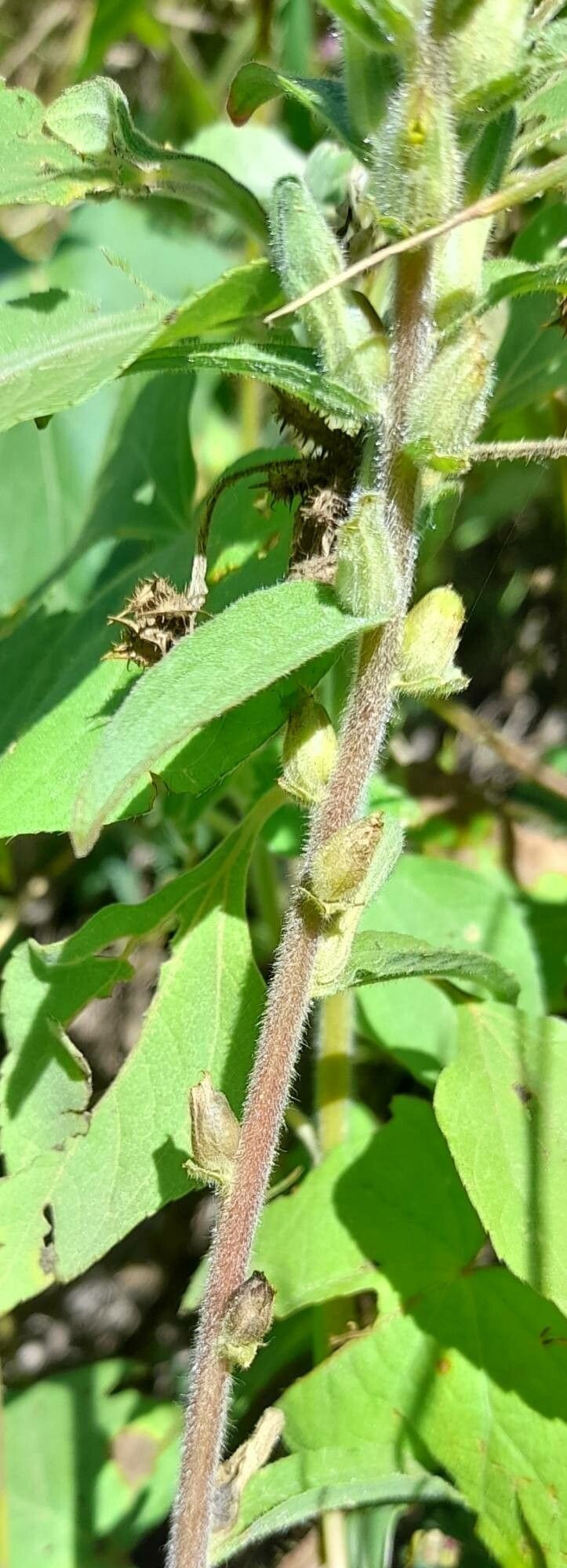
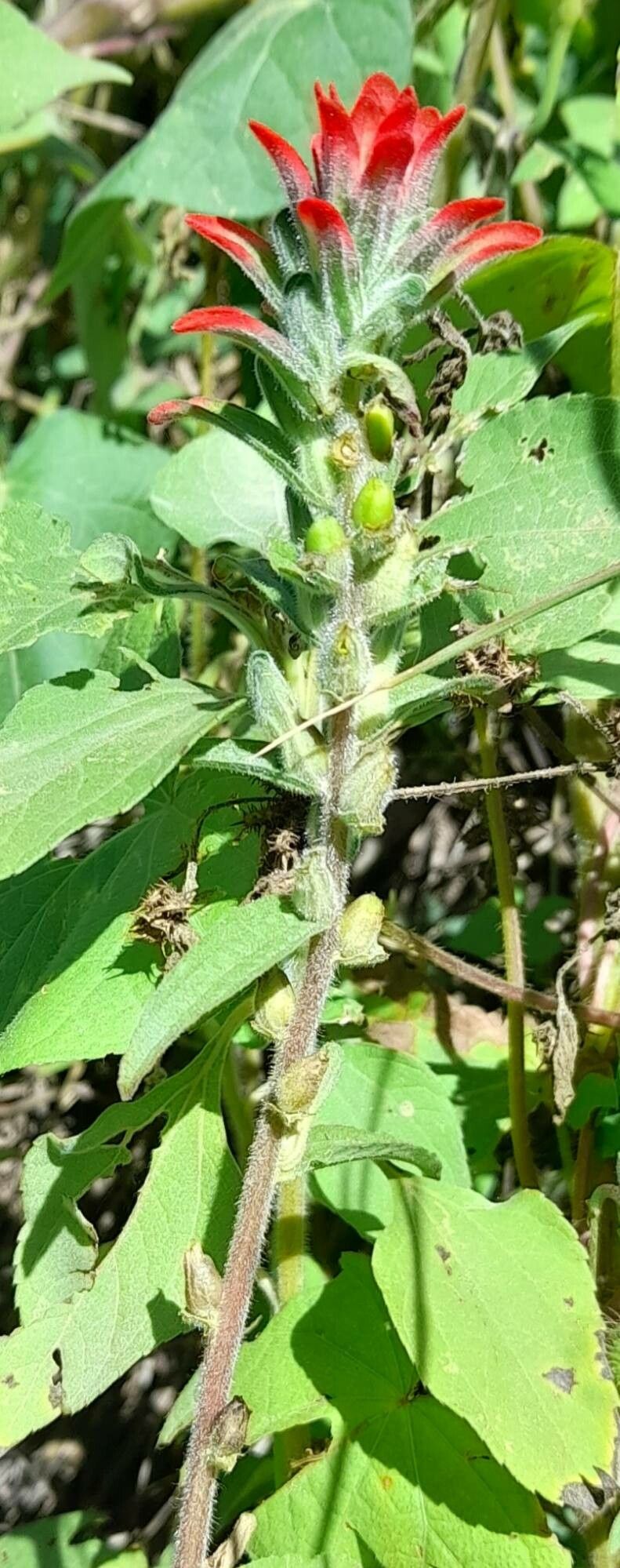
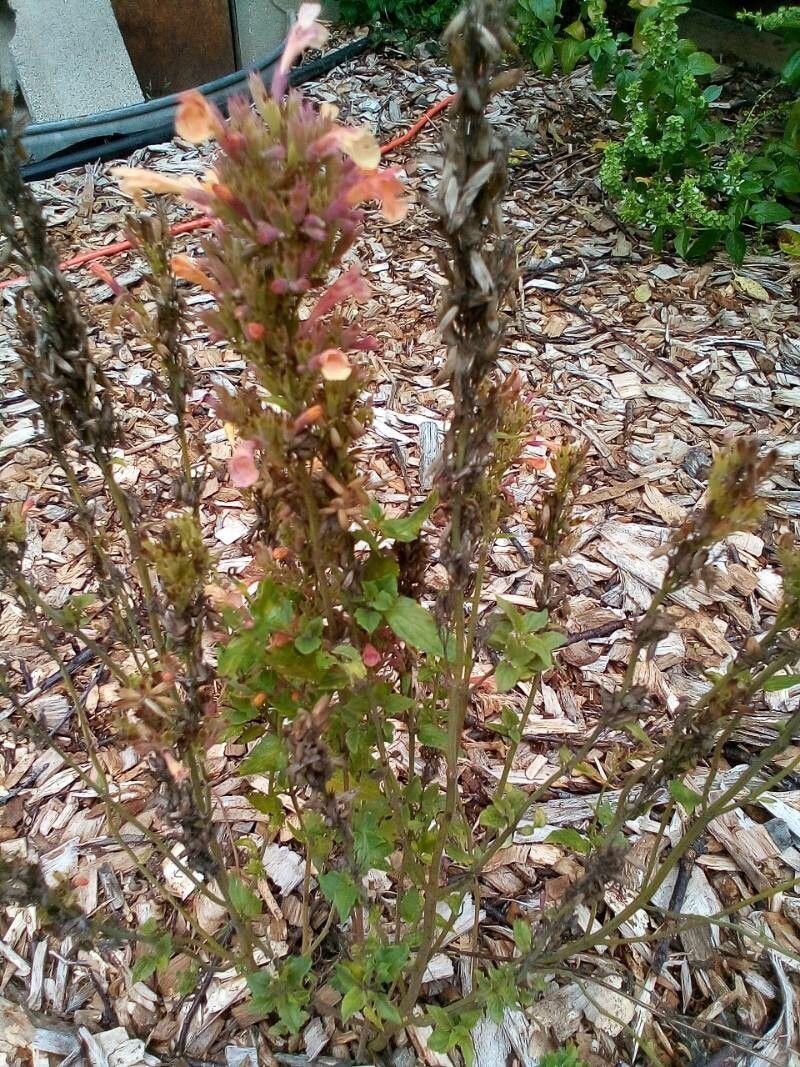
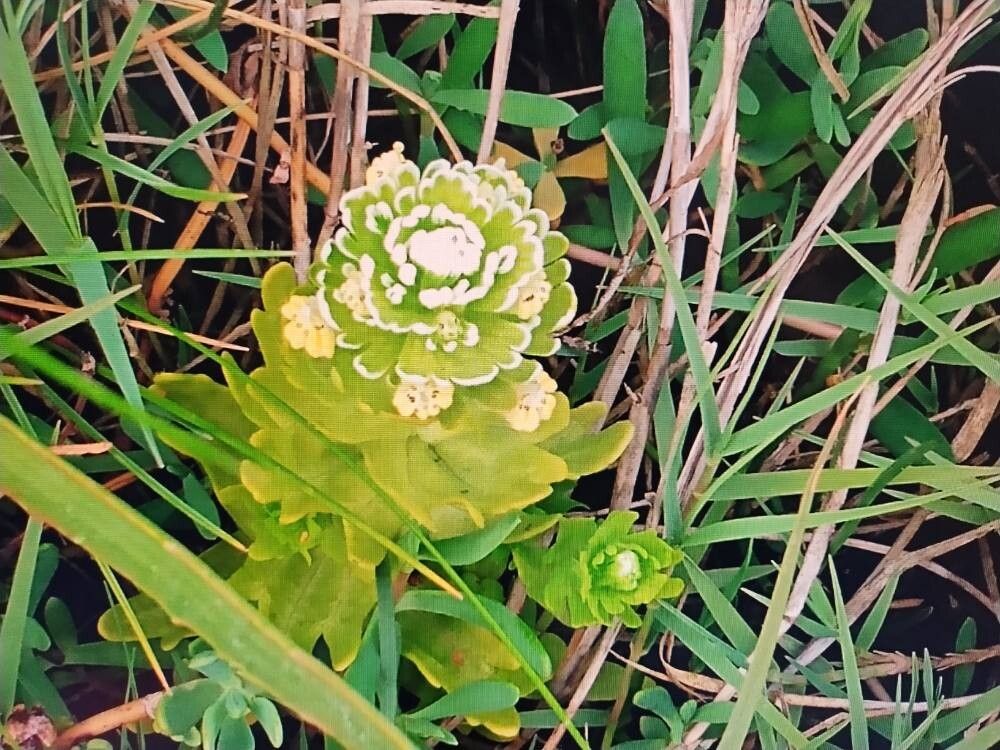
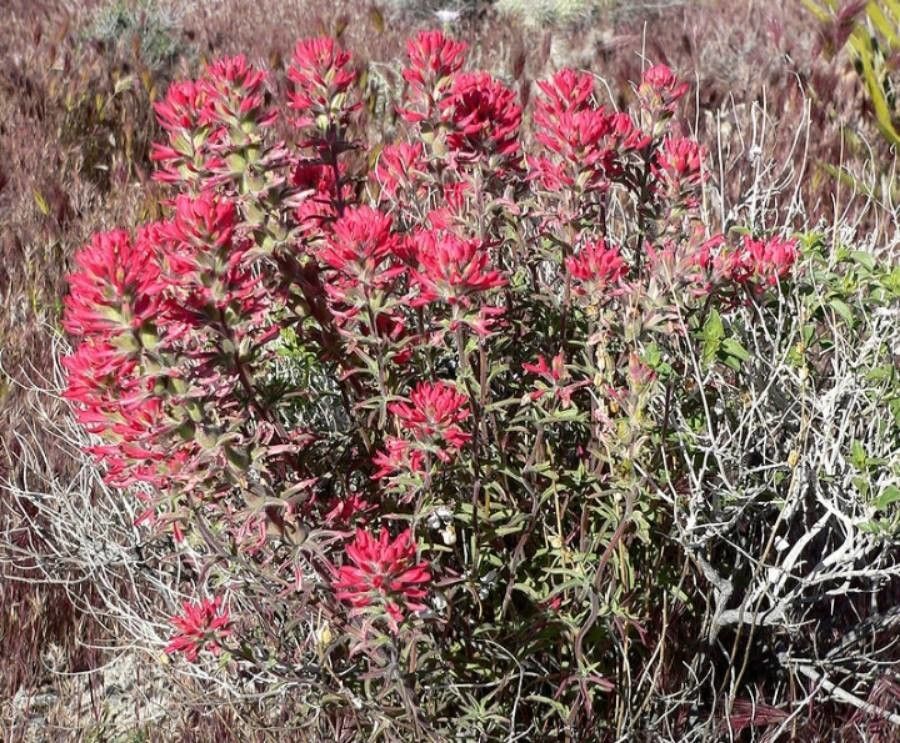
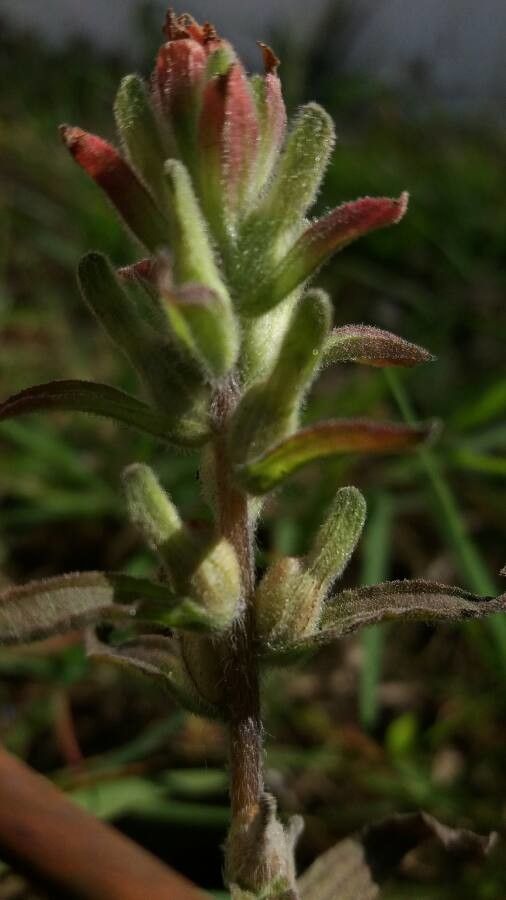
Field indian paintbrush has strong resistance to disease and is typically not vulnerable to illnesses. Still, it can be affected by pests and diseases present in its environment. These problems are generally mild. Regarding care, this plant needs moderate maintenance. It should be pruned regularly to preserve a neat appearance and encourage healthy growth. Applying fertilizer can also help stimulate flowering. Field indian paintbrush is appropriate for someone with outdoor space, like a garden or patio, and does not demand extensive care experience. It may need extra attention when kept indoors.
How to keep Castilleja Arvensis.
Light
The field indian paintbrush is a plant that is native to bright, open landscapes and flourishes in abundant sunshine. Although it can handle some shade, it is particularly fond of direct sunlight for its best growth. Recognized as a yearly and bi-yearly plant, it has a noted affinity for sunny conditions.
Water
Field Indian paintbrush, native to areas with seasonal rainfall, flourishes with moderate weekly watering that keeps the soil moist without becoming waterlogged. Although it has some drought tolerance, it may require additional irrigation during prolonged dry periods to maintain ideal growing conditions.
Temperature
The Indian paintbrush plant is native to areas where the temperatures vary between 68 and 105.8 °F (20 to 41 ℃). This vegetation is known to prosper during warmer seasons, as indicated by its preferred temperature range. During colder periods, adjustments should be meticulously made to sustain this temperature range for the plant to grow most effectively.
Fertilizer
When the Field Indian paintbrush has mostly blossomed to its maximum capacity, it indicates the need to begin the fertilization process once more. Once flowering is at its utmost level, recommence the fertilization roughly every three or four weeks, if the weather conditions allow it. Then, cease fertilization once the Field Indian paintbrush starts to exhibit a decrease in the production of new blossoms, as it is pointless to fertilize when the plant is no longer capable of flowering.
Pruning
The Field Indian Paintbrush is known for its vibrant, brush-like flowers. Proper care, including careful pruning, is important for its health and beauty. Prune the plant from early to late spring before new growth begins. Remove any dead stems to improve air circulation and help shape the plant. Regular pruning encourages abundant flowering and maintains plant vitality. Always use clean tools to prevent the spread of diseases.
Botanical profile.
- Plant Type
- Herb
- Life Cycle
- Annual
- Genus
- Castilleja
- Family
- Orobanchaceae
- Hardiness Zone
- 9-13
- Mature Height
- 76 cm
- Mature Spread
- 15 cm to 30 cm
- Leaf Color
- Green, Dark Green
- Leaf Type
- Deciduous
- Flower Color
- Red
- Flower Size
- 1.78 cm to 2.29 cm
- Bloom Time
- All year round
- Planting Time
- Spring
- Harvest Time
- All year round
- Native Area
- Honduras, Mexico
Other names.
Reader questions.
What are the sunlight requirements for Field Indian Paintbrush?
Field Indian Paintbrush thrives in environments that offer full sun, requiring above 6 hours of sunlight for optimal growth. It can also tolerate partial sun, defined as about 3-6 hours of sunlight. However, for the best results, aiming for spots with full sun exposure is preferable. It's also advised to observe the movement of sunlight through your garden to find the ideal balance of light and shade, ensuring the health and happiness of your plants.
What temperature is ideal for growing Field Indian Paintbrush?
Field Indian Paintbrush thrives in regions where temperatures range from 68 to 105.8°F (20 to 41°C), reflecting its preference for warm seasons. To ensure optimal growth, it's crucial to adjust care in cooler months to maintain this temperature range. As an extremely heat-loving plant, Field Indian Paintbrush is sensitive to cold temperatures. During autumn, it is advised to bring outdoor plants indoors to a bright window, while avoiding placing them too close to heaters. Keeping the temperature above 20°C during winter supports its growth, whereas temperatures near or below 0°C are harmful.
Is artificial lighting beneficial for Field Indian Paintbrush?
Yes, artificial lighting can be beneficial for Field Indian Paintbrush, especially for indoor plants when natural sunlight is insufficient. During winter or in less sunny spaces, artificial lights can provide a vital solution. LED lights are recommended for their ability to be customized to deliver specific wavelengths needed by plants. Full sun plants need 30-50W/sq ft of artificial light, partial sun plants require 20-30W/sq ft, and full shade plants should have 10-20W/sq ft. The lights should be placed 12-36 inches above the plant to mimic natural sunlight and left on for 8-12 hours per day.
How does low temperature affect Field Indian Paintbrush and what should I do?
Field Indian Paintbrush is not tolerant of low temperatures, preferring conditions above 20°C. Exposure to temperatures below -5°C can lead to leaves lightening in color, eventually turning brown or black after frost damage, with noticeable wilting and drooping. To manage frost damage, trim off affected parts and immediately move the plant to a warm environment indoors. Placing it near a south-facing window ensures ample sunlight, but it's important to keep the plant away from heaters or air conditioning vents to avoid excessive dryness.
What symptoms indicate light deficiency in Field Indian Paintbrush?
Symptoms of light deficiency in Field Indian Paintbrush include smaller new leaves, leggy or sparse growth, faster leaf drop, slower or halted growth, and lighter-colored new leaves. These indicate the plant may not be receiving sufficient sunlight, leading to poor health and reduced ability to photosynthesize.
What are the effects of high temperature on Field Indian Paintbrush and how can I protect it?
During the summer, it's important to keep Field Indian Paintbrush below 41°C to prevent heat stress. Temperatures exceeding 45°C can cause the leaves to lighten, making the plant more prone to sunburn. To protect the plant, trim away sunburned and dried-up parts and relocate it to an area with shade during the midday and afternoon sun. Watering in the morning and evening helps maintain soil moisture, providing additional relief from high temperatures.
How does excessive sunlight affect Field Indian Paintbrush?
Excessive sunlight can lead to chlorosis, where leaves lose their green color and turn yellow, affecting photosynthesis. Sunscald manifests as pale, bleached, or necrotic areas on plant tissue. Leaf curling is a defense mechanism to reduce surface area exposed to intense light, minimizing water loss. Wilting occurs from increased water loss and difficulty in maintaining hydration, while leaf scorching appears as brown, dry, crispy edges on leaves.
What solutions can resolve sunlight-related issues for Field Indian Paintbrush?
To address sunlight-related issues, gradually move plants to sunnier locations to ensure at least 6 hours of direct sunlight daily. Use south-facing windows or consider artificial lighting for additional support. Avoid sudden changes in light intensity to prevent sunburn. For outdoor and ground-planted situations, reduce obstructions like tree branches to increase sunlight exposure and consider transplanting during the dormant period for better light access. Note that parts of the plant suffering from insufficient light may not recover, but new growth should be healthy post-adjustment.