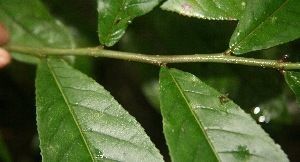
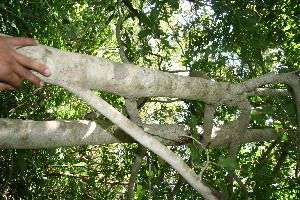
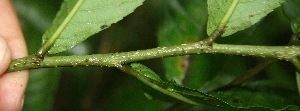
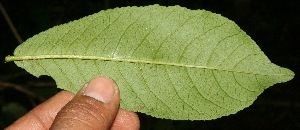
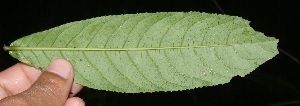
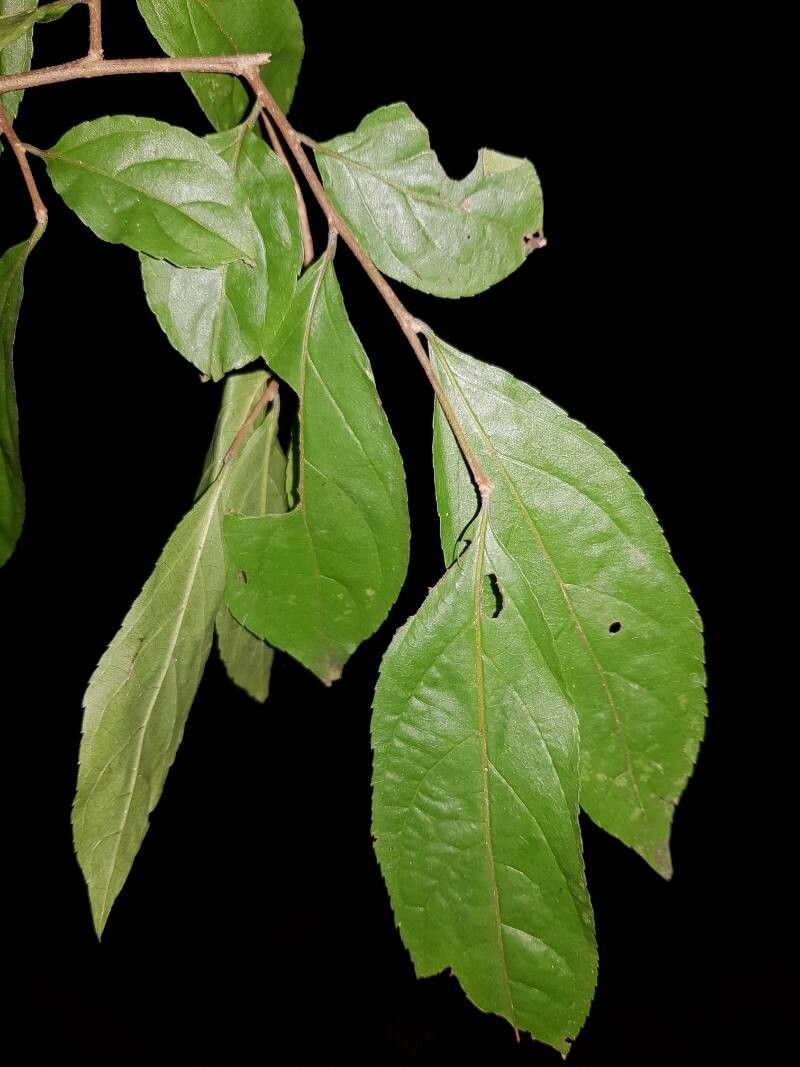
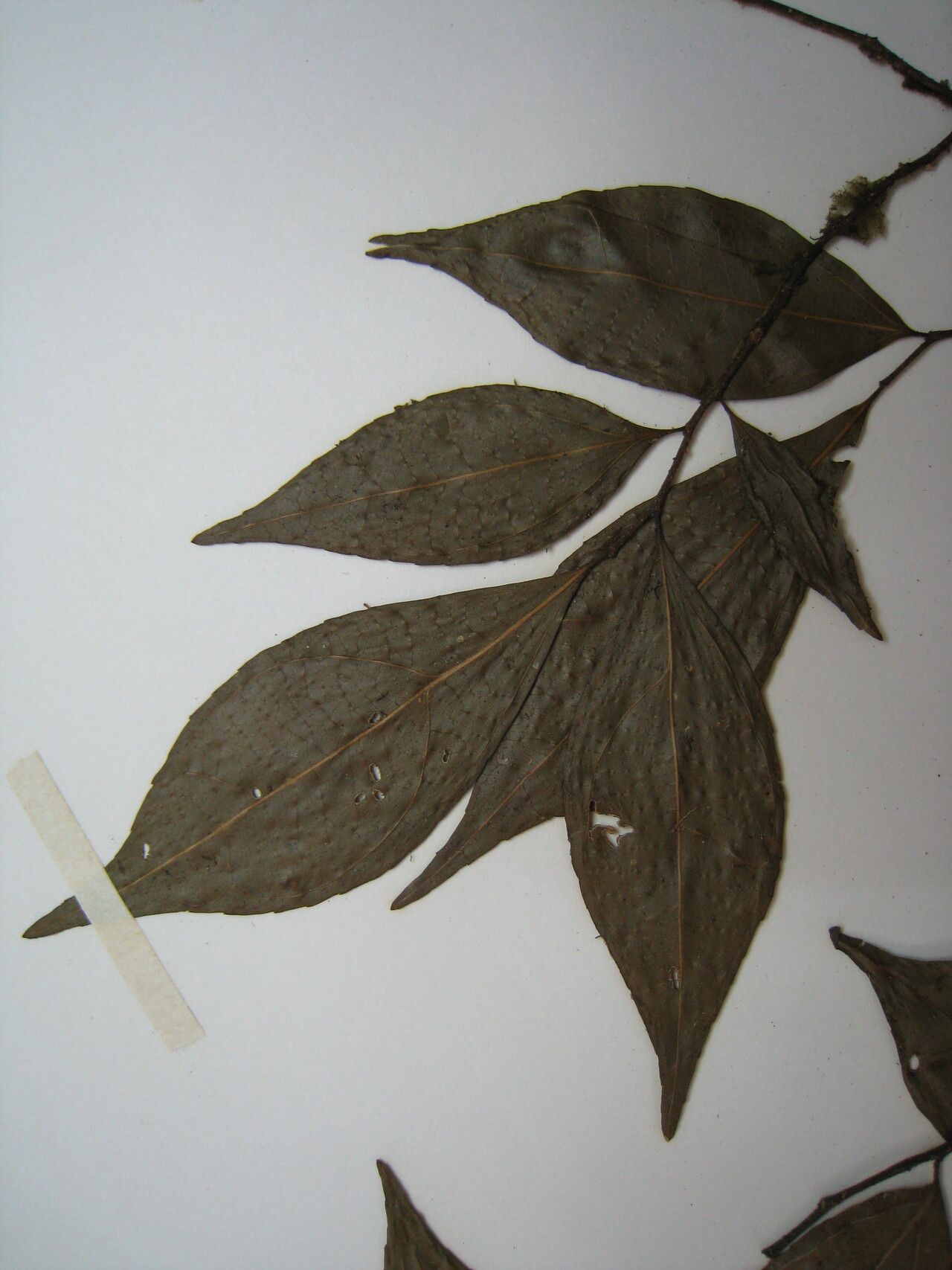
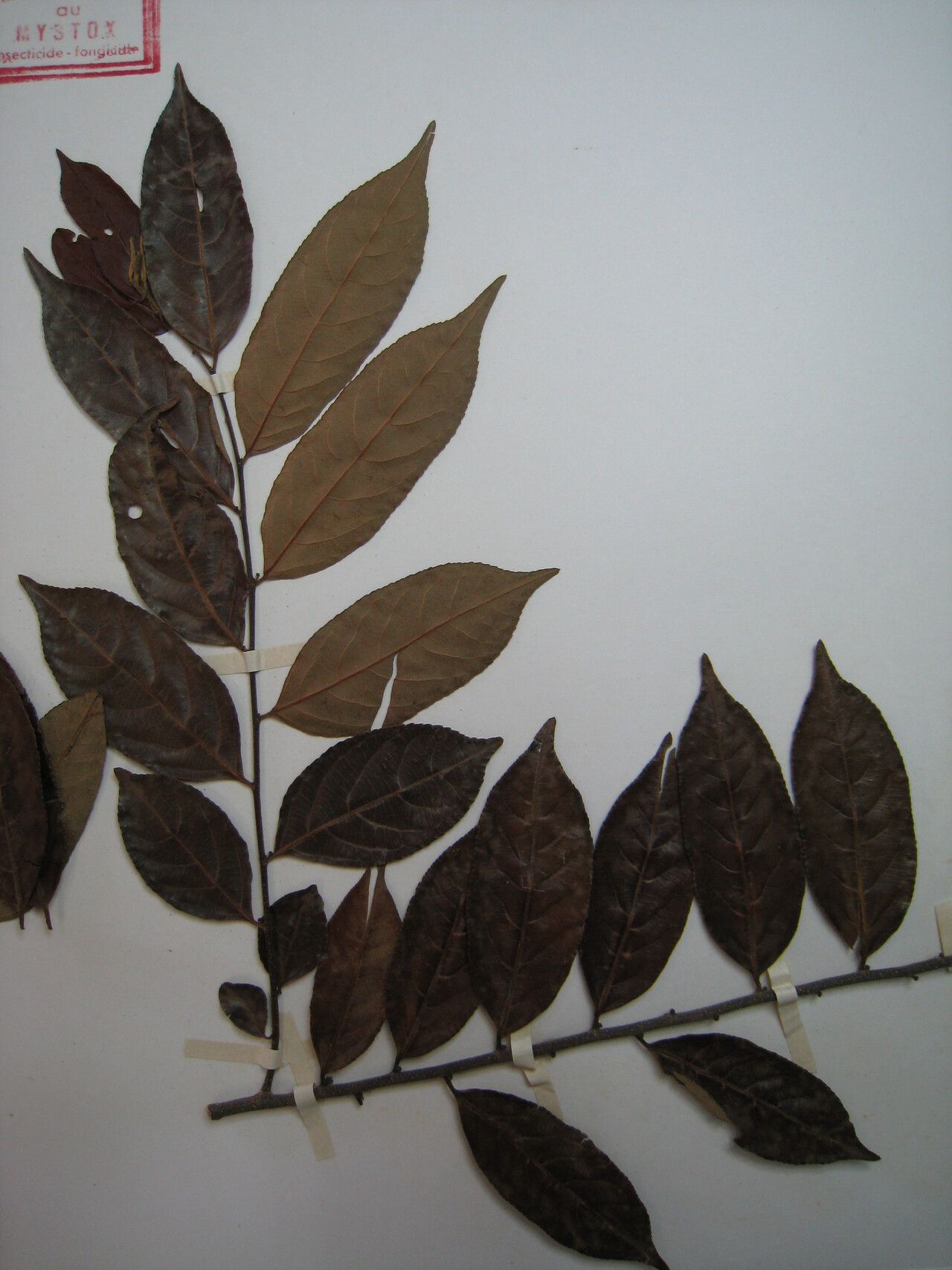
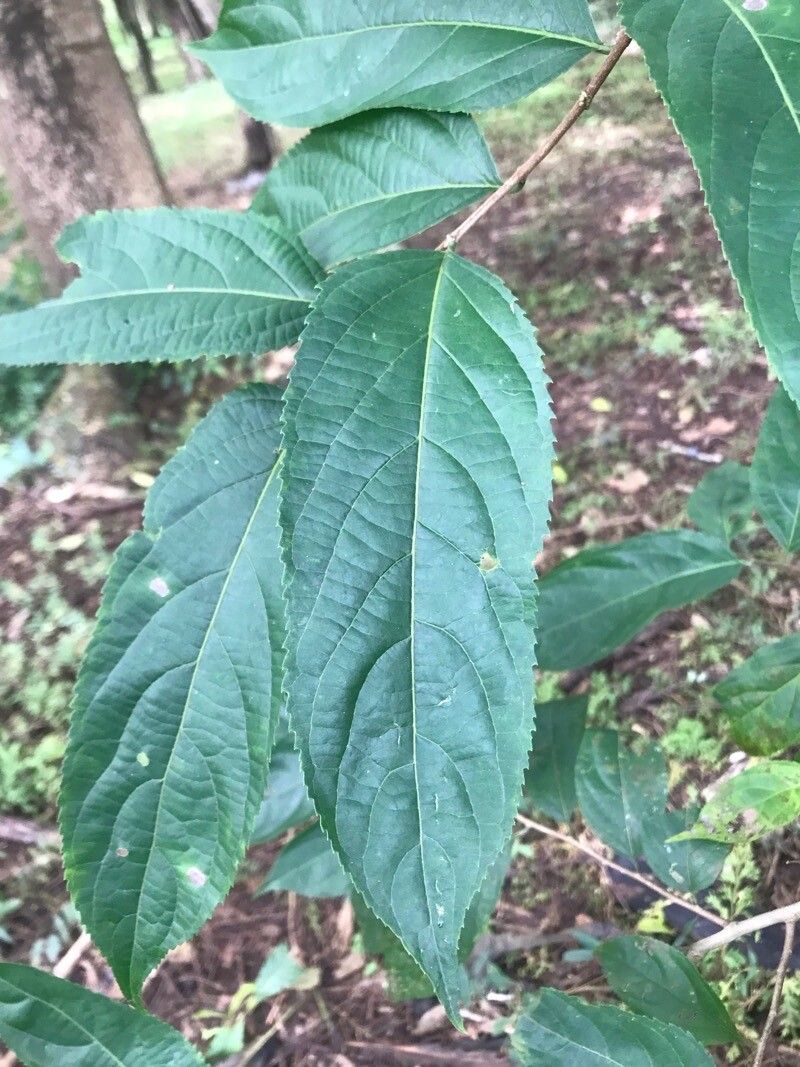
The smooth honey tree is resistant to diseases and typically not susceptible to illness. Regarding upkeep, this species is fairly low maintenance. When grown outdoors it needs little watering, and mature specimens usually do not require pruning. Younger, smaller plants should be trimmed after they finish flowering. The smooth honey tree is appropriate for anyone who has an outdoor area, like a garden or a deck, and it does not demand extensive gardening experience.
How to keep Casearia Nitida.
Light
The Smooth honey tree is typically found in habitats like forest understories or rocky terrains where it is naturally shaded. This plant thrives best in partially sunny conditions, however, it can also adjust to either fully sunny or fully shaded environments, showcasing its flexible and robust characteristics.
Temperature
The smooth honey tree hails from tropical climates, which are characteristically hot and wet. Therefore, it is naturally attuned to hot, moist environments. The plant doesn't react well to abrupt changes in temperature, instead, favoring an atmosphere with stable temperatures. Thus, it's essential to maintain a stable indoor temperature. Typically, it can't withstand cold temperatures and needs higher temperatures to grow. If the surrounding temperature becomes too cold, the plant's growth may stall or it may even perish.
Fertilizer
The care of the Smooth honey tree relies heavily on fertilization. Providing consistent nutrients during its growing phase helps to fuel the vibrancy of the leaves and encourages comprehensive growth. Neglecting this fertilization process can lead to the deterioration of the leaves, reduce its decorative attraction, and lead to suppressed or fragile growth, which is susceptible to damage.
Pruning
The Smooth Honey Tree is characterized by its smooth bark and glossy leaves. Pruning the tree early in the spring is beneficial as it enhances airflow, increases sunlight exposure, and encourages bushier growth. It's important to use sterilized tools and to avoid pruning late in the season to protect new growth. Regular pruning improves the tree's vigor and appearance, promoting healthy development.
Botanical profile.
- Plant Type
- Shrub
- Life Cycle
- Perennial
- Genus
- Casearia
- Family
- Salicaceae
- Hardiness Zone
- 10-12
- Mature Height
- 4.88 m to 10.06 m
- Mature Spread
- 3.05 m to 4.88 m
- Leaf Color
- Dark Green, Forest Green
- Leaf Type
- Evergreen
- Flower Color
- White
- Flower Size
- 0.25 cm to 0.51 cm
- Bloom Time
- Late spring, Early summer, Mid summer
- Planting Time
- Spring, Summer, Autumn
- Harvest Time
- Late summer, Early fall, Mid fall
- Native Area
- Bahamas, Mexico, Cuba
Other names.