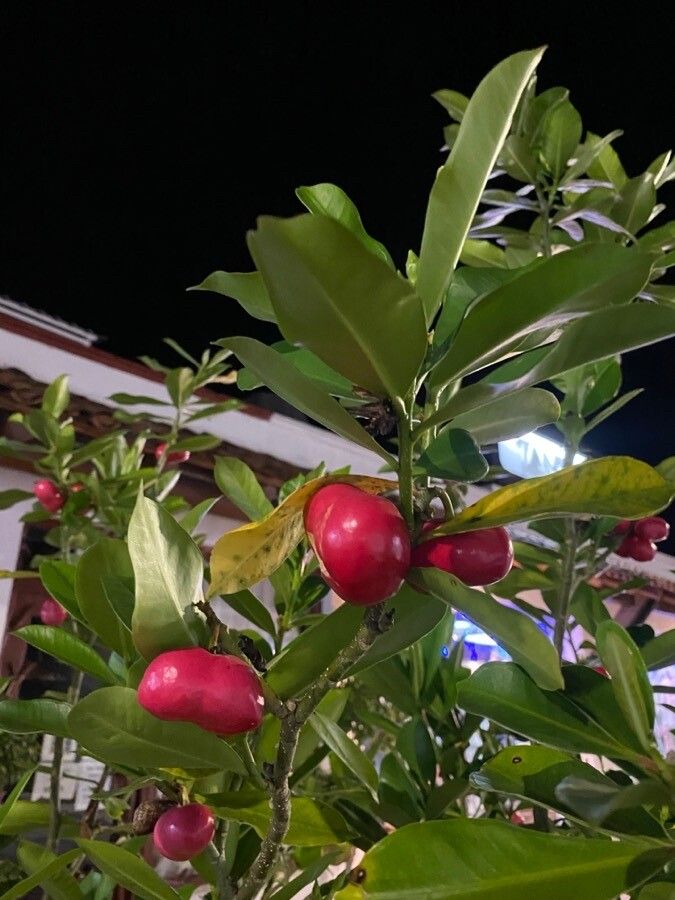
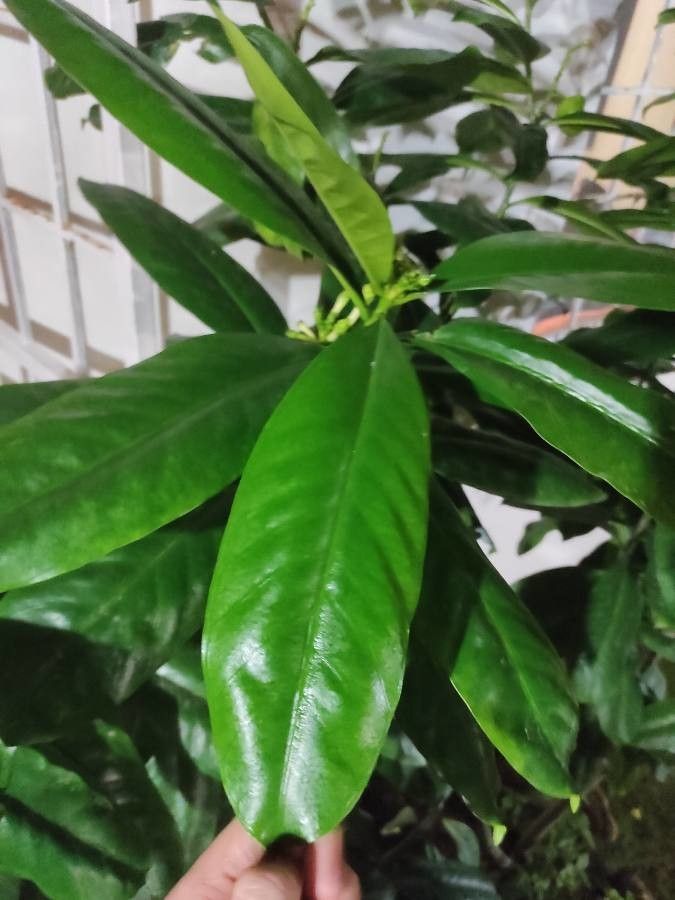
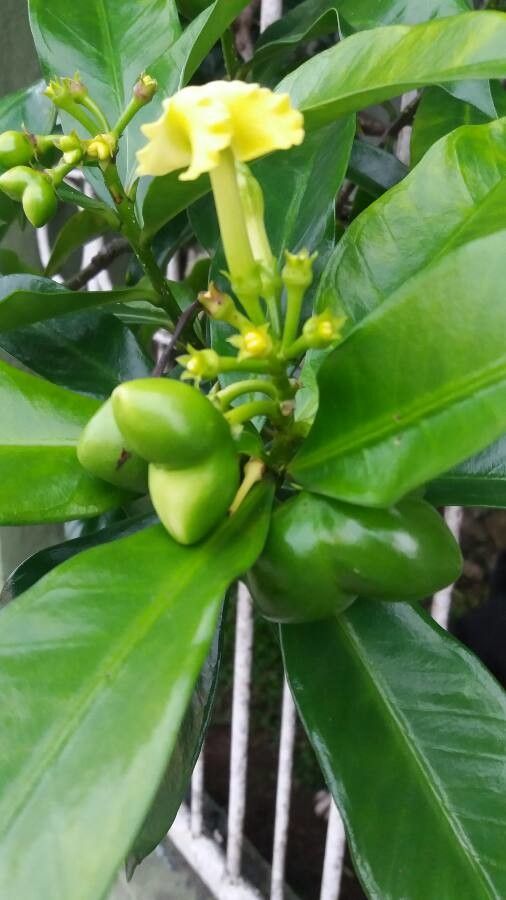
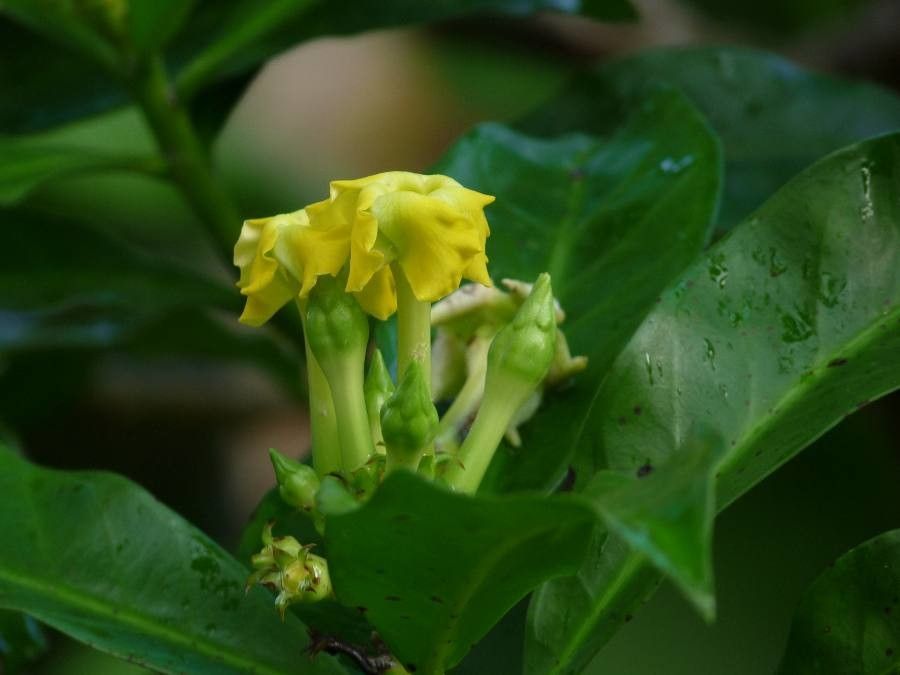
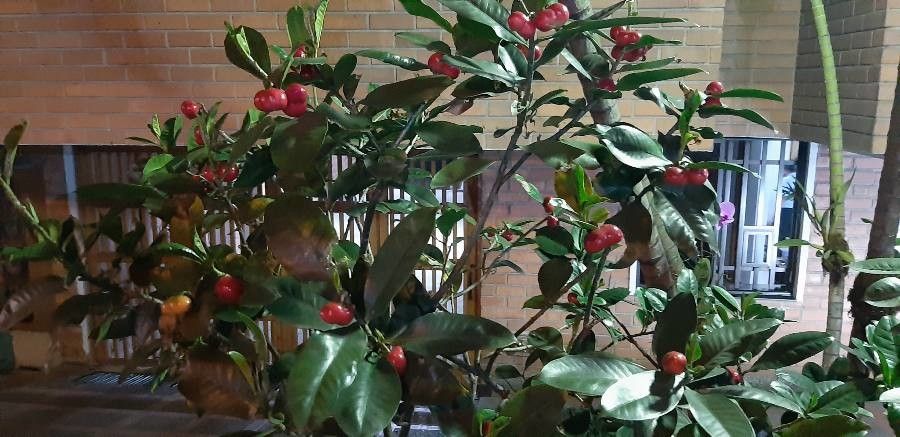
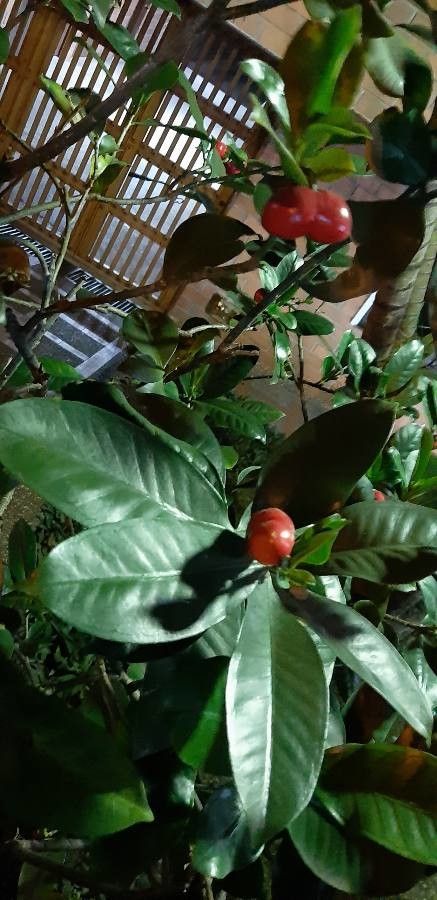
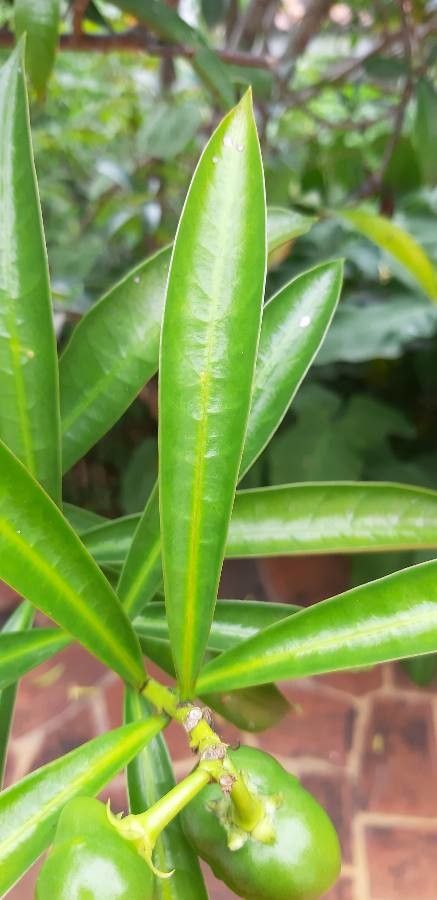
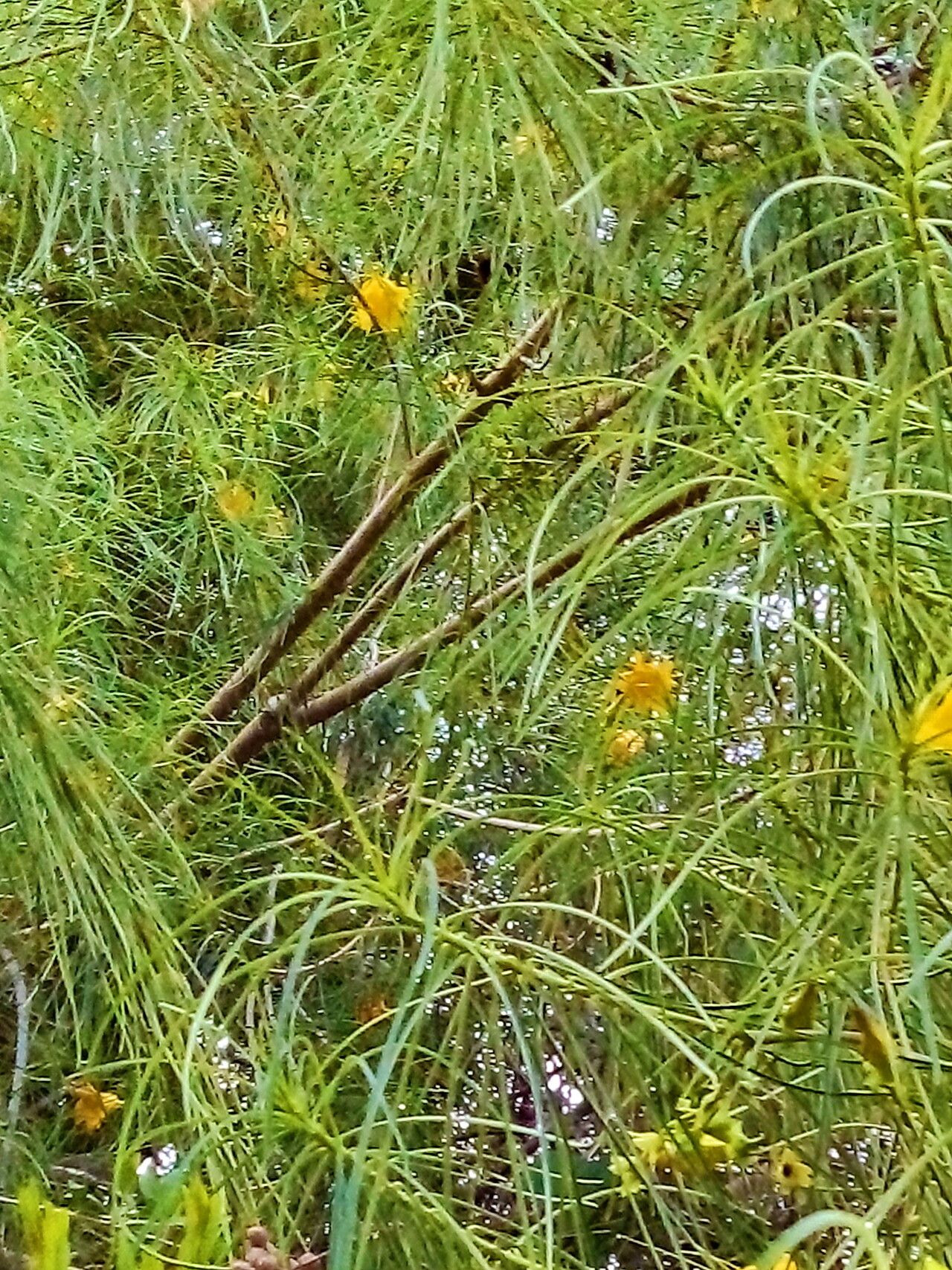
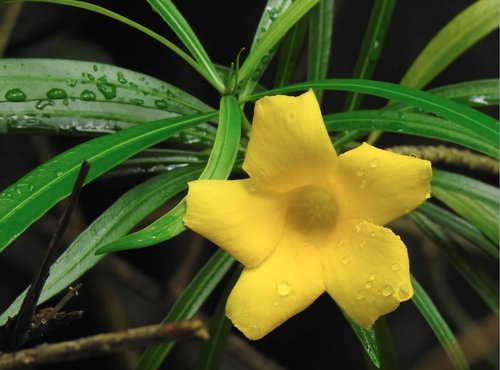
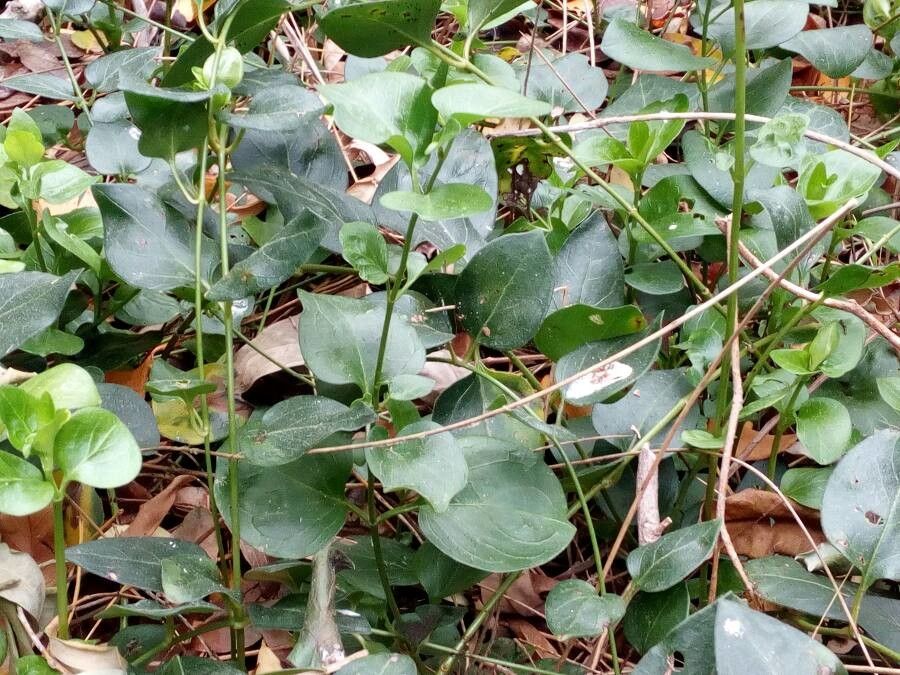
Cascabela gaumeri, commonly known as Gaumer's trumpet or yellow oleander, is a flowering plant species in the Apocynaceae family. Native to Mexico and Central America, this plant can reach heights of up to 6 meters. It features glossy green leaves arranged in a spiral pattern along its stems. The flowers of Cascabela gaumeri are trumpet-shaped, measuring up to 5 cm in diameter. Blooming in clusters at the ends of branches from late spring through early fall, these flowers have bright yellow petals with red or orange centers. While Cascabela gaumeri is an attractive ornamental plant, it must be handled with care, as all parts of it contain toxic compounds that can cause serious harm if ingested. The sap from its leaves and stems can also cause skin irritation. Despite its toxicity, Cascabela gaumeri has been used for medicinal purposes by indigenous people for centuries. It has been utilized to treat various ailments, such as fever, coughs, asthma, and even cancer, due to its potent chemical compounds. In summary, Cascabela gaumeri is an intriguing but potentially dangerous plant that requires careful handling if grown for ornamental or medicinal purposes.
Cascabela gaumeri exhibits good resistance to disease and is generally not susceptible to illnesses. In terms of care, this plant is fairly low-maintenance. When grown outdoors it needs minimal watering, and larger specimens typically do not require pruning. However, smaller plants should be pruned after they finish blooming. Cascabela gaumerit is suitable for anyone with an outdoor area, such as a garden or deck, and does not demand extensive plant-care experience.
How to keep Cascabela Gaumeri.
Light
Cascabela gaumeri is native to open habitats, such as sunlit meadows and forest edges, which supply abundant light. It performs best in full sun but can also tolerate partial sun, adjusting well to different light conditions.
Temperature
Cascabela gaumeri comes from tropical areas, where the climate is generally warm and humid. Consequently, it is well suited to high heat and moisture. It does not tolerate abrupt temperature changes and favors a consistent thermal environment, so avoiding temperature swings indoors is important. It typically cannot withstand cold conditions and needs elevated temperatures to grow. If the surrounding temperature falls too low, the plant may stop growing or even perish.
Fertilizer
The best time to fertilize Cascabela gaumeri is in early spring, when it breaks dormancy. This supports overall growth and flower development. Fertilizing improves the foliage, stems, and branches, and encourages flowers that are large, vibrant, and long-lasting. It helps transfer nutrients from the roots to the flowers and enhances the plant’s health and resistance to disease.
Botanical profile.
- Plant Type
- Shrub
- Life Cycle
- Perennial
- Genus
- Cascabela
- Family
- Apocynaceae
- Hardiness Zone
- 10-12
- Mature Height
- 4.88 m to 7.92 m
- Mature Spread
- 3.05 m to 4.88 m
- Leaf Color
- Dark Green
- Leaf Type
- Evergreen
- Flower Color
- White, Yellow
- Flower Size
- 3.05 cm to 5.08 cm
- Bloom Time
- All year round
- Planting Time
- Spring, Summer, Autumn
- Harvest Time
- All year round
- Native Area
- Belize, Honduras, Mexico, Guatemala, Nicaragua, Costa Rica
Other names.