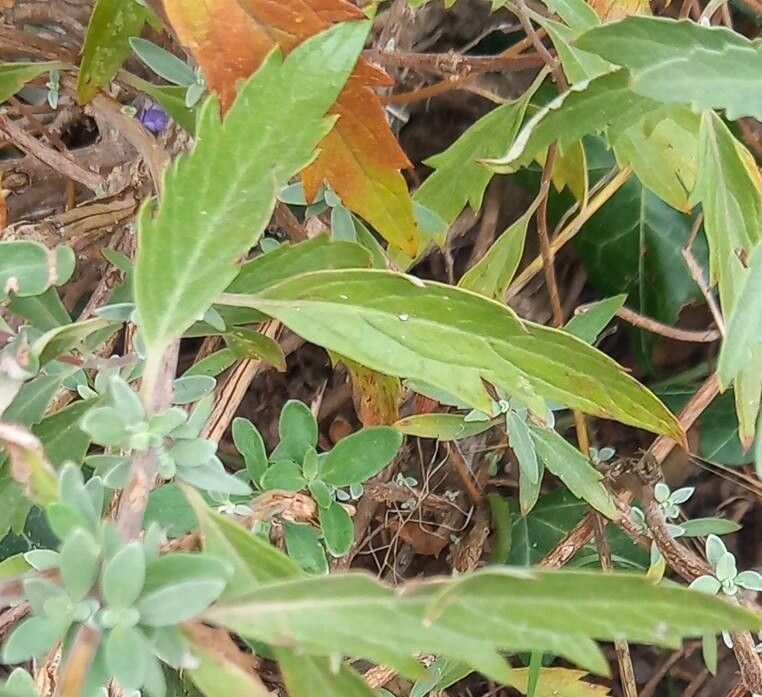
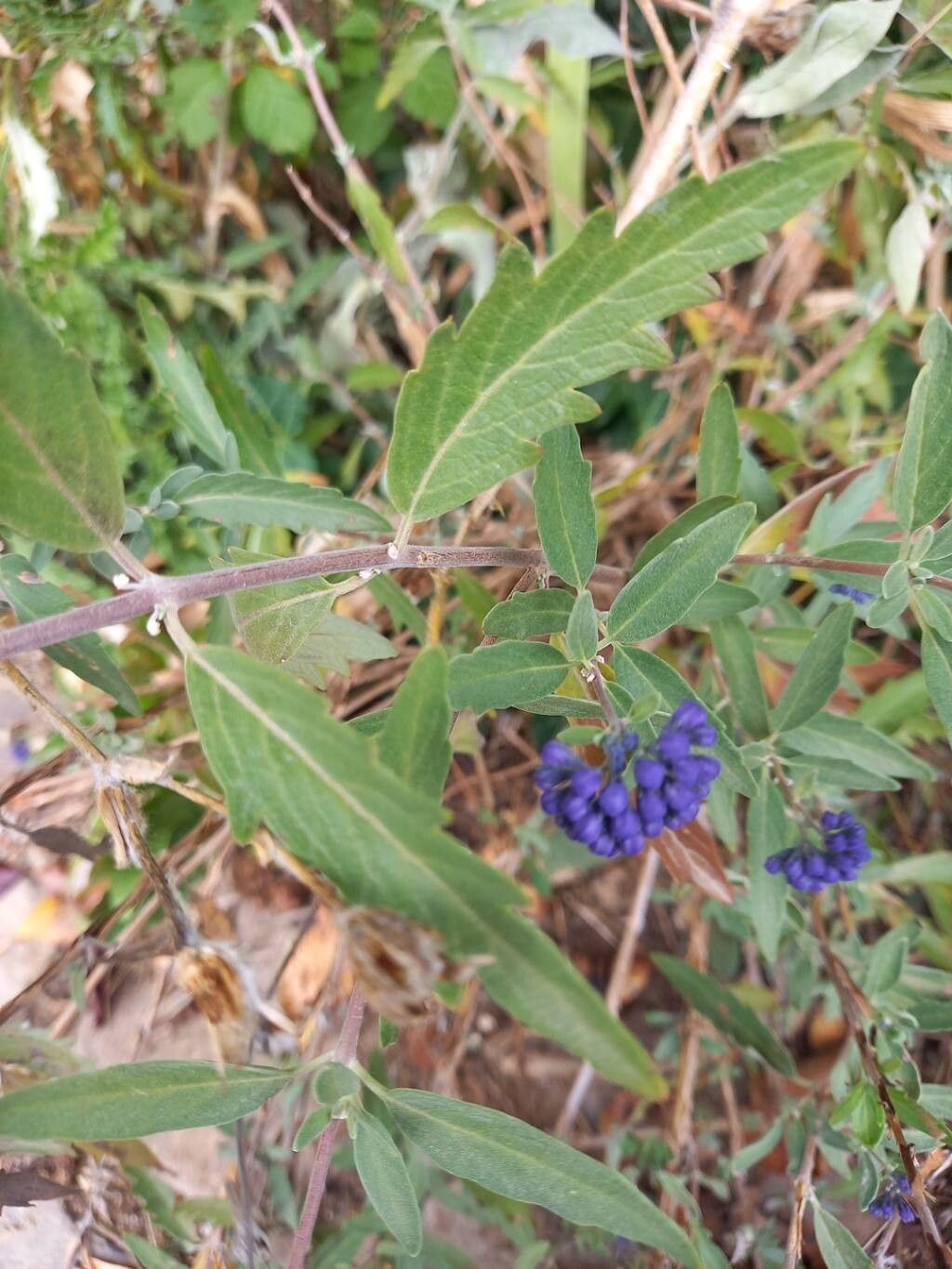
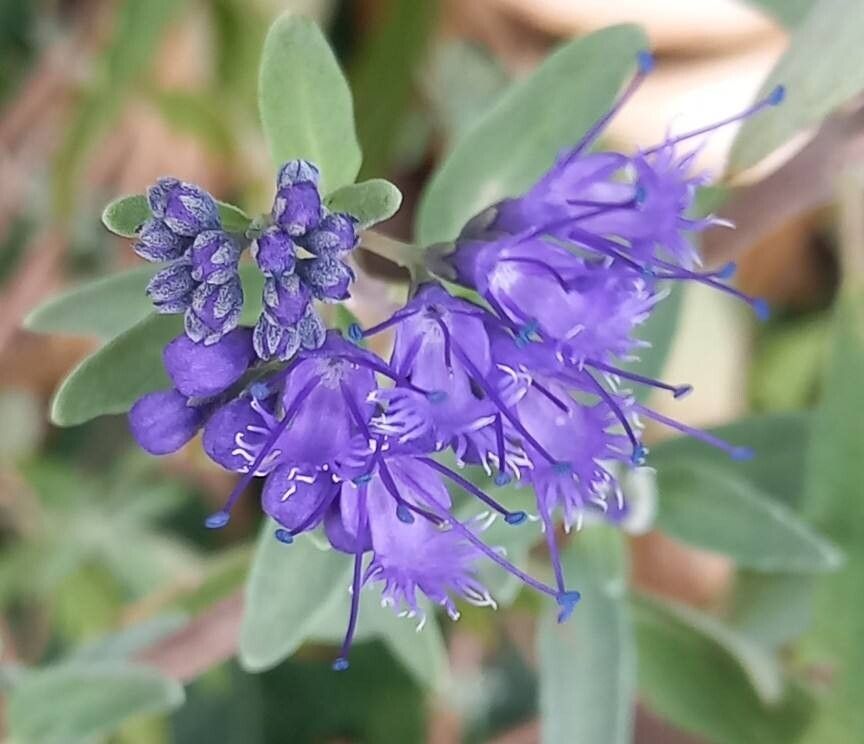
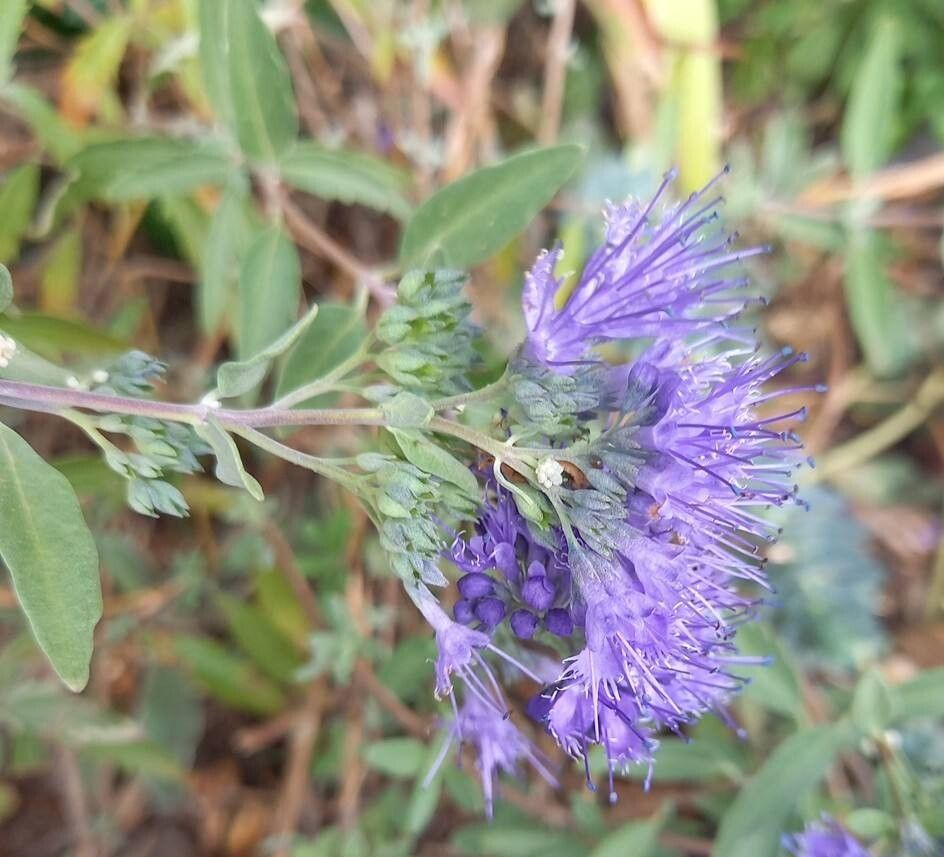
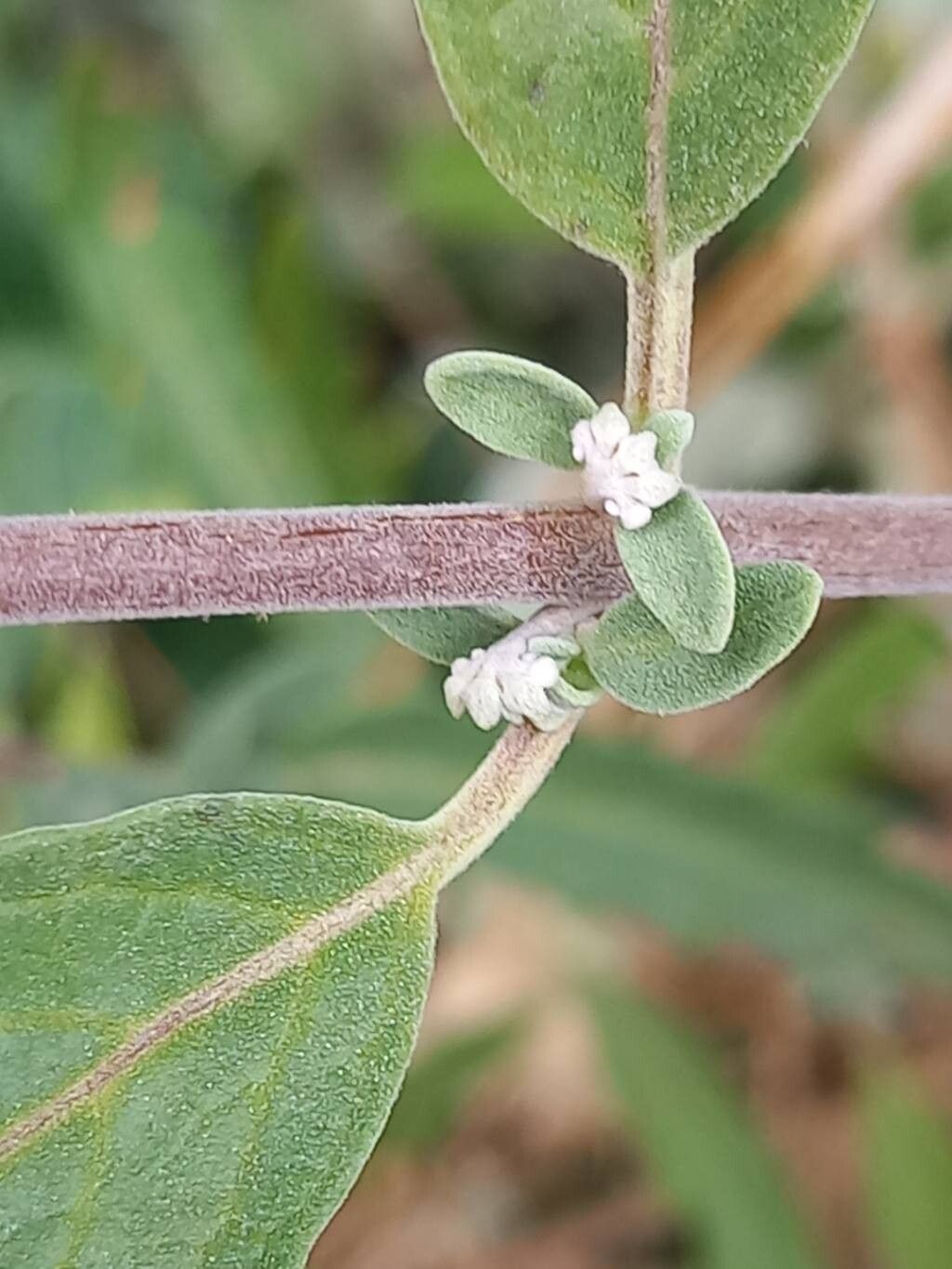
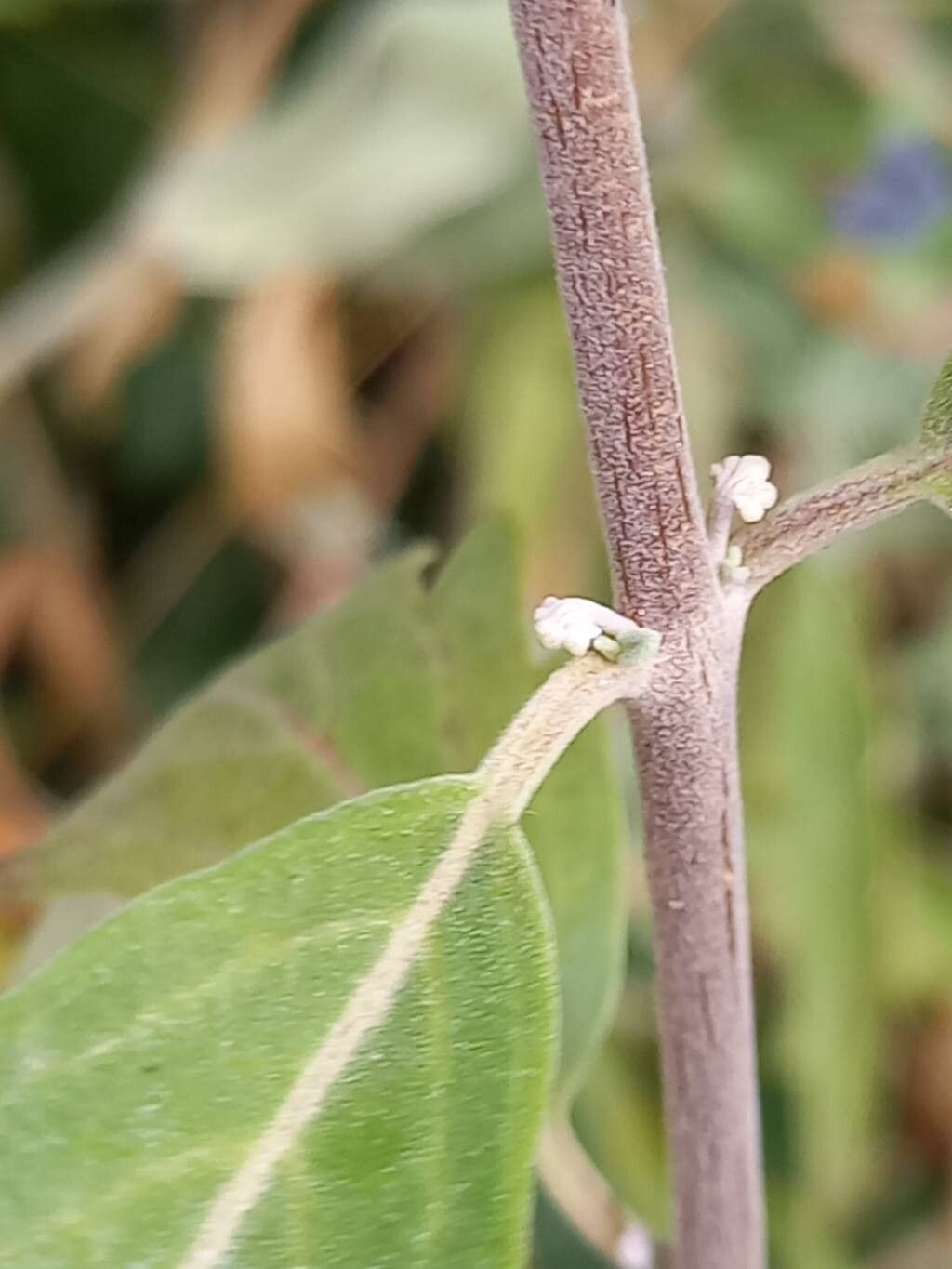
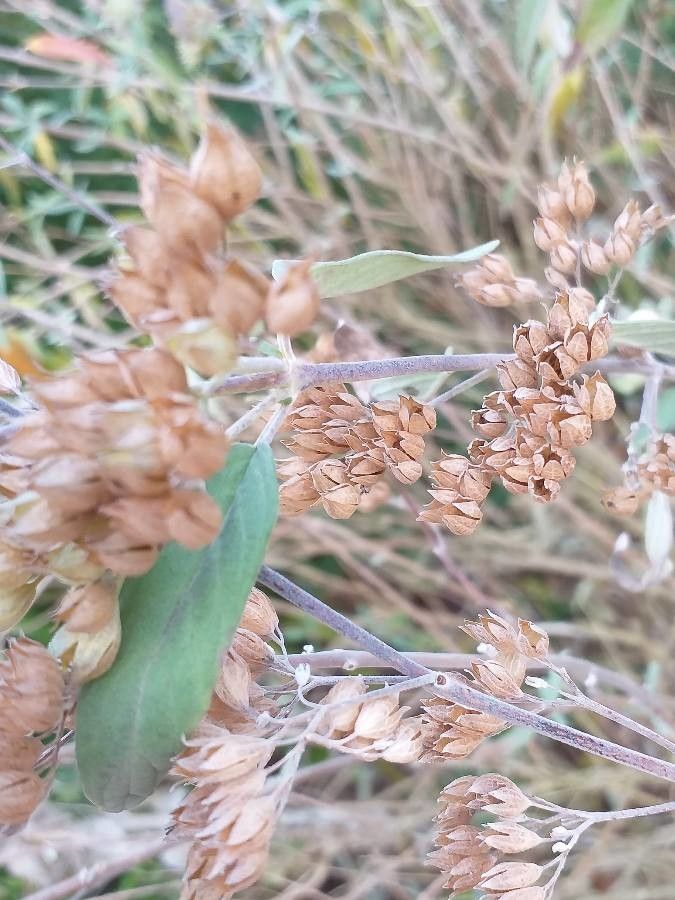
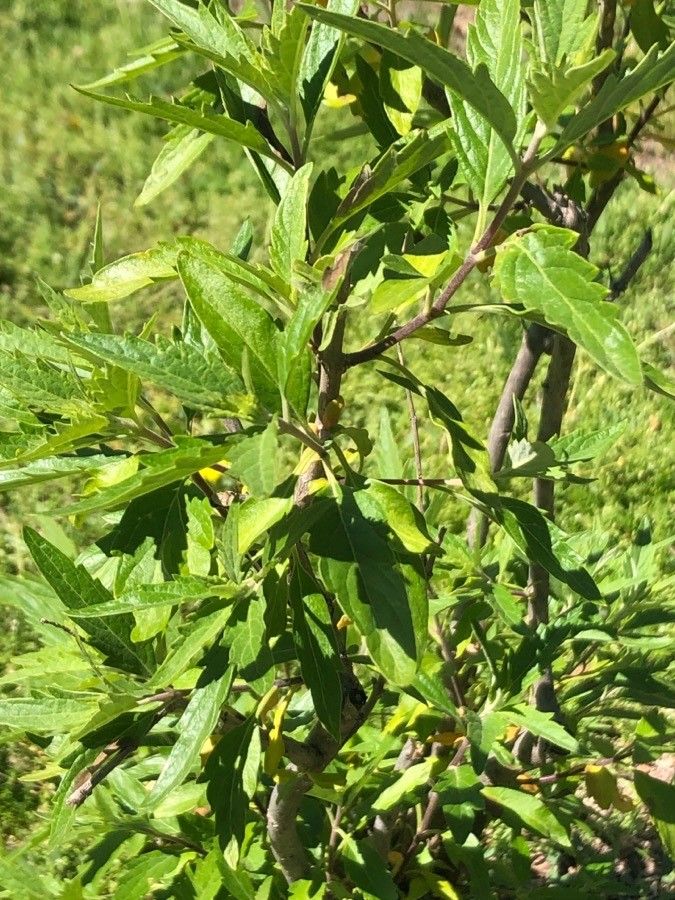
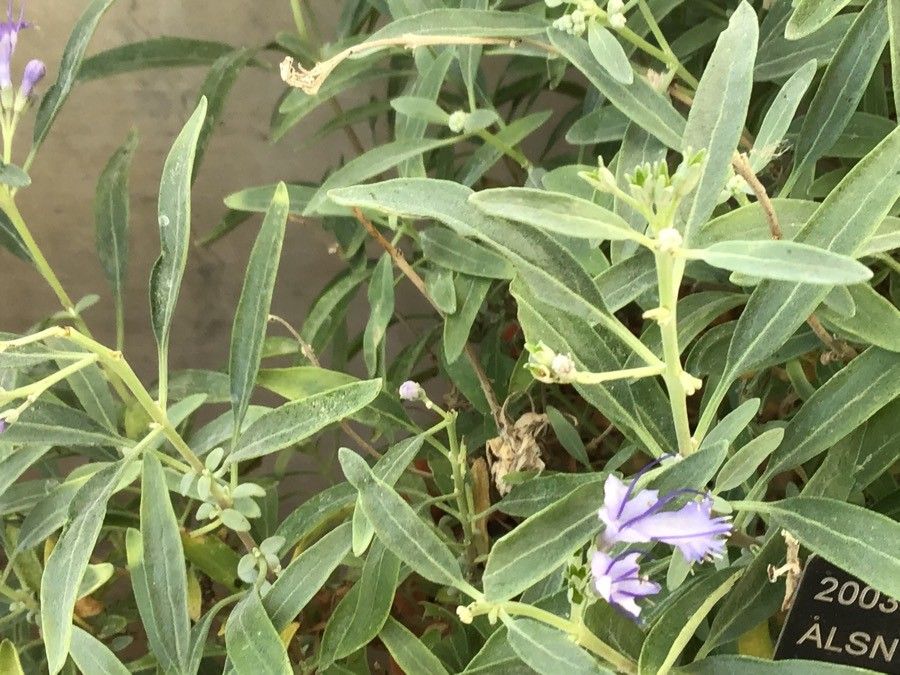
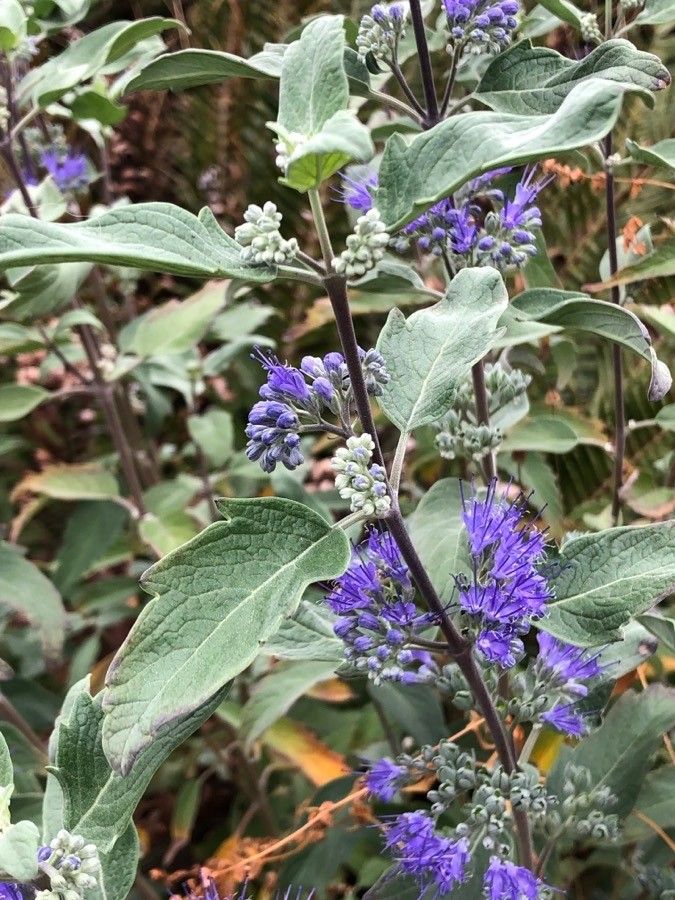
Caryopteris is resistant to disease and generally not susceptible to illnesses. In terms of care, this plant is fairly low-maintenance. When grown outdoors it needs minimal watering, and larger plants usually do not require pruning. Smaller plants, however, should be pruned after they have bloomed. Caryopterist is suitable for anyone with an outdoor area, such as a garden or deck, and does not require extensive care experience.
How to keep Caryopteris Ux Clandonensis.
Light
Caryopteris performs best in full sun but can tolerate some shade. Native to sunny regions, the plant depends on abundant light for vigorous growth. Both too little and too much sunlight can result in poor development and discoloration. Its light requirements remain largely unchanged through different growth stages.
Water
Caryopteris, a plant native to East Asia, thrives in well-drained soil and demonstrates moderate drought tolerance. It benefits from deep watering every 1 to 2 weeks, allowing the soil to dry out slightly between waterings. During hot weather, applying mulch helps retain moisture and encourages vibrant blooms.
Temperature
Caryopteris is highly adaptable to a wide range of climate conditions, from blazing summers to freezing winters. Nonetheless, it has a preferred temperature range for healthy growth. When temperatures become too high, the plant can suffer from heat and humidity stress, which may lead to its death. In areas where temperatures near the lower limit of its cold tolerance, it is necessary to use insulation measures to protect the plant.
Fertilizer
The timing of fertilizing Caryopteris is important. Apply fertilizer in early spring and continue once a month until early summer. Fertilizer promotes attractive blooms and supplies energy during both dormant and active growth phases.
Pruning
Caryopteris benefits greatly from annual pruning done between early and late winter. This process involves removing dead branches to promote new growth. To encourage bushiness and an abundance of blooms, trim the stems to just a few inches above the ground. Regular pruning also improves air circulation and reduces the risk of disease. For optimal plant health, always use clean, sharp tools.
Pot & Repot
Repot your caryopteris every 2-3 years in the spring, just before new growth begins. Choose a pot that is slightly larger than the root ball to encourage moderate growth. After repotting, keep the soil consistently moist and place the plant in bright, indirect light. This will help ensure a smooth transition and promote healthy blooming.
Botanical profile.
- Plant Type
- Shrub
- Life Cycle
- Perennial
- Genus
- Caryopteris
- Family
- Lamiaceae
- Hardiness Zone
- 5-9
- Mature Height
- 61 cm to 91 cm
- Mature Spread
- 61 cm to 91 cm
- Leaf Color
- Green, Yellow, Variegated, Gold, Silver
- Leaf Type
- Evergreen, Deciduous
- Flower Color
- Purple, Blue, Pink
- Flower Size
- 0.51 cm to 1.02 cm
- Bloom Time
- Mid summer
- Planting Time
- Spring, Autumn
- Harvest Time
- Mid summer, Late summer
Other names.