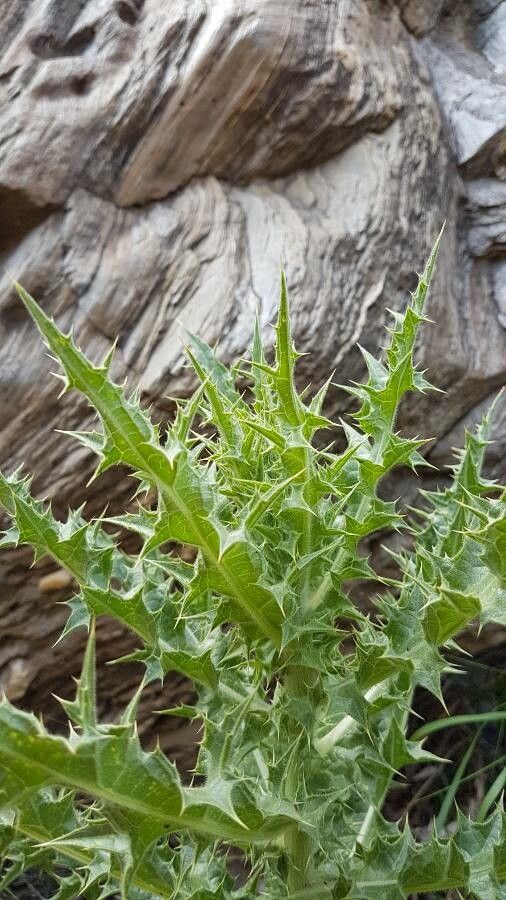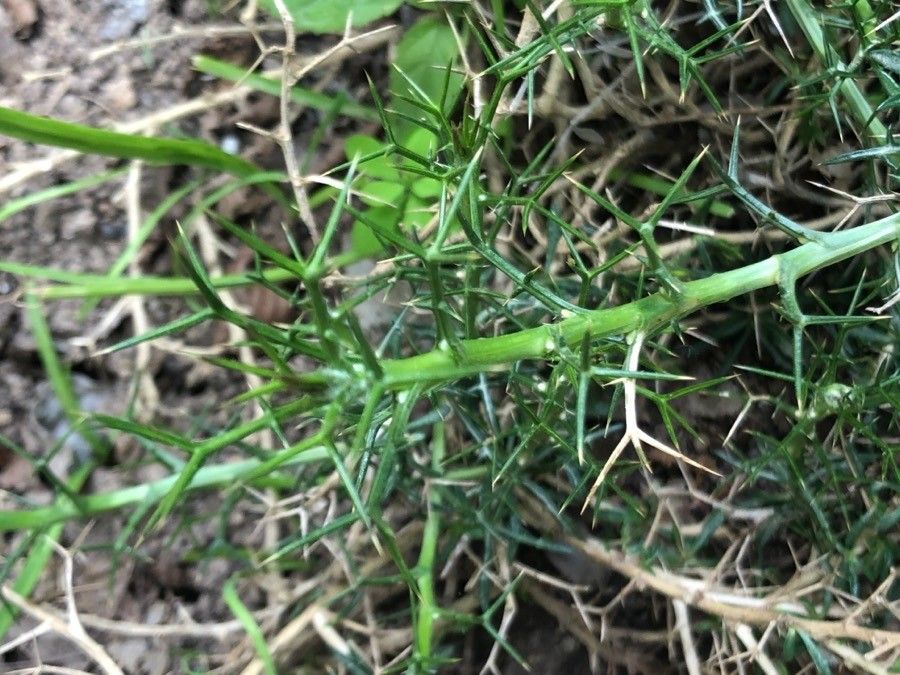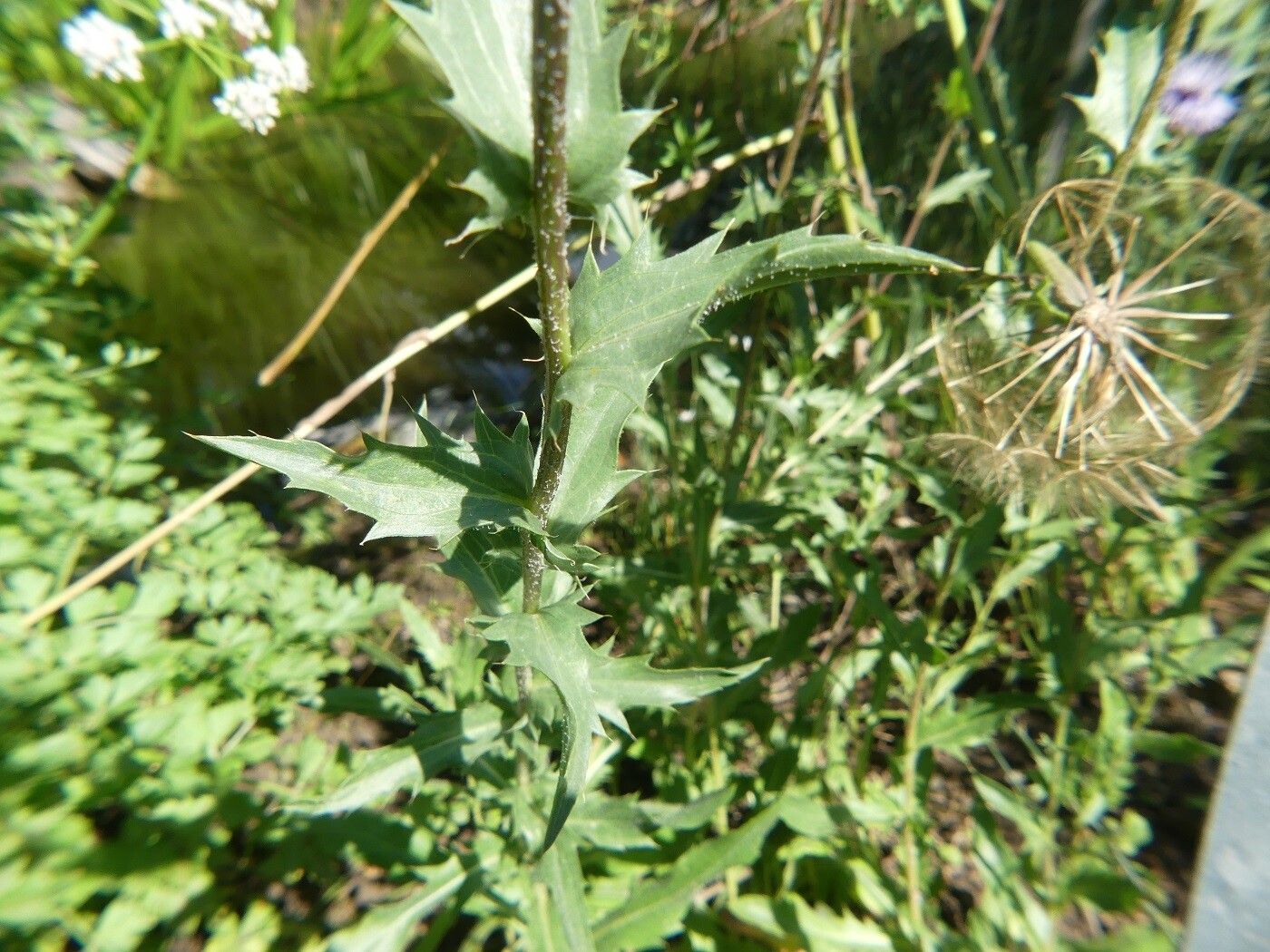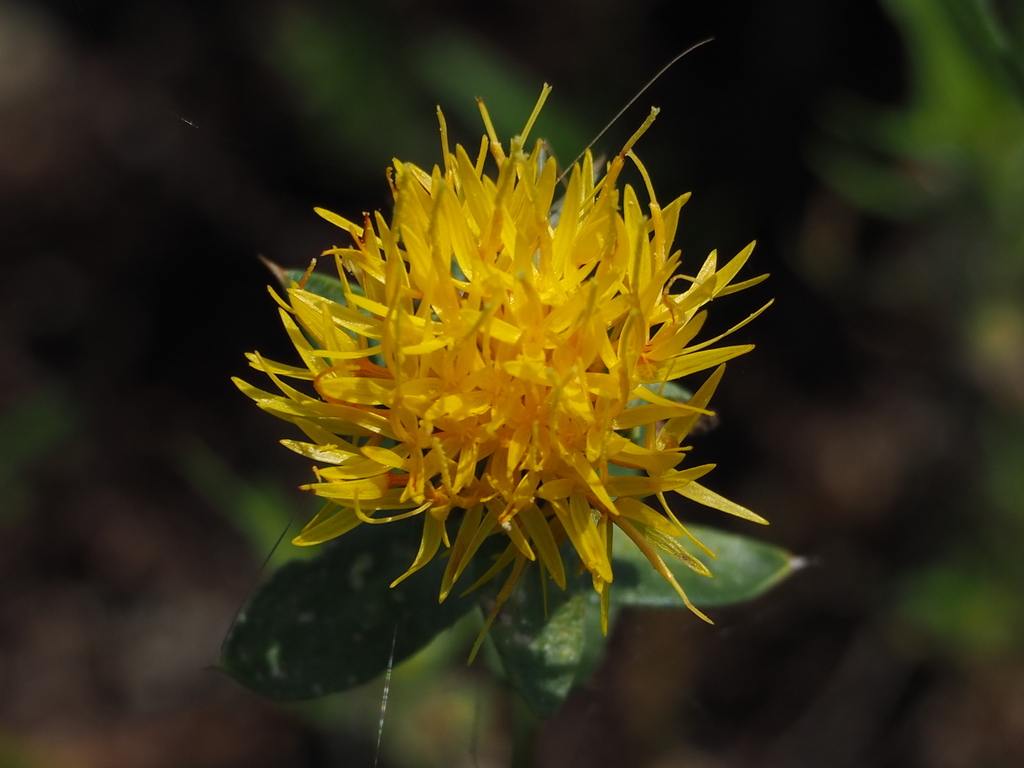
Carthamus tinctorius, commonly known as safflower, is an annual plant that belongs to the Asteraceae family. Native to the Middle East, it has been cultivated for thousands of years for its oil and dye. The plant grows to a height of 1 to 1.5 meters, featuring spiny leaves and bright yellow or orange flowers that bloom in the summer.
Safflower oil, extracted from the seeds of the plant, is rich in unsaturated fatty acids, which makes it a popular ingredient in cooking oils, salad dressings, and cosmetics. Additionally, the dried flowers are used as a natural dye for textiles.
In traditional medicine, safflower has been used to treat various ailments such as fever, coughs, menstrual disorders, and cardiovascular diseases due to its anti-inflammatory properties.
Safflower cultivation requires well-drained soil with a moderate water supply in warm climates. It is commercially grown in many countries, including India, China, Mexico, Argentina, and Australia, among others.
Overall, Carthamus tinctorius, or safflower, holds significant importance due to its various uses ranging from the food industry to medicinal purposes, making it an important crop worldwide.
Safflower is fairly disease-resistant and typically does not suffer from illnesses. Still, it can be affected by pests and diseases present in its surroundings. Such infections are generally mild. In terms of care, the plant requires moderate maintenance. Regular pruning is needed to preserve its appearance and support healthy growth. Fertilizing can also encourage flowering. Safflower is suitable for anyone with outdoor space, such as a garden or patio, and does not demand extensive care experience. It may need more attention when grown indoors.
How to keep Carthamus Tinctorius.
Light
Safflower performs best with ample daily sunshine, though it can tolerate stretches of diminished light. Its native habitat endowed it with that adaptive resilience. Still, too little or too much light can disrupt healthy growth, resulting in reduced vigor or burned foliage.
Water
Safflower flourishes in arid environments and favors dry conditions. This drought-tolerant plant requires weekly watering to maintain optimal health. Its resilience makes safflower ideal for outdoor cultivation, as it benefits from natural rain cycles and the changing seasonal temperatures that influence water needs.
Humidity
This plant will thrive in moderate humidity, which is probably the level in your home. However, misting it a few times a week can be very beneficial. Make sure the room has good ventilation.
Temperature
Safflower performs best in native temperatures between 68 and 100.4°F (20 to 38℃). Adjustments to reproduce these conditions are necessary, especially in cooler seasons, to ensure optimal plant growth.
Fertilizer
Safflower benefits from regular, light feedings of fertilizer to encourage healthy leaf growth. You should feed Safflower about once a month during the summer. Nitrogen is vital for foliage, and adding nitrogen-rich sources helps Safflower thrive.
Pruning
Safflower is known for its vibrant flowers and medicinal benefits. To promote healthy growth, improve airflow, and shape the plant, it’s best to prune it from early to late spring. Be sure to remove any weak stems, as this will enhance both flowering and seed production. Regular pruning also helps prevent diseases and pests, resulting in a more robust yield.
Pot & Repot
When repotting safflower, choose a pot that is 1-2 inches (2.5–5.1 cm) larger in diameter and has good drainage. Use a well-draining potting mix, and consider adding perlite for extra drainage. Repot in spring or early summer, water thoroughly afterward, and place it in a shady spot at first.
Botanical profile.
- Plant Type
- Herb
- Life Cycle
- Annual, Perennial, Biennial
- Genus
- Carthamus
- Family
- Asteraceae
- Hardiness Zone
- 2-11
- Mature Height
- 61 cm to 91 cm
- Mature Spread
- 30 cm
- Leaf Color
- Green
- Leaf Type
- Deciduous
- Flower Color
- Yellow, Orange
- Flower Size
- 2.03 cm to 4.06 cm
- Bloom Time
- Early summer, Mid summer
- Planting Time
- Spring, Summer
- Harvest Time
- Mid summer
- Native Area
- Saudi Arabia, Libya, Tajikistan, Turkey, Tunisia, Armenia, Yemen, Ukraine, Lebanon, Uzbekistan, Russia, Syria, Oman, Iran, Azerbaijan, Algeria, Moldova
Other names.
Reader questions.
How should I water my Safflower plant?
To water Safflower, there are various tools you can use such as a garden hose with a spray nozzle or a watering can. Safflower is not too fussy about their water source and can thrive on rainwater, tap water, or filtered water. It is best not to water this plant from above as it can harm the leaves and flowers and potentially cause disease. Using a drip irrigation system is often the most effective way to water Safflower, as it delivers water evenly and directly to the soil. If you have a Safflower plant in a container, you can still use a similar watering technique, but you may need to switch to a cup, watering can, or even just your tap to water the soil directly.
Why do I have to add fertilizer to my Safflower plant?
Plants require nutrients to grow, but some plants, including safflower, can obtain these nutrients naturally without needing any additional fertilizers. Safflower, like other plants, relies on nutrients to support its growth and internal processes. The main nutrients that plants require (nitrogen, phosphorus, and potassium) each contribute to different essential functions. In the case of foliage growth, nitrogen plays the most significant role. However, safflower may struggle to obtain enough nitrogen from the soil alone, which is why some gardeners choose to supplement it with a nitrogen source.
What are the sunlight requirements for growing Safflower?
Safflower requires full sunlight to thrive, which means it should receive above 6 hours of sunlight daily. However, it can also tolerate partial sun, needing about 3-6 hours of sunlight. It's important to observe the movement of sunlight through your garden to find the ideal spots that offer a suitable balance of light and shade, ensuring the well-being of your plants.
What are the optimal growing conditions for Safflower (Carthamus tinctorius)?
Safflower (Carthamus tinctorius) thrives in temperatures ranging from 68 to 100.4°F (20 to 38°C), which are conditions native to its growth. It demonstrates strong cold resistance, making it unnecessary to take special frost protection measures in winter, except in extreme conditions where temperatures might fall below -40°C. In such cold conditions, it's advised to cover the plant with protective materials like soil or straw. Additionally, before the onset of the first freeze in autumn, watering the plant abundally to ensure the soil is moist can help protect against drought and water scarcity in winter and early spring.
What should I do if I give my Safflower plant too much or too little water?
If you notice that your Safflower plant is lacking moisture, the solution is simple - water it more frequently. However, overwatering can be a serious problem if not addressed early. Overwatered Safflowers can become diseased and eventually die. To prevent this, choose a location for your Safflower that receives plenty of sunlight and has good drainage to avoid waterlogged soil. If you have overwatered a potted Safflower, consider changing to a new pot with better drainage and loose soil.
When should I fertilize my Safflower?
Safflower generally grows well, but to give it a boost while it's actively growing, you can apply fertilizer about once a month. It's important to only fertilize safflower during the spring and summer months when it's more active and requires more nutrients. You can tell it's time to start fertilizing when you see signs of new growth. The fertilization schedule remains the same whether safflower is grown outside or in a container indoors. However, if your safflower is in a container, you may not need to fertilize for the first one to two months. Container potting soil already contains enough nutrients, so you should only start fertilizing after your plant has been in the same soil for some time.
What are the essentials for Safflower growth regarding sunlight?
Safflower is adaptable and thrives well in considerable daily sunshine, but also has the resilience to withstand periods of less abundant sunshine. Despite its tolerance, both a deficit and excess of sunlight can negatively impact its growth, leading to symptoms such as weakened vitality or scorched foliage. For indoor plants, adequate lighting is crucial, especially when natural sunlight is insufficient. Artificial lights, particularly LED lights, can be used to provide the necessary wavelengths of light, with full sun plants requiring 30-50W/sq ft, partial sun plants needing 20-30W/sq ft, and full shade plants requiring 10-20W/sq ft. The light source should be placed 12-36 inches above the plant, with a duration mimicking natural daylight hours, generally 8-12 hours per day.
How does Safflower respond to low temperatures, and what measures should be taken?
Safflower is cold-tolerant, ideally thriving in temperatures above 20°C and requiring protection when winter temperatures drop below 0°C. Its resilience to cold means it usually doesn't exhibit noticeable changes during winter, but temperatures falling below -40°C may lead to a decrease in sprouting or a complete lack of sprouting come spring. To manage this, it's recommended to remove any parts of the plant that fail to sprout in spring.
How frequently should I water my Safflower?
To keep your safflower plant healthy, it is important to water it regularly throughout the growing season. In spring, watering once a week should suffice. As the weather gets warmer, you may need to increase the frequency to two or three times per week. However, it is crucial not to over-water, as that can be harmful to the plant. It is also important to ensure that the soil remains moist but not overly wet. When it comes to safflower plants in pots, the watering needs are a bit different. Potted plants tend to dry out faster, so watering a few times per week is usually necessary. In comparison, in-ground plants can be watered just once per week.
When is it not a good idea to fertilize my Safflower?
To ensure proper care for your Safflower, avoid fertilizing it if it is unhealthy, such as when it has a disease or insect pests. Additionally, it is not advisable to fertilize a dehydrated plant, as the fertilizer could exacerbate this issue. Instead, focus on fertilizing only healthy plants. When watering, take care not to splash fertilizer onto the leaves or stem, as this can cause burned spots. It is important to prevent direct contact between the fertilizer and the plant, unless you are using a specialized fertilizer designed for foliage application.
What are signs of inadequate sunlight exposure in Safflower?
When Safflower is grown indoors or in conditions of inadequate light, it may exhibit symptoms such as smaller new leaves, leggy or sparse growth, faster leaf drop, slower or halted new growth, lighter-colored new leaves, chlorosis (yellowing of leaves), sunscald, leaf curling, wilting, and leaf scorching. These symptoms indicate the plant is not receiving enough light to maintain healthy growth and photosynthesis.
How does Safflower respond to high temperatures, and what corrective actions should be taken?
During the summer months, it's crucial to keep Safflower's environment below 38°C. Exposure to temperatures above 43°C can cause the plant's leaves to lighten in color, become prone to curling, susceptible to sunburn, and in severe cases, result in the wilt and dry-out of the entire plant. To counteract these effects, sunburned and dried parts should be trimmed away. Additionally, moving the plant to a shadier location or utilizing a shade cloth to protect it from the midday and afternoon sun is beneficial. Ensure to water the plant in the morning and evening to maintain soil moisture.