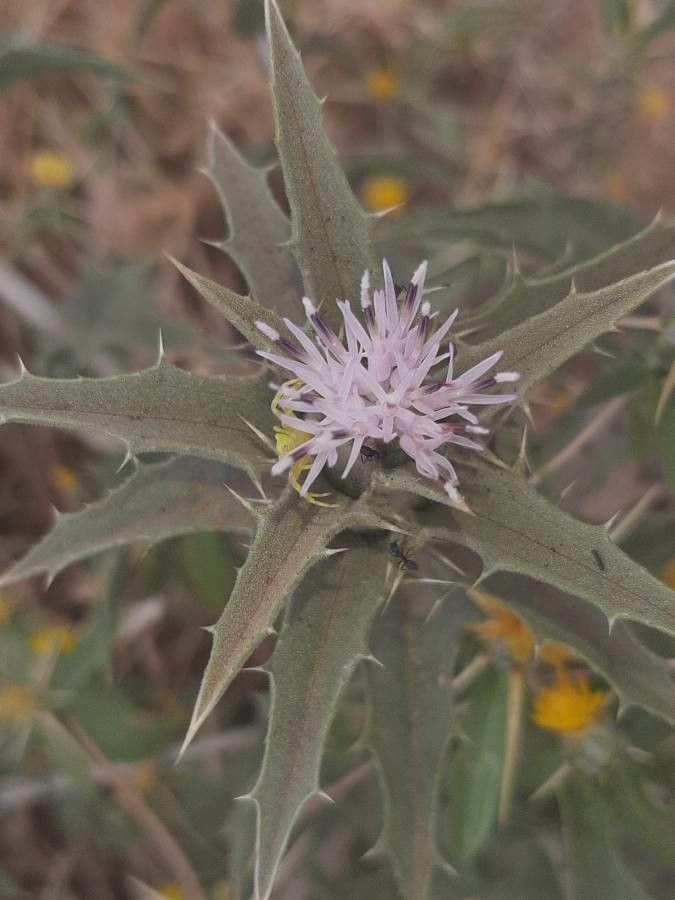
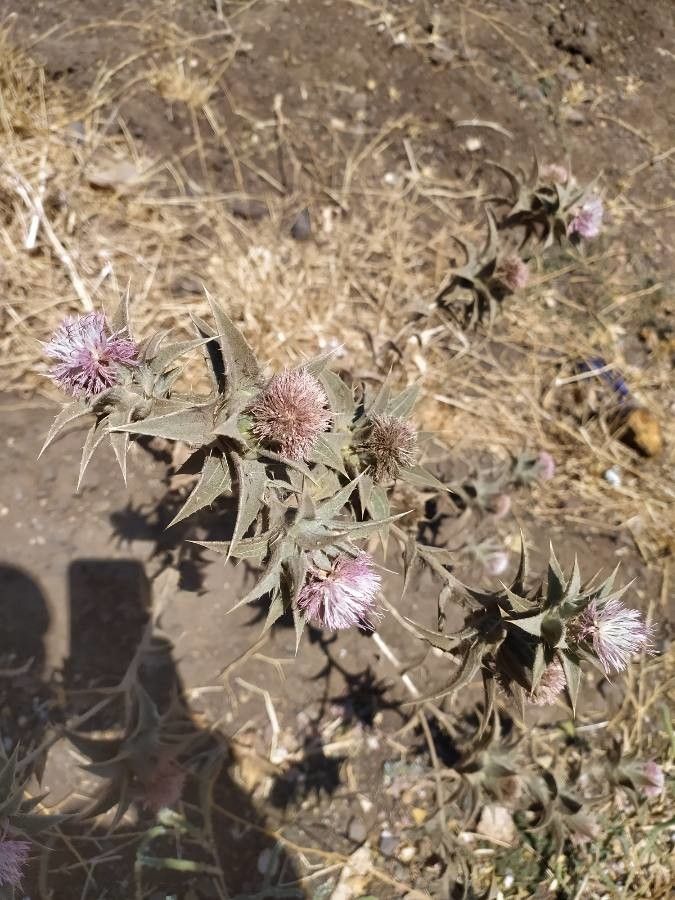
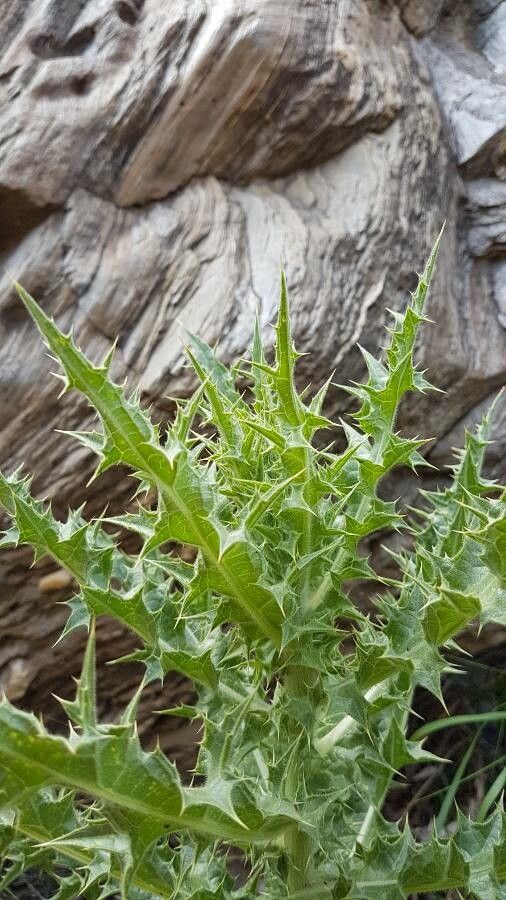
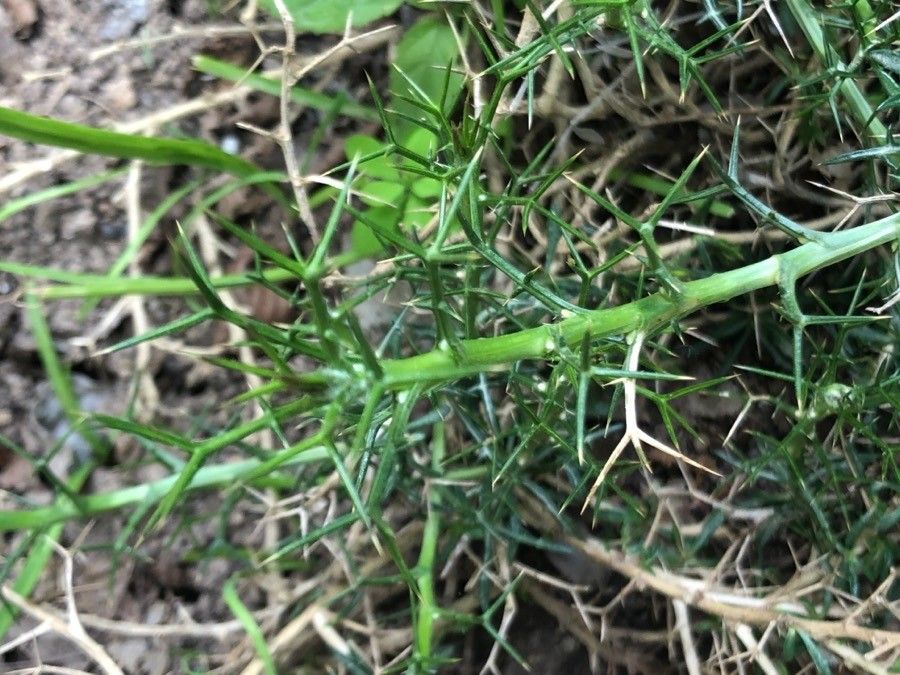
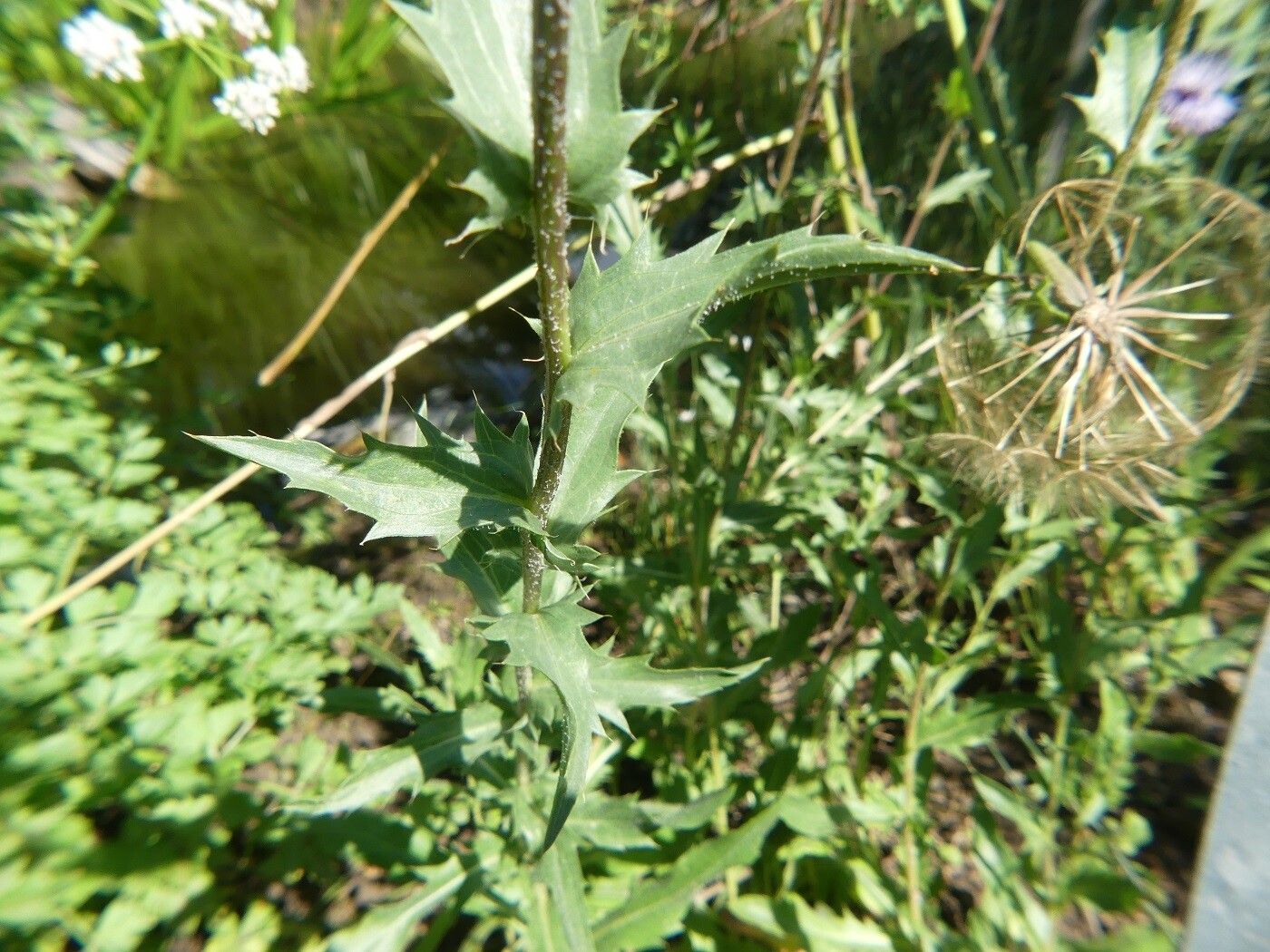
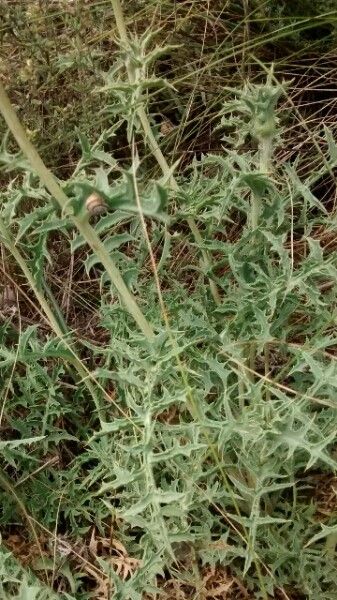
Carthamus glaucus, the glaucous star thistle, is a species of plant in the family Asteraceae. It is found in Israel, Lebanon and Egypt. It is also reported as an invasive species in Victoria, Australia. It is parasitized by Cuscuta babylonica.
Glaucous star thistle is fairly resistant to disease and typically does not suffer from illnesses. However, it can be affected by pests and pathogens present nearby. These outbreaks are usually mild. Regarding care, the plant needs moderate maintenance. It should be pruned regularly to keep a neat appearance and support healthy growth. Fertilizing can also encourage flowering. Glaucous star thistle is a good choice for anyone with outdoor space, such as a garden or patio, and does not demand extensive gardening experience. When grown indoors, it may need extra care.
How to keep Carthamus Glaucus.
Light
Glaucous star thistle comes from bright, open habitats where it flourishes in full sun. It can tolerate partial sun but favors direct sunlight for optimal growth. This annual and biennial plant is known for its sun-loving nature.
Water
The glaucous star thistle is native to arid regions and is highly drought-tolerant, requiring only minimal watering—about twice a week. It thrives in well-drained soil and is low-maintenance, making it an excellent choice for xeriscaping and outdoor cultivation in dry environments.
Temperature
Glaucous star thistle can tolerate a wide range of temperatures, but its distribution may still be constrained by particular combinations of moisture and heat. It does best in warm summer climates with sufficient rainfall or watering. Extended periods of cloudy, rainy weather, as well as prolonged high temperatures, can increase the likelihood of Glaucous star thistle dying. In winter, protecting the plant from cold can improve its chances of survival.
Fertilizer
Glaucous star thistle does well with regular, dilute applications of fertilizer to encourage healthy leaf development. You should apply fertilizer to Glaucous star thistle about once a month during the summer. Nitrogen is vital for foliage, and providing nitrogen-rich supplements helps Glaucous star thistle thrive.
Pruning
The glaucous star thistle is an attractive, drought-tolerant plant characterized by its spiny leaves and vibrant yellow flowers. To enhance its growth and flowering, it is important to prune the plant annually from early to late spring. Focus on removing dead branches and thinning out dense areas to improve air circulation and promote the plant's health, while also maintaining a manageable shape.
Botanical profile.
- Plant Type
- Herb
- Life Cycle
- Annual
- Genus
- Carthamus
- Family
- Asteraceae
- Hardiness Zone
- 7-10
- Mature Height
- 49 cm to 91 cm
- Mature Spread
- 20 cm to 40 cm
- Leaf Color
- Light Green
- Leaf Type
- Deciduous
- Flower Color
- Yellow
- Flower Size
- 1.02 cm to 1.52 cm
- Bloom Time
- Early summer, Mid summer
- Planting Time
- Spring, Summer
- Harvest Time
- Late summer, Early fall
Other names.
Reader questions.
What are the sunlight requirements for Glaucous star thistle (Carthamus glaucus)?
Glaucous star thistle, known botanically as Carthamus glaucus, thrives under specific sunlight conditions. To ensure its happiness and optimal growth, it requires full sun exposure, which equates to more than 6 hours of sunlight daily. Alternatively, it can also grow in partial sun, needing about 3-6 hours of sunlight each day. It's important to observe how sunlight moves through your garden throughout the day to select the perfect spot that provides a healthy balance of light and shade, which is crucial for the well-being of this plant.