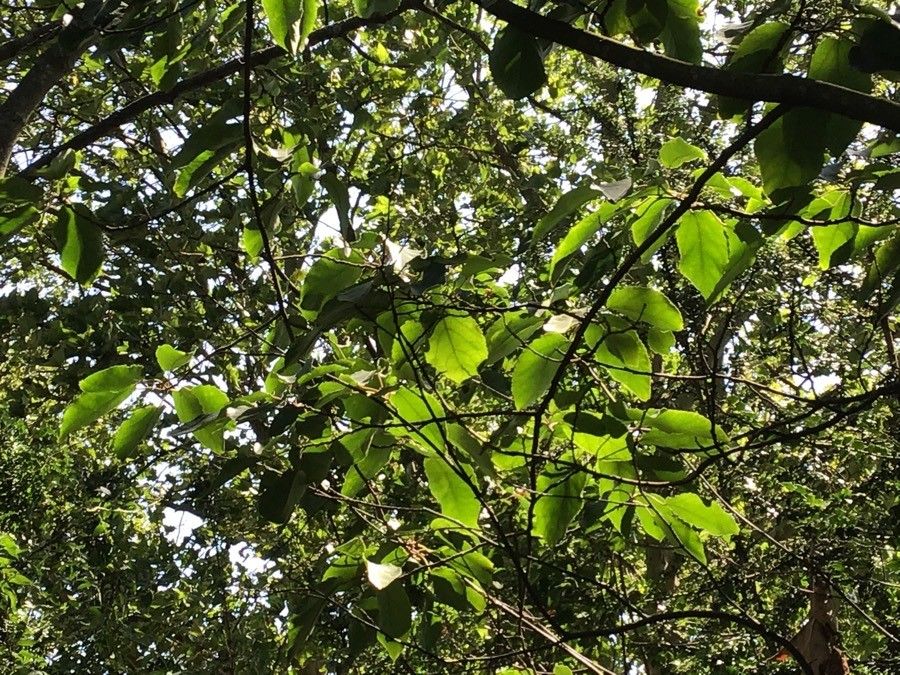
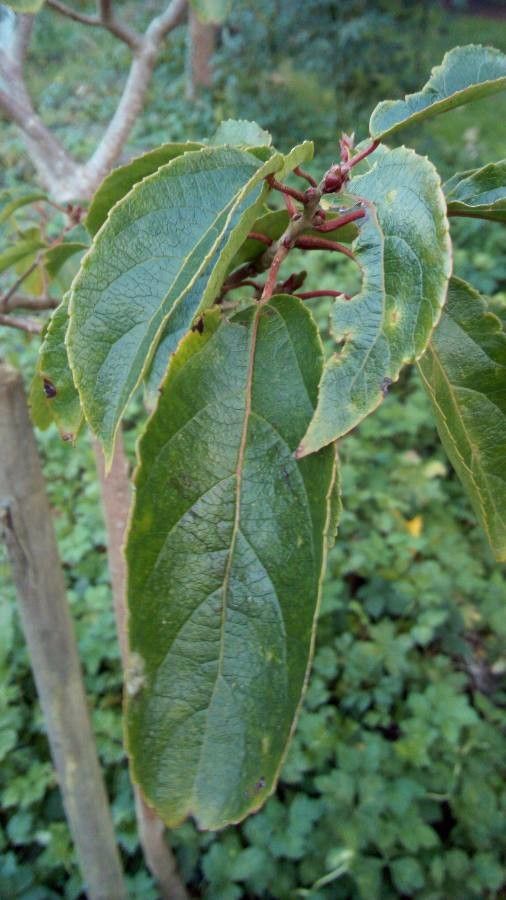
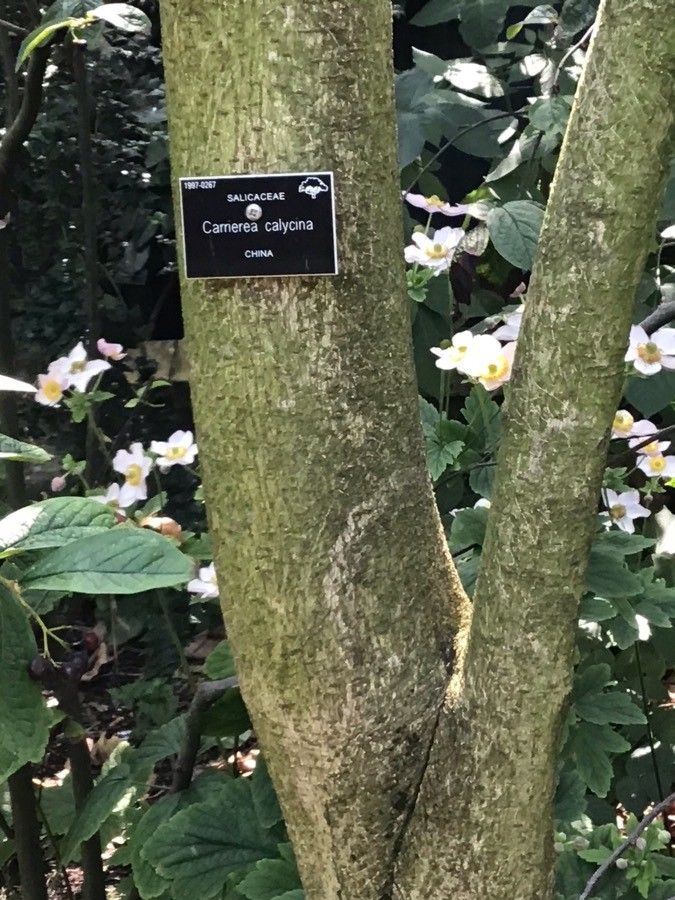
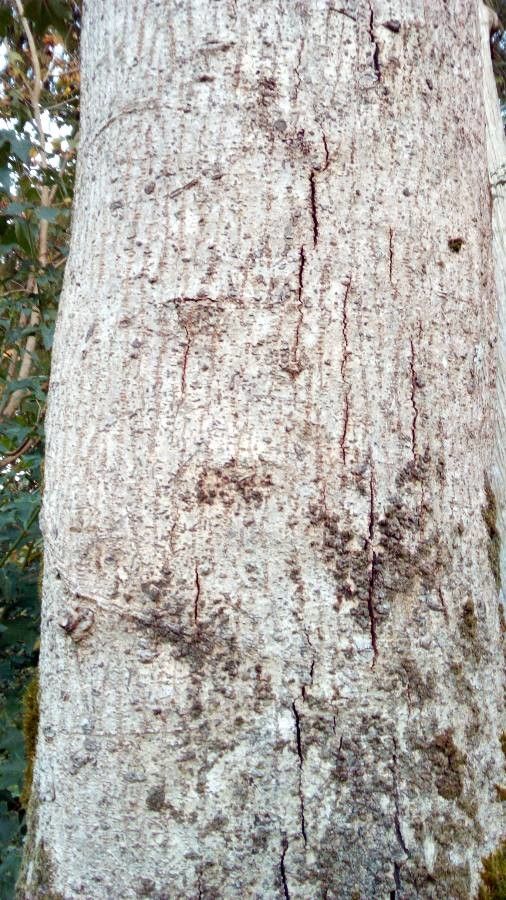
Carrierea calycina is a species of tree in the willow family. It is native to China. Common names include goat horn tree in English and yang jiao shu in Mandarin.
The goat horn tree is resistant to disease and is generally not susceptible to illnesses. In terms of care, this plant is fairly low-maintenance. When grown outdoors it needs minimal watering, and larger specimens typically do not require pruning. Smaller plants, however, should be pruned after they finish blooming. The goat horn tree is suitable for anyone with an outdoor area—such as a garden or deck—and does not demand much gardening experience.
How to keep Carrierea Calycina.
Light
Goat horn tree occurs naturally in habitats like forest understories and rocky sites, where it receives natural shade. It favors partial sun but can adjust to full sun or full shade, demonstrating its versatile and hardy nature.
Water
The goat horn tree, native to areas with clear wet and dry seasons, is moderately drought-tolerant. It thrives when watered every 2-3 weeks, preferring the soil to dry out slightly between waterings. Its growth cycles are influenced by rainfall patterns, needing less irrigation during its dormant period.
Temperature
The goat horn tree is native to temperate regions and performs best in temperatures between 32 and 95 °F (0 to 35 °C). In colder months, consider using controlled environments to replicate these conditions.
Fertilizer
Proper timing is essential when fertilizing the Goat horn tree. Begin fertilizing in early spring and continue monthly until early summer. Fertilizer promotes attractive blooms and supplies energy during both dormant and active growth periods.
Pruning
Pruning a goat horn tree in early spring improves air circulation and allows more light to penetrate by removing dead or diseased branches. Thinning out crowded areas promotes healthy growth, while pruning after flowering helps maintain the tree's shape and encourages blooms. Regular pruning not only reduces the risk of disease but also controls the tree's size, ensuring it thrives.
Botanical profile.
- Plant Type
- Tree
- Life Cycle
- Perennial
- Genus
- Carrierea
- Family
- Salicaceae
- Hardiness Zone
- 2-9
- Mature Height
- 7.92 m to 11.89 m
- Mature Spread
- 3.96 m to 7.92 m
- Leaf Color
- Green
- Leaf Type
- Semi-evergreen
- Flower Color
- White
- Flower Size
- 0.51 cm to 1.27 cm
- Bloom Time
- Early summer, Mid summer
- Planting Time
- Spring, Summer
- Harvest Time
- Late summer, Early fall, Mid fall
- Native Area
- China
Reader questions.
What is the native climate for Goat horn tree?
The Goat horn tree, botanically known as Carrierea calycina, thrives best in temperate climates. It prefers temperatures ranging from 32 to 95 °F (0 to 35 °C). To ensure its growth during the colder months, a controlled environment mimicking these conditions may be required, as this tree has strong cold resistance and usually doesn't need special frost protection measures in winter.
What should I do to protect the Goat horn tree in extremely cold winters?
For the Goat horn tree, special frost protection measures are not generally needed thanks to its cold resistance. However, in extreme conditions where winter temperatures are expected to drop below -40°C, it's important to protect the tree. This can be done by wrapping its trunk and branches with non-woven fabric or cloth. Additionally, watering the plant abundantly before the first freeze in autumn to ensure the soil remains moist and enters a frozen state can help prevent drought and water scarcity during winter and early spring.
What are the symptoms of the Goat horn tree in low temperatures?
The Goat horn tree displays remarkable cold tolerance, thriving best above 0°C and ideally being kept above -35°C during winter. If temperatures fall below -40°C, while there may not be immediate noticeable changes, come spring, the branches might become brittle and dry, and the tree could fail to produce new shoots. The recommended solution for this issue is to prune away any dead branches that have failed to produce new leaves in spring.
How does the Goat horn tree react to high temperatures?
During summer, the Goat horn tree should ideally be kept below 35°C. Temperatures exceeding 38°C can cause the leaves to lighten in color, with tips becoming dry and withered, making the plant more susceptible to sunburn. To address this, it’s advised to trim away the sunburned and dried-up parts, move the plant to a location with shade during midday and afternoon sun, or use a shade cloth. Additionally, watering the plant in the morning and evening to keep the soil moist will help manage the high temperature stress.