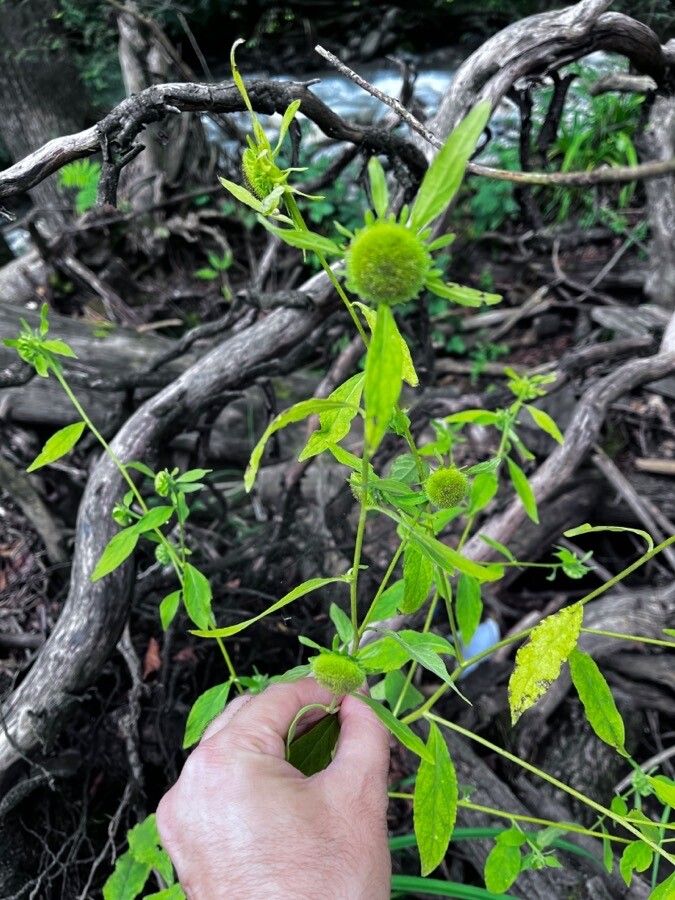
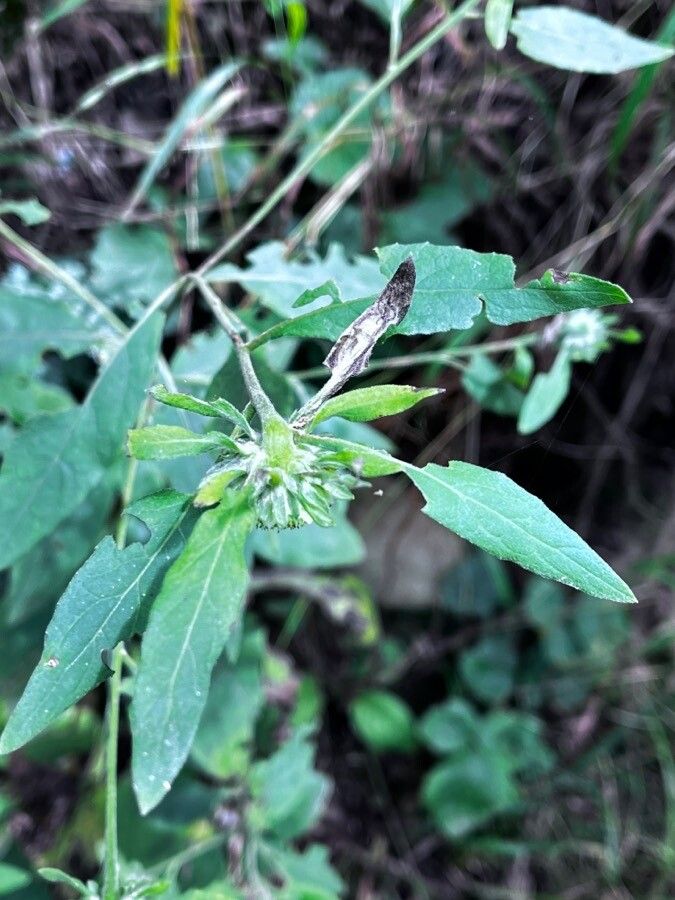
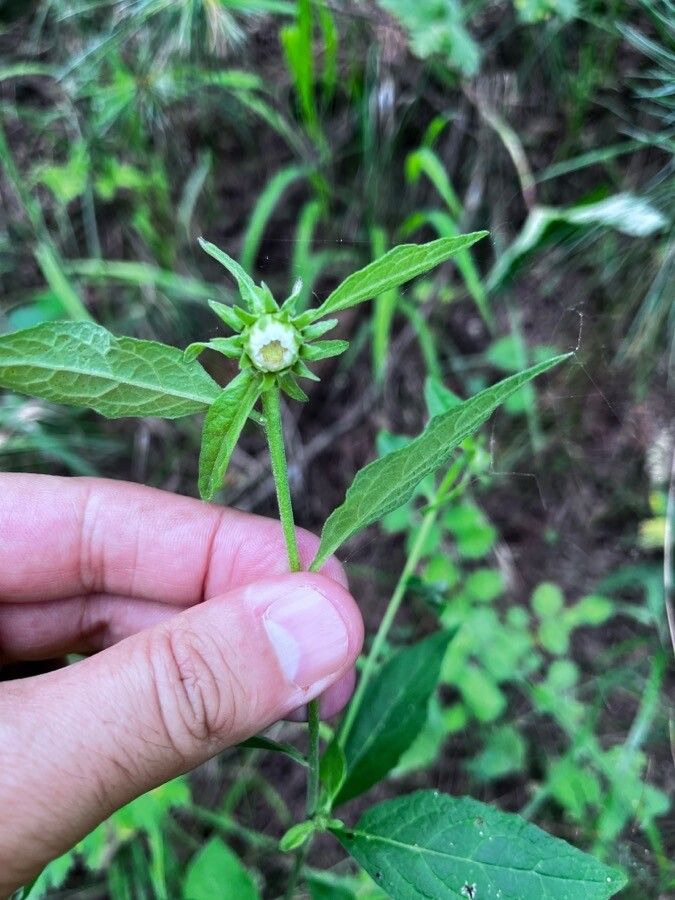
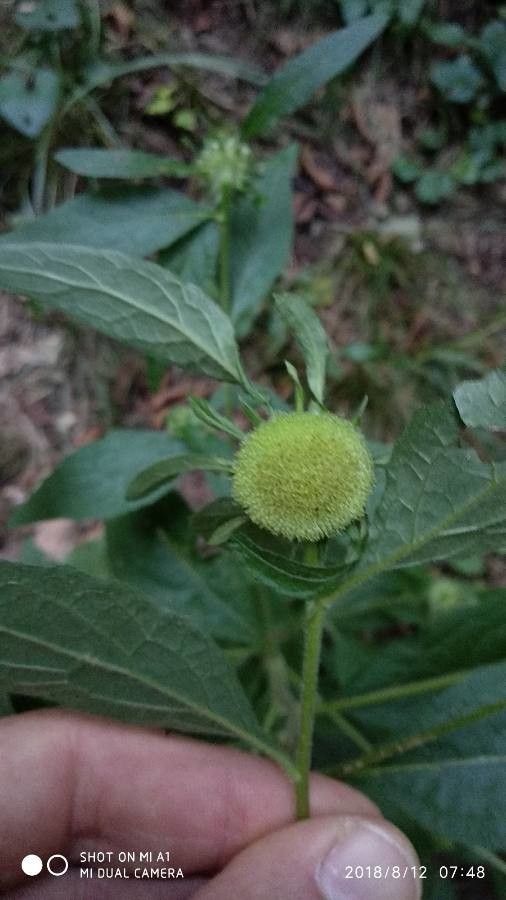
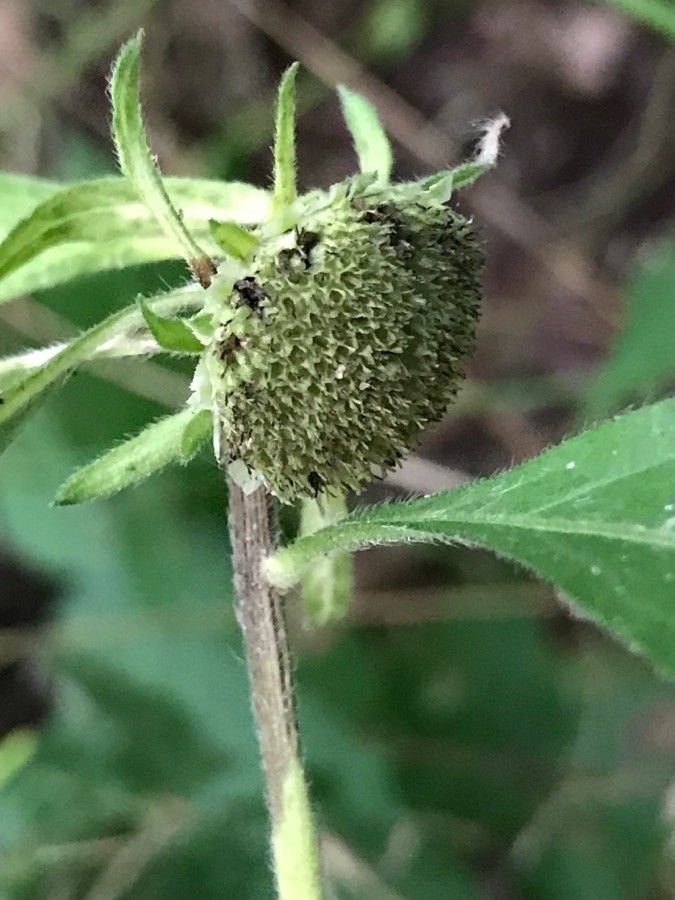
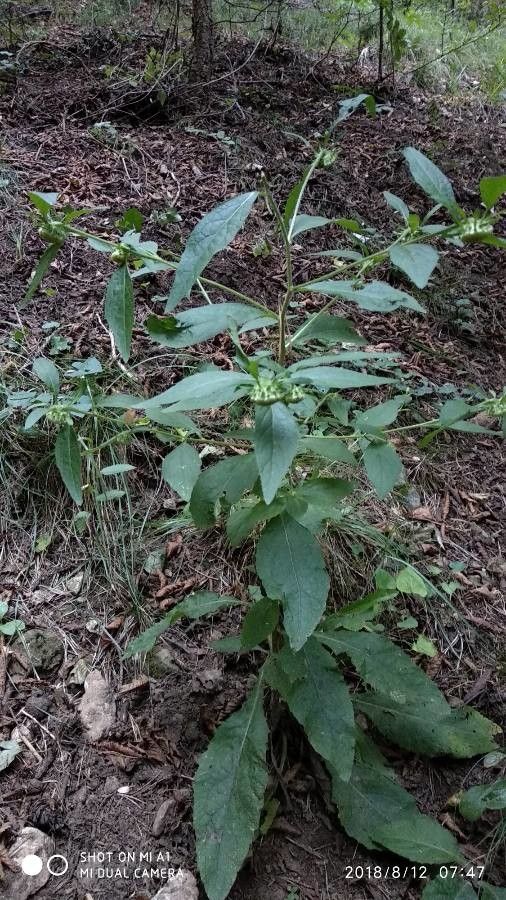
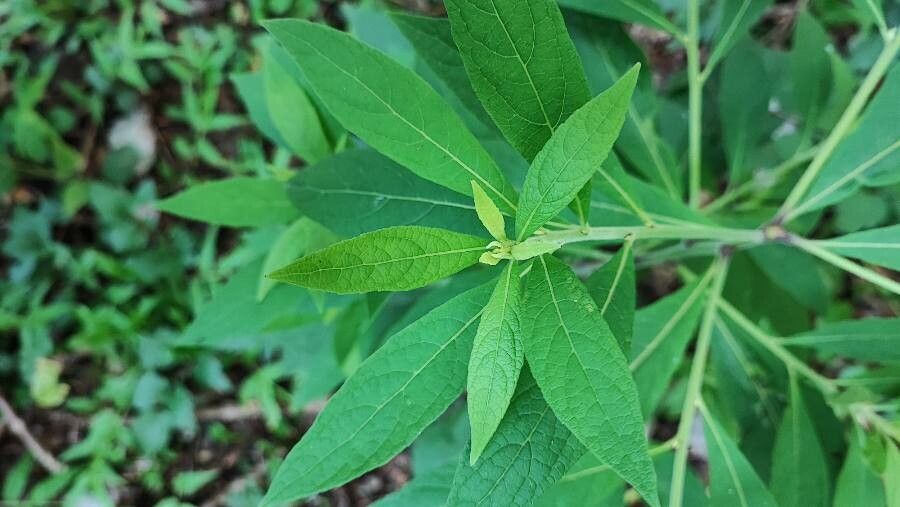
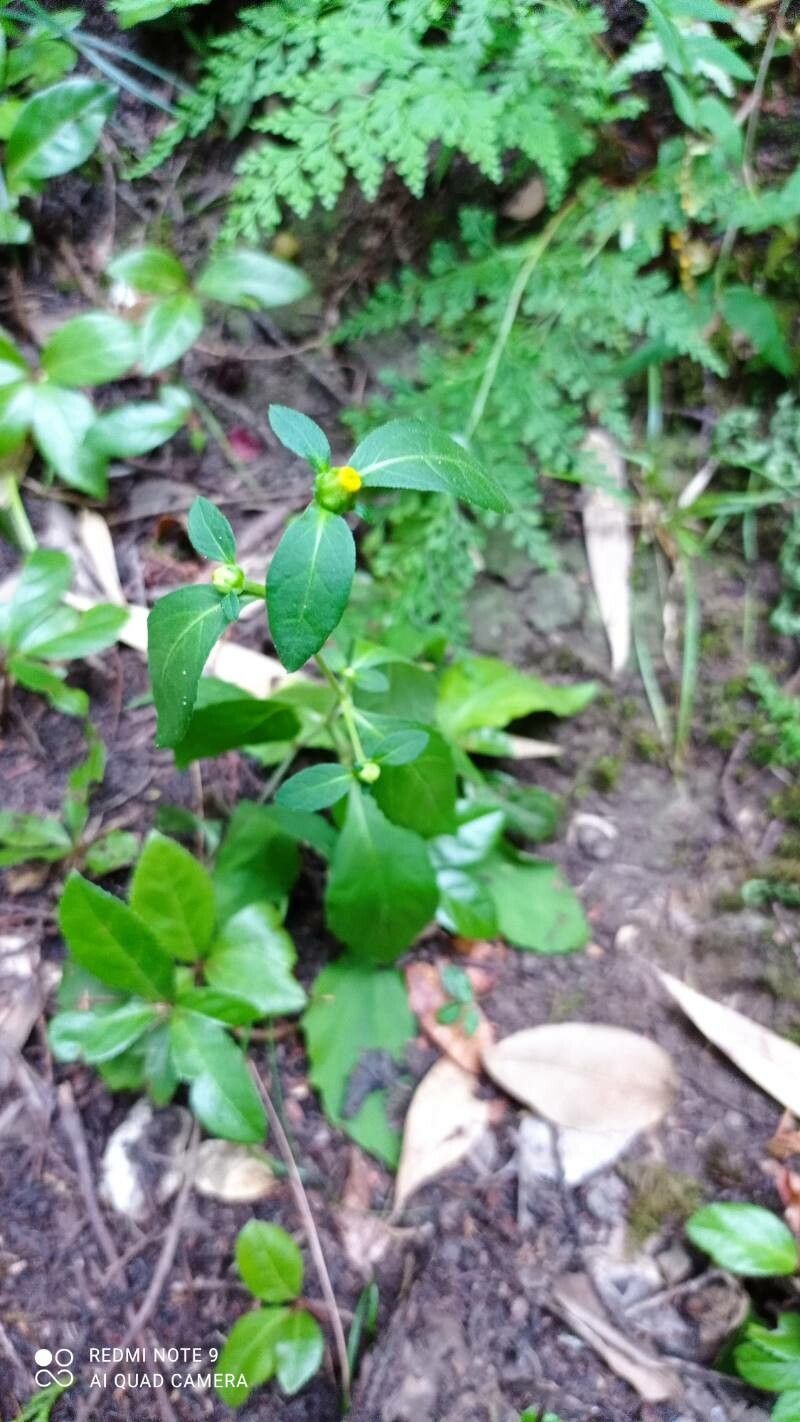
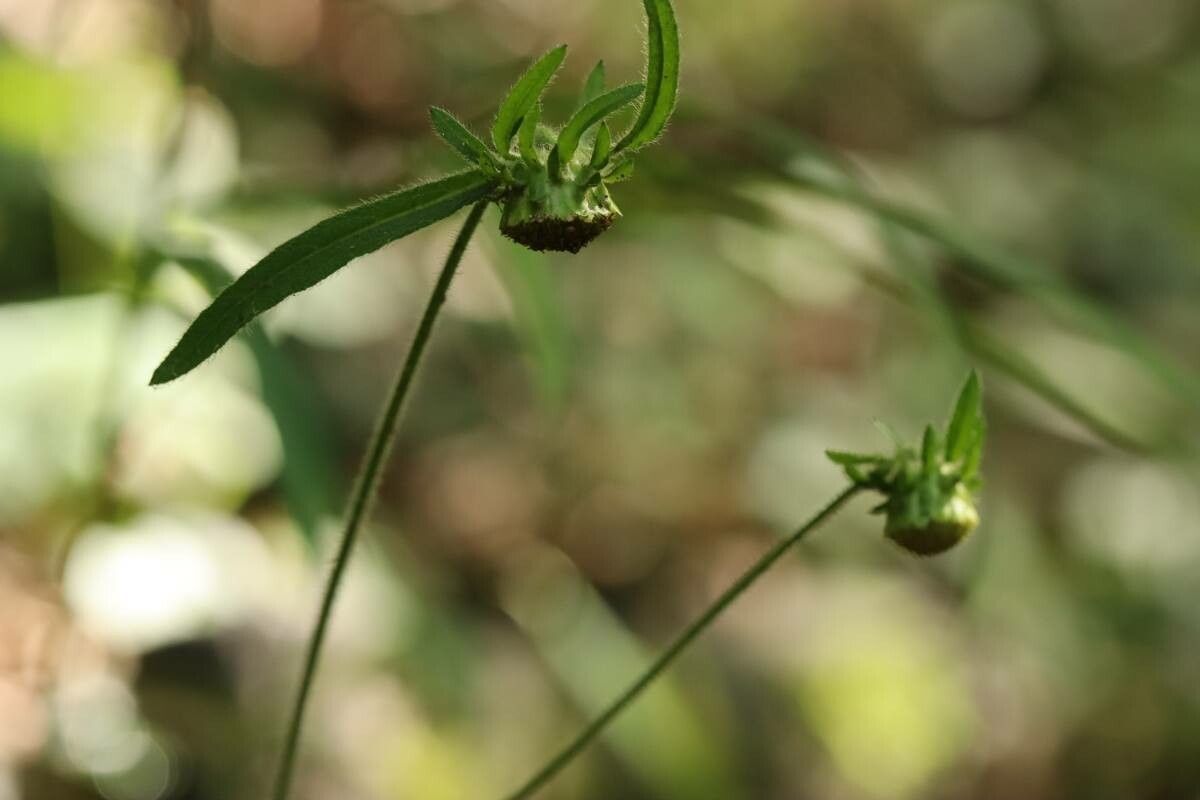
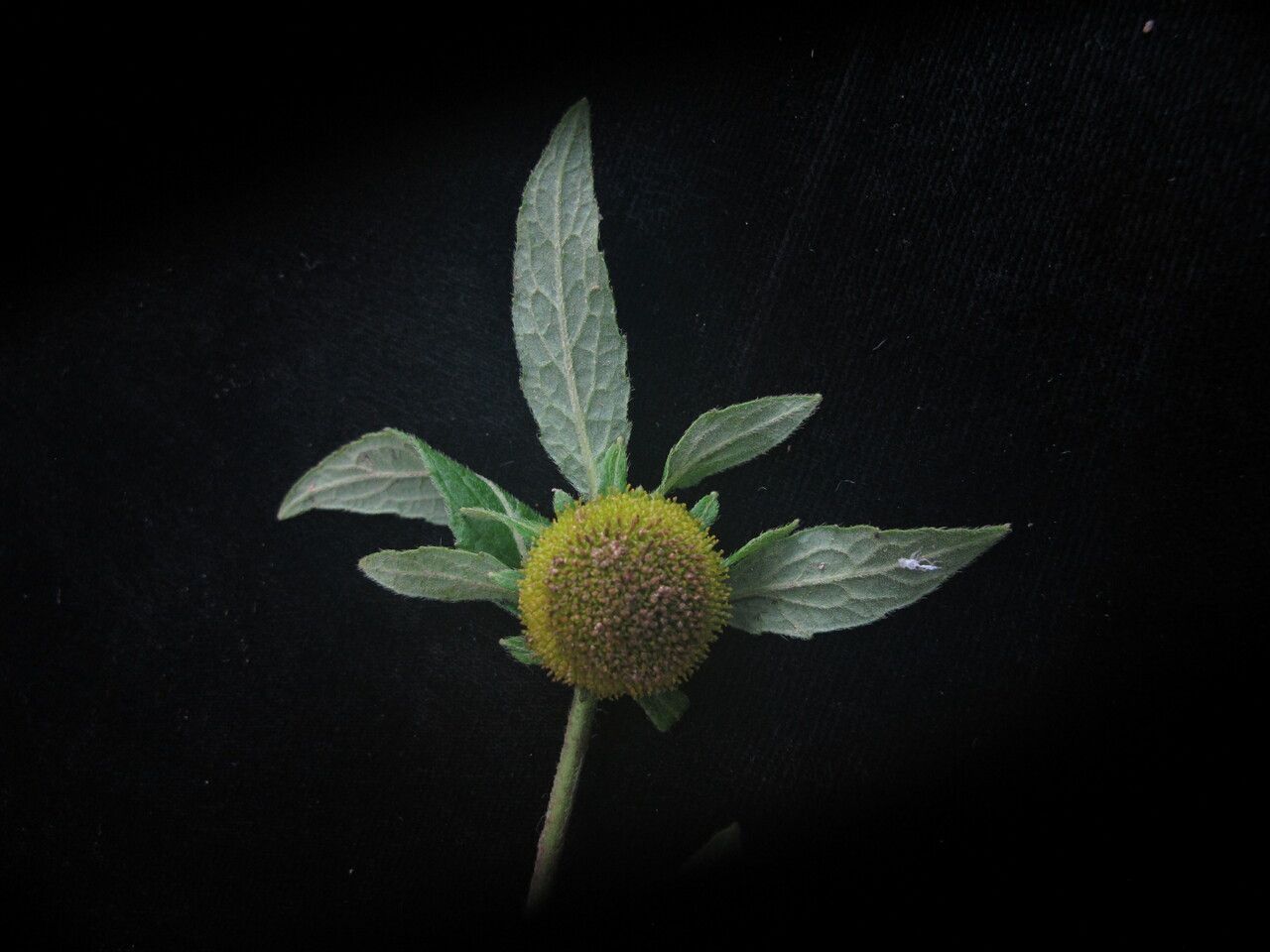
Nodding carpesium is fairly disease-resistant and typically not prone to illnesses. However, it can be affected by pests and diseases present in its surroundings. Such infections are generally mild. In terms of upkeep, this plant needs moderate attention. Regular pruning is necessary to keep a neat appearance and support healthy growth. Fertilizing can also help encourage blooming. Nodding carpesium is well suited for anyone with outdoor space, such as a garden or patio, and does not require extensive care experience. It may need more attention when grown indoors.
How to keep Carpesium Cernuum.
Light
Nodding carpesium is found naturally in habitats like forest understories and rocky sites, where it receives natural shade. It prefers partial sun but can tolerate full sun or full shade, illustrating its versatility and hardiness.
Water
Nodding carpesium thrives in moderately moist conditions and prefers consistently moist soil, necessitating weekly watering. It is usually grown outdoors to benefit from natural rainfall. Adequate water uptake is crucial during its active growing season to ensure vigorous growth and development.
Temperature
Nodding carpesium can tolerate a wide range of temperatures, though its distribution may be restricted by different combinations of moisture and heat. It does best in warm summer conditions with sufficient rainfall or watering. Long periods of cloudy, rainy weather or extended high temperatures can raise the chance of Nodding carpesium dying. In winter, proper protection from cold can increase the plant's survival.
Fertilizer
Usually, one application of fertilizer in spring is enough for Nodding carpesium, though repeated feedings can maximize growth. Apply fertilizer every month to month and a half. Fertilization improves the leaves’ appearance and function, helping maintain even color and a healthy texture. It also promotes root development and nutrient uptake for the plant’s long-term health.
Pruning
The nodding carpesium plant features drooping flower heads and thrives in moist, temperate environments. To keep the plant healthy, prune it from early to late spring. Focus on removing dead stems and thinning out dense areas to improve air circulation. This promotes growth and encourages vibrant blooms. Regular maintenance is important to prevent disease and improve the plant's structure.
Botanical profile.
- Plant Type
- Herb
- Life Cycle
- Perennial
- Genus
- Carpesium
- Family
- Asteraceae
- Hardiness Zone
- 5-9
- Mature Height
- 49 cm to 91 cm
- Mature Spread
- 20 cm to 49 cm
- Leaf Color
- Green
- Leaf Type
- Deciduous
- Flower Color
- Yellow
- Flower Size
- 1.52 cm to 1.78 cm
- Bloom Time
- Late summer, Early fall
- Planting Time
- Spring, Summer, Autumn
- Harvest Time
- Mid fall, Late fall
- Native Area
- India, Turkey, Austria, Slovakia, Pakistan, Croatia, Slovenia, Russia, Germany, Koppen, Romania, South Korea, Moldova, France, Philippines, Bulgaria, Armenia, Ukraine, China, Serbia, Afghanistan, Italy, Spain, Switzerland, Myanmar, Japan, Iran, Azerbaijan, Hungary
Other names.
Reader questions.
What are the sunlight requirements for plants?
Plants have varying sunlight requirements that are crucial for their growth. Partial sun plants thrive with about 3-6 hours of sunlight each day, while full sun plants need more than 6 hours of sunlight daily. It's important to watch how sunlight moves through your garden to pick spots that offer the right balance of light and shade, ensuring your plants stay happy and healthy.
What are the essentials for growing Nodding carpesium?
Nodding carpesium is a perennial herbaceous plant that is native to environments such as forest understories or rocky areas, favoring partial sun but can also survive in full shade. This versatility makes it an excellent choice for different garden spots. For indoor plants that can't access natural sunlight adequately, especially in winter or less sunny spaces, artificial lighting becomes essential. LED lights are recommended, as they can be customized to offer the specific wavelengths of light needed by plants. Full sun plants require 30-50W/sq ft, partial sun plants 20-30W/sq ft, and full shade plants 10-20W/sq ft of artificial light. The light source should be placed 12-36 inches above the plant, mimicking natural sunlight. Most plants benefit from 8-12 hours of light per day.
What are some symptoms of light deficiency in plants?
Nodding carpesium can exhibit several symptoms when it's not getting enough light, including smaller new leaves, leggy or sparse growth, faster leaf drop, slower or no new growth, and leaves that are lighter in color or show chlorosis (yellowing). Too much sunlight can also harm, causing symptoms like sunscald, leaf curling, wilting, leaf scorching, and even chlorosis due to excessive light harming the plant's ability to photosynthesize effectively.
What are the solutions for light-related issues in plants?
To combat light-related issues in plants, gradual adaptation to changing light conditions is key. Indoors, move plants to sunnier spots each week until they receive the optimal 3-6 hours of sunlight or use artificial light sources for at least 8 hours a day. For outdoor plants, similarly adjust their light exposure gradually to prevent sunburn. Reducing obstructions like pruning trees can also help increase sunlight exposure. Note that parts of the plant damaged by insufficient light might not recover, but new growth should be healthy after adjusting light exposure.