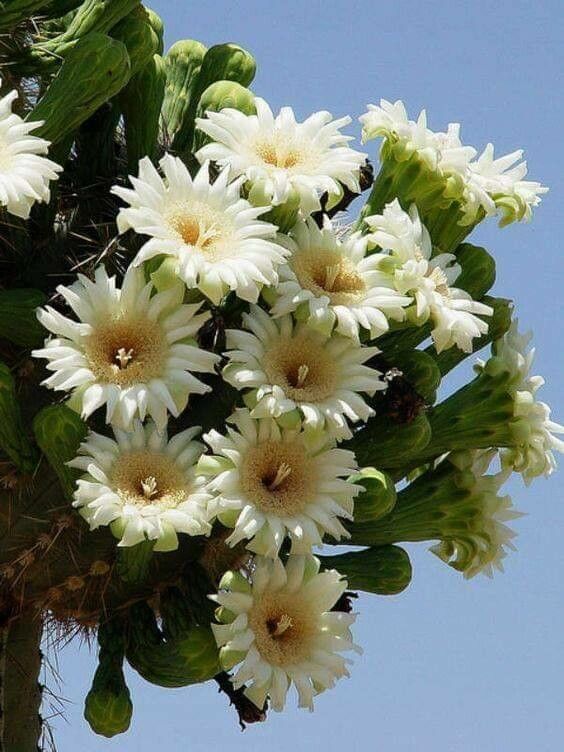
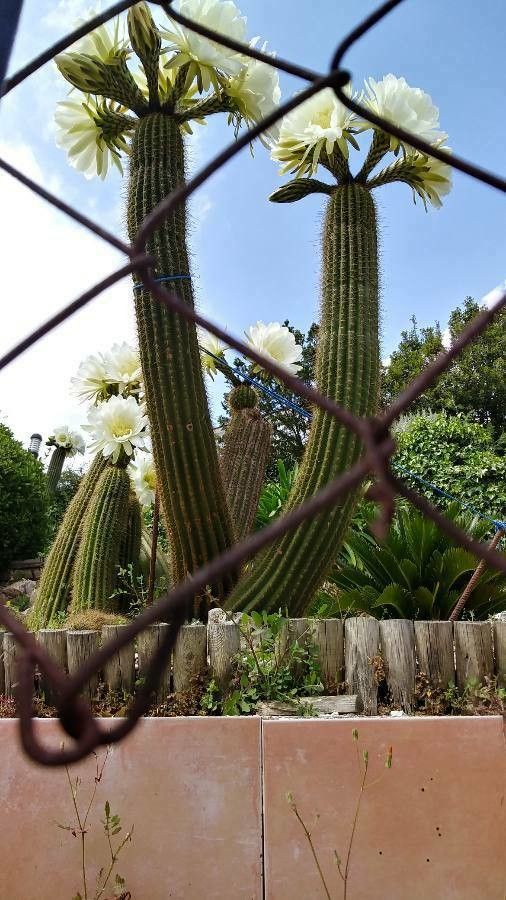
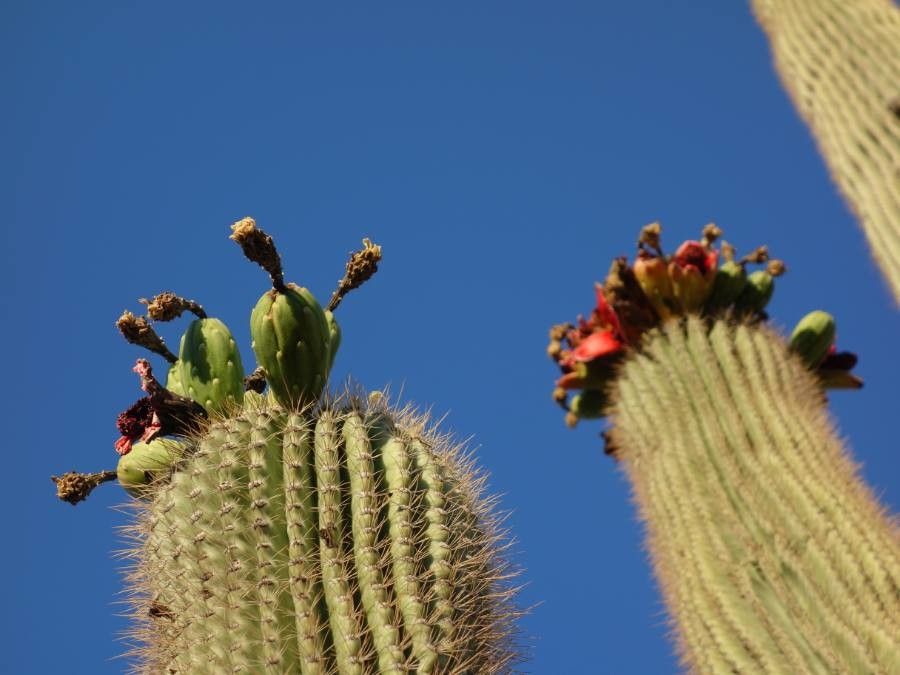
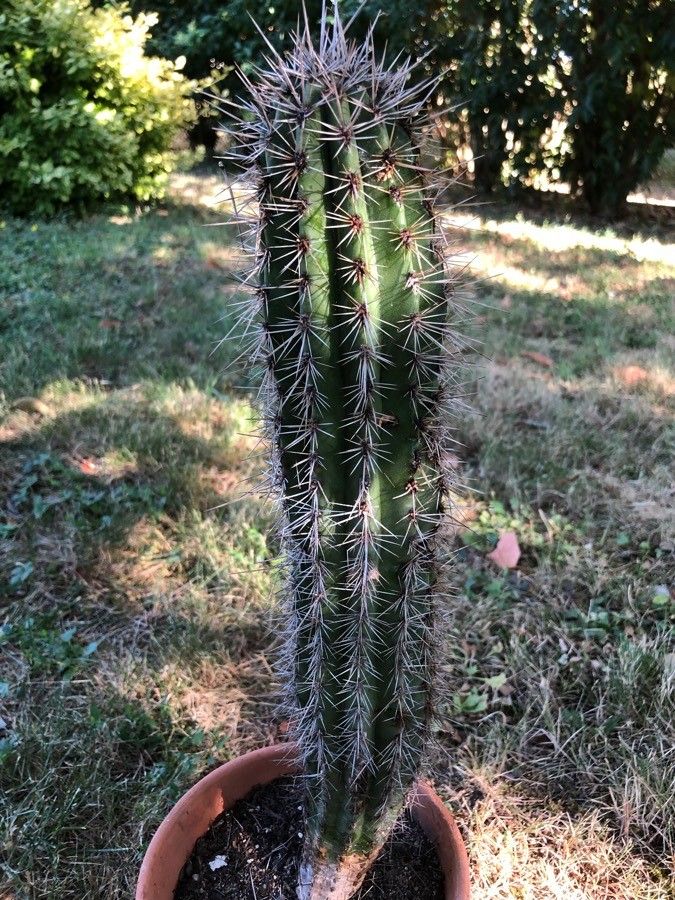
Carnegiea gigantea, commonly known as the saguaro cactus, is a large and iconic plant species native to the Sonoran Desert in North America. This slow-growing cactus can live for over 150 years and reach heights of up to 40 feet (12 meters). The saguaro cactus is easily recognizable by its distinctive shape, featuring multiple arms that develop as it matures. In late spring and early summer, it produces large white flowers, followed by red fruit that provides nourishment for birds and other wildlife.
The saguaro cactus plays a crucial role in the ecosystem, offering shelter to animals such as birds, bats, and insects. It also serves as an indicator species of desert health, being sensitive to climate changes such as droughts or freezes. Despite its cultural significance to indigenous communities of the Southwest United States, Carnegiea gigantea faces threats from habitat loss due to urbanization and climate change-induced droughts. These challenges could potentially push the species toward endangerment or extinction if not adequately protected.
Saguaro has strong resistance to disease and generally remains healthy under routine care without becoming sick easily. That said, it can be vulnerable to mealybugs; these pests can inflict some damage but are usually not a major concern. Regarding care, Saguaro is drought-tolerant and does not require frequent watering. It can endure extended intervals without water and needs little fertilizer. However, if lighting is poor and it is overwatered, it is highly prone to root rot. In general, Saguaro is a good choice for people who prefer to spend minimal time on plant care, though it is still important to know and meet its basic requirements. It is especially appropriate for those who are away for long stretches and may occasionally forget to water their plants.
How to keep Carnegiea Gigantea.
Light
Saguaro does best with abundant sunlight and cannot tolerate less. This is due to its origins, where it is exposed to steady, unfiltered sun. Too little light can stunt its growth, while excessive sun exposure seems to cause little harm.
Water
The saguaro is a highly drought-tolerant cactus that thrives in arid conditions with very little moisture. Its thick, ribbed structure enables it to store water efficiently, requiring watering only once every four weeks. Typically grown outdoors, the saguaro needs full sun exposure and has adapted its growth cycle to align with the infrequent rains of the desert.
Humidity
This plant prefers dry conditions, so don't mist it. However, watering it less often can also thrive in higher humidity.
Temperature
Saguaro is indigenous to habitats where temperatures generally range from 68 to 106 °F (20 to 41 ℃). It performs best within that temperature span. In different seasons, watching local weather and altering its shade or exposure could help it adjust.
Fertilizer
For Saguaro, small amounts of fertilizer once or twice a year during the growing season are enough. Do not fertilize in winter or in summer while it is dormant. Use less fertilizer for plants that have been repotted, and wait a couple of months after repotting before you start feeding. Fertilizing helps maintain healthy growth and promotes flowering.
Pruning
The saguaro cactus requires minimal pruning. To promote healthy growth and ensure nutrients are distributed effectively, it's important to remove any dead flowers and branches.
Pot & Repot
Repot Saguaro in spring or summer, picking a pot slightly larger than the current one that provides good drainage. Use a sandy or gritty cactus mix that drains well. Handle the plant carefully to avoid the spikes. Let the cactus dry out before repotting to help prevent root rot. After repotting, wait one week before watering so the roots can heal.
Toxicity
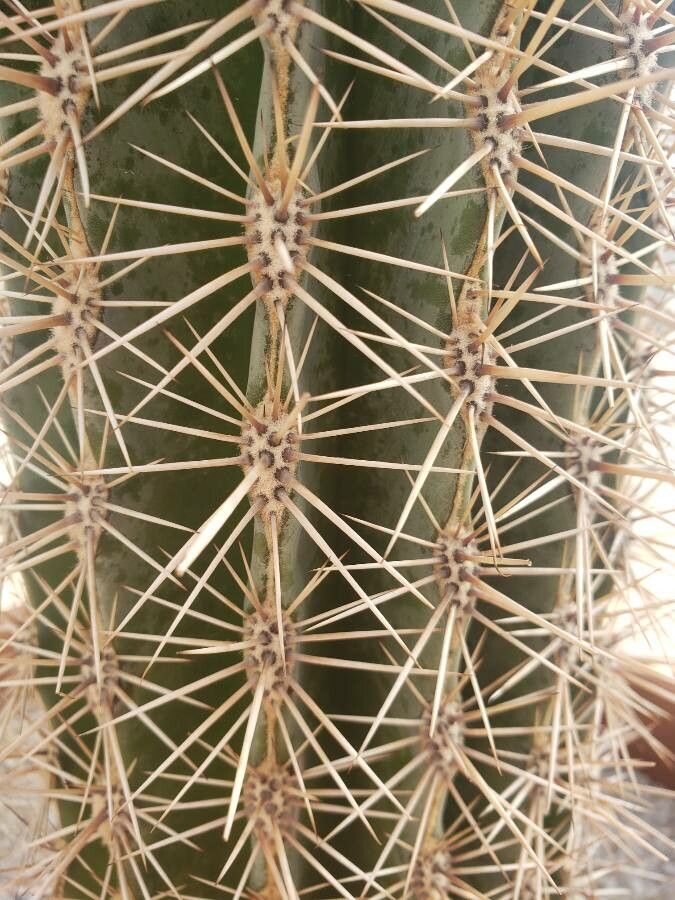
The Saguaro cactus generally isn't toxic but the numerous sharp spines running through the plant can cause discomfort for both people and pets. Stay on the safe side and keep this plant away from curious children and pets to minimize the risk of harm.
Further reading →
The toxicity and danger assessments provided are for reference only. We do not assure their accuracy, so it's crucial not to depend on them. Seek professional advice when necessary for accurate guidance.
Botanical profile.
- Plant Type
- Tree
- Life Cycle
- Perennial
- Genus
- Carnegiea
- Family
- Cactaceae
- Hardiness Zone
- 10-13
- Mature Height
- 3.05 m to 15.85 m
- Mature Spread
- 15 cm
- Leaf Color
- Dark Green
- Leaf Type
- Deciduous
- Flower Color
- White
- Flower Size
- 6.35 cm to 8.89 cm
- Bloom Time
- Early summer, Mid summer
- Planting Time
- Spring, Autumn
- Harvest Time
- Mid summer
- Native Area
- Mexico
Other names.
Reader questions.
What's the best way to water my Saguaro plant?
Here are some tips for watering this species in order to promote healthy growth and prevent the development of diseases and fungi: - Water the plant from the bottom to ensure proper absorption by the roots and effective circulation of nutrients. - Avoid accidentally spilling water on the top part of the plant, as this can lead to diseases and fungi. - If you have irrigation systems, use sprinklers to water the plant. For Saguaroed in your garden, opt for small revolving sprinklers that allow you to customize the water delivery patterns. - Do not turn on the sprinkler on windy days. - Regardless of whether the Saguaro is in a pot or in your garden, utilize the soak and dry method, which involves evenly distributing moisture across the root systems. - Some owners may consider installing a built-in drainage system for their succulents. This involves placing layers of porous materials like recycled glass or hydro stones beneath the soil. These layers act as reservoirs for excess water, but be careful not to pour too much water into these systems.
Why should I put fertilizer on my Saguaro plant?
Applying plant food to the growing medium of Saguaro helps add nutrients and support healthy growth. Even though it stores water and nutrients, fertilizing during the growing season can further enhance growth and even encourage mature specimens to bloom.
What are the sunlight requirements for Saguaro (Carnegiea gigantea)?
Saguaro requires full sun exposure, meaning it needs above 6 hours of sunlight daily to thrive optimally. This requirement is rooted in its natural habitat, where it is accustomed to receiving unfiltered, consistent sunlight. It's important to watch how sunlight moves through your garden to choose spots that offer a balance of light and shade, ensuring the plant's happiness. However, Saguaro is quite resilient to excessive sun exposure, which doesn't seem to harm it significantly. In conditions where natural sunlight is insufficient, especially during winter or in less sunny spaces, artificial lighting can be used as a viable alternative to promote healthy growth. Suitable artificial lights include LED lights, which can be customized to provide the specific wavelengths needed by the plants. The intensity and duration of artificial lighting should mimic natural sunlight as closely as possible.
What is the ideal temperature range for Saguaro?
Saguaro thrives in environments with temperatures typically between 68°F to 106°F (20°C to 41°C). This range is where the plant is most active and grows best. It's important to monitor local weather changes throughout the different seasons to adjust the plant's exposure or shading in order to help it adapt. During winter or when temperatures drop below 5°C, it's recommended to move the Saguaro indoors, particularly near a south-facing window to ensure it receives as much sunlight as possible. In cases where natural light is insufficient, supplemental lighting can be utilized.
What should I do if I give my Saguaro too much or too little water?
- If you notice your Saguaro turning yellow, it could be due to both underwatering or overwatering. Overwatering can lead to fungal infections, so let the soil dry and avoid overwatering. - Browning and dropping symptoms indicate too much moisture and water. Yellow tips on stems and branches may indicate insufficient water. - Before buying a Saguaro, check if the soil drains properly. Insufficient drainage can cause water shortage for the plant in the future. - Saguaro can die from constant overwatering or excessive rain if planted outside. Use rainwater or distilled water to avoid mineral build-up. - Signs of too much moisture include squishy stems, drooping growth, and discolored parts. Allow the plant time to recover by letting the pot dry. Consider transferring it to a different container, especially in winter, to prevent root rot.
When should I fertilize my Saguaro plant?
To ensure optimal growth, all plants require additional nutrients. However, Saguaro plants have a specific fertilization requirement. They only need a small amount of fertilizer during the growing season, which should be done 1-2 times a year. It is recommended to fertilize Saguaro plants in the spring and autumn, while avoiding winter and summer when they are dormant. If you have recently repotted your Saguaro, please use less fertilizer and wait a few months before resuming fertilization.
What are common symptoms of improper lighting for Saguaro?
Saguaro can exhibit several symptoms when exposed to suboptimal lighting conditions. Symptoms of light deficiency include smaller new leaves, leggy or sparse growth, faster leaf drop, slower or halted new growth, lighter-colored new leaves, and symptoms of too much light can include chlorosis (leaves turning yellow), sunscald (damaged leaves or stems from intense sun), leaf curling (as a defense mechanism to minimize exposure), wilting (from excessive water loss), and leaf scorching (brown, dry edges on leaves). Identifying these symptoms early is crucial in taking corrective action to improve the plant's lighting conditions and ensure its health.
How should Saguaro care be adjusted in cold weather?
In cold weather, particularly when temperatures fall below 20°C, the growth of the Saguaro slows down, and it's important to reduce or stop watering to prevent root rot. If the Saguaro is grown outdoors and temperatures are low, halt watering entirely. For added protection in colder temperatures, consider setting up a temporary greenhouse for insulation or use protective materials such as plastic film or fabric to wrap the plant. If indoor temperatures drop below 5°C, moving the Saguaro to a warm environment and ensuring it gets ample sunlight by placing it near a south-facing window are crucial steps to take.
How frequently do I need to water my Saguaro?
Watering frequency for succulents can vary depending on the season. In the summer and spring, you typically only need to water them once every two to three weeks. However, during the winter and fall, it's best to reduce or avoid watering altogether since these plants become dormant. It's important to let the soil dry completely before watering again. It's better to slightly underwater than to overwater. When potted, deep watering at intervals promotes healthier soil growth. When planted outdoors, avoid watering lightly as this encourages shallow root growth. Instead, wait a few weeks and only water when the surrounding soil is too dry.
When is the best time to not fertilize my Saguaro?
Saguaro, like most plants, goes through periods of dormancy where growth stops. During the summer and winter, it is best to avoid fertilizing the plant. Additionally, after repotting in the spring, it is a good idea to wait a couple of months before applying fertilizer.
How can I address lighting issues for my Saguaro?
To address lighting issues for Saguaro, follow these solutions based on your setup: For indoor plants, gradually move them to a sunnier location each week until they receive at least 6 hours of direct sunlight daily, using a south-facing window if possible. For those that are large or not easily movable, consider using artificial light, keeping a desk or ceiling lamp on for at least 8 hours daily or investing in professional grow lights. For outdoor plants, also gradually move them to sunnier spots to avoid sunburn. If your plants are in the ground, reduce obstructions by pruning obstructing trees and consider transplanting smaller plants during their dormant period to spots with ample sunlight and good drainage. Remember, while parts of the plant that have suffered might not recover, increasing light exposure can ensure new growth is healthy.
What are the signs of temperature distress in Saguaro and how can they be addressed?
Saguaro shows different signs of distress under low and high temperature conditions. When temperatures fall below 20°C, especially under 5°C, Saguaro may become weak, wilt, and be prone to root rot. In cases of mild frost damage, symptoms might not be evident immediately, but the plant may gradually wither over a week. To remedy frost damage, trim off the frostbitten areas and check for rot in the roots. If there is root rot, cut off the rotted parts and consider propagating through cuttings. Move the plant to a warmer area and ensure it gets plenty of sunlight, using supplemental light if necessary. In high temperatures, especially above 45°C, Saguaro can stop growing, lose water, wilt, and become sunburned. Addressing high temperature distress involves removing sunburned and rotted parts, shielding the plant from direct afternoon sun until recovery, and withholding water if root rot is present until new roots form.