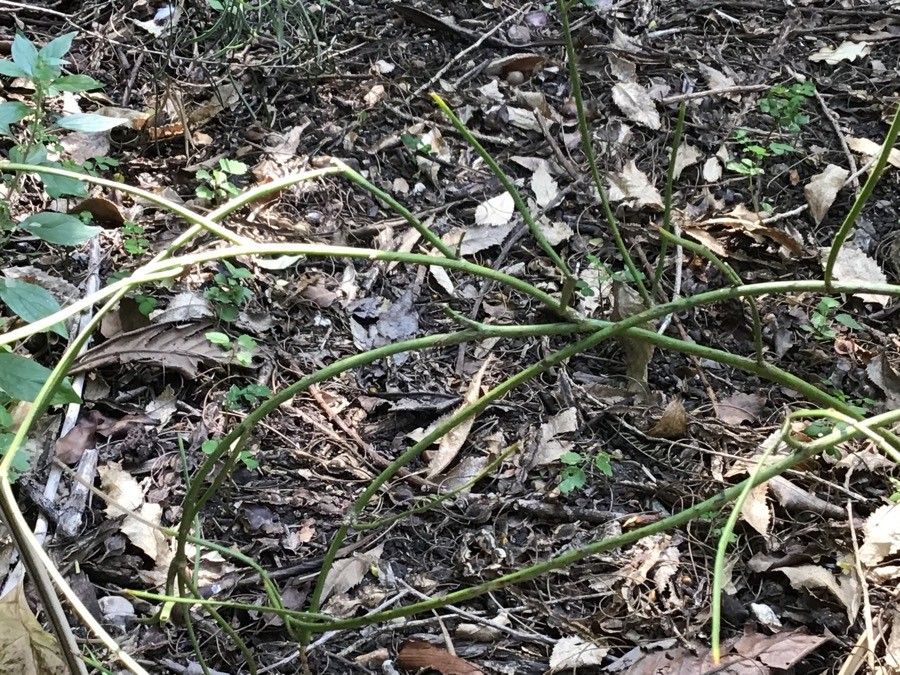
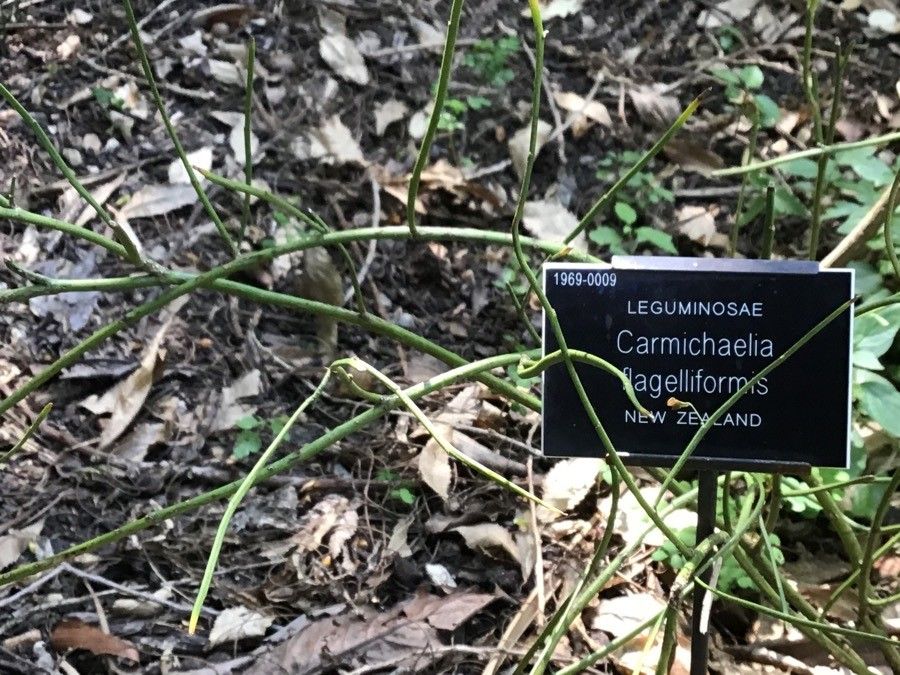
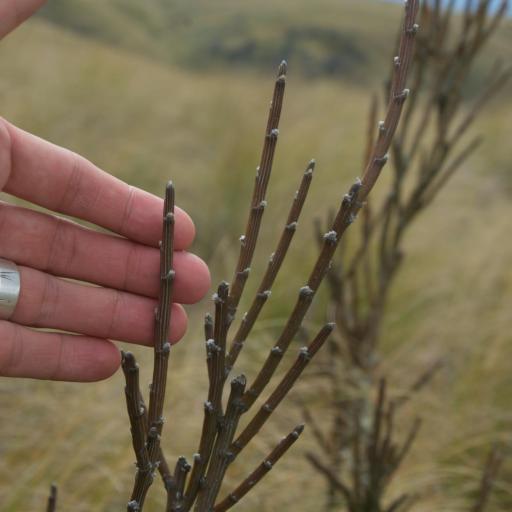
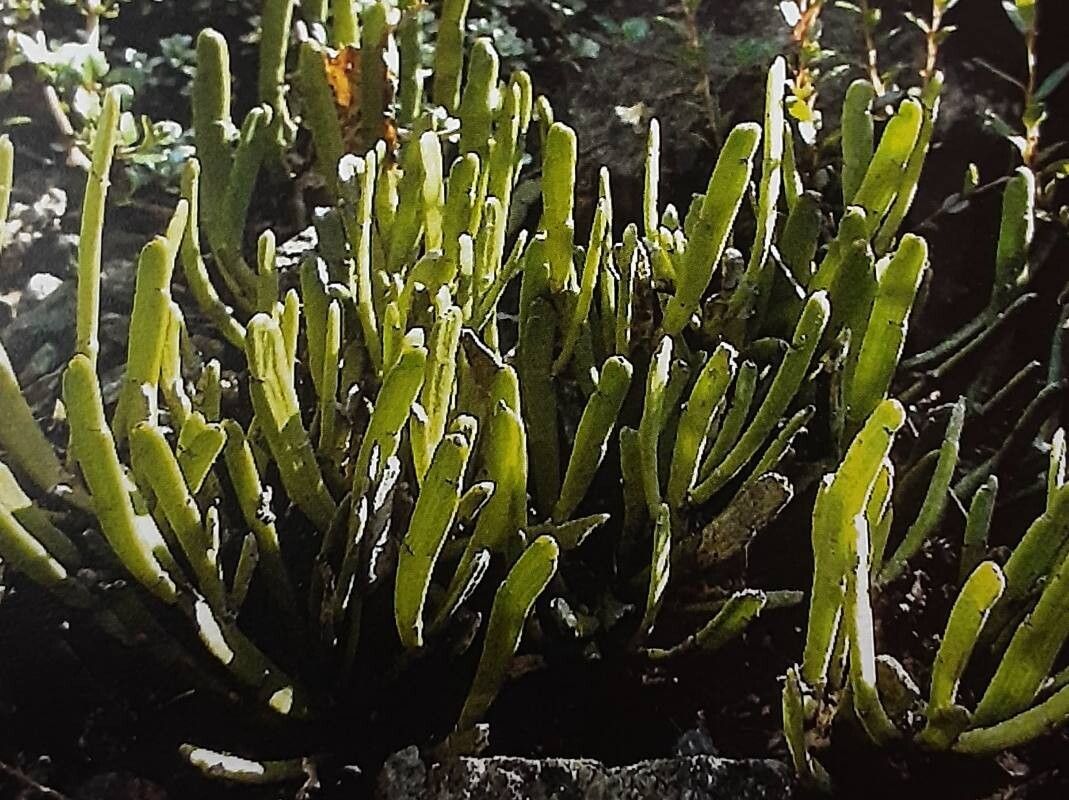
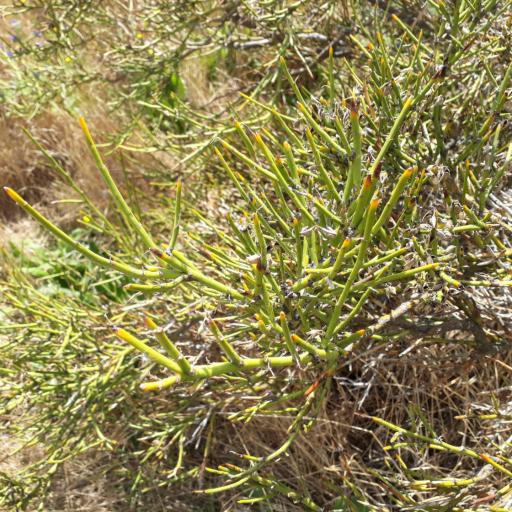
Carmichaelia australis, or common broom, is a species of pea in the family Fabaceae. It is native to New Zealand and found in both the North and South Islands. Its conservation status (2018) is "Not Threatened" under the New Zealand Threat Classification System.
Nz native broom is resistant to disease and is generally unlikely to suffer from illnesses. Regarding care, this plant is fairly low-maintenance. When grown outdoors it needs little watering, and larger plants usually do not require pruning. Smaller plants, however, should be trimmed after they have finished blooming. Nz native broomt is suitable for anyone with an outdoor area, such as a garden or deck, and does not demand extensive care experience.
How to keep Carmichaelia Australis.
Light
Nz native broom comes from open habitats, such as sunny meadows and forest edges, which supply abundant light. It performs best in Full Sun but can also tolerate Partial Sun, adapting well to different sunlight conditions.
Water
New Zealand native broom is highly drought-tolerant and thrives in arid conditions. It requires watering only once every 2 to 3 weeks. This plant adapts well to infrequent rainfall by efficiently storing water, allowing it to remain resilient during dry seasons and withstand varying temperatures.
Temperature
Nz native broom is very adaptable to a wide range of climates, from blazing summers to frosty winters. That said, it does have a preferred temperature band for optimal growth. If temperatures get too high, the plant is vulnerable to heat and humidity stress, which can lead to its death. Where temperatures reach the lower boundary of its cold tolerance, providing insulation is important to protect the plant.
Fertilizer
Timing is important for fertilizing Nz native broom. Fertilize in early spring and continue doing so monthly until early summer. The fertilizer encourages lovely blooms and supplies energy during both dormant periods and active growth.
Pruning
Pruning New Zealand native broom in early spring can significantly enhance its health and appearance. Focus on removing dead or damaged branches, as well as thinning out overcrowded areas to improve air circulation. It's best to prune after the last frost to minimize stress and encourage growth, which will extend the plant's lifespan and boost its aesthetic appeal.
Botanical profile.
- Plant Type
- Tree
- Life Cycle
- Perennial
- Genus
- Carmichaelia
- Family
- Fabaceae
- Hardiness Zone
- 8-11
- Mature Height
- 2.13 m
- Mature Spread
- 91 cm
- Leaf Color
- Dark Green
- Leaf Type
- Semi-evergreen
- Flower Color
- Lavender
- Flower Size
- 0.51 cm to 0.51 cm
- Bloom Time
- Late spring, Early summer
- Planting Time
- Spring, Summer, Autumn
- Harvest Time
- Mid summer, Late summer, Early fall
- Native Area
- New Zealand
Reader questions.
What are the sunlight requirements for NZ native broom?
NZ native broom, scientifically named Carmichaelia australis, thrives in environments that offer full sun to partial sun exposure. Full sun exposure means the plant should receive more than 6 hours of sunlight per day, while partial sun refers to about 3-6 hours of sunlight daily. It's important to observe how sunlight moves through your garden to find spots that offer the right balance of light and shade, ensuring optimal growth and health for your plants.
How do NZ native brooms adapt to different lighting conditions?
NZ native broom originates from open environments such as sunny meadows and forest edges, which provide ample light, making it well suited for full sun exposure. However, this plant is also capable of adapting to partial sun conditions, making it versatile in various sunlight environments. In cases where natural sunlight is insufficient, especially during winter or in less sunny spaces, artificial lighting can be a valuable solution. LED lights, which can be customized to emit specific wavelengths, are a popular choice for indoor plant lighting. The amount of artificial light recommended varies depending on the type of plant, with full sun plants needing 30-50W/sq ft, partial sun plants requiring 20-30W/sq ft, and full shade plants needing 10-20W/sq ft.
What symptoms indicate that NZ native broom is receiving inadequate light?
When NZ native broom doesn't receive enough light, several symptoms might appear, indicating light deficiency. These include smaller than usual new leaves, leggy or sparse growth resulting in a stretched-out appearance, faster leaf drop as the plant conserves resources, slower or ceased growth, and irregularly colored or pale new leaves. Additionally, the plant may suffer from chlorosis, where leaves lose their green color and turn yellow, sunscald characterized by pale or necrotic spots due to intense sun exposure, leaf curling as a defense mechanism against sunlight, wilting due to excessive water loss through transpiration, and leaf scorching, which shows as brown or crispy leaf edges.
How can you alleviate light deficiency symptoms in NZ native broom?
To address light deficiency in NZ native broom, consider gradually moving the plant to a sunnier location until it receives at least 6 hours of direct sunlight daily. For indoor plants, using south-facing windows and keeping curtains open during the day or employing artificial grow lights for at least 8 hours daily can significantly help. Outdoors, it's crucial to move plants gradually to avoid sunburn. Removing obstructions such as overhanging branches can improve sunlight exposure. For small plants, transplanting during their dormant season to a sunny spot with good drainage can also be beneficial. It's important to remember that while parts of the plant that have already been affected may not recover, new growth should be healthy with increased light exposure.