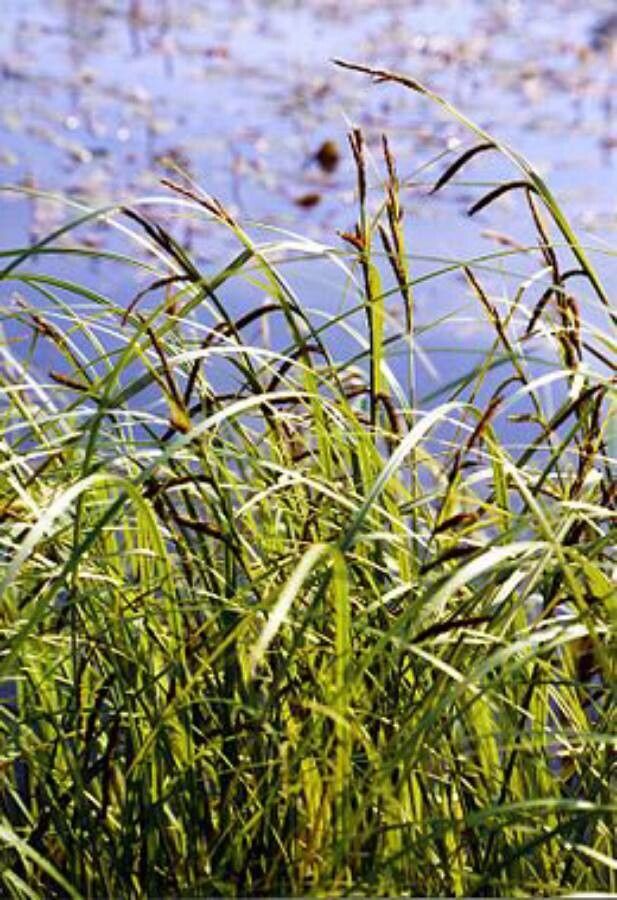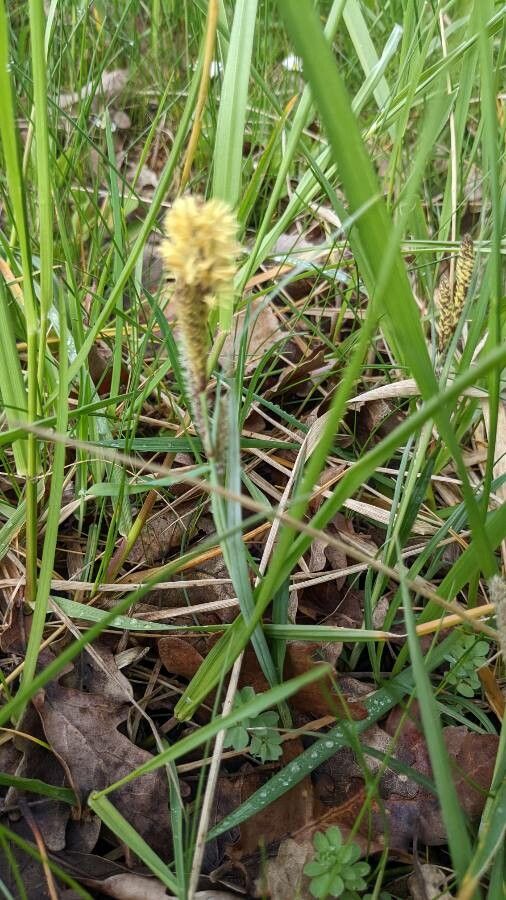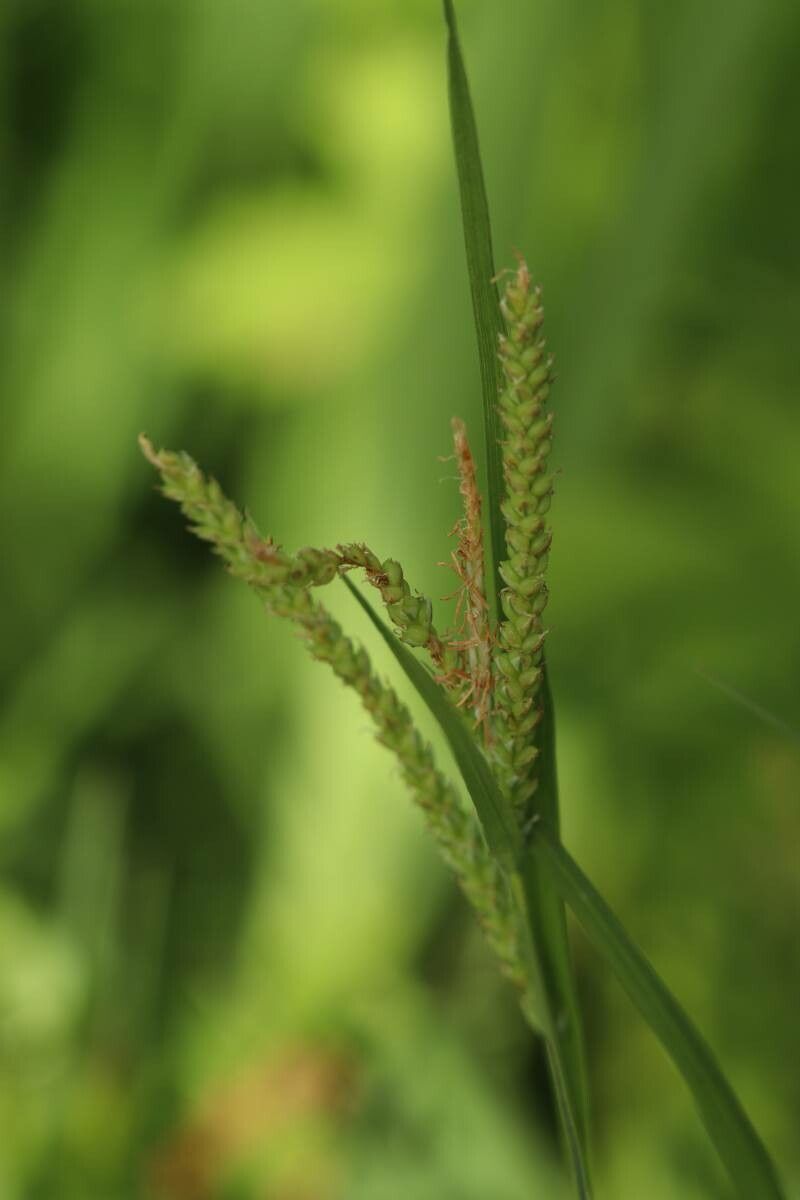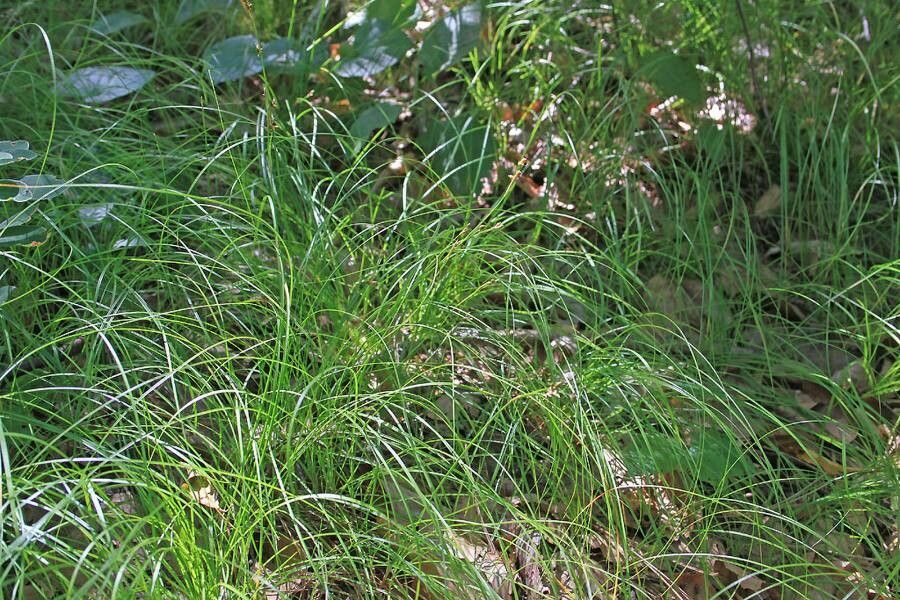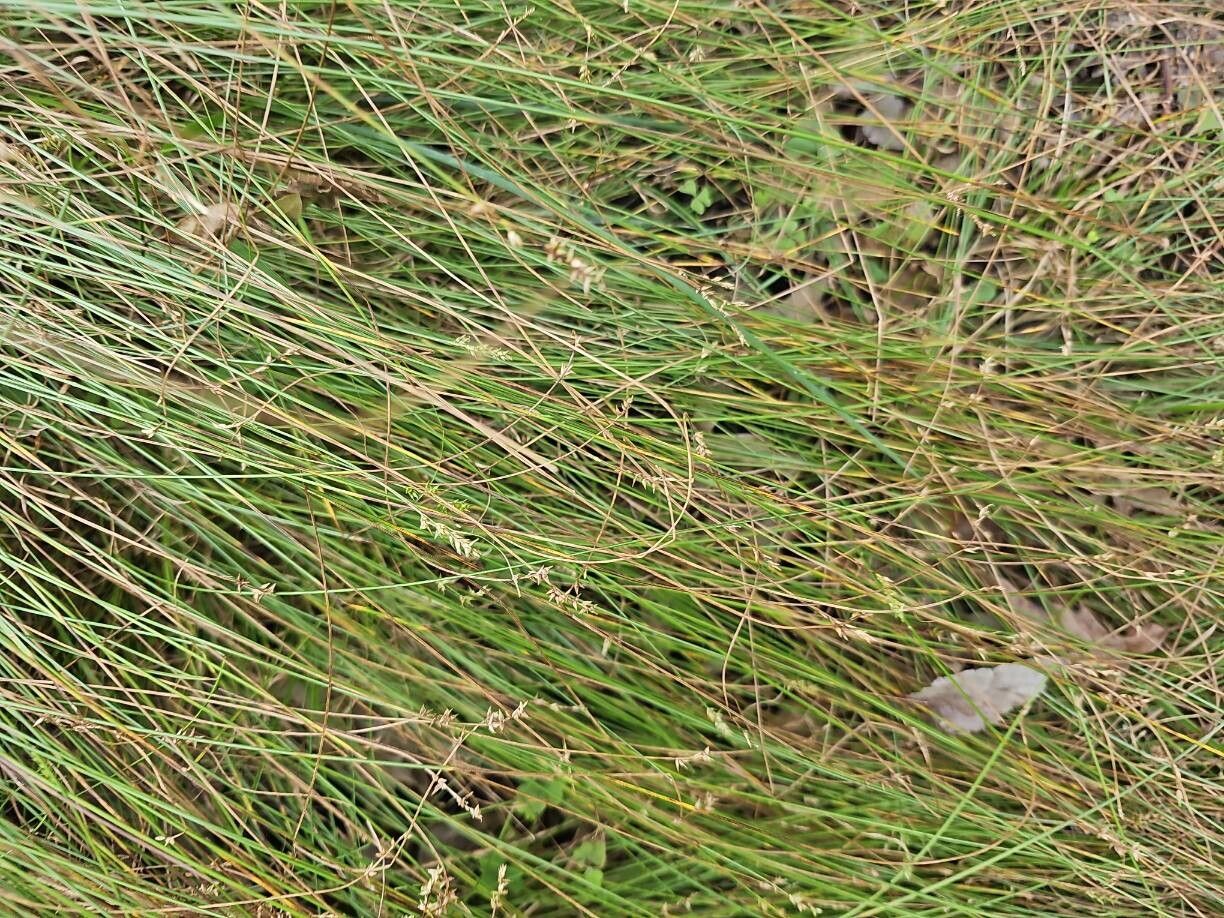
Carex texensis, the Texas sedge, is a species of flowering plant in the sedge family, Cyperaceae. It is endemic to the eastern, central, and southern United States.
Texas sedge resists disease well and is usually not susceptible to illnesses. In terms of care, this plant is fairly low-maintenance. When grown outdoors it needs little watering, and larger plants typically do not require pruning. However, smaller plants should be trimmed after they finish blooming. Texas sedge is suitable for anyone with an outdoor area, such as a garden or deck, and does not demand extensive gardening experience.
How to keep Carex Texensis.
Light
Originating from open habitats, Texas sedge is a perennial herbaceous plant that adores sunlight. It often prospers in grasslands and meadows. While its preference is full sun, it can nonetheless endure situations with only partial sun.
Temperature
Texas sedge can adjust to a variety of temperature ranges, yet its dispersion might be constrained by various combinations of moisture and heat conditions. It flourishes optimally in hot climates with sufficient rain or hydration during the summer season. Continuous spells of overcast and wet conditions, along with sustained high temperatures, can enhance the chances of the Texas sedge perishing. During the winter, providing appropriate protection against the cold can boost the survival likelihood of the plant.
Fertilizer
Extra nutrients are needed by Texas sedge to encourage robust new development. The required nutrition can be successfully delivered to the plant by applying compost around its base in the springtime. The act of fertilizing assists in promoting strong growth and equips the plant with the ability to withstand diseases and pests.