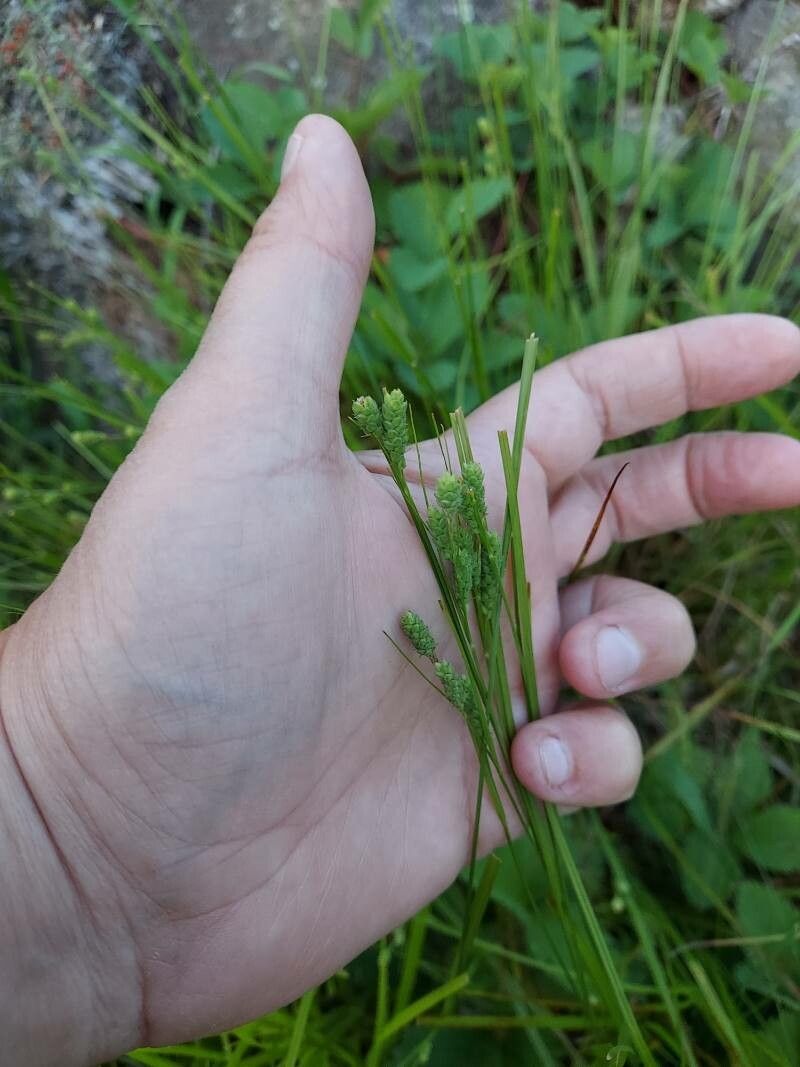
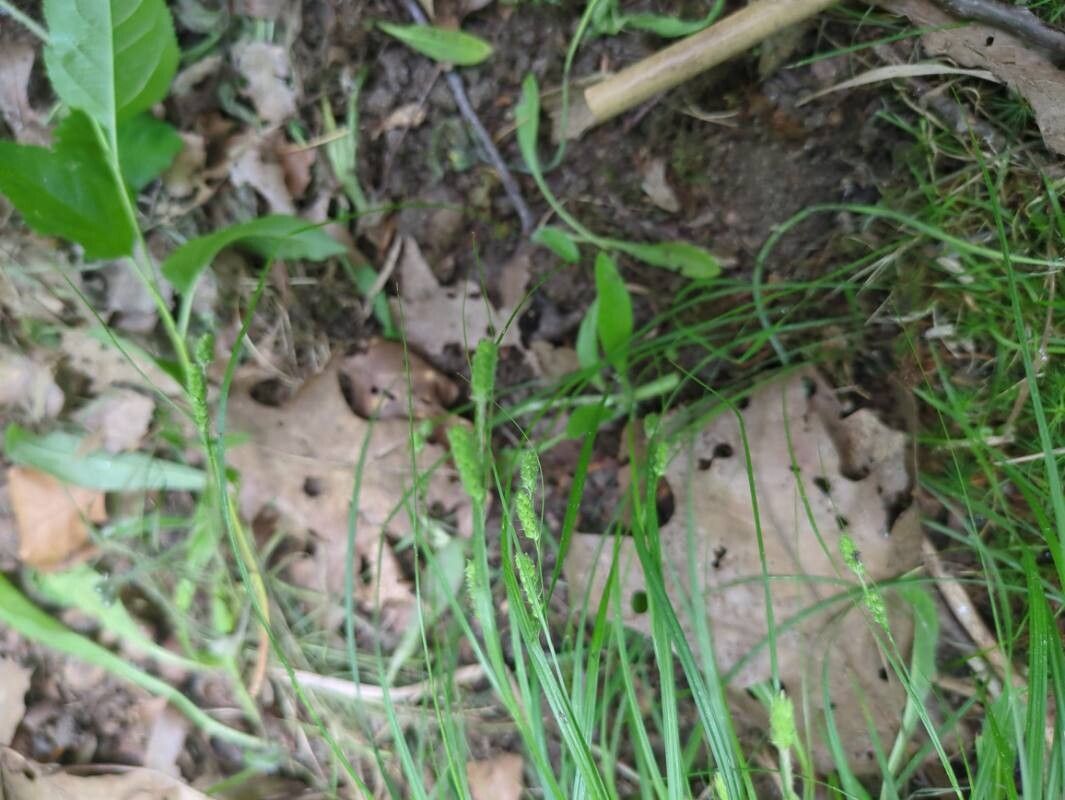
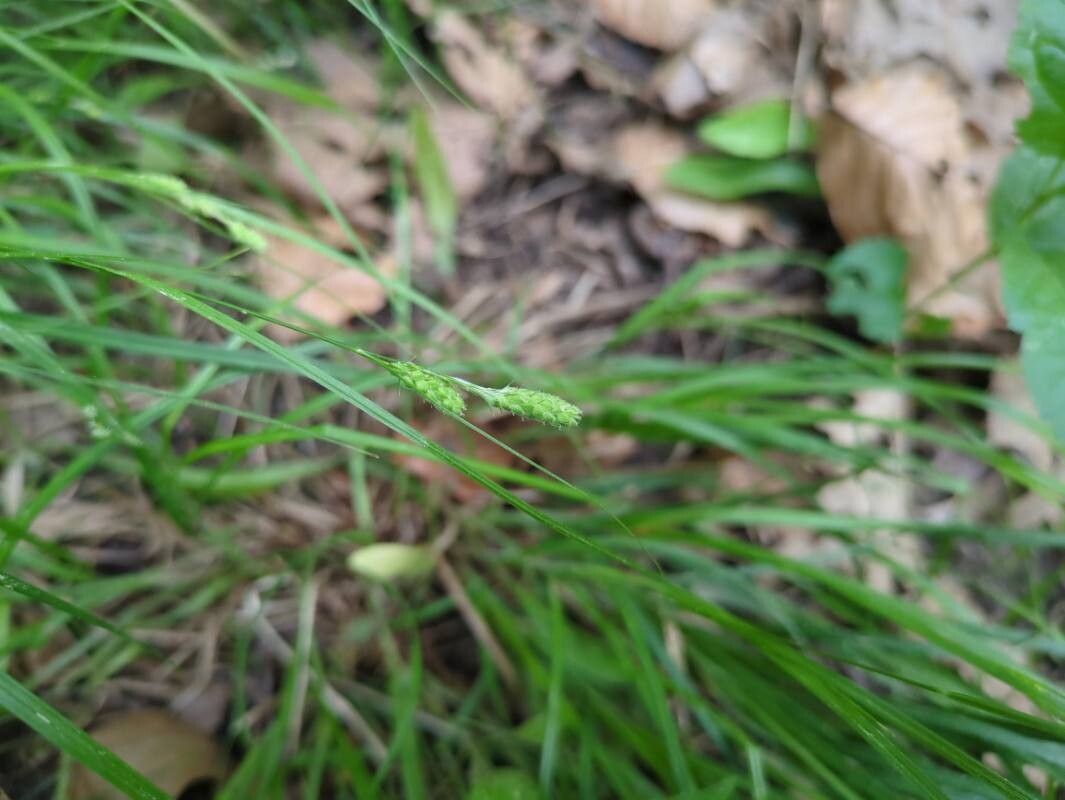
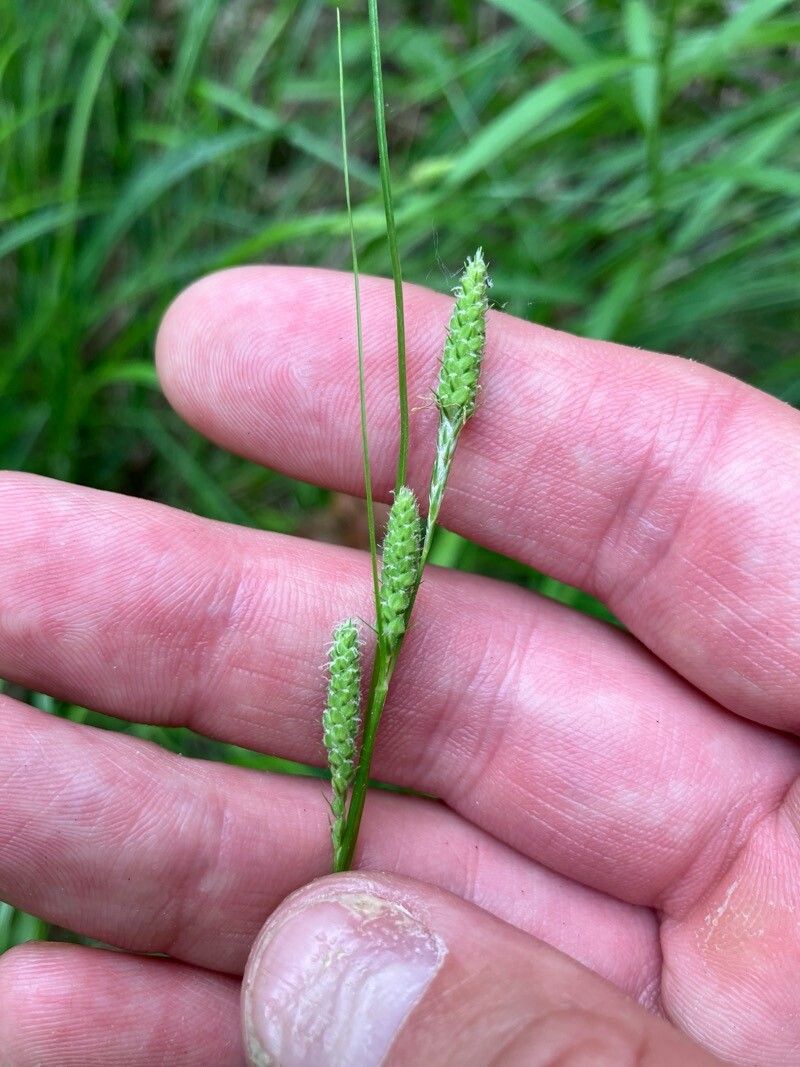
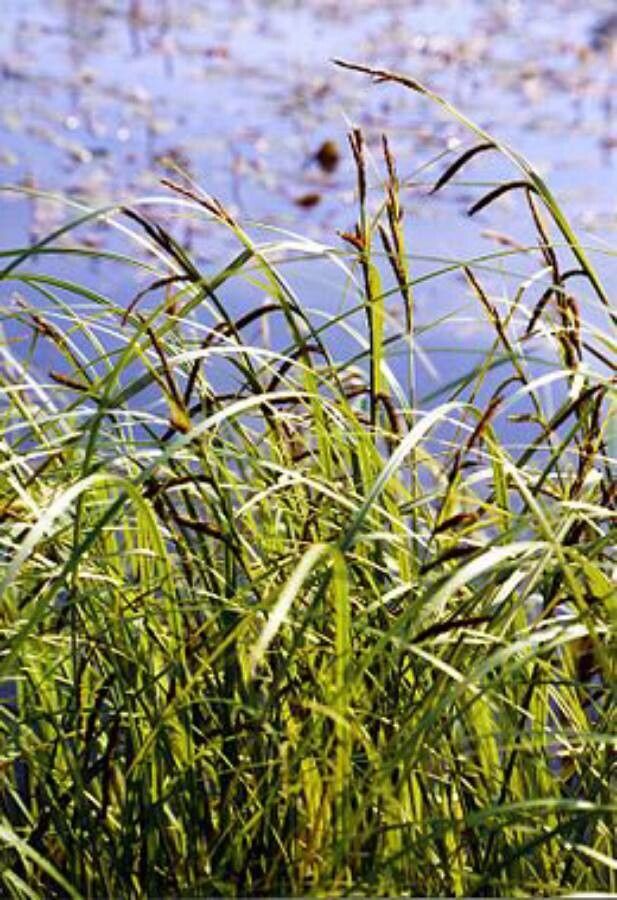
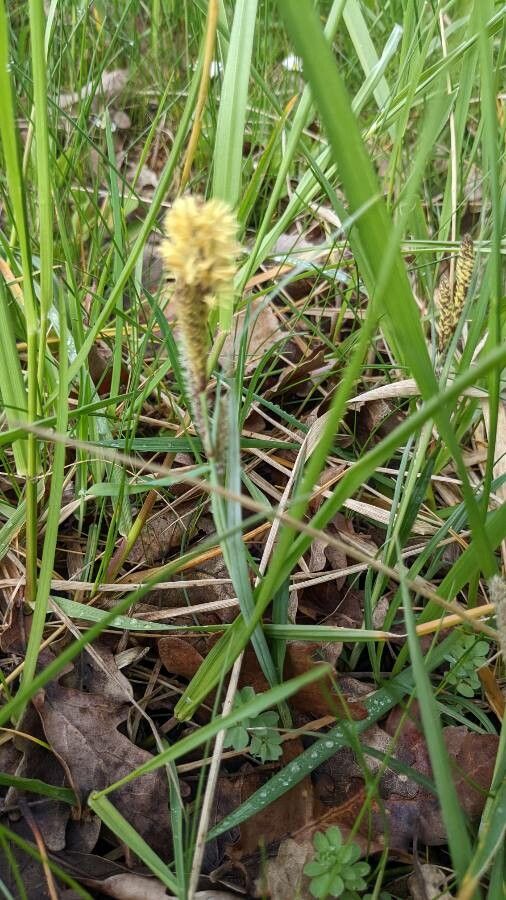
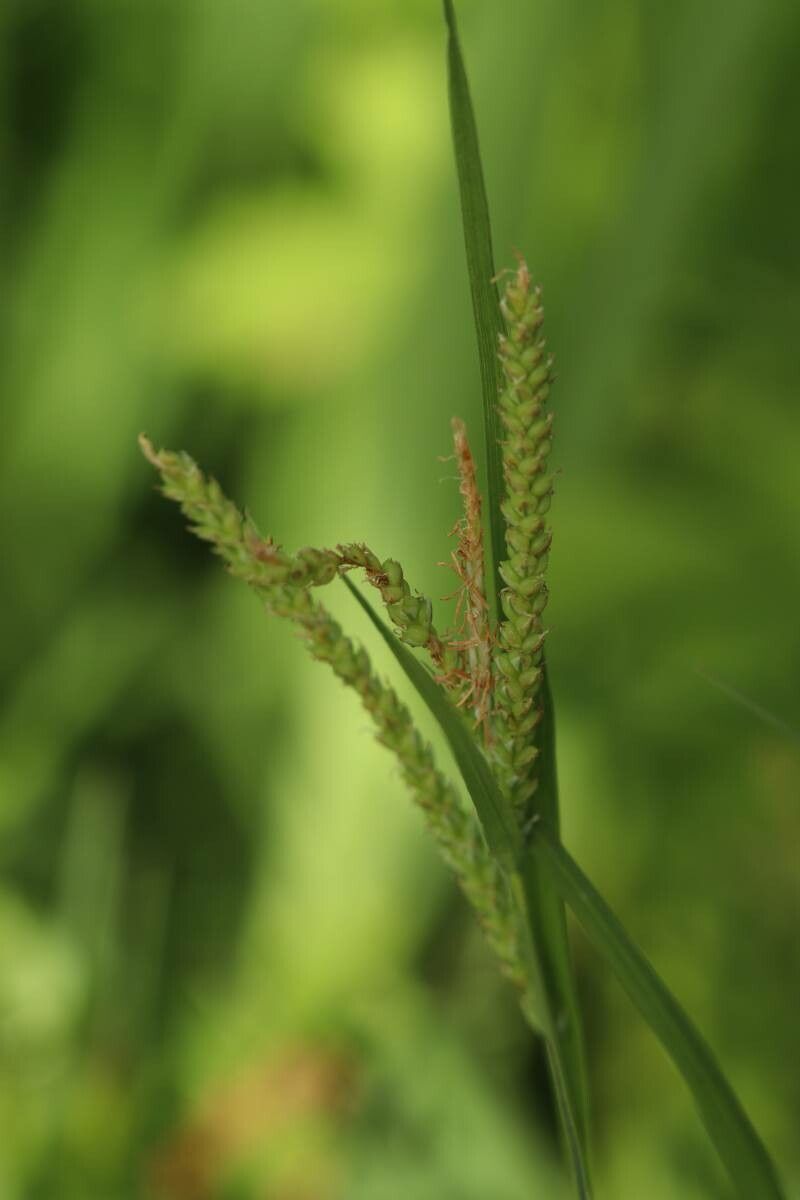
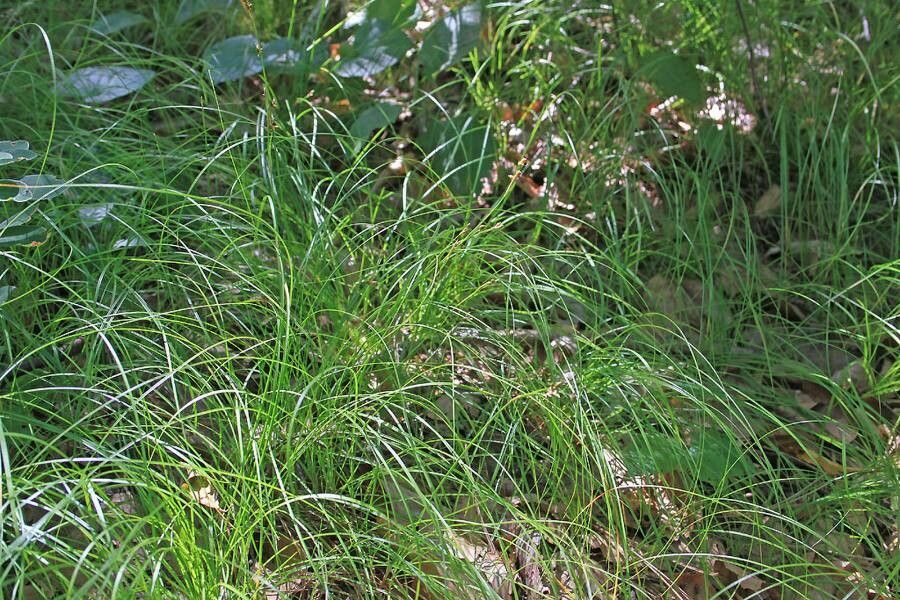
Carex swanii, known as Swan's sedge or downy green sedge, is a species of flowering plant in the family Cyperaceae. It is native to eastern North America.It was originally described as Carex virescens var. swanii Fernald in 1906, then elevated to species in 1910. The species was named for Charles Walter Swan (1838-1921), a naval surgeon and early member of the New England Botanical Club.
Swan's sedge has strong disease resistance and is generally not susceptible to diseases. In terms of care, the plant is fairly low-maintenance. When grown outdoors it needs minimal watering, and larger specimens typically do not require pruning. Smaller plants, however, should be pruned after they finish blooming. Swan's sedge is suitable for anyone with an outdoor area, such as a garden or deck, and does not require much care experience.
How to keep Carex Swanii.
Light
Swan's sedge is a perennial herbaceous plant that prefers sunny sites and originates in open habitats, often thriving in meadows and grasslands. It favors full sun but can also tolerate partial sun.
Water
Swan's sedge flourishes in moist environments and needs consistent hydration to thrive. This plant prefers soil that remains evenly moist, so it should be watered weekly. Often grown outdoors, Swan’s sedge benefits from natural rainfall. As a sedge, it is crucial to provide adequate moisture during the growing season to replicate its natural habitat.
Temperature
Swan's sedge can tolerate a wide range of temperatures, but its distribution may still be restricted by different combinations of moisture and heat. It does best in warm summer climates with enough rainfall or watering. Long periods of cloudy, rainy weather or prolonged high temperatures can increase the chance of Swan's sedge dying. In winter, adequate protection from cold can improve the plant's survival.
Fertilizer
Swan's sedge needs extra nutrients to encourage healthy new growth. In spring, applying compost around the plant’s base will effectively supply the nutrition it requires. Fertilizing supports robust growth and helps the plant withstand diseases and pests.
Pruning
Swan's sedge is a durable perennial ideal for ground cover. To encourage new growth and create denser foliage, prune away dead leaves and cut back old stems in early spring. Regular maintenance helps prevent overcrowding, maintains its ornamental appeal, and keeps the plant healthy.
Botanical profile.
- Plant Type
- Grass
- Life Cycle
- Perennial
- Genus
- Carex
- Family
- Cyperaceae
- Hardiness Zone
- 4-8
- Mature Height
- 30 cm to 91 cm
- Mature Spread
- 30 cm to 61 cm
- Leaf Color
- Green, Dark Green
- Leaf Type
- Evergreen
- Bloom Time
- Mid spring, Late spring
- Planting Time
- Spring, Summer
- Harvest Time
- Early summer, Mid summer
Other names.
Reader questions.
What are the ideal conditions for growing Swan's sedge?
Swan's sedge adapts well to a wide range of temperatures, thriving best in warm climates during the summer months, provided there is adequate rainfall or irrigation. However, its growth and survival depend significantly on the specific combinations of water availability and heat conditions. The plant exhibits a strong resilience to cold, usually not requiring special frost protection measures during winter, except in exceptionally cold conditions where temperatures are expected to drop below -30°C. In such cases, applying a protective layer of soil or straw and ensuring the soil is moist before the first freeze can enhance the plant's cold resistance.
How does cold weather affect Swan's sedge and how can it be protected?
Swan's sedge is notably cold-tolerant, thriving best when temperatures remain above 5°C and ideally kept above -25°C during winter. When temperatures fall below -30°C, the plant may not display immediate distress, but its ability to sprout in spring could be significantly reduced, possibly leading to no sprouting at all. To combat this, it's recommended to remove any parts of the plant that fail to sprout in spring as a response to the cold damage. Moreover, proactive measures such as watering the plant abundantly before the first freeze to keep the soil moist and applying a protective layer can help prevent damage during extremely cold winters.
How does hot weather affect Swan's sedge and how can it be mitigated?
During the summer, Swan's sedge should ideally be maintained below 32°C as temperatures above 35°C can cause the leaves to lighten in color, curl, become prone to sunburn, and in severe cases lead to wilting and drying out of the entire plant. To mitigate these effects, affected parts should be trimmed away, the plant should be relocated to a shaded area or covered with a shade cloth to protect it from midday and afternoon sun, and watering should be done in the morning and evening to maintain soil moisture.