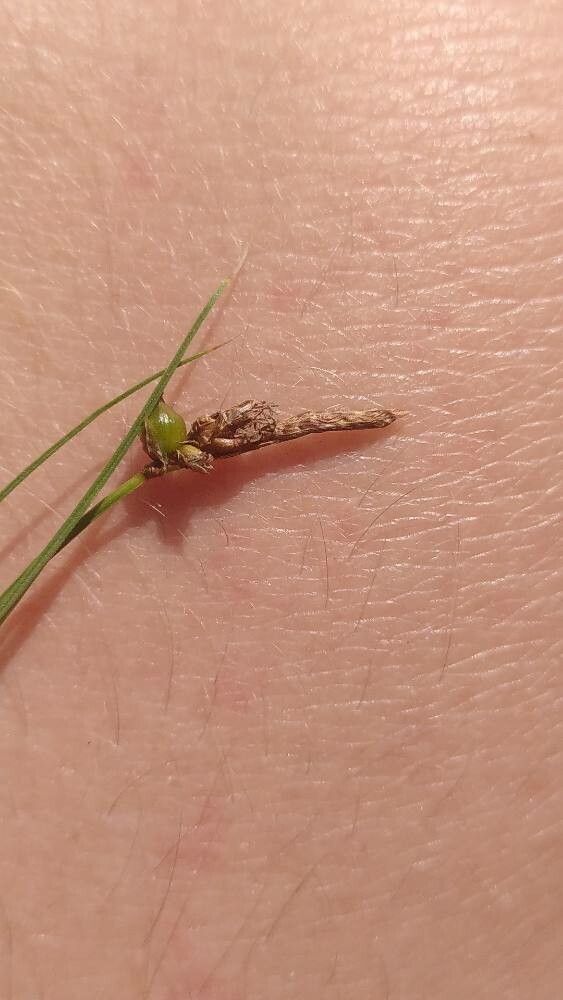
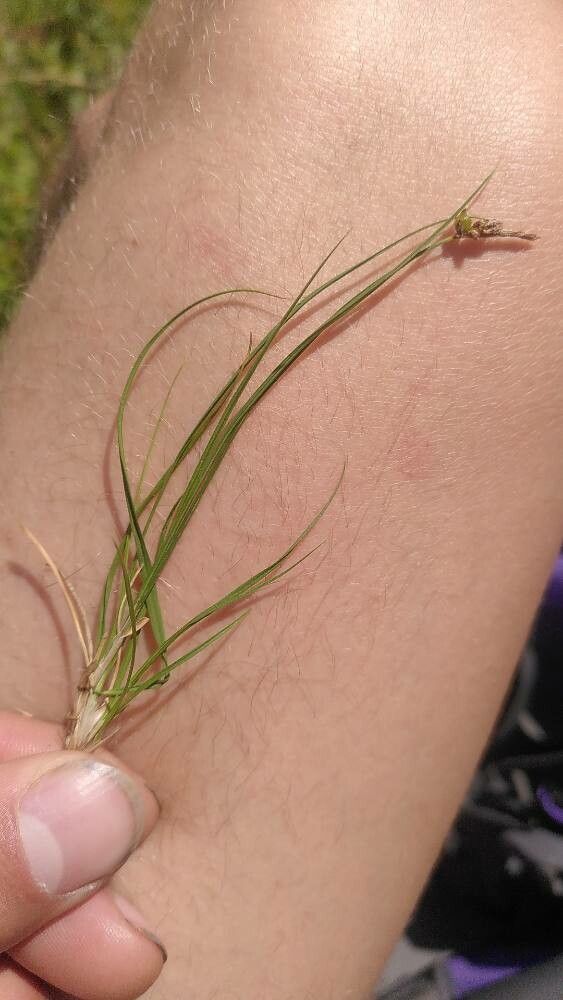
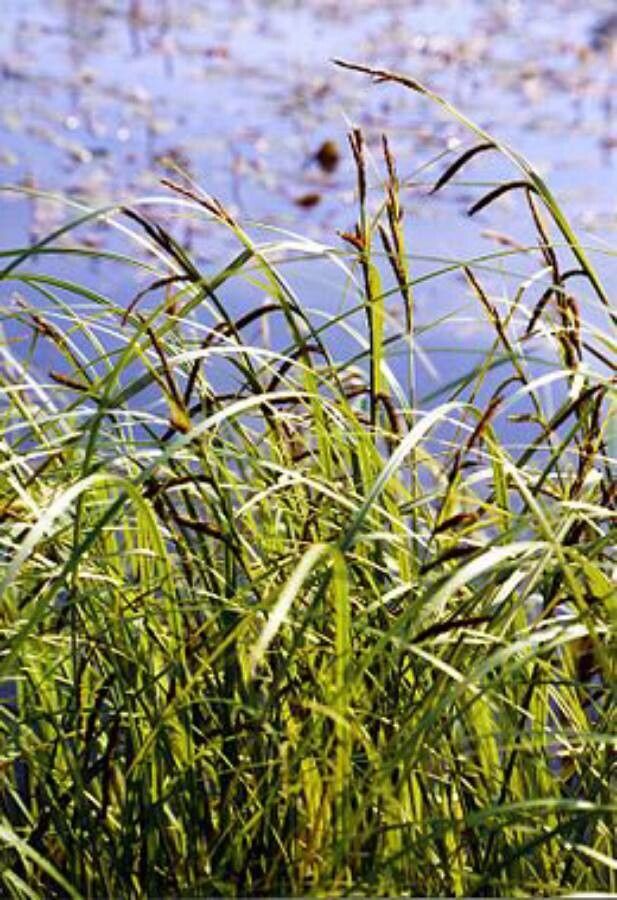
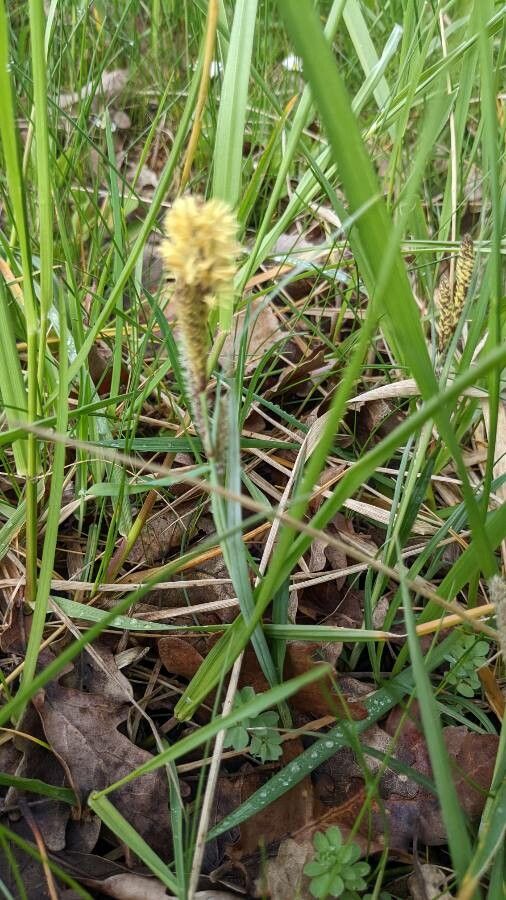
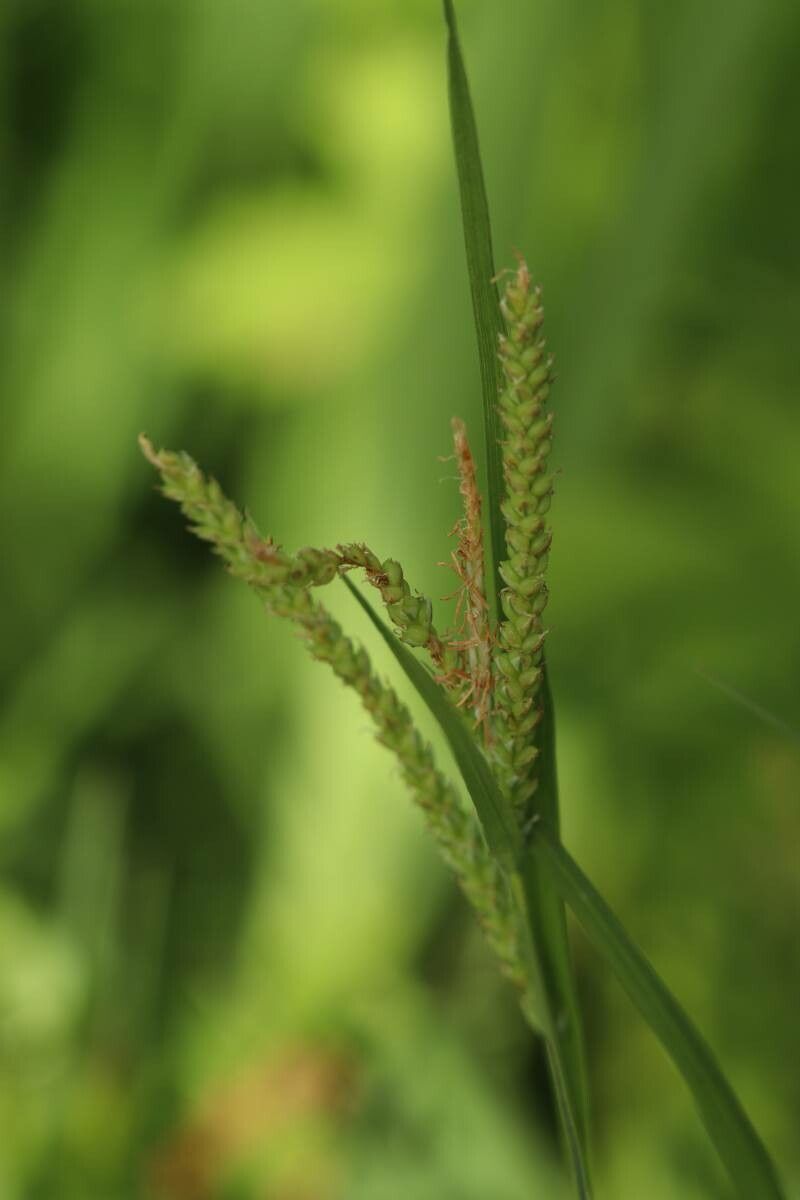
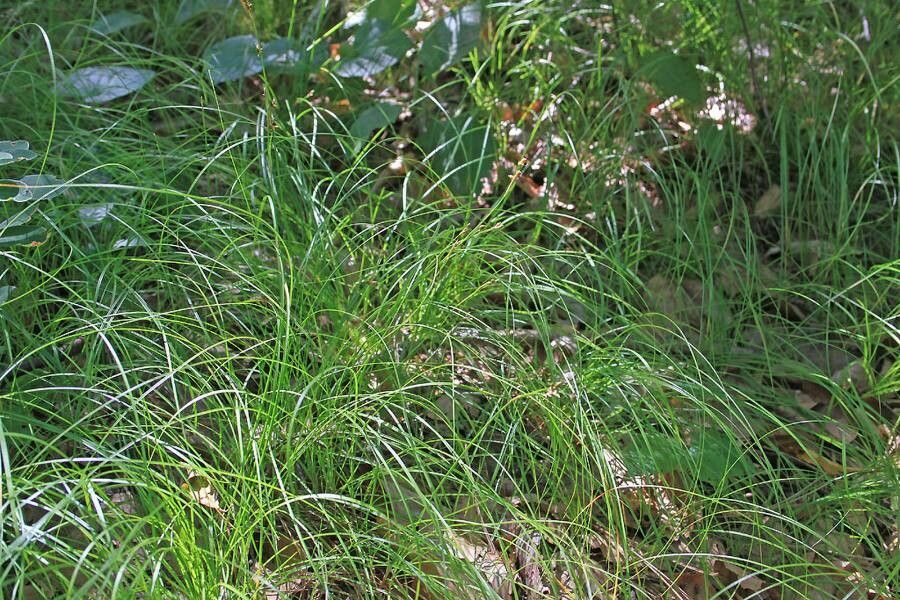
Carex supina, called the weak arctic sedge, is a species of flowering plant in the genus Carex, native to Alaska, western and central Canada, Minnesota, Greenland, central and eastern Europe, the Caucasus region, Central Asia, Siberia, the Himalaya, the Amur region, Manchuria, and Korea. It is often found in association with Festuca altaica and Poa glauca.
Weak arctic sedge is resistant to many diseases and is generally not susceptible to them. Regarding care, this plant is fairly low-maintenance. Planted outdoors, it needs little watering, and larger plants typically do not need pruning. Smaller plants, however, should be pruned after they finish blooming. Weak arctic sedge is suitable for anyone with an outdoor area, such as a garden or deck, and does not require much experience in plant care.
How to keep Carex Supina.
Light
Weak arctic sedge is a sun-loving, perennial herbaceous plant that comes from open habitats and commonly thrives in meadows and grasslands. It prefers full sun but can also tolerate partial sun.
Fertilizer
Weak arctic sedge needs extra nutrients to encourage healthy new growth. In spring, spreading some compost around the plant's base can effectively supply the nutrition it requires. Fertilizing supports robust growth and helps the plant resist diseases and pests.
Pruning
To promote healthy growth, it's important to prune weak arctic sedge in early spring before new shoots appear. Trim away any dead foliage and remove old stems to prevent overcrowding, reduce the risk of disease, and encourage vigorous growth. This will help maintain a compact and tidy appearance for the plant.
Botanical profile.
- Plant Type
- Grass
- Life Cycle
- Perennial
- Genus
- Carex
- Family
- Cyperaceae
- Hardiness Zone
- 6-10
- Leaf Type
- Evergreen
Other names.