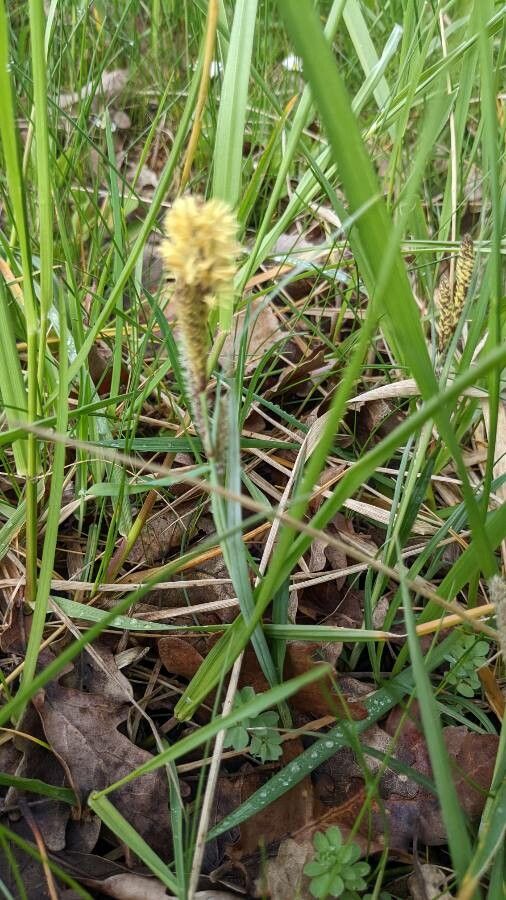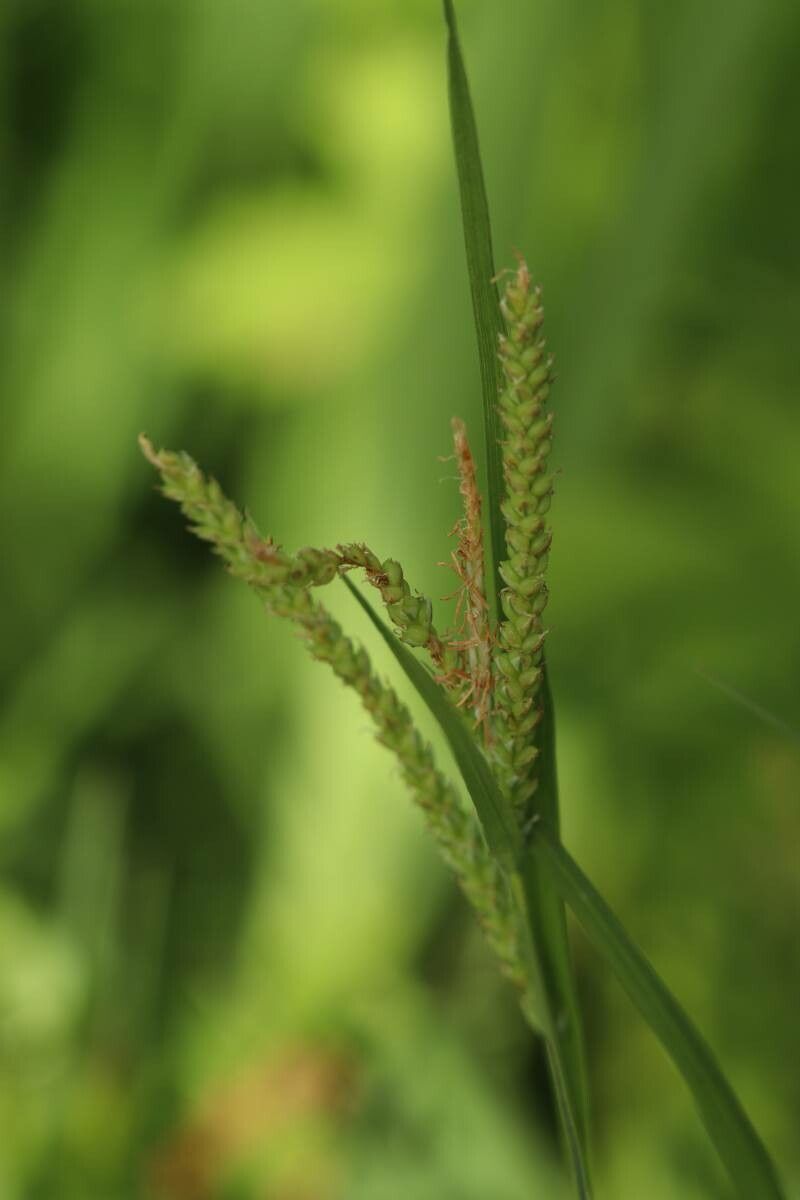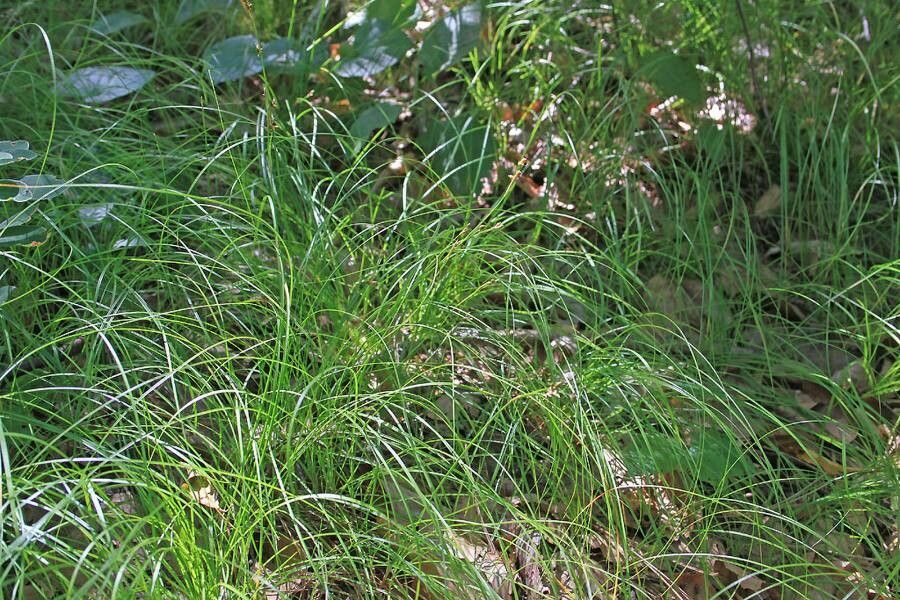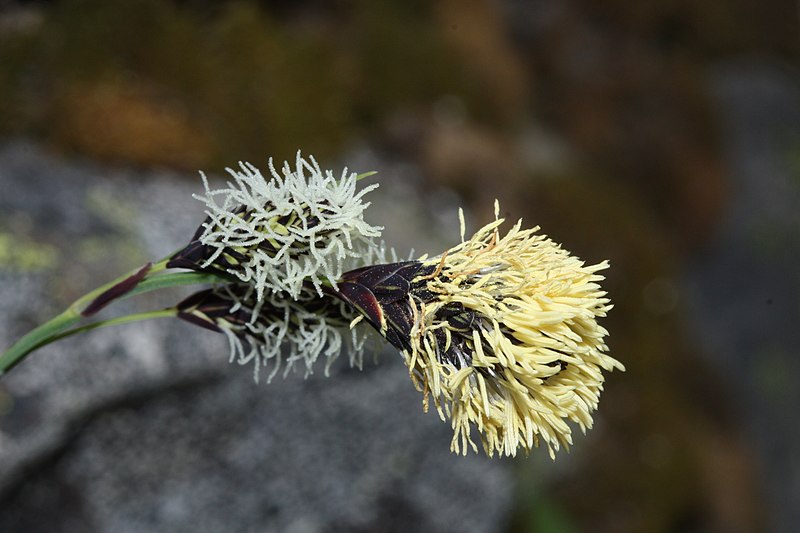
Carex spectabilis is a species of sedge known by the common name showy sedge.
Showy sedge is resistant to disease and generally not susceptible to illnesses. In terms of care, this plant is fairly low-maintenance. Planted outdoors, it needs minimal watering, and larger plants typically do not require pruning. Smaller plants, however, should be pruned after they have bloomed. Showy sedge is suitable for anyone with outdoor space, such as a garden or deck, and does not demand much gardening experience.
How to keep Carex Spectabilis.
Light
Sunlight conditions are the primary factor affecting the growth of showy sedge. It does best with prolonged, full sun exposure but is hardy enough to survive with less sunlight. If it does not receive adequate light, growth may slow or the plant may become stressed. Its native habitat is open, well-exposed areas that receive abundant solar radiation.
Water
Showy sedge flourishes in wet, marshy habitats, requiring high humidity and consistent moisture levels. To support its natural growth, it should be watered weekly. Being an evergreen, showy sedge maintains its foliage throughout the year, so regular watering is essential even during the colder months to keep its lush appearance.
Temperature
Showy sedge originates from temperate regions and favors temperatures of 41 to 89.6 °F (5 to 32 ℃). Across seasons, minor adjustments may be necessary to replicate its natural habitat for optimal growth,
Fertilizer
Showy sedge needs extra nutrients to encourage healthy new growth. In spring, applying compost around the plant’s base will effectively supply the nutrition it requires. Fertilizing supports vigorous growth and improves the plant’s resistance to diseases and pests.
Pruning
Prune showy sedge in early spring to improve its growth and appearance. Trim away old or damaged foliage, being careful to avoid cutting new growth. Regular pruning helps prevent overcrowding and reduces the risk of disease. Be sure to use clean, sharp tools, and remove any faded flower spikes to encourage further blooming.
Botanical profile.
- Plant Type
- Grass
- Life Cycle
- Perennial
- Genus
- Carex
- Family
- Cyperaceae
- Hardiness Zone
- 5-7
- Mature Height
- 49 cm to 91 cm
- Mature Spread
- 61 cm
- Leaf Color
- Green, Dark Green
- Leaf Type
- Deciduous
- Flower Color
- Yellow, Green, Brown
- Flower Size
- 0.25 cm to 0.51 cm
- Bloom Time
- Early summer, Mid summer
- Planting Time
- Spring, Summer, Autumn
- Harvest Time
- Late summer, Early fall
- Native Area
- Russia
Other names.
Reader questions.
What are the sunlight requirements for a Showy Sedge?
Showy Sedge requires full sun, defined as more than 6 hours of sunlight daily, to thrive optimally. It can also grow under partial sun conditions, which means it gets about 3-6 hours of sunlight. Ensuring the proper balance of light and shade by observing the movement of sunlight through your garden is crucial for the plant's health.
What is the optimal temperature range for growing Showy Sedge (Carex spectabilis)?
Showy sedge, scientifically known as Carex spectabilis, thrives in temperate environments with an optimal temperature range of 41 to 89.6 °F (5 to 32 °C). To ensure optimal growth, slight adjustments to its environment may be necessary to mimic its natural habitat across different seasons. This adaptable plant is notable for its high cold tolerance, requiring no additional frost protection measures during winter. It's recommended, however, to water the plant generously before the first freeze of autumn to keep the soil moist, aiding the plant through winter and early spring successfully.
How does sunlight affect the growth of Showy Sedge?
The growth and wellbeing of Showy Sedge are significantly influenced by sunlight exposure. It flourishes in environments that offer generous sunlight but is also capable of growing in areas with less sun. Insufficient sunlight can result in stunted growth or stress for the plant. Showy Sedge naturally thrives in well-lit areas that receive plenty of solar radiation.
How does Showy Sedge respond to low temperature conditions?
Showy sedge exhibits exceptional tolerance to cold temperatures, withstanding conditions down to -25°C without significant immediate effects. However, prolonged exposure to temperatures below -25°C can impact its vigor, potentially leading to decreased sprouting or a complete absence of sprouting in the following spring. To mitigate any adverse effects from such low temperatures, it's advisable to remove any parts of the plant that have failed to sprout when spring arrives.
What role does artificial lighting play for indoor Showy Sedge plants?
When natural sunlight is not sufficient, especially during winter or in less sunny indoor areas, artificial lighting becomes essential for the growth of indoor Showy Sedge plants. Options like LED lights, which can be customized to provide specific wavelengths, offer a great solution. For ideal growth, full sun plants need 30-50W per square foot, partial sun plants need 20-30W per square foot, and full shade plants need 10-20W per square foot. The light source should be placed 12-36 inches above the plant for 8-12 hours per day to mimic natural sunlight conditions.
What should I do if my Showy Sedge is exposed to high temperatures?
Showy sedge's growth can come to a halt and the plant becomes more prone to rot when exposed to temperatures exceeding 32°C. High temperature stress can cause parts of the plant to sunburn or dry up. To counteract this, affected parts should be trimmed away. Relocating the plant to a shaded area or using a shade cloth can protect it from the harsh midday and afternoon sun. Maintaining soil moisture is critical, so watering the plant during the cooler morning and evening hours is recommended to combat the effects of high temperatures.
What are common symptoms of inadequate lighting in Showy Sedge?
Inadequate lighting can cause several symptoms in Showy Sedge, including the development of smaller new leaves, leggy or sparse growth, premature leaf drop, cessation of growth, and paler new leaves. Excessive sunlight exposure can lead to chlorosis, sunscald, leaf curling, wilting, and leaf scorching, indicating the plant is experiencing stress due to improper lighting.
How can I address insufficient sunlight for my Showy Sedge?
To mitigate insufficient sunlight, gradually move plants to sunnier locations to receive at least 6 hours of direct sunlight daily. Utilize south-facing windows and consider artificial lighting for indoor plants that aren't easily moved, ensuring they get enough light. Outdoors, adapt plants to more sunlight gradually to prevent sunburn. Removing obstructions that cast shade and considering transplantation during the dormant period for smaller plants can also improve sunlight exposure. Note that parts of the plant affected by insufficient sunlight may not recover, but new growth will be healthier with improved light conditions.