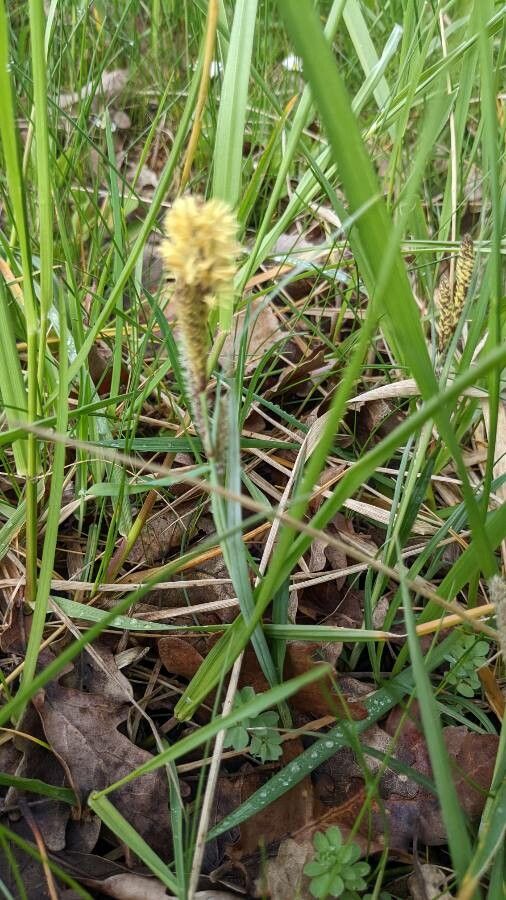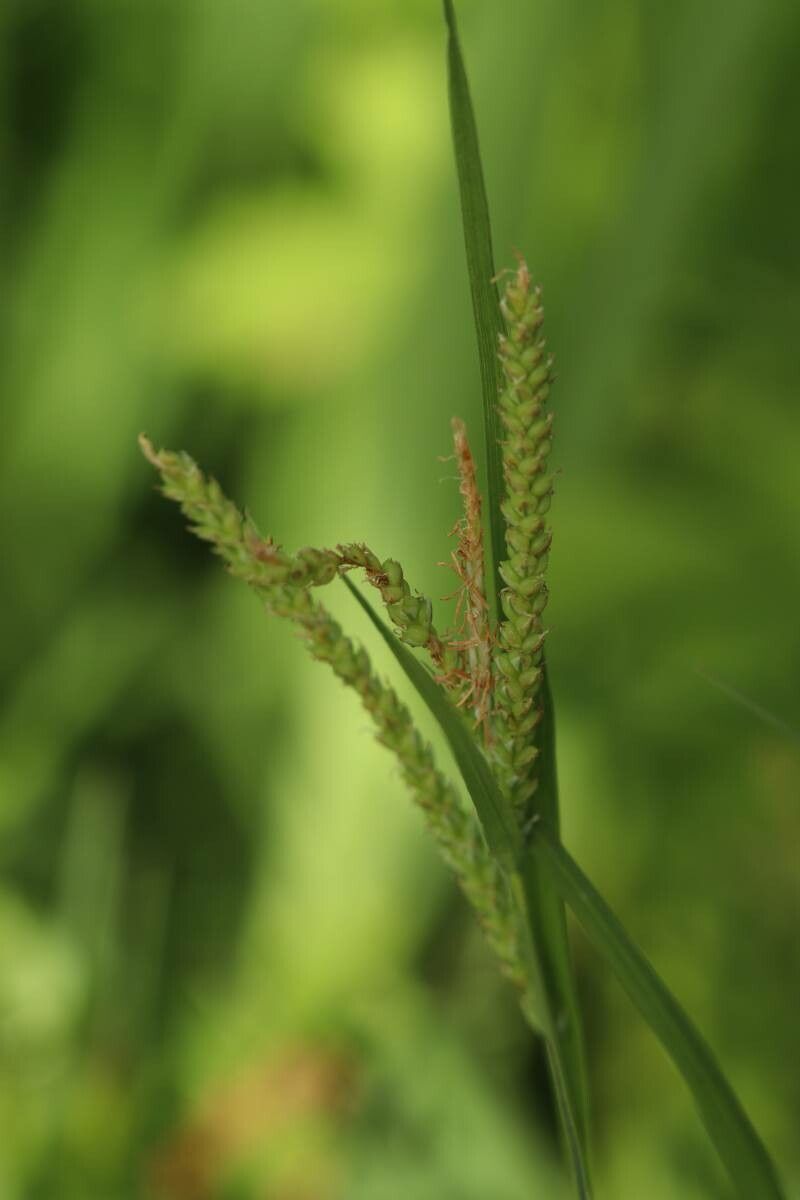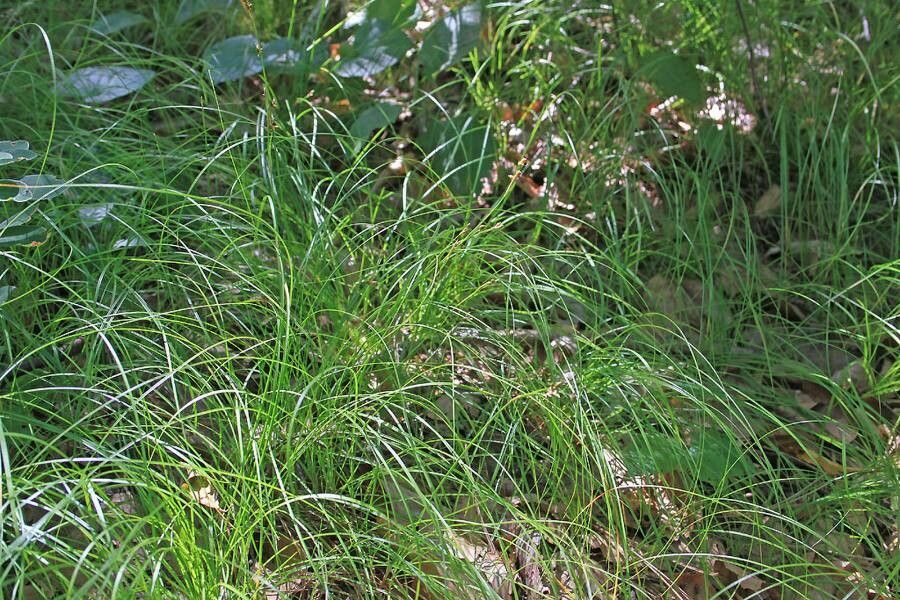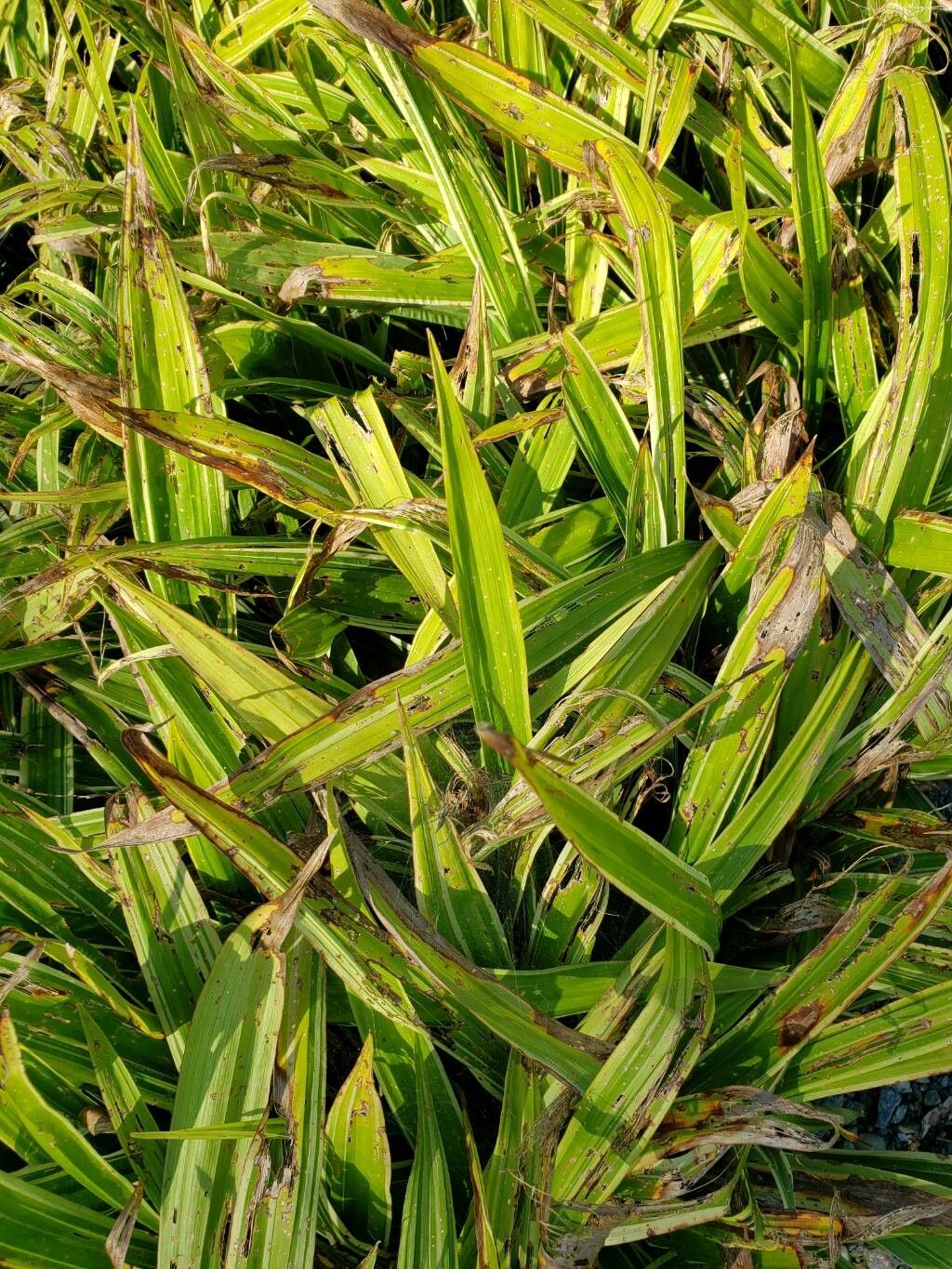
Carex siderosticta is a species of sedge native to East Asia. It is the only species of Carex known to produce "pseudo-lateral" culms, which appear to be lateral, but derive from the apical meristem. It is the type species of Carex subg. Siderosticta.
Creeping broad-leaf sedge is resistant to disease and is generally not susceptible to illnesses. In terms of care, the plant is fairly low-maintenance. When grown outdoors it needs only minimal watering, and larger plants typically do not require pruning. Smaller plants, however, should be trimmed after they finish blooming. Creeping broad-leaf sedge is appropriate for anyone with outdoor space, such as a garden or deck, and does not demand much gardening experience.
How to keep Carex Siderosticta.
Light
Creeping broad-leaf sedge is native to habitats such as forest understories or rocky areas, where it occurs in natural shade. It prefers partial sun but can adapt to full sun or full shade, demonstrating its versatile and hardy nature.
Water
Creeping broad-leaf sedge thrives in humid conditions and needs regular, balanced watering, ideally once a week. It prefers moist environments similar to its native habitat, benefiting from regular rainfall and damp soil. As an evergreen plant, it is often grown outdoors.
Temperature
Creeping broad-leaf sedge can tolerate a wide range of temperatures, but its distribution may still be limited by particular combinations of moisture and heat. It does best in warm summer conditions with adequate rainfall or watering. Extended periods of cloudy and rainy weather, as well as prolonged high temperatures, raise the likelihood of the sedge dying. In winter, proper protection from cold can improve the plant's survival rate.
Fertilizer
Creeping broad-leaf sedge needs extra nutrients to encourage healthy new growth. In spring, adding compost around the base of the plant is an effective way to supply the nutrition it requires. Fertilizing supports vigorous growth and helps the plant withstand diseases and pests.
Pruning
For best results with your creeping broad-leaf sedge, consider pruning it early in the spring. This encourages dense foliage and ensures the plant remains healthy and vigorous. Be sure to remove any damaged leaves and trim any overgrown sections to maintain the plant's shape and improve air circulation. These practices will enhance the plant's vitality. For optimal care methods, consult reliable horticultural sources.
Botanical profile.
- Plant Type
- Grass
- Life Cycle
- Perennial
- Genus
- Carex
- Family
- Cyperaceae
- Hardiness Zone
- 4-9
- Mature Height
- 15 cm to 30 cm
- Mature Spread
- 15 cm to 30 cm
- Leaf Color
- White, Green
- Leaf Type
- Evergreen
- Flower Color
- Brown
- Flower Size
- 2.54 cm
- Bloom Time
- Mid spring, Late spring
- Planting Time
- Spring
- Harvest Time
- Early summer, Mid summer
- Native Area
- Russia, Japan, Koppen, South Korea, China