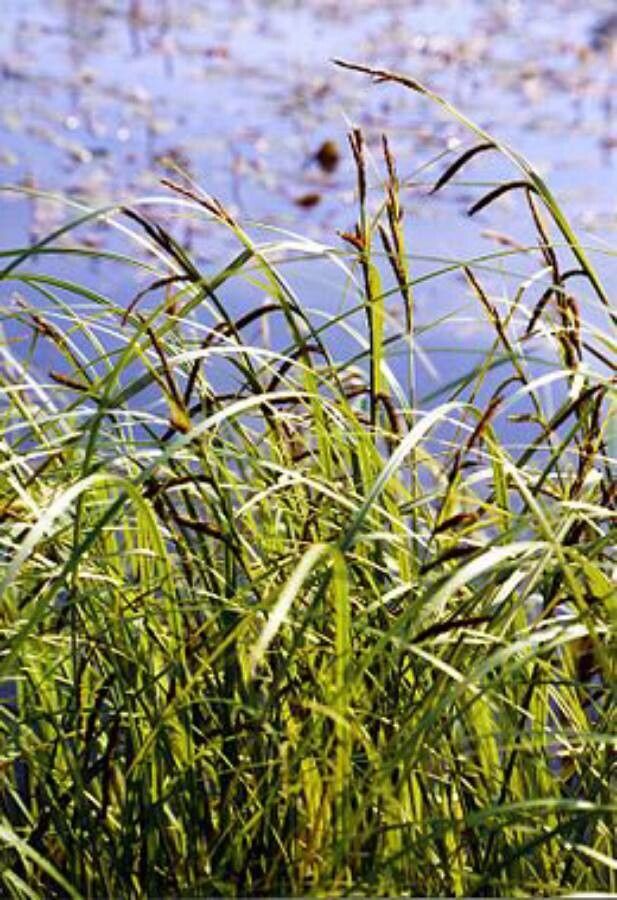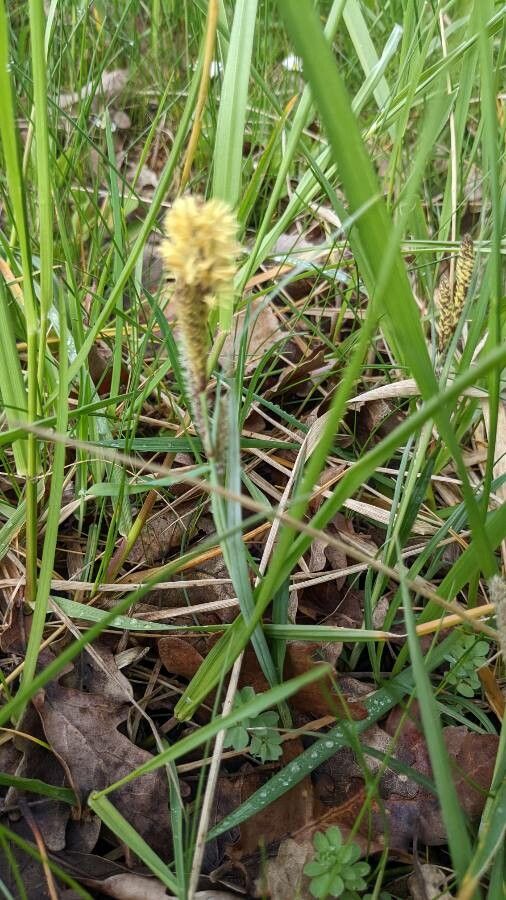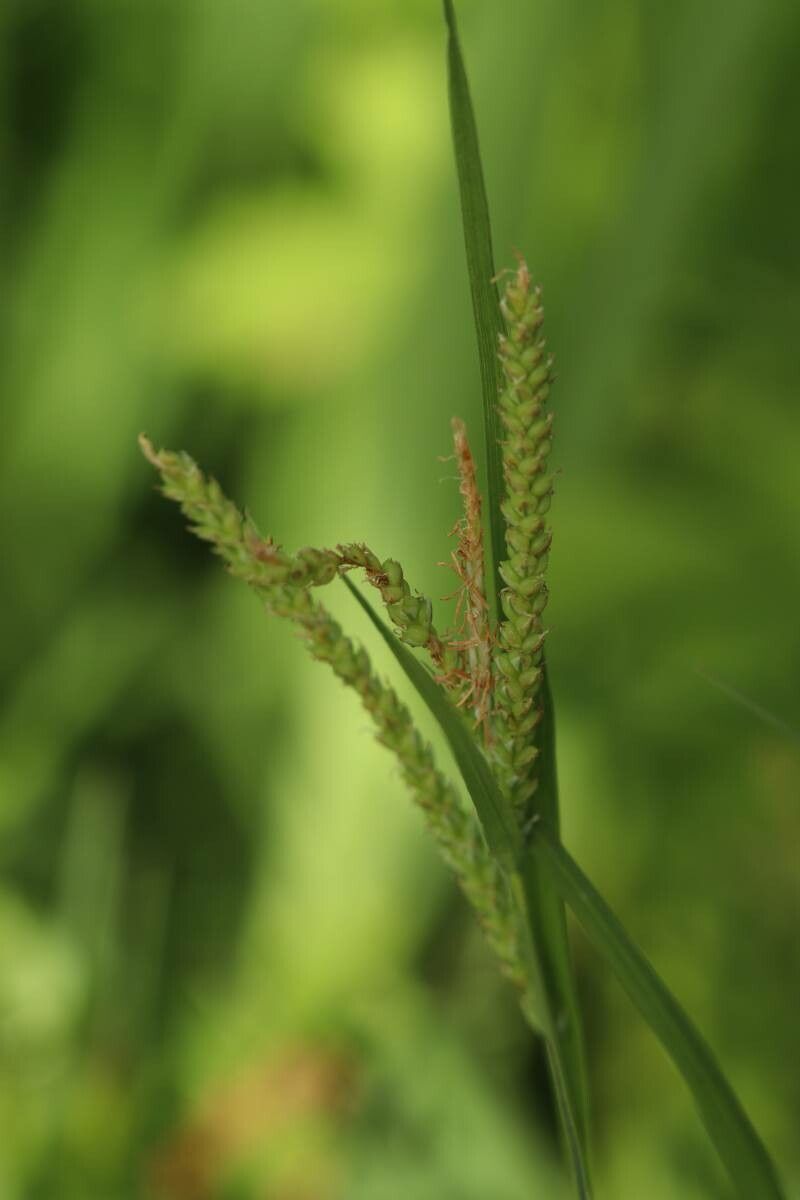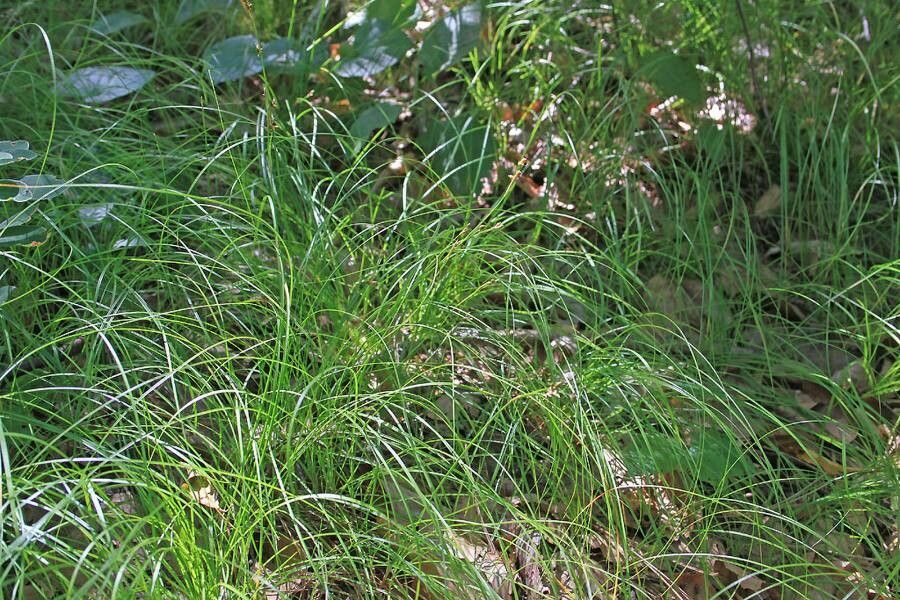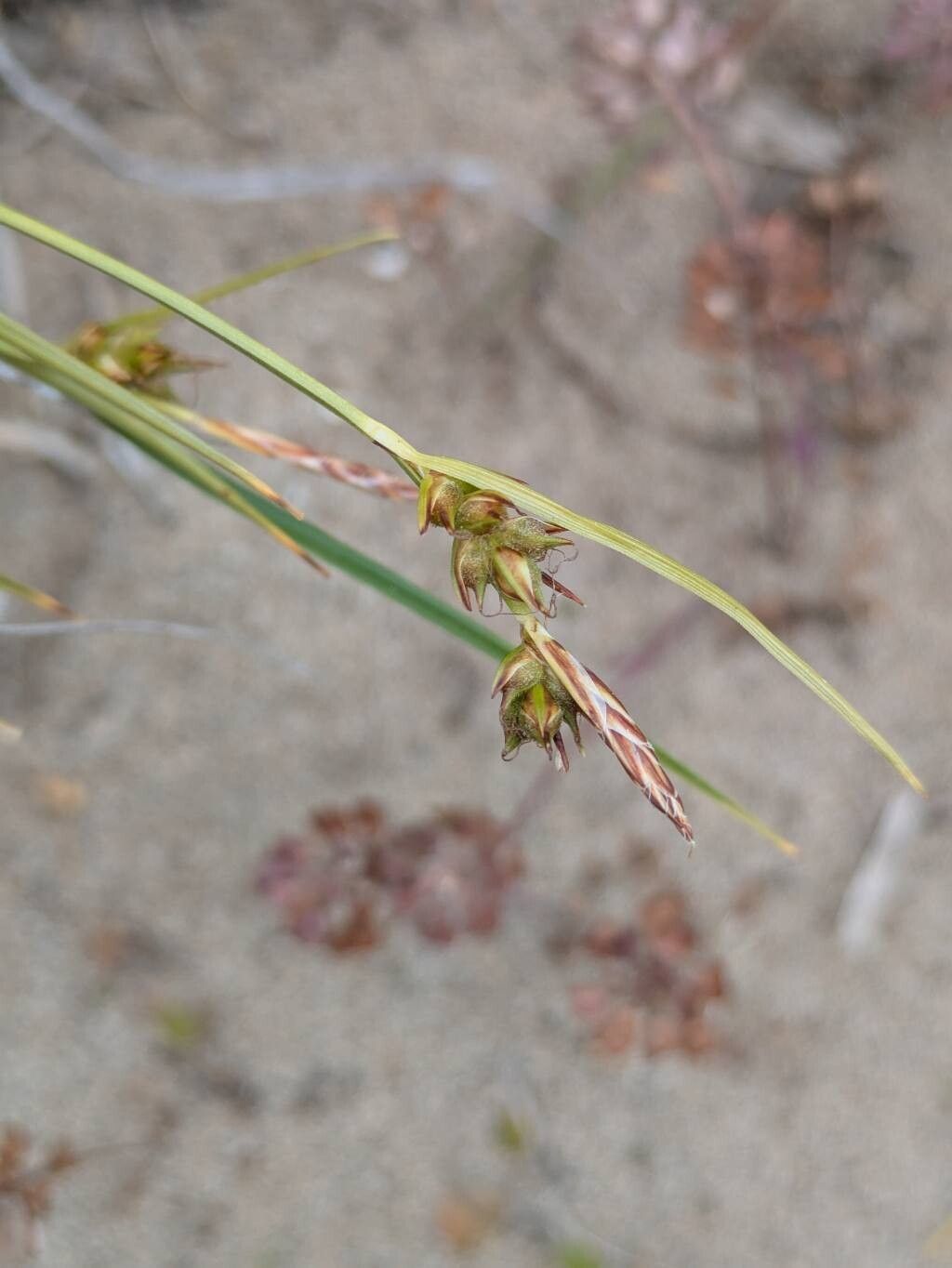
Carex rossii, commonly known as Ross's sedge, is a hardy species of sedge that is often a pioneer species in areas with little or no established vegetation, or in places where disturbance has occurred. Ross's sedge grows in a variety of habitats throughout much of western North America, from Alaska to Ontario, south to New Mexico and California. It flowers in May and June.
Ross's sedge is resistant to disease and is generally not prone to illnesses. In terms of care, this plant is fairly low-maintenance. Planted outdoors it needs only minimal watering, and larger specimens typically do not require pruning. Smaller plants, however, should be pruned after they have finished blooming. Ross's sedge is suitable for anyone with outdoor space, such as a garden or a deck, and does not require extensive care experience.
How to keep Carex Rossii.
Light
Originating from open habitats, Ross's sedge is a perennial herbaceous plant that loves the sun, and it commonly thrives in places like meadows and grasslands. While it prefers full sunlight, it can also withstand conditions of partial sun.
Temperature
Ross's sedge flourishes in chilly climates and areas of high elevation. It favors lower temperatures, abundant air flow, and a damp habitat. During the summer season, it requires certain steps to be taken to keep it cool, because it is highly sensitive to heat and can readily perish due to it. It may also get damaged in arid conditions. In the winter season, there is no particular need for measures against the cold, however, it is crucial to preserve the moisture in the soil.
Fertilizer
Ross's sedge necessitates extra nutrition to stimulate wholesome fresh growth. During spring, depositing compost about the bottom of the plant can competently supply the requisite nutrients it needs. Fertilization assists in fostering robust growth and supports the plant in warding off diseases and pests.