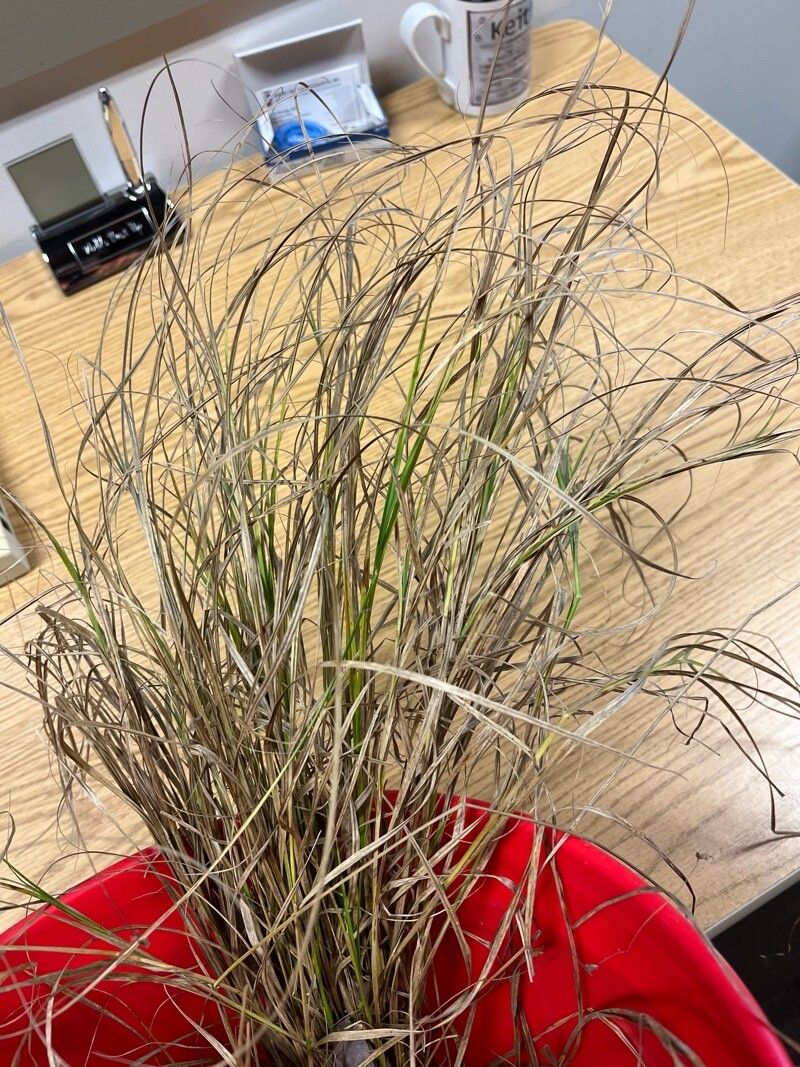
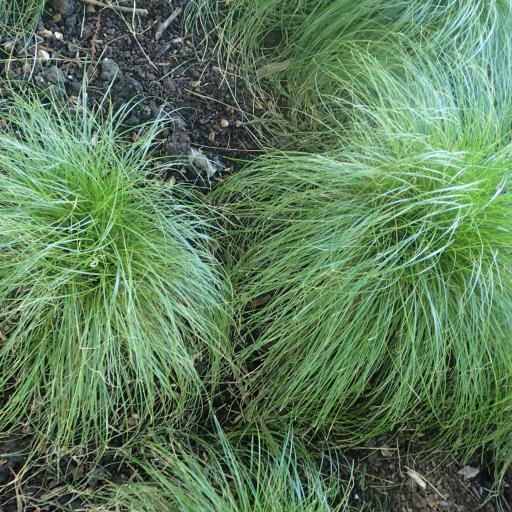
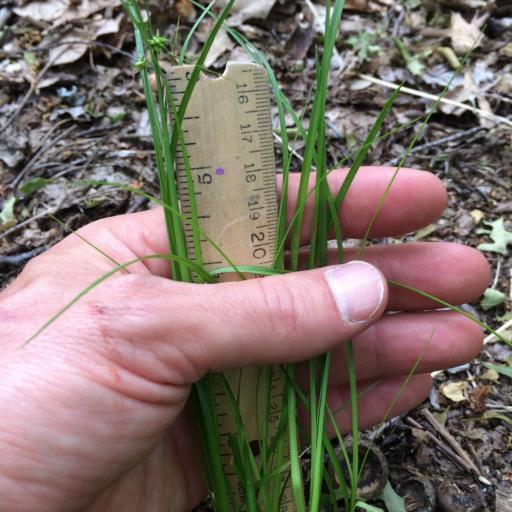
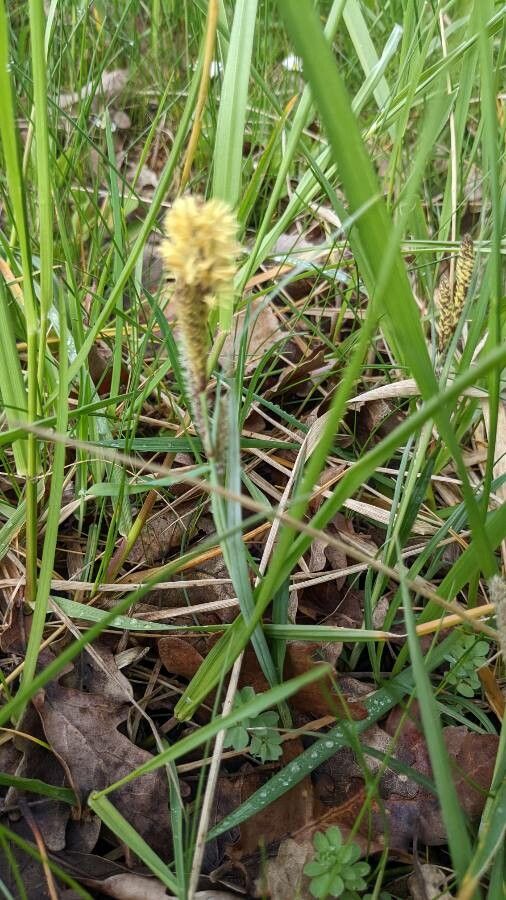
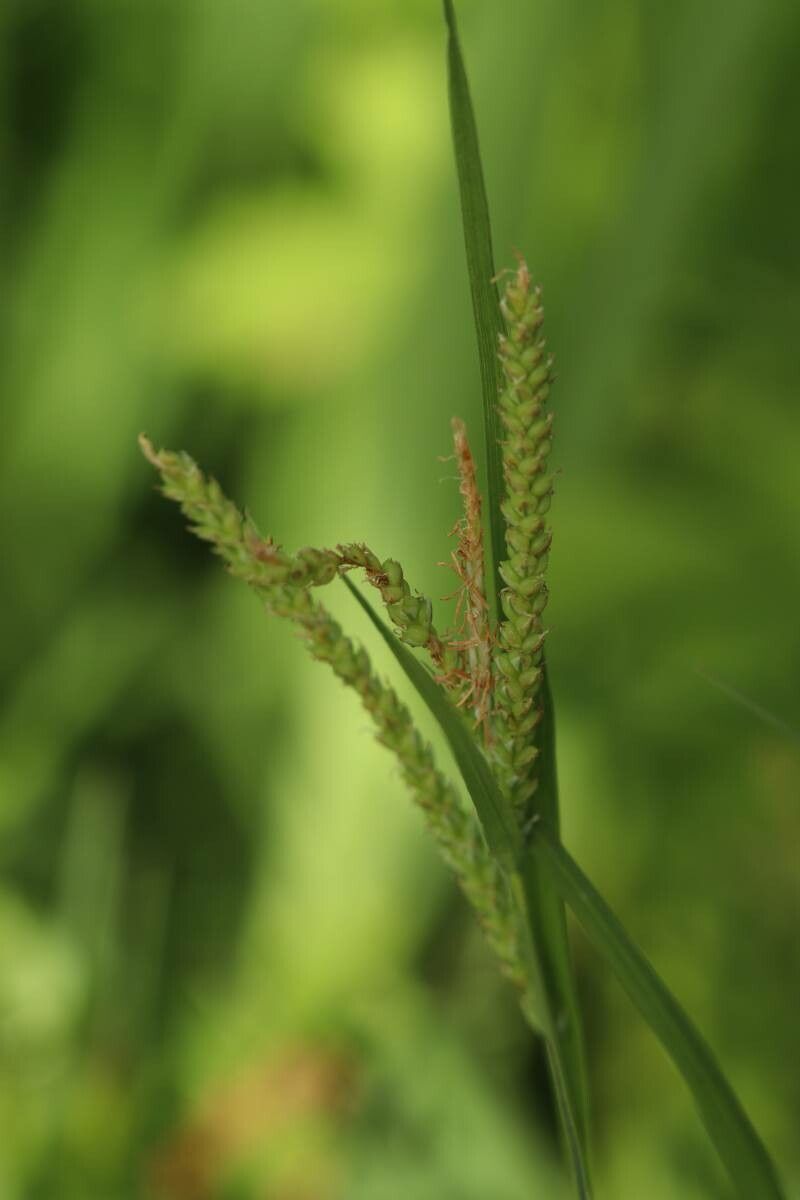
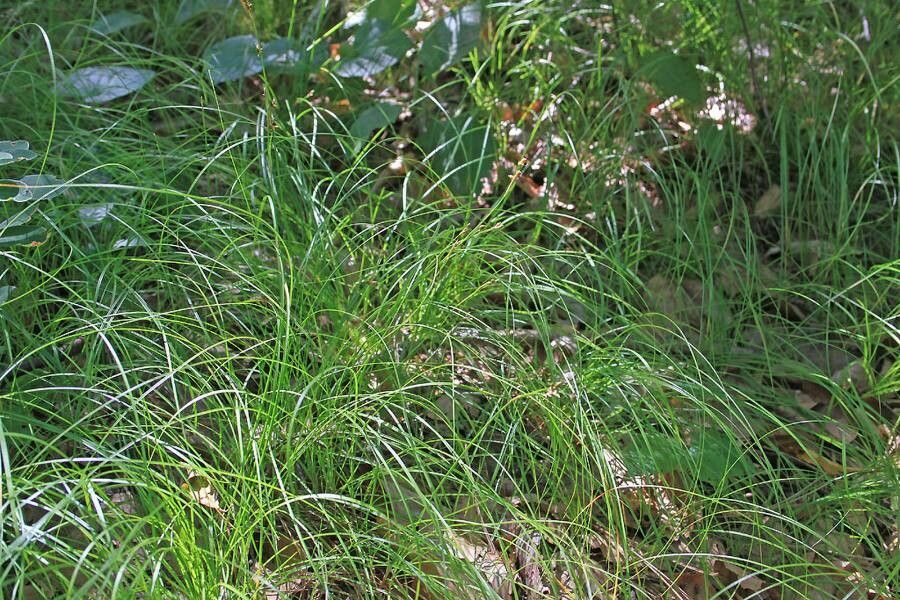
Carex rosea, the rosy sedge, is a flowering plant and part of the family Cyperaceae. Synonyms for Carex rosea include Carex concoluta, and Carex flaccidula. It is native to central and eastern North America and it exists in wet to dry soils. Carex rosea can be found in shores of streams and bottomlands, as well as ponds. It is known to have great adaptations to dry-shade locations. This is an evergreen, easy-to-grow-plant.
Rosy sedge has solid resistance to disease and is generally not susceptible to illnesses. As for care, this plant is fairly low-maintenance. When grown outdoors it needs only light watering, and larger specimens usually do not require pruning. Smaller plants, however, should be pruned after they finish blooming. Rosy sedge is a good choice for anyone with an outdoor area, such as a garden or deck, and does not demand much gardening experience.
How to keep Carex Rosea.
Light
Rosy sedge is native to habitats like forest understories or rocky sites, where it receives natural shade. It prefers partial sun but can also tolerate full sun or full shade, showing its versatile, hardy nature.
Water
Rosy sedge thrives in moist woodland environments and prefers soil that is consistently damp but not waterlogged. Watering it once a week helps keep the soil moist. Typically found as an understory plant, rosy sedge also benefits from high indoor humidity, which supports its lush foliage during active growth periods.
Temperature
Rosy sedge can tolerate a wide range of temperatures, but its distribution may still be restricted by particular combinations of moisture and heat. It performs best in warm summer conditions with sufficient rainfall or watering. Extended periods of cloudy, rainy weather or prolonged high temperatures can raise the chance of Rosy sedge dying. In winter, providing proper protection from cold can enhance the plant's survival rate.
Fertilizer
Rosy sedge benefits from extra nutrients to encourage healthy new growth. In spring, applying compost around the base of the plant will effectively supply the needed nutrition. Fertilizing supports vigorous growth and helps the plant withstand diseases and pests.
Pruning
Pruning rosy sedge in early spring encourages growth and helps prevent diseases. To rejuvenate the plant, it is important to remove damaged leaves and old stems. Regular pruning not only improves the plant's appearance but also helps control its spread. Make sure to use clean, sharp tools to ensure precise cuts and minimize stress on the plant.
Pot & Repot
When repotting Rosy sedge, select a pot 1-2 inches (2.5–5.1 cm) larger with good drainage. Use a well-draining potting mix. Repot in spring or fall, making sure the root ball sits slightly below the rim of the flower pot. Water thoroughly after repotting and place it in a warm spot with indirect sunlight.
Botanical profile.
- Plant Type
- Grass
- Life Cycle
- Perennial
- Genus
- Carex
- Family
- Cyperaceae
- Hardiness Zone
- 4-8
- Mature Height
- 20 cm to 91 cm
- Mature Spread
- 30 cm
- Leaf Color
- Green
- Leaf Type
- Semi-evergreen
- Flower Color
- Yellow, Green, Purple
- Flower Size
- 2.54 cm
- Bloom Time
- Early spring, Mid spring
- Planting Time
- Spring, Autumn
- Harvest Time
- Late spring, Early summer
Other names.