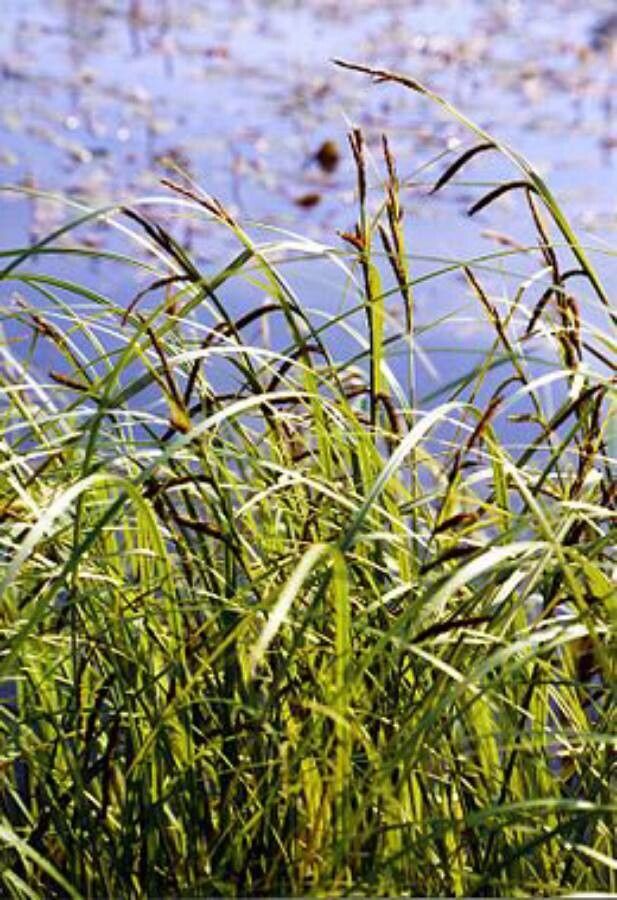
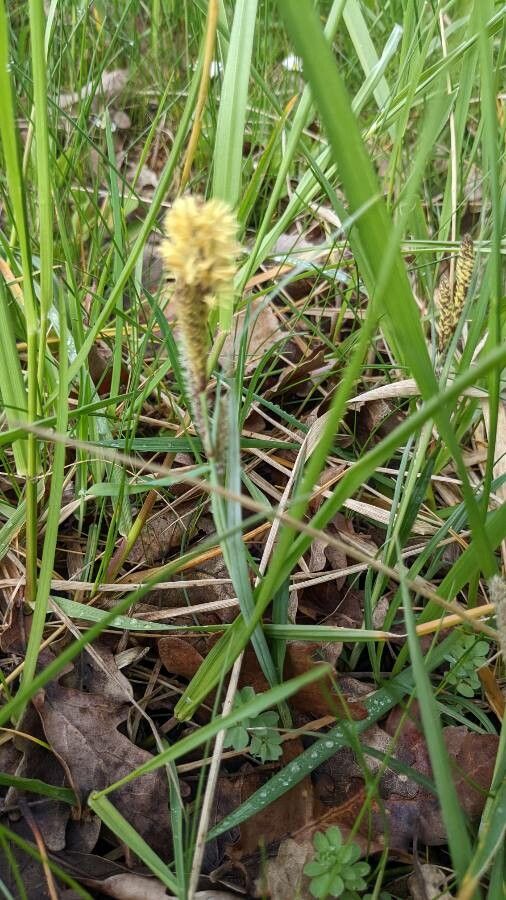
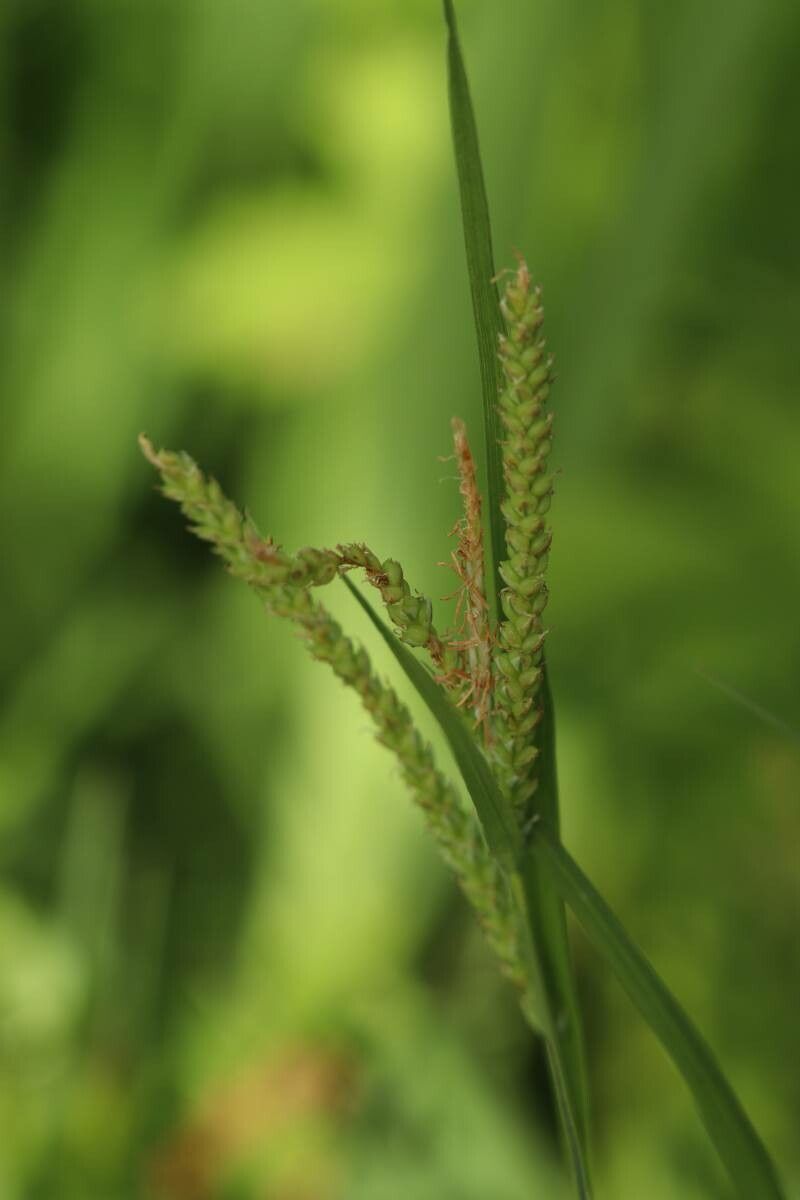
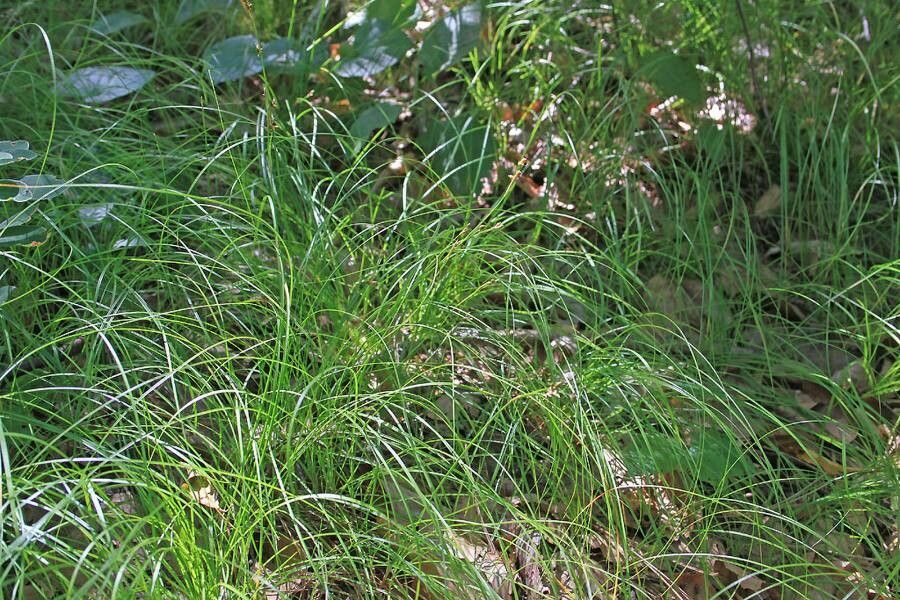
Carex raynoldsii is a species of sedge known by the common name Raynolds' sedge. It is native to western North America and grows in alpine to subalpine meadows.
Raynold's sedge has good resistance to disease and is generally not prone to illness. However, it can be affected by pests and diseases present in its surroundings. Such infections are typically not severe. For care, this plant needs moderate maintenance. Regular pruning is required to preserve a tidy appearance and support healthy growth. Applying fertilizer can also encourage flowering. Raynold's sedge is appropriate for anyone with outdoor space, such as a garden or patio, and does not demand extensive plant-care experience. It may need more attention when cultivated indoors.
How to keep Carex Raynoldsii.
Light
Raynold's sedge thrives naturally in shaded environments like forest understories or rocky regions. While it favors semi-sunny conditions, it can acclimate to both full sunlight and complete shade, showcasing its adaptable and resilient characteristics.
Water
Raynold's sedge thrives in consistently moist environments and does best in wet conditions. For optimal growth, it requires weekly watering. This plant's ability to retain water is well-suited to its natural habitat. During the growing season, maintaining proper soil moisture is especially important for its healthy development.
Fertilizer
The Raynold's sedge needs extra nutrients to encourage robust new development. Administering compost around the plant's base during spring can be an effective method of delivering the required nutrition. Fertilization enhances its vigorous growth and provides aid to the plant in combating diseases and pests.
Pruning
Raynold's sedge flourishes in moist environments and forms dense tufts. To shape the plant, remove dead foliage, and encourage robust growth, prune it in early spring. Regular pruning also helps minimize the risk of disease and enhances the plant's appearance. For effective maintenance, use sharp and clean tools.
Botanical profile.
- Plant Type
- Herb, Grass
- Life Cycle
- Perennial
- Genus
- Carex
- Family
- Cyperaceae
- Hardiness Zone
- 6-9
- Mature Height
- 30 cm to 61 cm
- Mature Spread
- 20 cm to 40 cm
- Leaf Color
- Green, Dark Green
- Leaf Type
- Evergreen
- Flower Color
- Yellow, Green, Purple, Brown
- Flower Size
- 0.51 cm to 1.02 cm
- Bloom Time
- Late spring, Early summer
- Planting Time
- Spring
- Harvest Time
- Mid summer, Late summer
Other names.
Reader questions.
What are the sunlight requirements for Raynold's sedge?
Raynold's sedge requires full sun, which means it should receive above 6 hours of sunlight daily, but it can also tolerate partial sun conditions, defined as about 3-6 hours of sunlight. It's important to observe how sunlight moves through your garden to choose spots that provide the perfect balance for your plants, ensuring their happiness and optimal growth.
What are the essential care tips for Raynold's sedge to thrive?
Raynold's sedge, known botanically as Carex raynoldsii, adapts well to a broad range of temperatures. However, its thriving conditions involve warm climates with sufficient rainfall or watering during the summer. It possesses strong cold resistance, meaning special frost protection measures may not be necessary. Despite this, in regions where winter temperatures can drop below -25°C, implementing cold protection by covering the plant with soil or straw is advisable. To aid in winter survival, watering the plant abundantly before the first freeze to maintain moist soil is recommended. It's important to note that prolonged periods of either cloudy, rainy weather or extreme heat may increase the risk of the plant dying.
What can be done if natural sunlight is insufficient for Raynold's sedge?
If Raynold's sedge doesn't get enough natural sunlight, especially in winter or less sunny spaces, artificial lighting can be a vital solution. For optimal growth under artificial light: Choose LED lights as they can be customized to specific wavelengths needed by plants. Full sun plants require 30-50W/sq ft, partial sun plants 20-30W/sq ft, and full shade plants 10-20W/sq ft of artificial light. Position the light source 12-36 inches above the plant and mimic natural daylight hours, providing 8-12 hours of light per day.
How does Raynold's sedge react to low temperatures, and what are the recommended solutions?
Raynold's sedge exhibits strong cold tolerance and performs best when temperatures remain above 10°C. During winters, it should ideally be kept above -15°C. Vulnerability is evident when temperatures fall below -25°C, potentially leading to a decrease or complete absence of sprouting in the following spring. The recommended solution for plants that fail to sprout due to cold damage is to remove the affected parts in the spring, allowing for healthier regrowth.
What are common symptoms of light deficiency in Raynold's sedge?
Symptoms of light deficiency in Raynold's sedge include small or lighter-colored new leaves, leggy or sparse growth, faster leaf drop, slower or no new growth, chlorosis (leaves turning yellow), sunscald, leaf curling, wilting, and leaf scorching. These symptoms indicate the plant is not receiving adequate sunlight or is exposed to too much sunlight.
What should I do if Raynold's sedge is exposed to high temperatures?
During summer, it's crucial to ensure that the temperature around Raynold's sedge does not exceed 35°C. Exposure to temperatures above 38°C can cause the plant’s leaves to lighten, curl, become prone to sunburn, and in severe cases, lead to the wilting and drying out of the entire plant. To mitigate these effects, remove the sunburned and dried parts of the plant. If possible, relocate the plant to an area less exposed to direct midday and afternoon sun or use a shade cloth. Additionally, maintaining soil moisture through watering in the morning and evening can help counteract the adverse effects of high temperatures.
How can you address sunlight-related issues for indoor and outdoor Raynold's sedge plants?
To address sunlight issues, gradually move Raynold's sedge to sunnier locations, ensuring at least 6 hours of direct sunlight daily for indoor plants, using a south-facing window and considering artificial light for additional support. For outdoor plants, avoid sudden changes in light intensity to prevent sunburn. If obstructions block sunlight, such as trees, consider pruning or transplanting smaller plants to a sunnier location. Remember, parts of the plant affected by insufficient sunlight may not recover, but new growth will be healthy with increased light exposure.