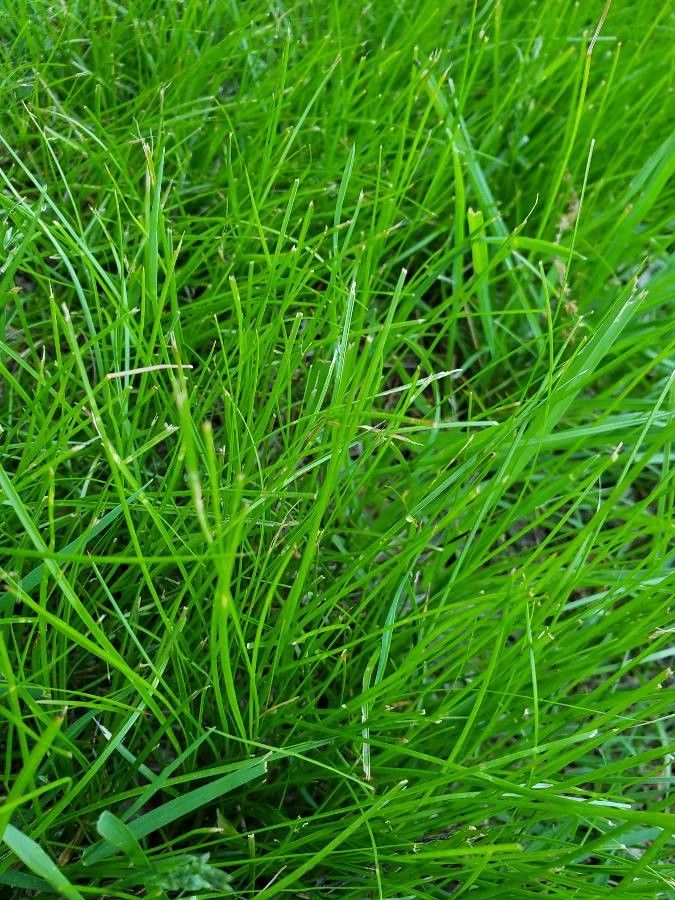
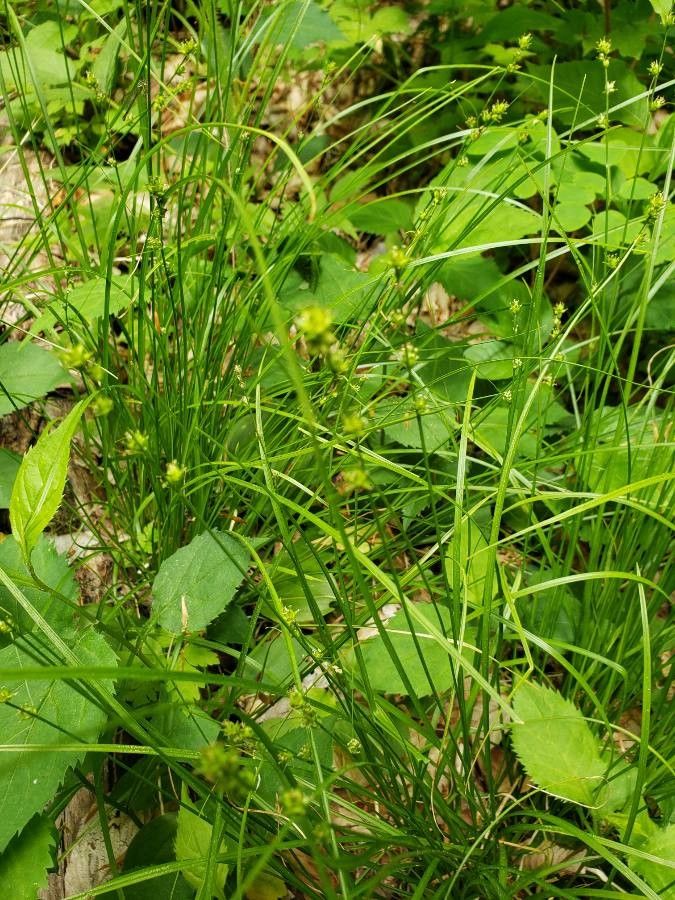
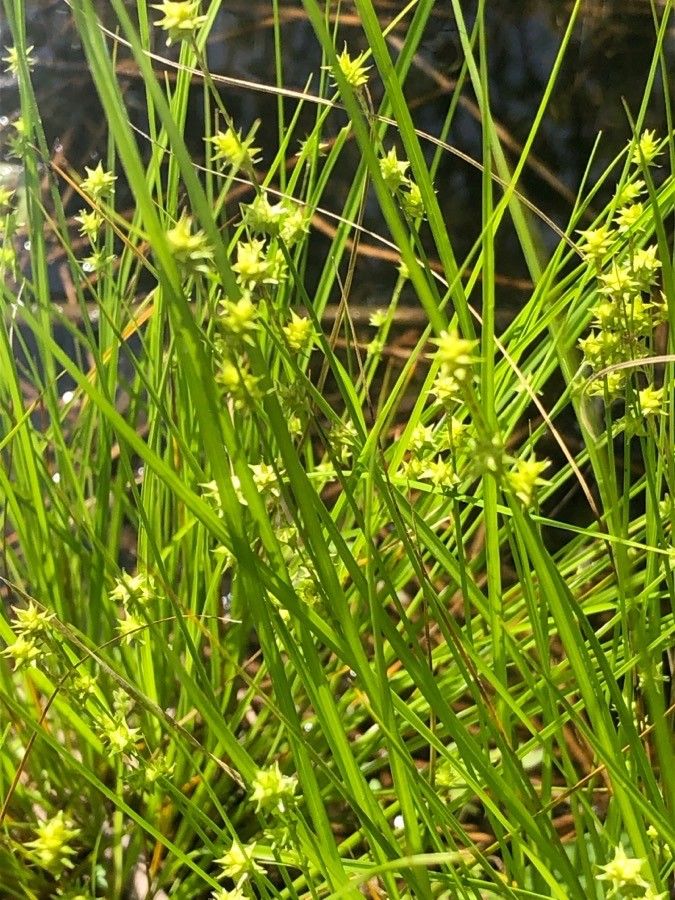
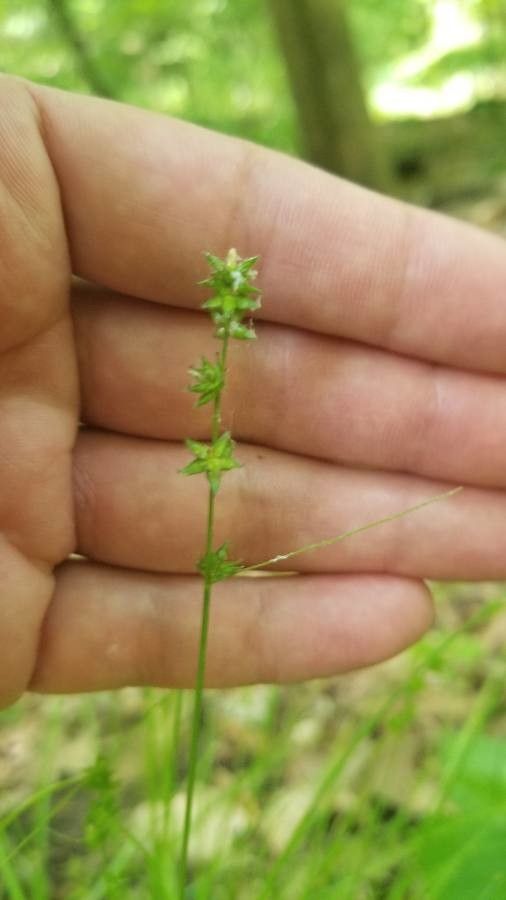
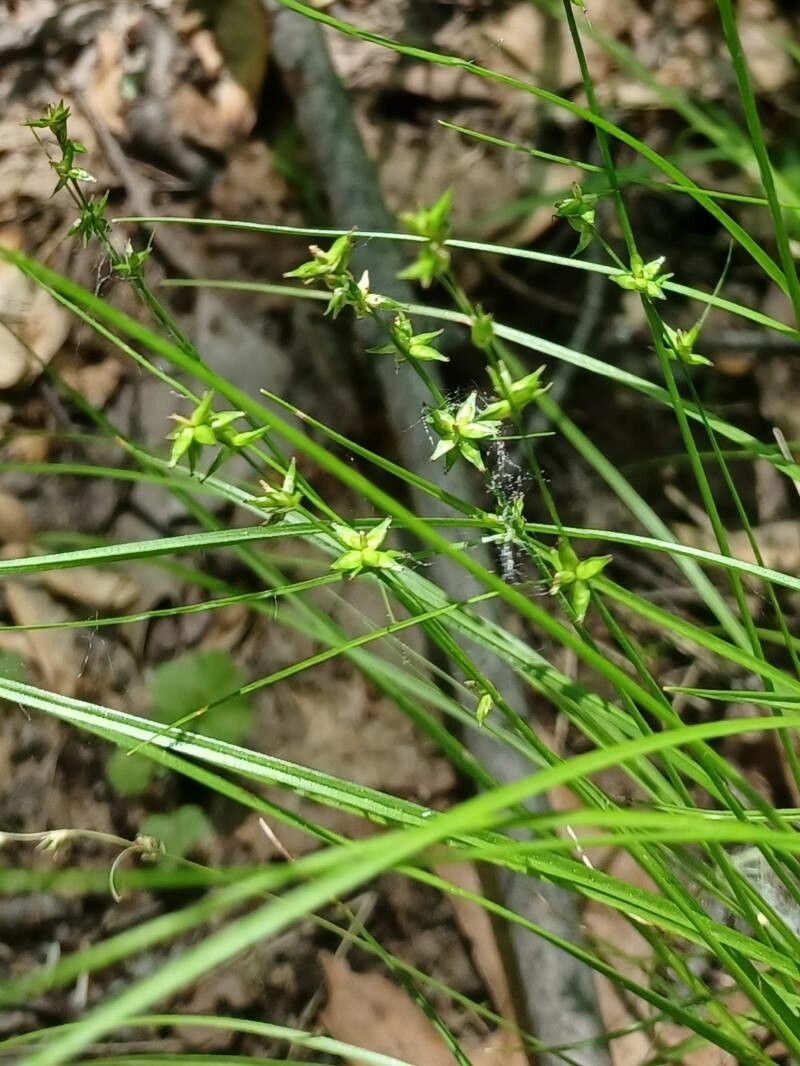
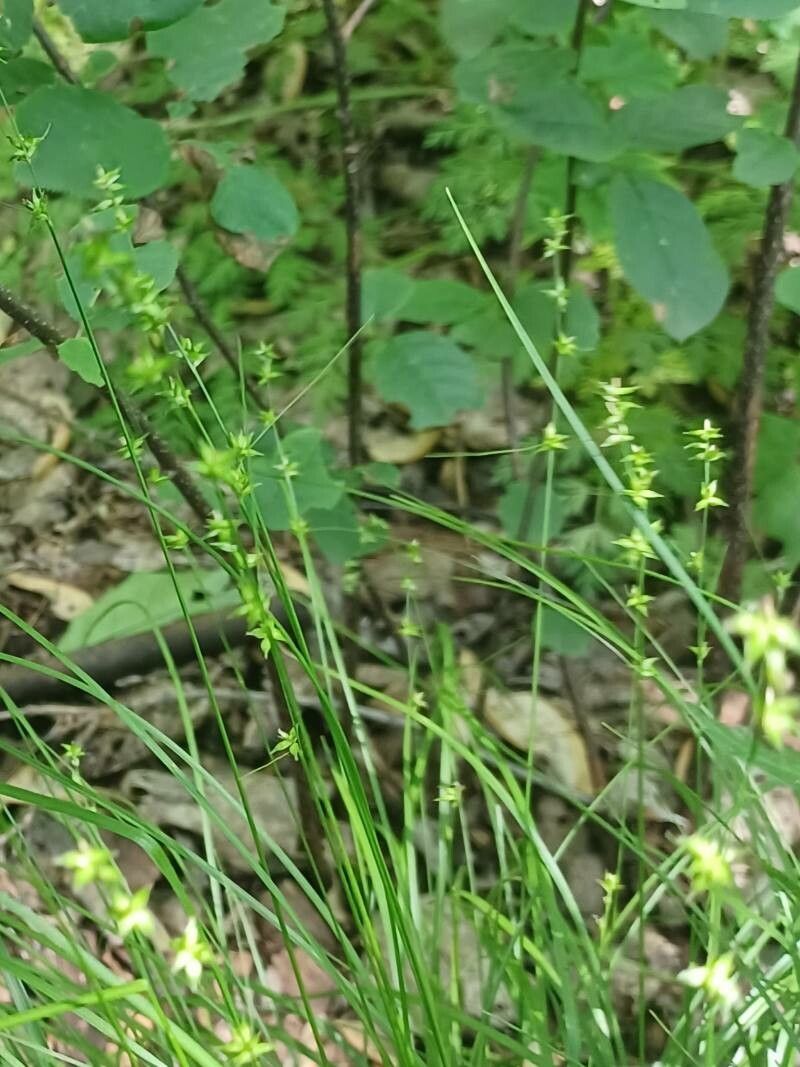
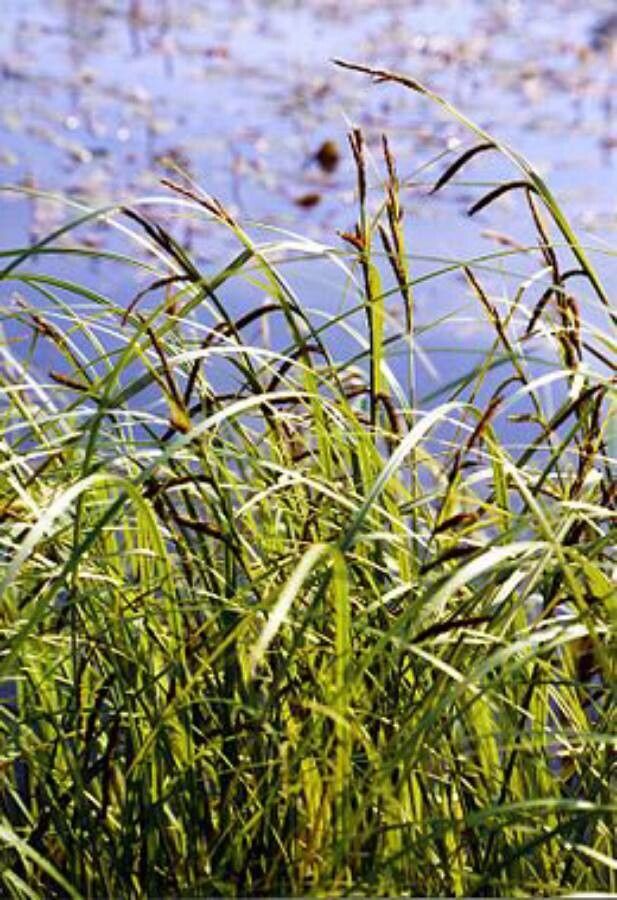
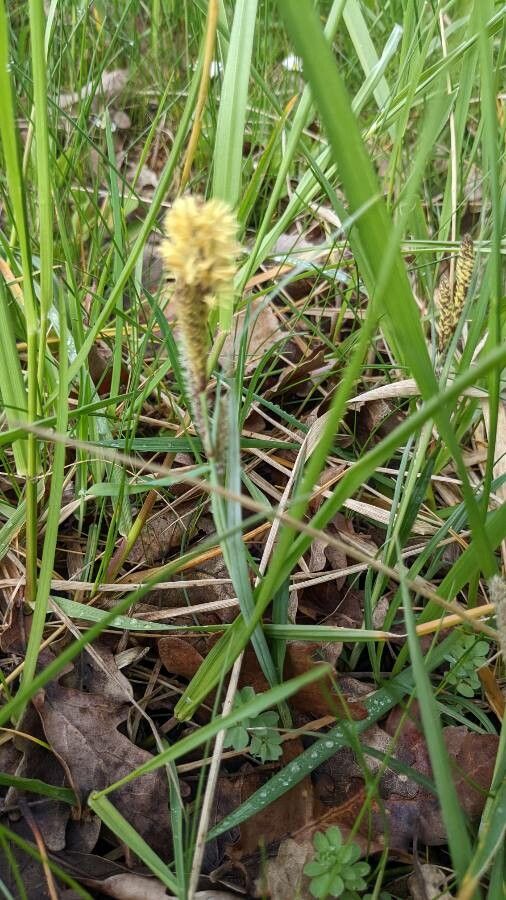
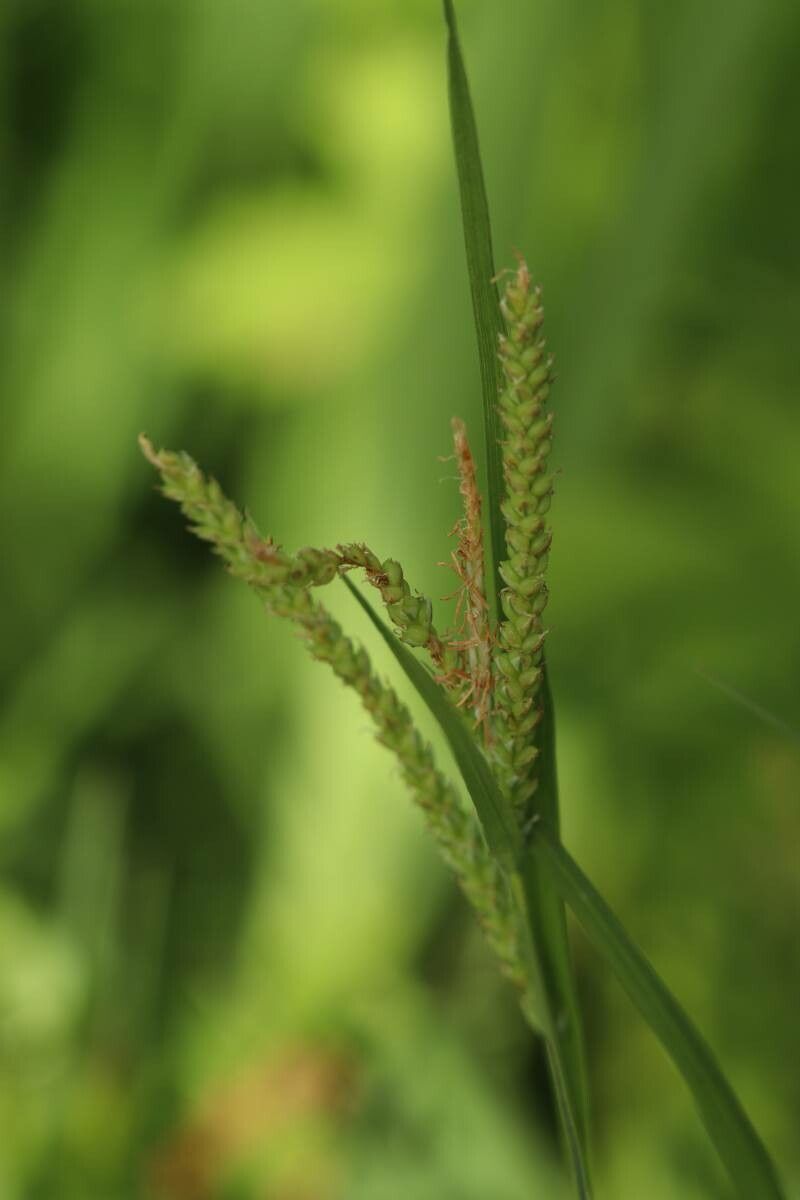
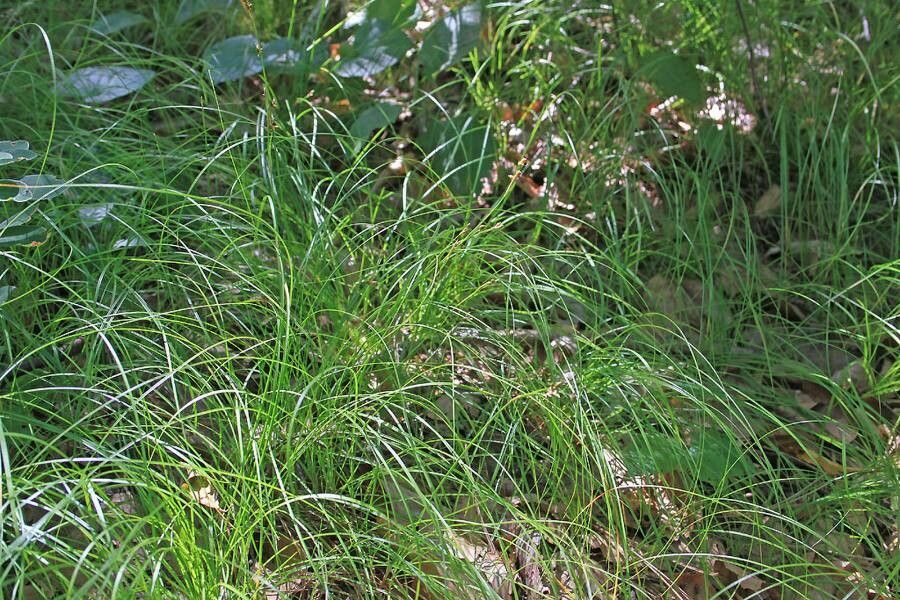
Carex radiata, the eastern star sedge, is a species of flowering plant in the family Cyperaceae, native to central and eastern North America. It is cultivated for its yellowish-green foliage and its relatively—for a sedge—showy flowers.
Eastern star sedge has strong resistance to disease and is generally unlikely to be affected by illnesses. In terms of care, this plant is fairly low-maintenance. When planted outdoors it needs only light watering, and larger plants usually do not require pruning. Smaller plants, however, should be trimmed after they have finished flowering. Eastern star sedge is suitable for anyone with an outdoor space, such as a garden or a deck, and does not demand much gardening experience.
How to keep Carex Radiata.
Light
Eastern star sedge prefers locations that receive sun for only part of the day, though it can tolerate sites exposed to sun all day. Too much sunlight can hinder its growth, while too little can lead to poor health. This is because in its native habitat it evolved under filtered sunlight.
Water
The Eastern Star Sedge flourishes in moist, shaded areas and requires regular watering, although it can withstand short periods of dryness. To keep the soil consistently moist without waterlogging, it should be watered twice a week. When grown outdoors, Eastern Star Sedge benefits from a combination of rainfall and additional watering during its active growing season.
Temperature
Eastern star sedge comes from temperate regions and prefers temperatures of about 50 to 95°F (10 to 35°C). It's important to keep the temperature within this range, which may require heating in winter and cooling during the hotter months.
Fertilizer
Eastern star sedge benefits from extra nutrients to encourage healthy new growth. In spring, applying a layer of compost around the plant’s base can effectively supply the nutrition it needs. Fertilizing supports vigorous growth and improves the plant’s ability to resist diseases and pests.
Pruning
Eastern star sedge benefits from early spring pruning. Trim dead leaves and older stems at their base to encourage new growth and improve air circulation. Regular pruning prevents overcrowding and enhances the plant's vitality. Always use clean tools to prevent the spread of disease.
Botanical profile.
- Plant Type
- Grass
- Life Cycle
- Perennial
- Genus
- Carex
- Family
- Cyperaceae
- Hardiness Zone
- 6-10
- Mature Height
- 61 cm to 76 cm
- Mature Spread
- 30 cm to 46 cm
- Leaf Color
- Green
- Leaf Type
- Evergreen
- Flower Color
- Yellow, Green
- Flower Size
- 2.54 cm
- Bloom Time
- Mid spring, Late spring
- Planting Time
- Spring, Summer
- Harvest Time
- Early summer, Mid summer
Other names.
Reader questions.
What are the sunlight requirements for Eastern star sedge?
Eastern star sedge varies in its sunlight requirements, thriving in partial sun, which means about 3-6 hours of sunlight daily, but can also grow under full sun conditions, meaning it receives more than 6 hours of sunlight a day. The plant originates from environments with filtered sunlight, making it adaptable to different light intensities. However, too much sunlight can inhibit growth, whereas insufficient sunlight may lead to poor health. It's recommended to observe the movement of sunlight through your garden to find the ideal balance of light and shade that ensures the well-being of your plants.
What is the native climate for the Eastern star sedge?
The Eastern star sedge is native to temperate climates, thriving in temperatures ranging from 50 to 95°F (10 to 35°C). This sedge has a strong cold resistance, making it suitable for environments where winters can get quite cold, though special measures may be required if temperatures are expected to drop below -25°C.
How should artificial lighting be used for indoor Eastern star sedge plants?
When natural sunlight is not enough, especially during winter or in darker spaces, artificial lighting can be a beneficial solution for Eastern star sedge plants. Optimal growth is achieved by using artificial lights like LED, which can be tailored to provide specific light wavelengths needed by the plant. The requirements vary: full sun plants need 30-50W/sq ft, partial sun plants require 20-30W/sq ft, and full shade plants need 10-20W/sq ft of artificial light. The light source should be placed 12-36 inches above the plant, simulating natural sunlight conditions. The duration of exposure should mimic natural daylight hours, generally 8-12 hours daily.
How should I protect Eastern star sedge in winter?
To protect Eastern star sedge during the winter, especially if temperatures are forecasted to fall below -25°C, you can cover the plant with insulating materials such as soil or straw. It's also recommended to water the plant abundantly before the first freeze of autumn to ensure the soil stays moist and freezes, which helps in preventing drought and water scarcity for the plant during winter and early spring.
What are common symptoms of incorrect lighting for Eastern star sedge?
When Eastern star sedge grows in less than optimal light conditions, several symptoms might occur. Indoor plants may exhibit small or lighter-colored new leaves, indicating insufficient sunlight. Leggy growth, faster leaf drop, and slower or stalled growth suggest poor light conditions. Chlorosis, sunscald, leaf curling, wilting, and leaf scorching are symptoms related to excessive sunlight exposure. These signs demonstrate the plant's difficulty in adapting to its lighting environment, whether it's too much or too little light.
What are the key symptoms of temperature stress in Eastern star sedge?
For Eastern star sedge, low temperatures above 10°C are optimal, but it should not be exposed to temperatures below -15°C. Below -25°C, you might not see visible distress during winter, but there could be less sprouting or none at all come spring. At high temperatures above 35°C, especially beyond 41°C, the leaves might lighten, curl, become prone to sunburn, or the plant might wilt and dry out completely.
What solutions can help Eastern star sedge adjust to its lighting environment?
To optimize Eastern star sedge's growth in varying light conditions, gradual adaptation is key. For indoor plants, progressively moving them to brighter locations or utilizing artificial lighting (like LEDs for at least 8 hours daily) can help. Outdoors, plants should be gradually shifted to sunnier spots to prevent shock and sunburn. Reducing obstructions like overhanging branches and considering transplanting smaller plants during their dormant periods can improve light exposure. Although damaged parts from insufficient light might not recover, new growth should be healthier with adjusted light exposure.
How do I care for Eastern star sedge experiencing temperature stress?
When Eastern star sedge suffers from low temperature stress with inadequate sprouting in spring, remove any non-sprouting parts to encourage new growth. If the plant experiences high temperatures stress, trim away sunburned and dried parts. Move the plant to a shadier location or use a shade cloth to protect it from intense midday and afternoon sun, and ensure to water it in the mornings and evenings to keep the soil moist.