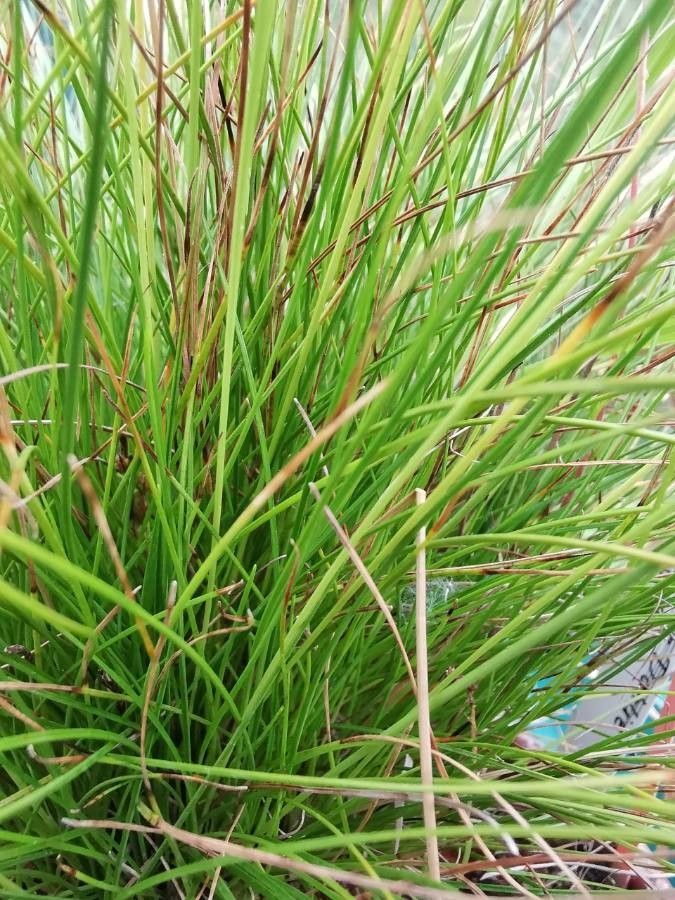
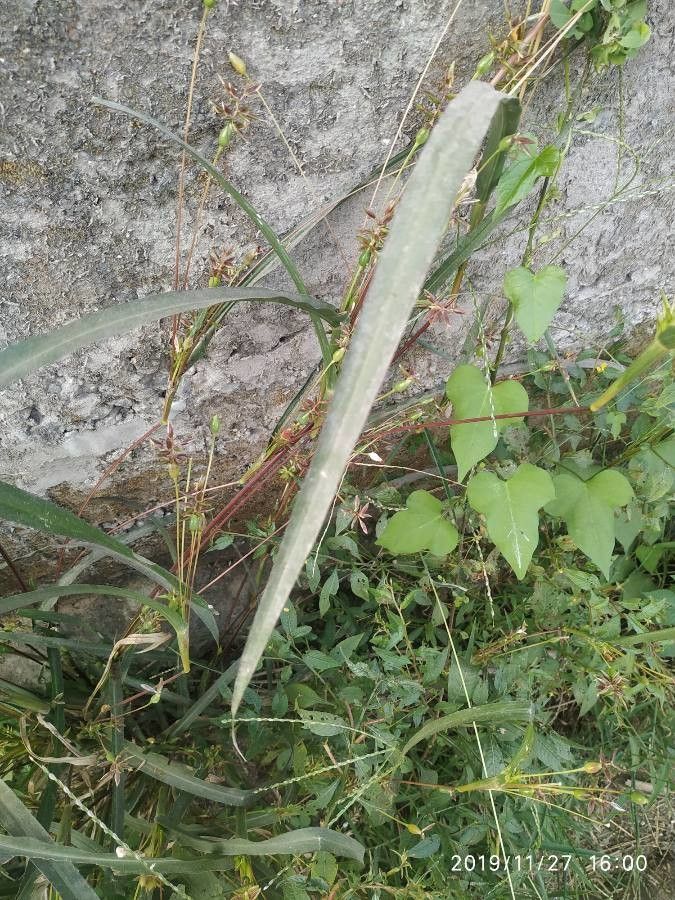
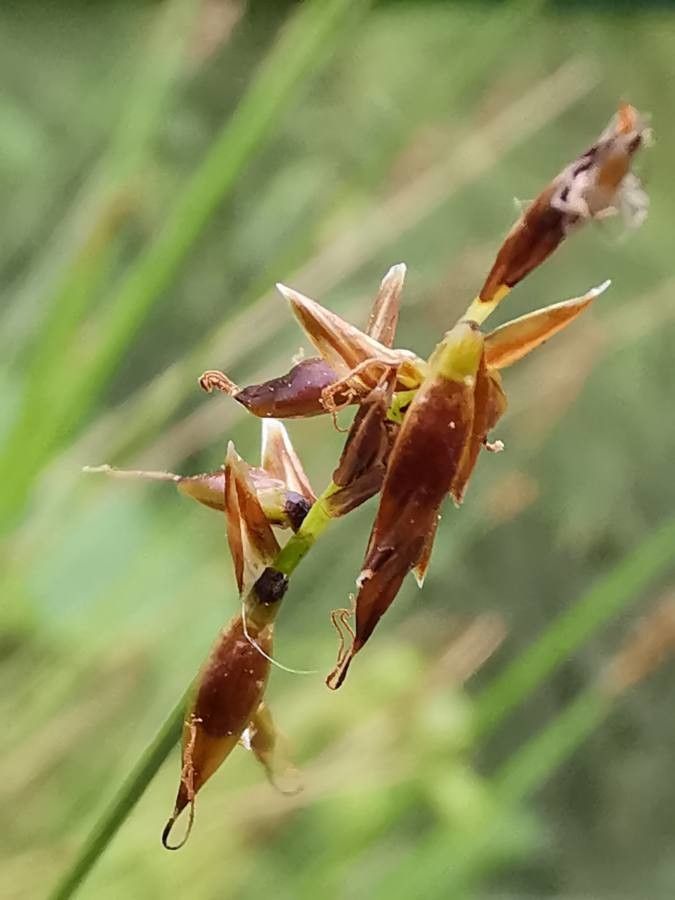
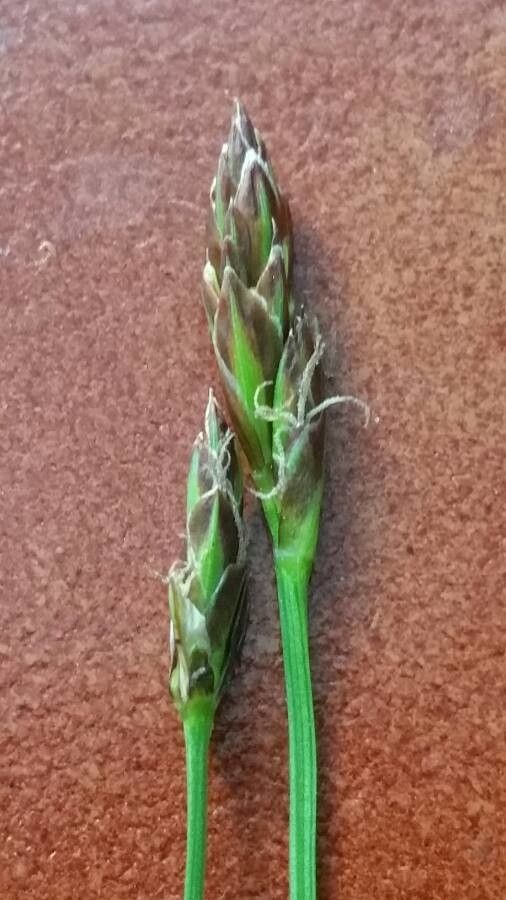
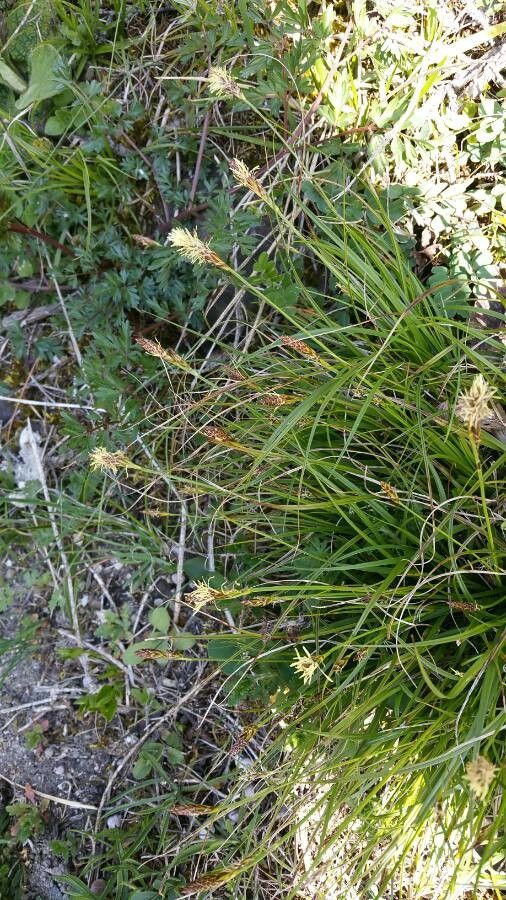
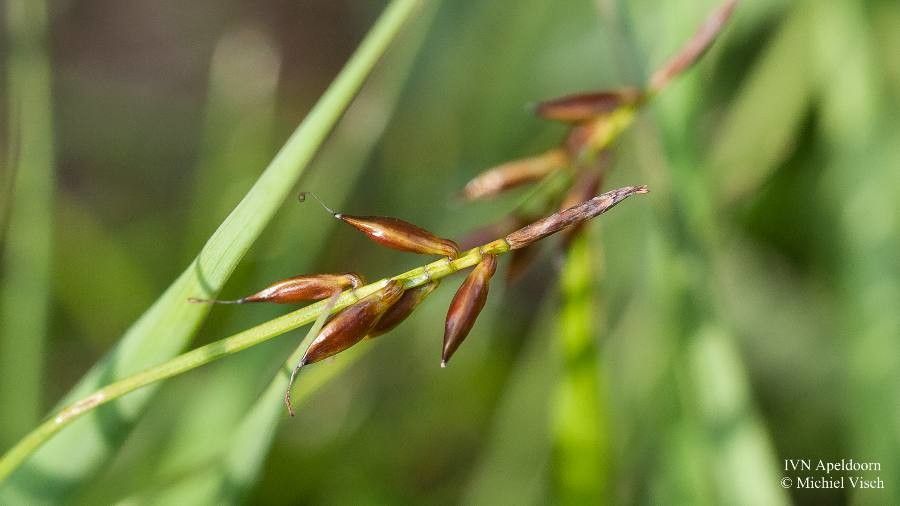
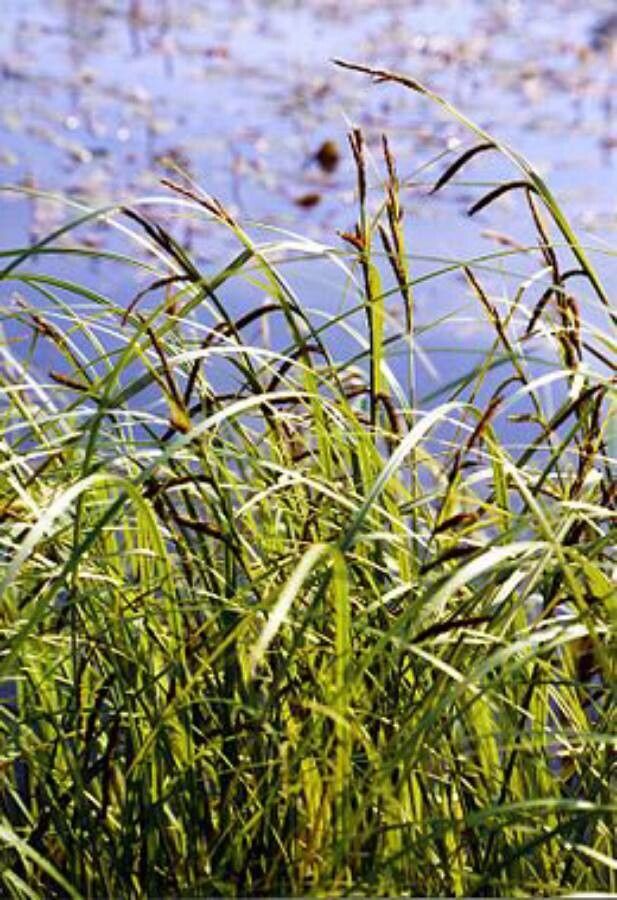
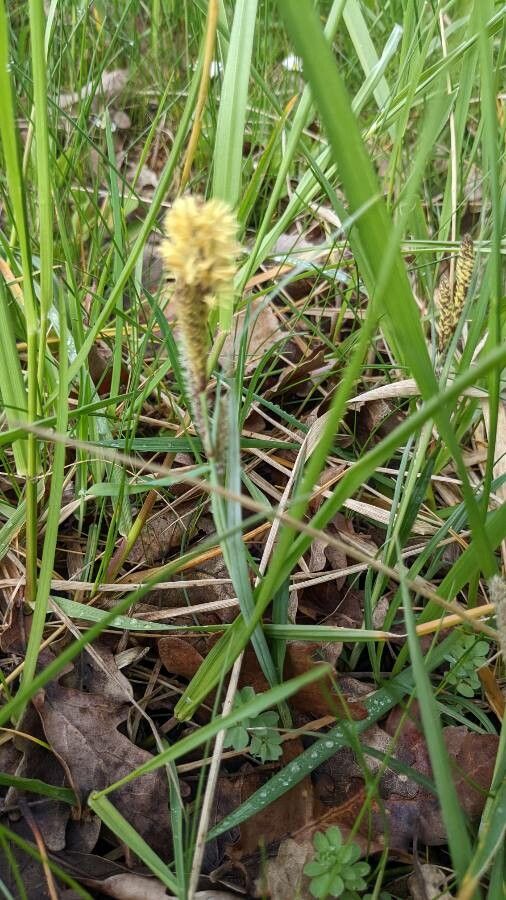
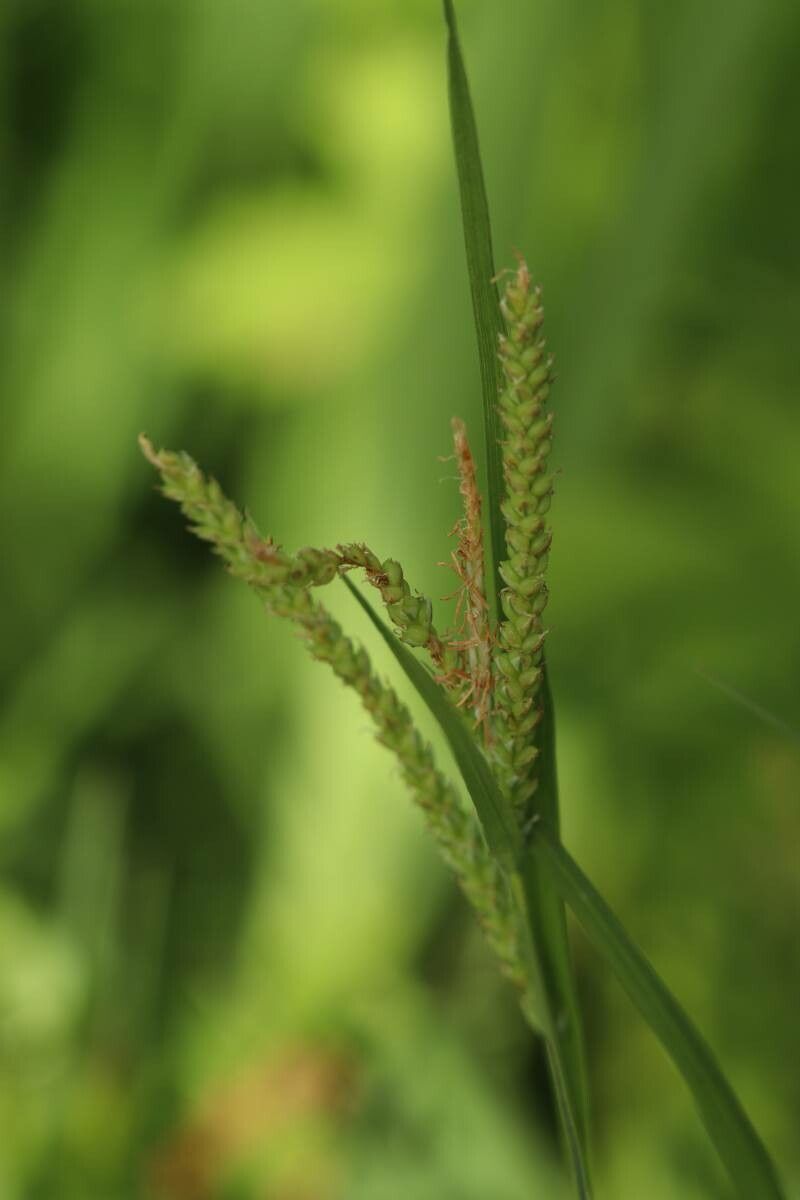
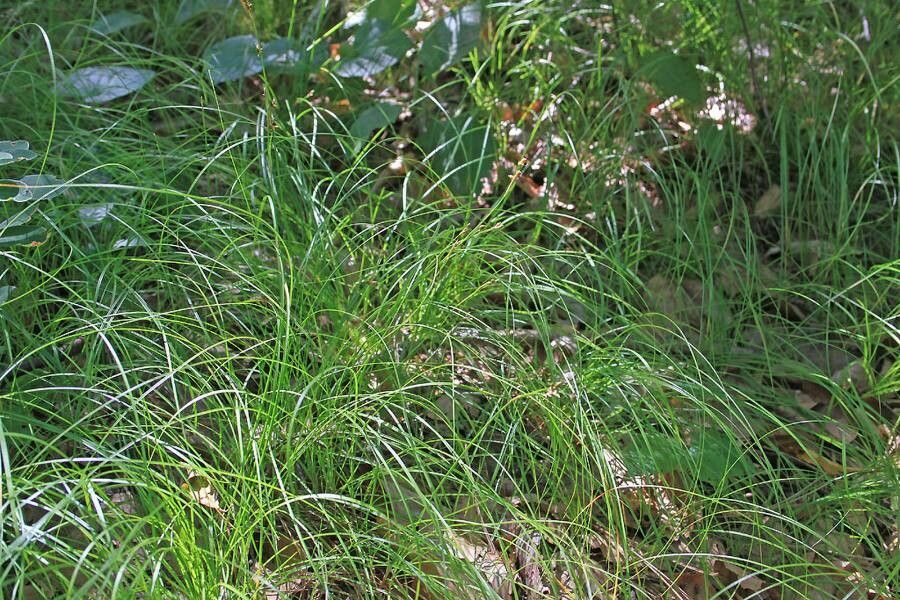
Carex pulicaris, the flea sedge, is a species of sedge in the genus Carex native to Europe.
Flea sedge shows strong resistance to disease and is usually not susceptible to illnesses. In terms of care, this species is fairly low-maintenance. Planted outdoors, it needs little watering, and larger specimens typically do not require pruning. Smaller specimens, however, should be trimmed after they finish blooming. Flea sedge is appropriate for anyone with outdoor space, such as a garden or deck, and does not demand a lot of care experience.
How to keep Carex Pulicaris.
Temperature
Flea sedge can tolerate a wide range of temperatures, though its distribution may still be restricted by certain combinations of moisture and heat. It performs best in warm summer conditions with adequate rainfall or watering. Extended periods of cloudy, rainy weather, as well as extended bouts of high temperatures, increase the risk of Flea sedge dying. In winter, protecting it from cold can improve its chances of survival.
Fertilizer
Flea sedge needs extra nutrients to encourage healthy new growth. In spring, applying compost around the base of the plant can effectively supply the nutrition it requires. Fertilizing supports vigorous growth and helps the plant resist diseases and pests.
Pruning
To promote growth and maintain a compact shape, prune flea sedge in early spring. Carefully remove dead foliage using clean tools to prevent infections. Pruning helps reduce the risk of disease and encourages new shoots. For optimal results, perform this task just before the active growing season begins.
Botanical profile.
- Plant Type
- Grass
- Life Cycle
- Perennial
- Genus
- Carex
- Family
- Cyperaceae
- Hardiness Zone
- 6-10
- Leaf Type
- Semi-evergreen
- Native Area
- Sweden, Austria, Czech Republic, Slovakia, Poland, Croatia, Slovenia, Lithuania, Norway, Germany, Italy, Spain, Switzerland, Denmark, Iceland, Estonia, Netherlands, Finland, Ireland, United Kingdom, Latvia, Belgium, France
Other names.