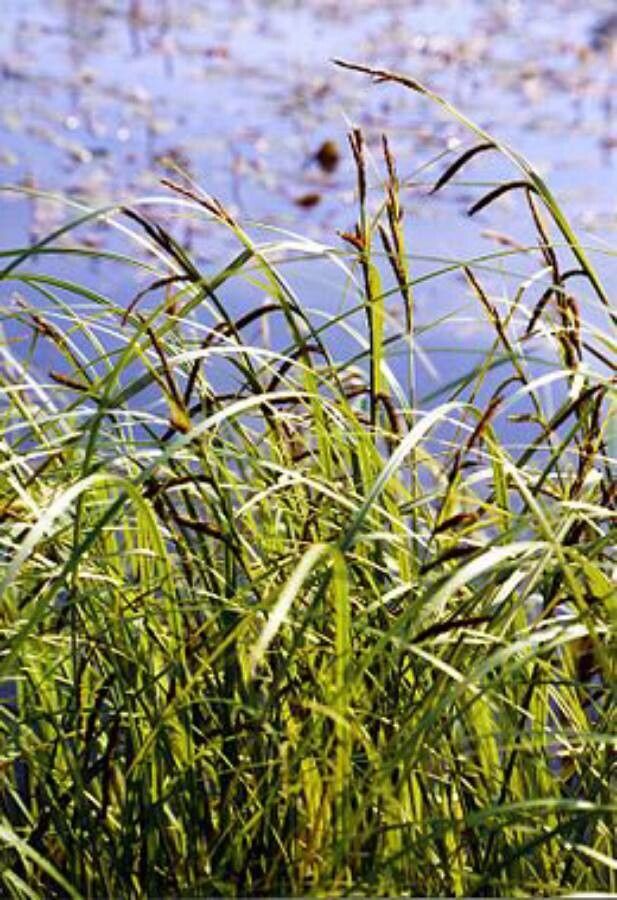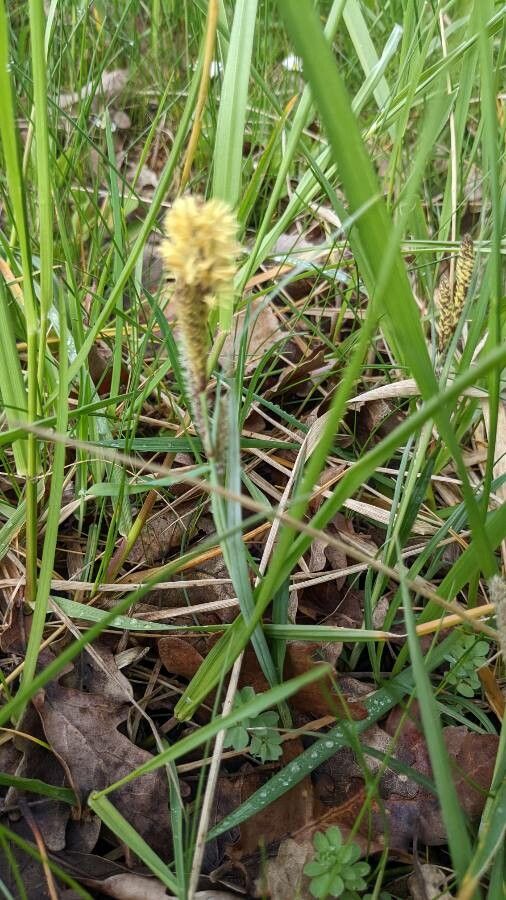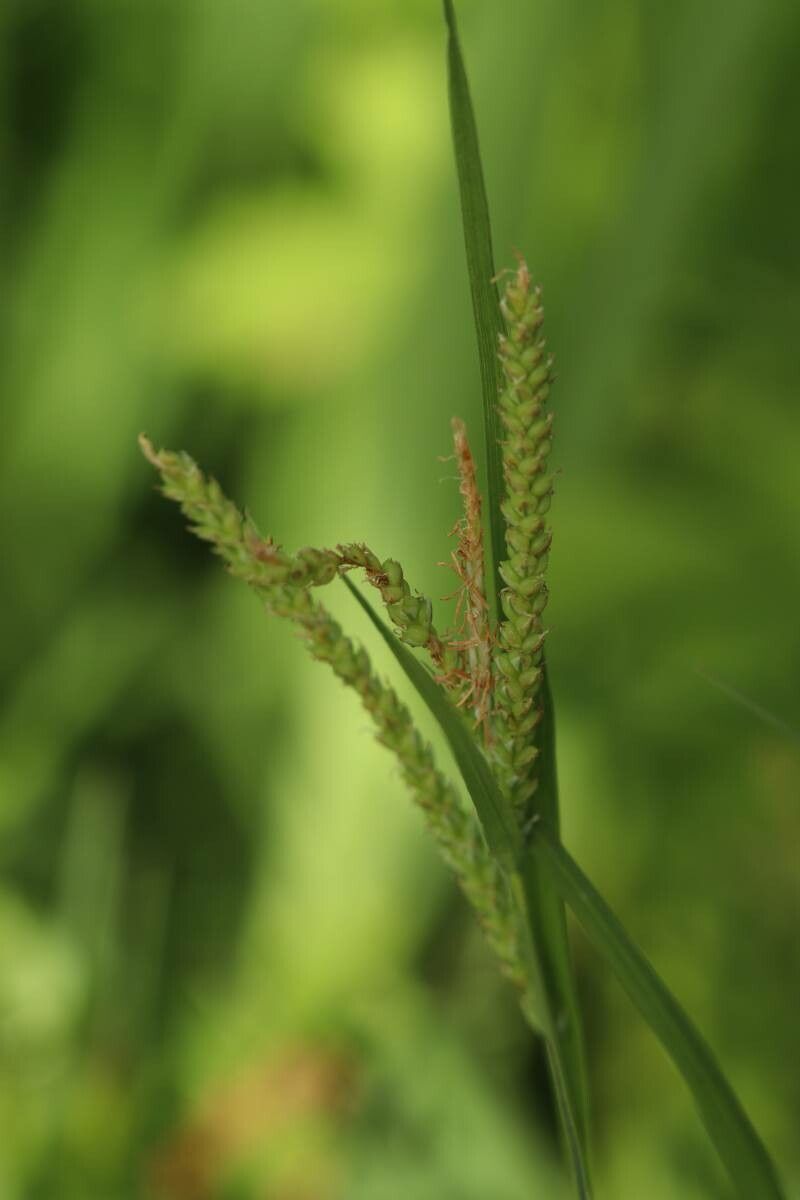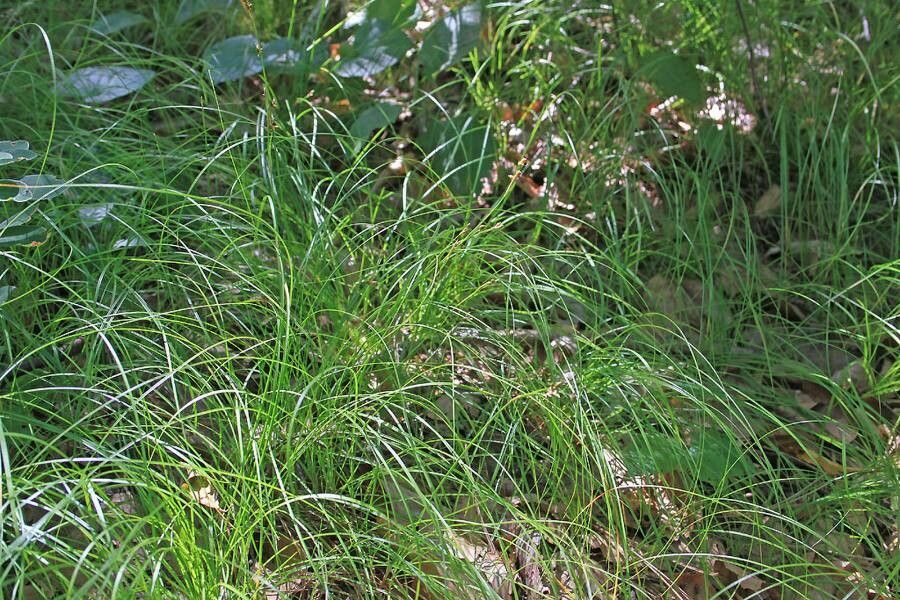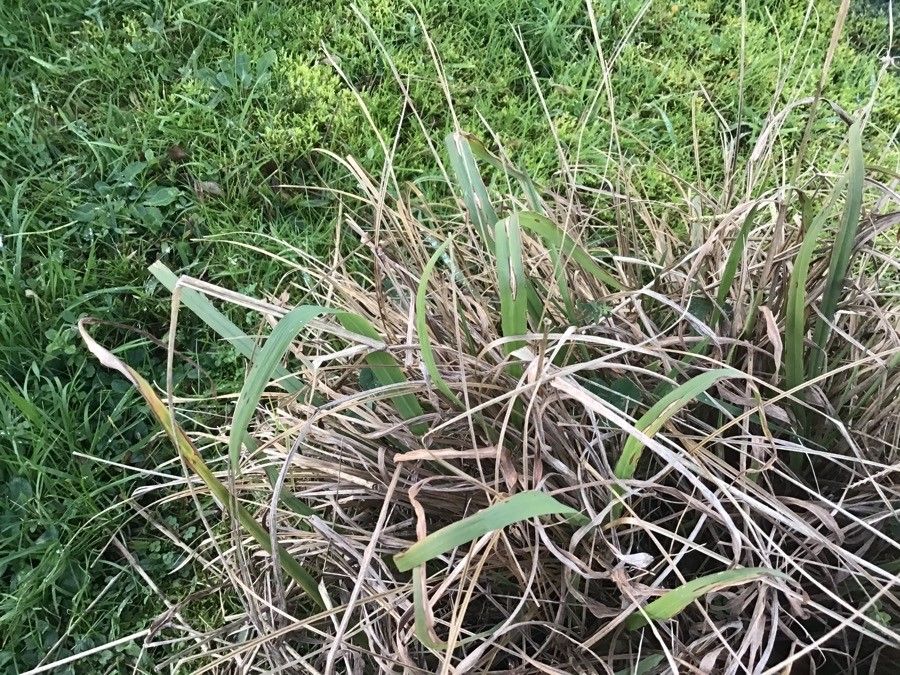
Carex prairea, common name prairie sedge, is a species of Carex native to North America. It is a perennial.
Prairie sedge has good resistance to disease and is generally not susceptible to it. In terms of care, the plant is relatively low-maintenance. When planted outdoors it needs only minimal watering, and larger plants typically do not require pruning. Smaller plants, however, should be pruned after they have bloomed. Prairie sedget is suitable for anyone with an outdoor space, such as a garden or deck, and does not demand much care experience.
How to keep Carex Prairea.
Light
Prairie sedge naturally occurs in habitats such as forest understories or rocky areas, where it receives natural shade. It prefers partial sun but can tolerate full sun or full shade, showing its versatile and hardy nature.
Temperature
Prairie sedge can tolerate a broad range of temperatures, but its distribution can still be constrained by various combinations of moisture and heat. It does best in warm summer conditions with adequate rainfall or irrigation. Extended periods of cloudy, rainy weather, as well as prolonged high temperatures, increase the likelihood of Prairie sedge dying. In winter, protecting it from the cold can improve its chances of survival.
Fertilizer
Prairie sedge needs extra nutrients to encourage healthy new growth. In spring, spreading compost around the plant’s base will effectively supply the nutrition it requires. Fertilizing supports strong growth and helps the plant withstand diseases and pests.
Pruning
Prairie sedge is a hardy and resilient plant that thrives in wetlands, featuring dense, grass-like foliage. To promote growth, maintain shape, and prevent overcrowding, prune it in early spring by cutting old leaves at the base. For safety and to prevent disease, use clean tools and wear gloves while handling the plant.
Botanical profile.
- Plant Type
- Grass
- Life Cycle
- Perennial
- Genus
- Carex
- Family
- Cyperaceae
- Hardiness Zone
- 3-8
- Mature Height
- 0.3 m to 1.07 m
- Mature Spread
- 20 cm to 40 cm
- Leaf Color
- Green
- Leaf Type
- Semi-evergreen
- Flower Color
- White, Yellow
- Flower Size
- 0.20 cm to 0.51 cm
- Bloom Time
- Mid spring, Late spring
- Planting Time
- Spring, Summer, Autumn
- Harvest Time
- Early summer, Mid summer
Other names.
Reader questions.
What are the sunlight requirements for Prairie sedge?
Prairie sedge (Carex prairea) thrives in varying amounts of sunlight. It requires full sun exposure, which means it needs above 6 hours of sunlight daily, to flourish. However, it can also grow in partial sun conditions, where it would receive about 3-6 hours of sunlight each day. It's important to observe the movements of sunlight through your garden carefully. Finding the ideal locations that offer a harmonious balance of light and shade is crucial for the well-being of your Prairie sedge plants. This careful observation ensures that the plants receive the right amount of light they need to be happy and healthy.
What is the botanical name of Prairie Sedge?
The botanical name of Prairie Sedge is Carex prairea.
What information is available about Prairie Sedge?
Currently, there is no detailed information provided about the essentials or symptoms related to Prairie Sedge.