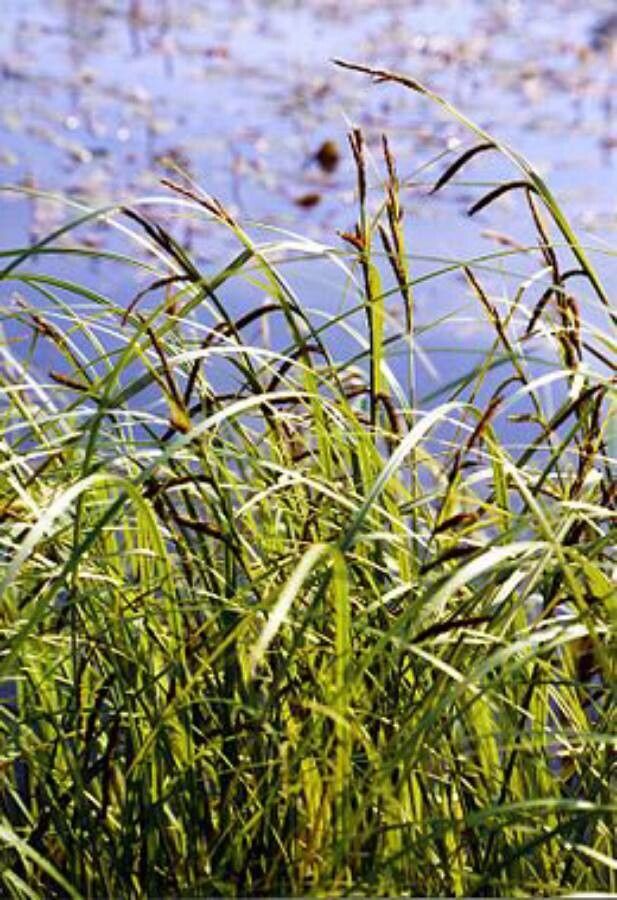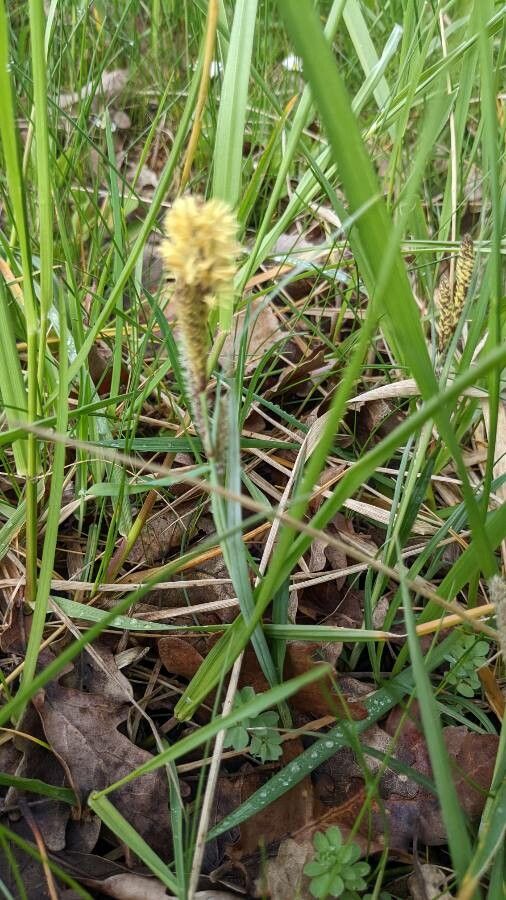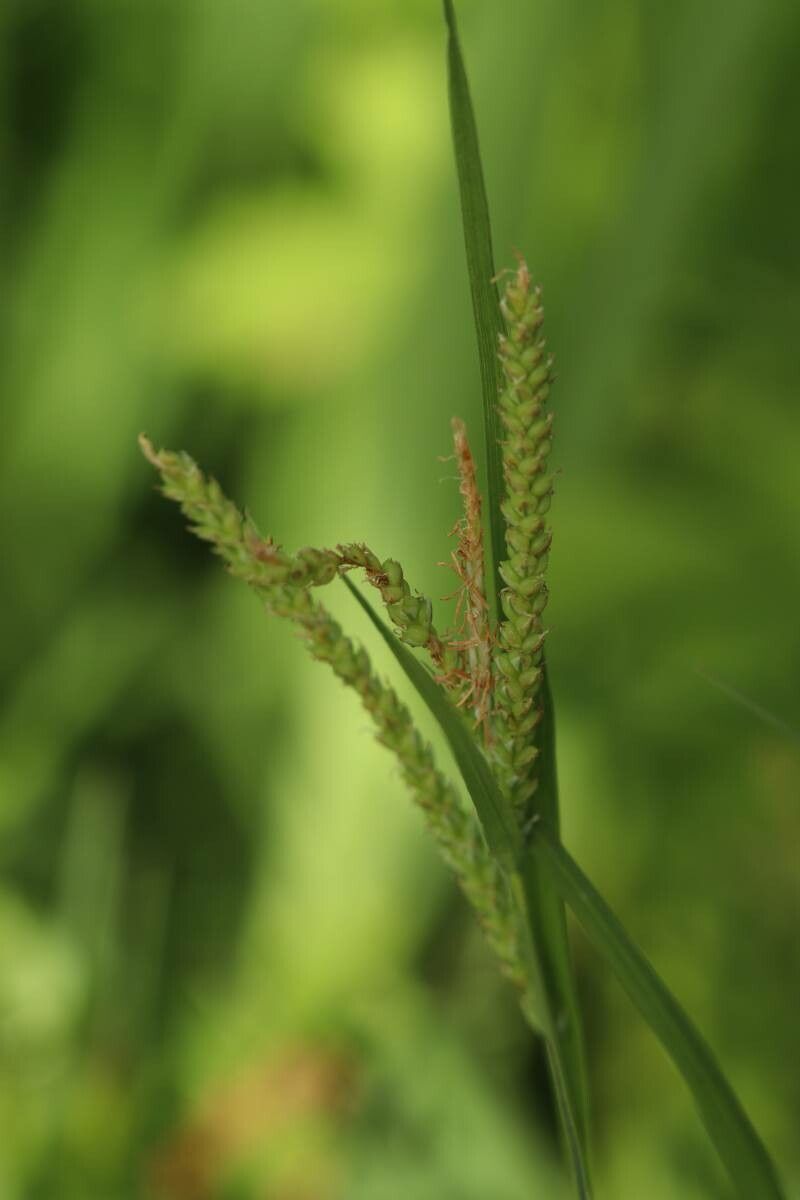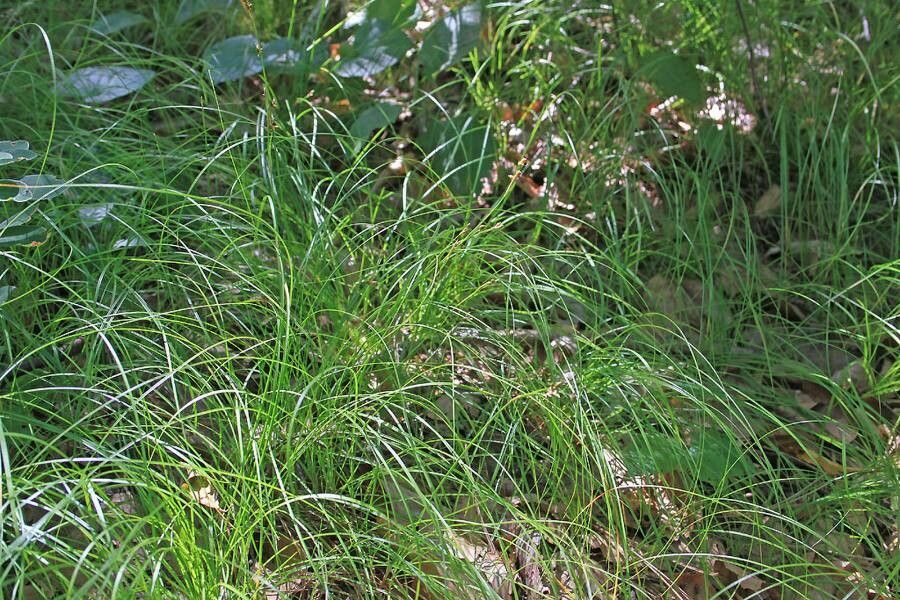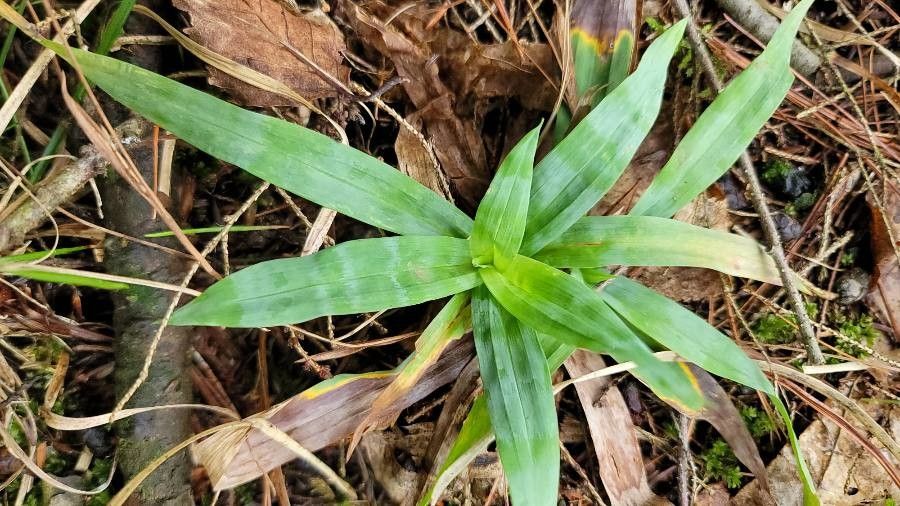
Carex platyphylla, called the broad leaf sedge and silver sedge, is a species of flowering plant in the genus Carex, native to southeast Canada, and the north-central and eastern United States. It is often found in the same forests as Carex plantaginea, also a broad-leaved species, but they do not compete, as C. plantaginea prefers wet areas and C. platyphylla prefers it dry. Silver sedge is considered a useful native ornamental, since it is showy, deer-resistant, and able to tolerate both deep shade and drought once established.
Broad-leaf sedge shows strong disease resistance and is usually not susceptible to diseases. Regarding care, this plant is fairly low-maintenance. When grown outdoors it needs only minimal watering, and larger specimens typically do not require pruning. Smaller plants, however, should be pruned after they have bloomed. Broad-leaf sedge is appropriate for anyone with an outdoor area, such as a garden or deck, and does not demand a lot of care experience.
How to keep Carex Platyphylla.
Light
Broad-leaf sedge grows best in moderate light, though it can remain healthy in low sunlight, reflecting its natural habitat, which is usually not in full sun. However, either excessive light or too little can inhibit its growth.
Water
Broad-leaf sedge thrives in moist, shaded environments and prefers soil that stays consistently moist. Once established, it can tolerate moderate drought conditions but still requires weekly watering. Typically grown outdoors in temperate zones, broad-leaf sedge benefits from seasonal rainfall for optimal growth.
Temperature
Broad-leaf sedge is native to climates with temperatures ranging from 41 to 89.6 °F (5 to 32 °C). It grows best within that range. Seasonal adjustments when temperatures fall below or exceed these limits may be required to maintain growth.
Fertilizer
Broad-leaf sedge needs extra nutrients to encourage healthy new growth. In spring, adding compost around the plant’s base will effectively supply the nutrition it requires. Fertilizing helps promote vigorous growth and increases the plant’s resistance to diseases and pests.
Pruning
To promote healthy growth in broad-leaf sedge, it's important to prune it in early spring. By removing damaged or old foliage, you help encourage fresh growth. This practice improves airflow, reduces pests, and boosts the plant's overall vitality. Make sure to time your pruning to match the plant's growth cycle to minimize stress. For detailed pruning techniques, consult horticultural guides.
Botanical profile.
- Plant Type
- Grass
- Life Cycle
- Perennial
- Genus
- Carex
- Family
- Cyperaceae
- Hardiness Zone
- 4-8
- Mature Height
- 15 cm to 37 cm
- Mature Spread
- 15 cm to 30 cm
- Leaf Color
- Green, Blue
- Leaf Type
- Semi-evergreen, Deciduous
- Flower Color
- Brown, White, Yellow, Green, Purple
- Bloom Time
- Early spring, Mid spring
- Planting Time
- Spring, Summer
- Harvest Time
- Late spring, Early summer
Other names.
Reader questions.
What are the sunlight requirements for Broad-leaf sedge?
Broad-leaf sedge requires specific lighting conditions to thrive optimally. It enjoys partial sun, which means about 3-6 hours of sunlight per day, and can also grow in full shade, which is less than 3 hours of sunlight. It's important to observe how sunlight moves through your garden to find spots that offer the right balance of light and shade, ensuring your plants are happy. In its natural habitat, Broad-leaf sedge is not usually fully exposed to sunlight, indicating its preference for moderate illumination. However, both extreme exposure to light and insufficient light can hinder its growth.
What are the ideal climate conditions for Broad-leaf Sedge?
Broad-leaf sedge, also known as Carex platyphylla, is indigenous to climates where temperatures range from 41 to 89.6 °F (5 to 32 °C). It thrives best within these temperature thresholds. Broad-leaf sedge has strong cold resistance, implying that special frost protection measures are usually not necessary during winter. However, in regions where winter temperatures are expected to drop below -30°C, it is important to provide cold protection by covering the plant with soil or straw. Additionally, watering the plant abundantly before the first freeze in autumn is recommended to ensure the soil remains moist and enters a frozen state, helping to prevent drought and water scarcity for the plant during winter and early spring.
How can artificial lighting be used for indoor Broad-leaf sedge plants?
For indoor Broad-leaf sedge plants where natural sunlight is limited, artificial lighting provides a necessary alternative to promote healthy growth. LED lights are recommended due to their ability to replicate specific wavelengths needed by plants. Full sun plants require 30-50W/sq ft, partial sun plants need 20-30W/sq ft, and full shade plants benefit from 10-20W/sq ft of artificial light. The light source should be positioned 12-36 inches above the plant, mimicking natural sunlight conditions. Additionally, plants generally need 8-12 hours of light per day, which should be adjusted to mimic natural daylight hours for the specific species.
How does Broad-leaf Sedge react to low temperatures?
Broad-leaf sedge is cold-tolerant and thrives best when the temperature is above 5°C. During winter, it should be kept above -25°C to avoid damage. At temperatures falling below -30°C, there may not be any noticeable changes during winter; however, a decrease in sprouting or no sprouting may occur in the following springtime. To address this, remove any parts of the plant that have failed to sprout in spring.
What are some common symptoms of improper lighting in Broad-leaf sedge?
Broad-leaf sedge can exhibit several symptoms when exposed to inadequate lighting conditions. These include smaller than usual new leaves, leggy or sparse growth, faster leaf drop, halted or no new growth, and lighter-colored or yellowing leaves due to chlorosis. Excessive sunlight can also cause issues, such as sunscald, leaf curling, wilting, and leaf scorching, indicating the plant's struggle with too much direct light. Monitoring these signs can help adjust lighting conditions to prevent further stress on the plant.
What should be done if Broad-leaf Sedge experiences high temperatures?
In conditions where the temperature exceeds the ideal maximum of 32°C, especially if it surpasses 35°C, Broad-leaf sedge may show signs of distress such as lighter leaf color, curling of leaves, susceptibility to sunburn, and in severe cases, wilting and drying of the entire plant. It is recommended to trim away the sunburned and dried-up parts of the plant. Additionally, moving the plant to a shaded location or using a shade cloth to protect it from the midday and afternoon sun can be beneficial. Watering the plant in the morning and evening to keep the soil moist can also help mitigate the effects of high temperatures.
How can I address lighting issues for my Broad-leaf sedge?
To address lighting issues with Broad-leaf sedge, gradually acclimate the plant to the desired sunlight conditions. For indoor plants, move them progressively to sunnier spots each week or use artificial lighting, such as desk, ceiling, or professional grow lights, for a minimum of 8 hours daily. For outdoor plants, similarly adjust their exposure to sunlight by relocating them gradually to prevent sunburn. If natural light is blocked, consider pruning obstructing branches or transplanting the plant to a sunnier location. Remember, damaged parts may not recover, but increasing light exposure can promote healthy new growth.