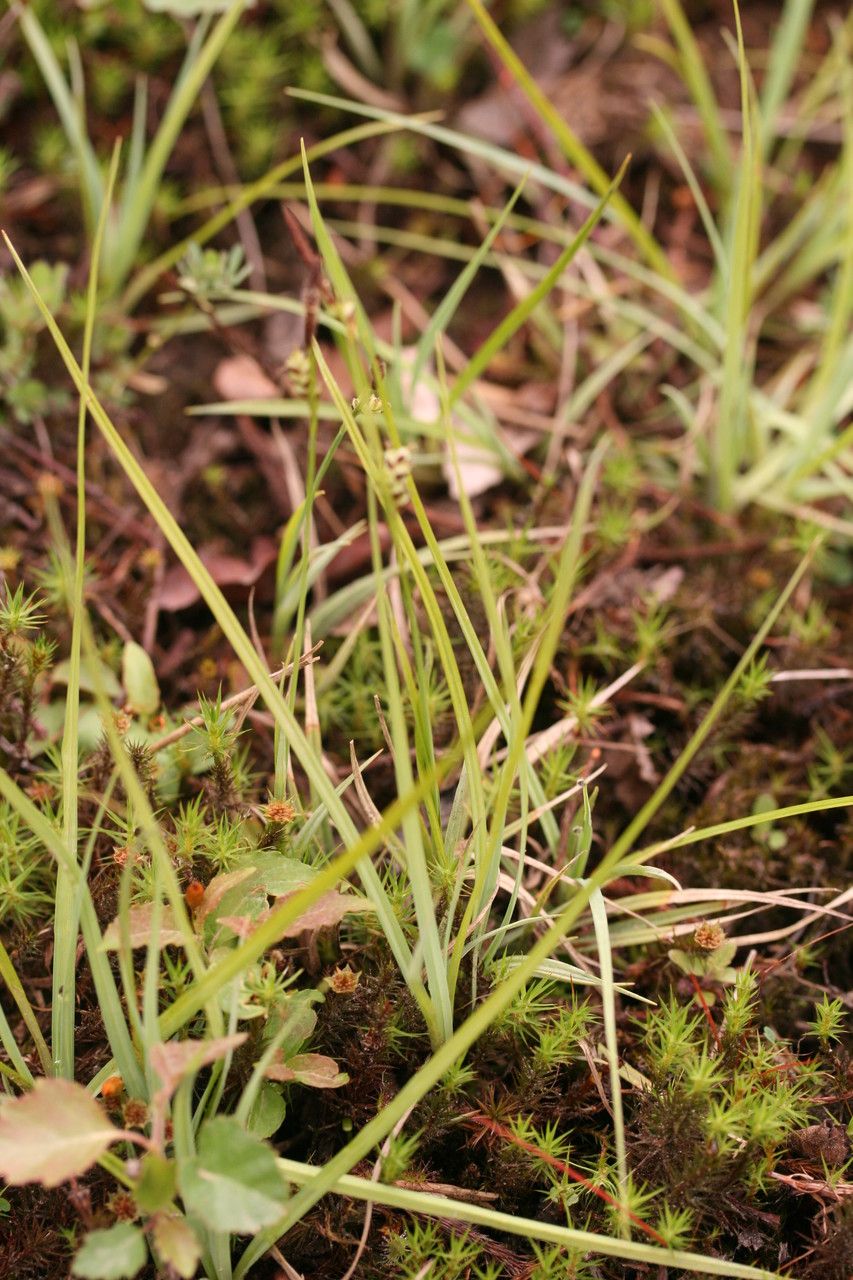
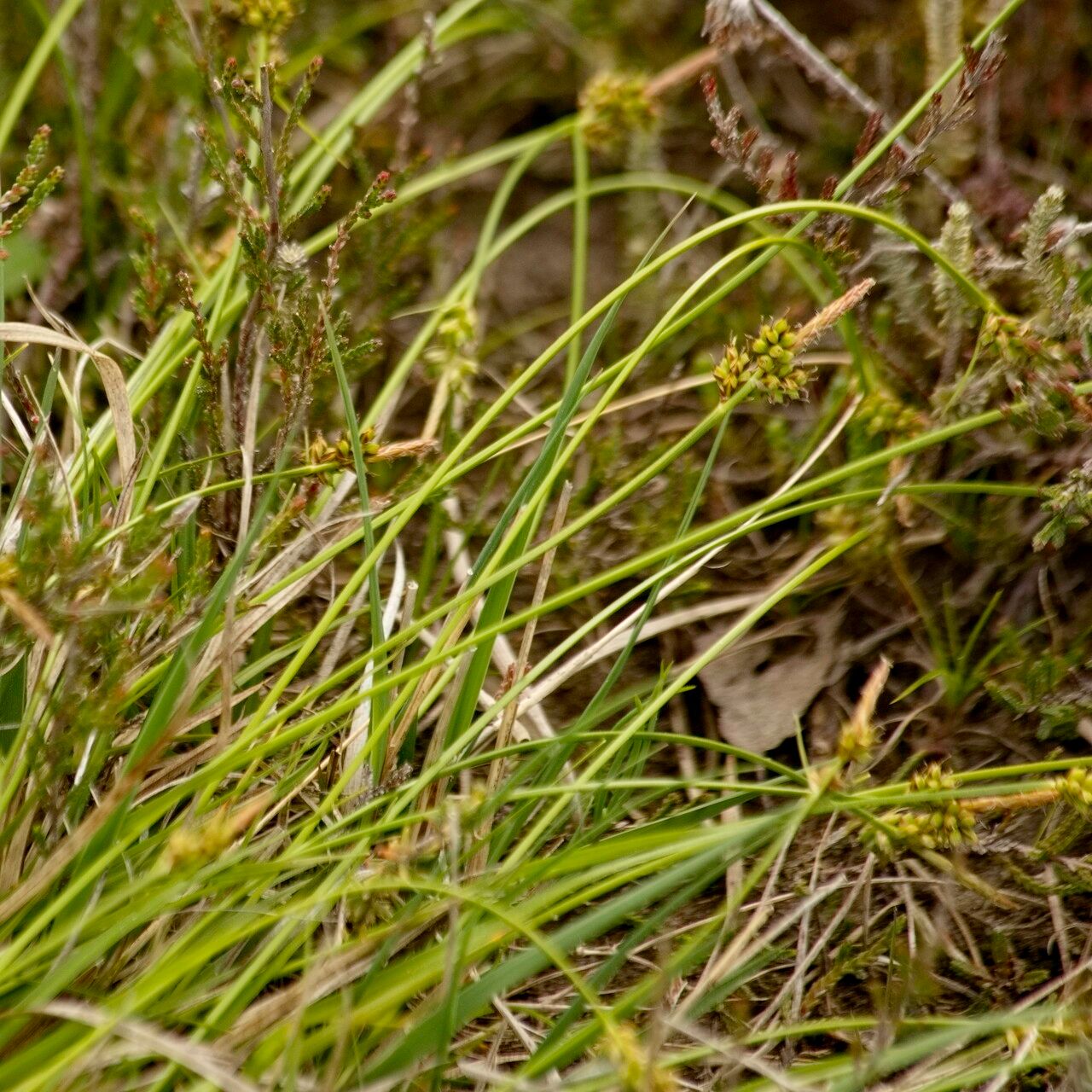
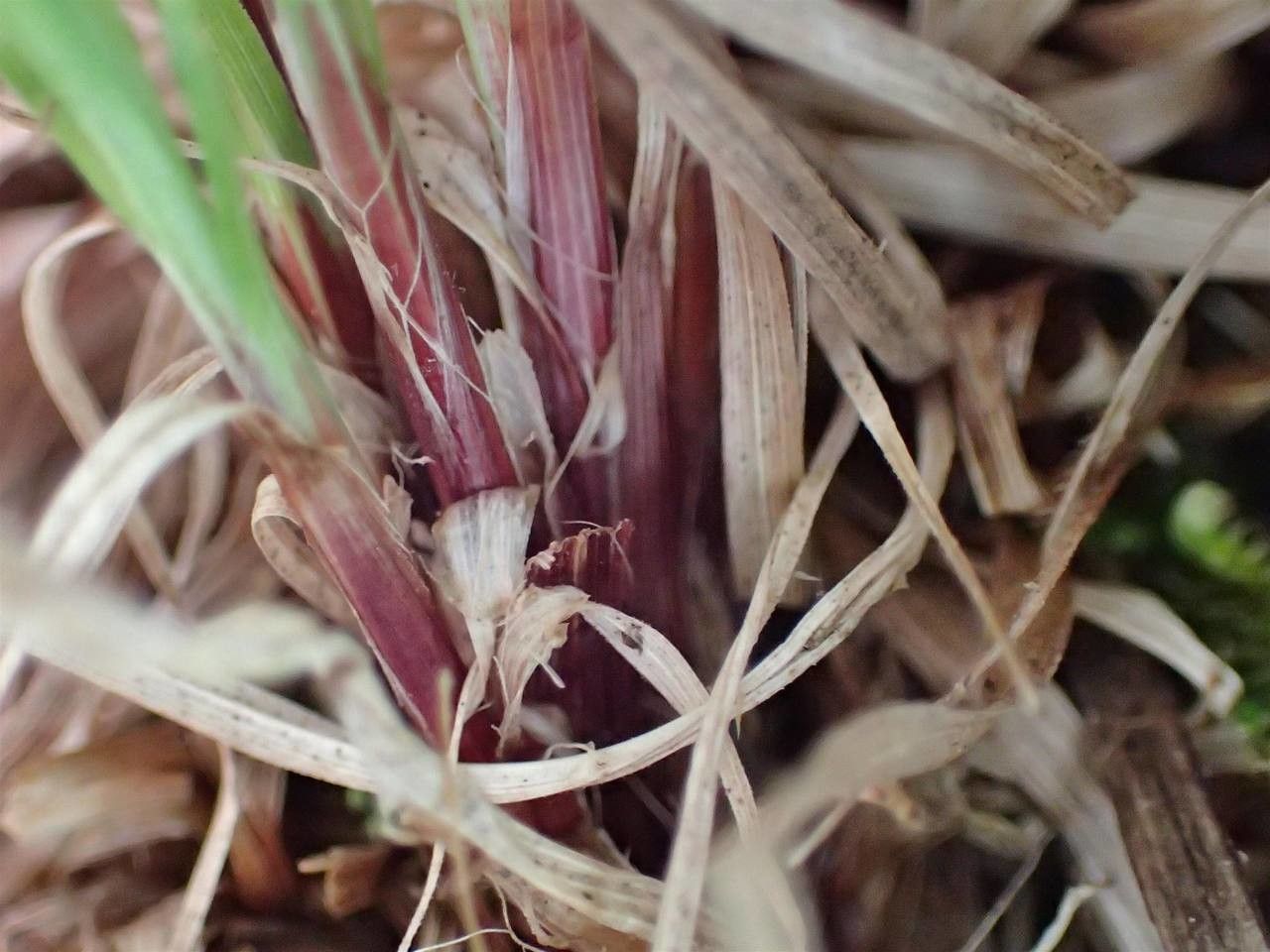
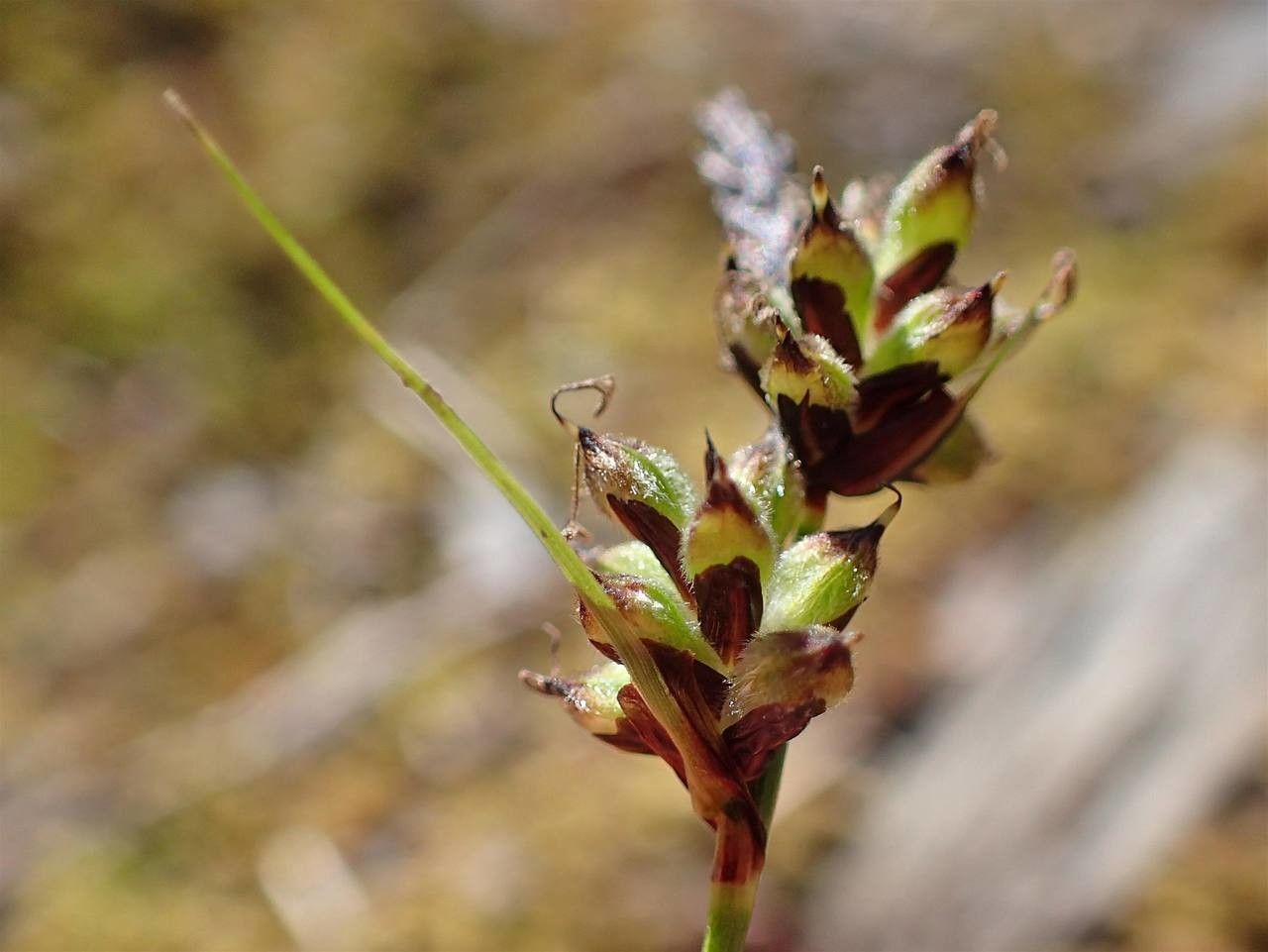
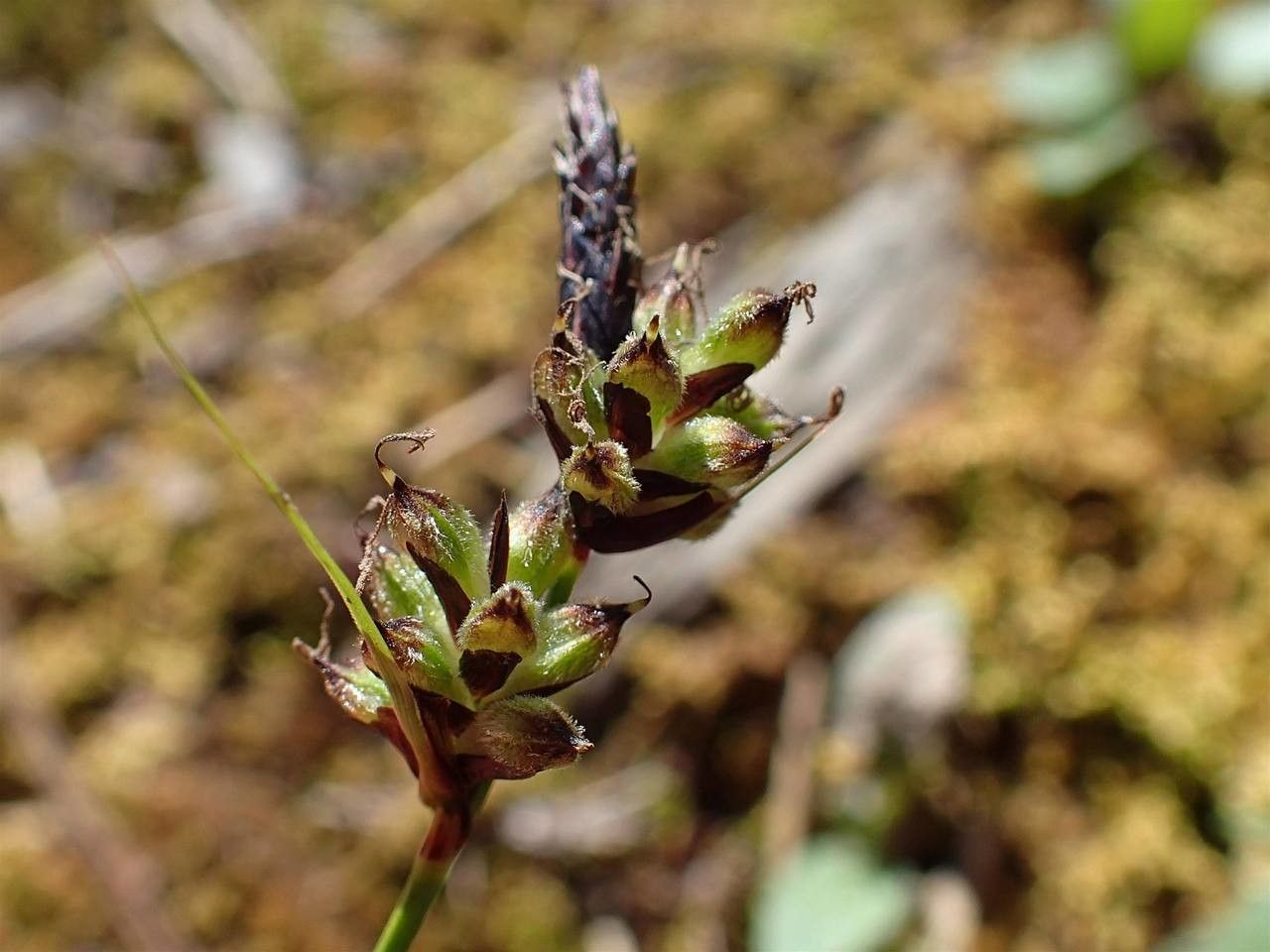
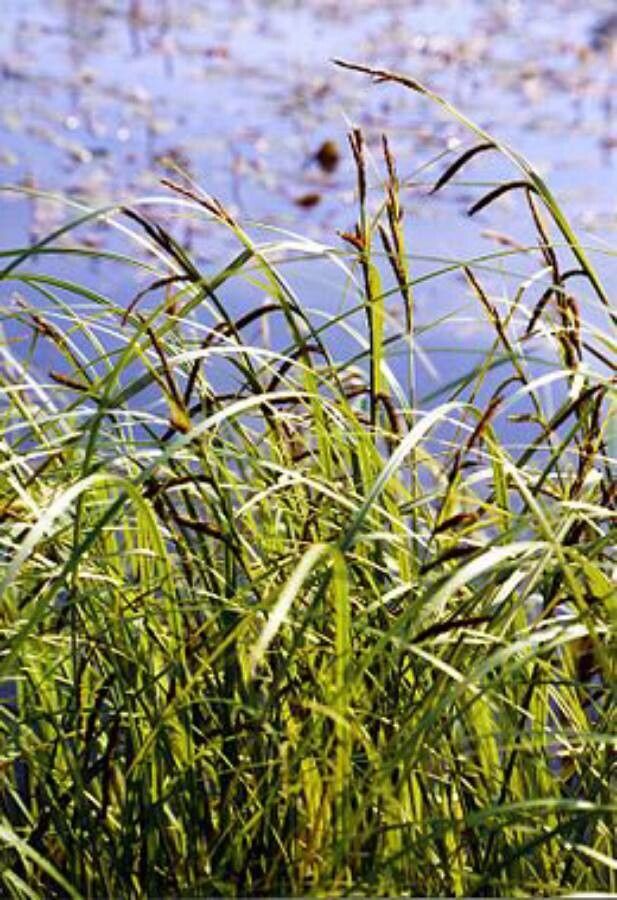
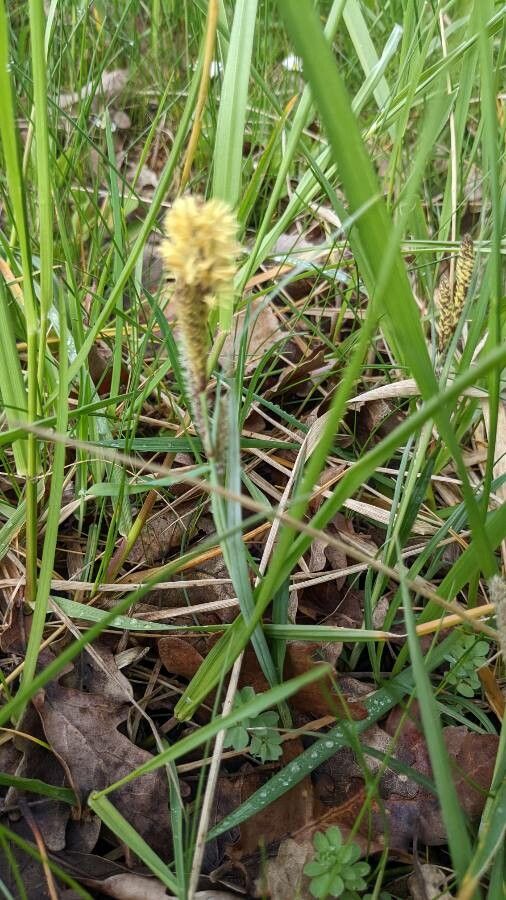
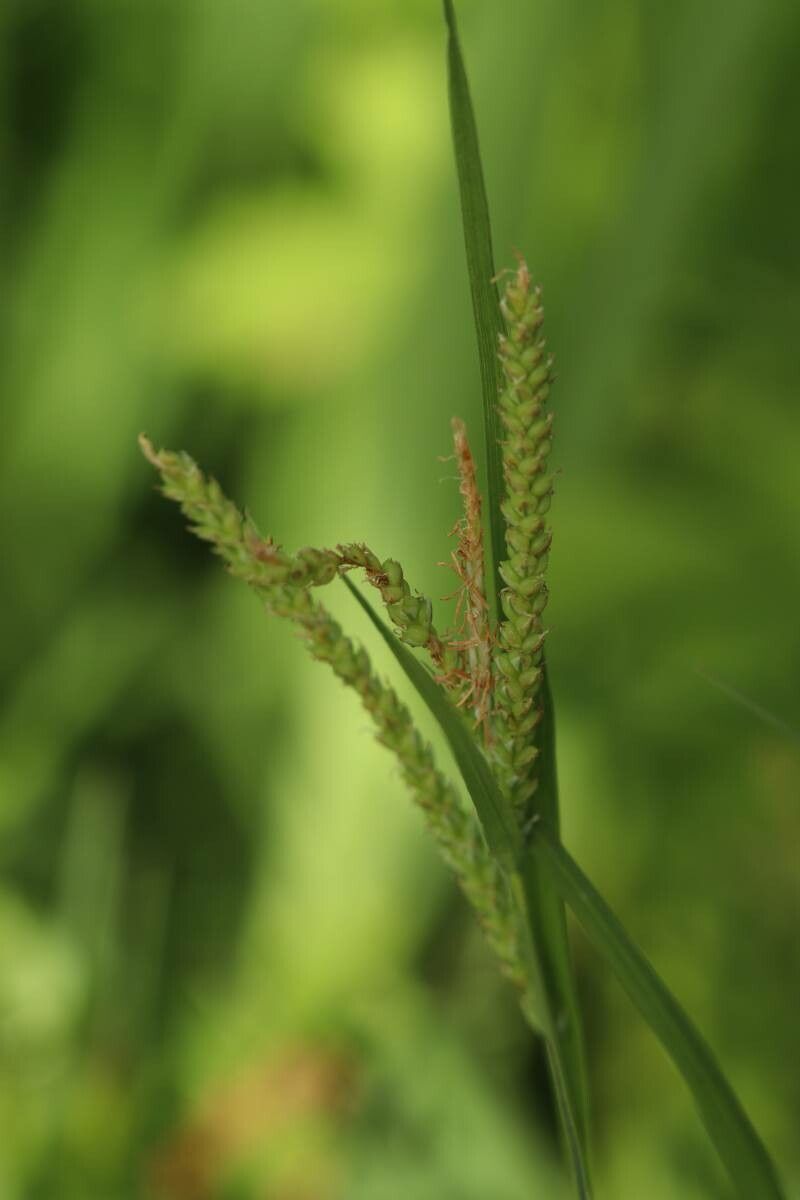
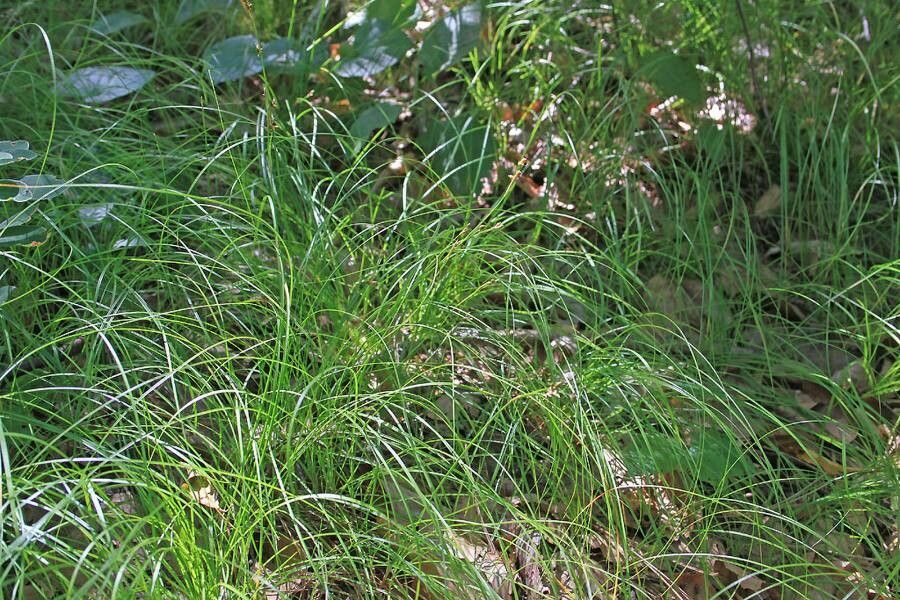
Carex pilulifera, commonly known as the pill sedge, is a perennial plant in the Cyperaceae family. Native to Europe and Asia, it thrives in various habitats, including meadows, woodlands, and wetlands. The plant features narrow, green leaves that can reach up to 30 cm in length, while its triangular stems can grow up to 50 cm tall.
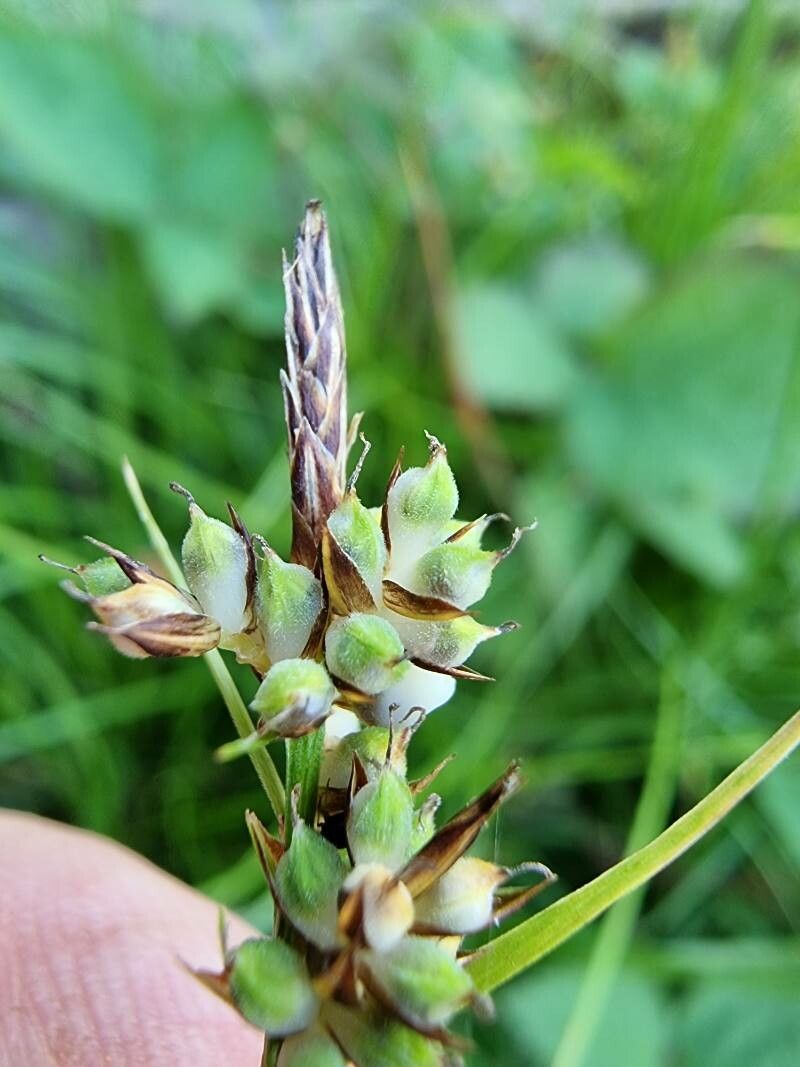
The pill sedge produces small, greenish-brown flowers that bloom from May to July on spikes that rise above the foliage. The seeds, contained in small capsules or "pills," are the origin of the plant's common name.
Carex pilulifera serves as a vital food source for many animals, such as deer, rabbits, and birds, which either feed on its seeds or use the plant for shelter. Additionally, it possesses medicinal properties; traditionally, its roots have been used to treat various ailments, including diarrhea.
In 1754, Lin Nai established the genus known as "true sedge." This plant is a significant component of China's flora and is the dominant grass species in the lowest layer of many forests. In some areas, true sedge makes up most of the lower vegetation. FUN FACT · FROM THE LIBRARY
This low-maintenance plant is easy to grow from seed or by dividing established clumps in the springtime, when new growth emerges after the winter dormancy period.
Overall, Carex pilulifera is an excellent addition for gardeners seeking a low-maintenance ornamental grass with attractive foliage throughout most of the year. It also offers ecological benefits by supporting local wildlife with essential food sources at various stages of their life cycles.
How to keep Carex Pilulifera.
Light
Vernal sedge is a sun-loving perennial herb that comes from open habitats and commonly grows in meadows and grasslands. It prefers full sun but can also tolerate partial sun.
Water
Pill-headed sedge flourishes in moist environments similar to damp woodlands. It thrives in conditions with balanced humidity and consistent moisture, requiring watering twice a week. This plant is often cultivated outdoors due to its ability to adapt to different soil moisture levels, which makes it resilient in temperate climates.
Temperature
Vernal sedge can tolerate a wide range of temperatures, but its distribution may still be restricted by different combinations of moisture and heat. It performs best in warm summer conditions with sufficient rainfall or watering. Extended periods of cloudy, rainy weather or prolonged high temperatures can raise the chance of Vernal sedge dying. In winter, proper protection from the cold can increase the plant’s survival rate.
Fertilizer
Vernal sedge needs extra nutrients to encourage healthy new growth. In spring, applying compost around the base of the plant can effectively supply the nutrition it requires. Fertilizing supports vigorous growth and helps the plant resist diseases and pests.
Pruning
Prune pill-headed sedge in early spring to remove dead foliage and promote new growth. Trim just above the healthy shoots. This maintenance enhances airflow, reduces the risk of disease, and helps maintain the plant's shape. Also, be sure to follow local guidelines for care that are tailored to your specific climate conditions.
Botanical profile.
- Plant Type
- Grass
- Life Cycle
- Perennial
- Genus
- Carex
- Family
- Cyperaceae
- Hardiness Zone
- 4-9
- Mature Height
- 20 cm to 40 cm
- Mature Spread
- 15 cm to 30 cm
- Leaf Color
- Green
- Leaf Type
- Evergreen
- Flower Color
- Tan
- Flower Size
- 0.20 cm to 0.51 cm
- Bloom Time
- Early spring, Mid spring
- Planting Time
- Spring, Summer, Autumn
- Harvest Time
- Late spring, Early summer
- Native Area
- Turkey, Austria, Czech Republic, Slovakia, Montenegro, Bulgaria, Armenia, Poland, Greece, Croatia, Slovenia, Belarus, Ukraine, Serbia, Russia, Lithuania, Hungary, Germany, Italy, Kazakhstan, Spain, Switzerland, Mongolia, France, Albania, Romania, Latvia, Belgium, Turkmenistan, Netherlands
Other names.
Reader questions.
What should I do if I give my Pill-headed sedge too much or too little water?
If you don't water this beautiful ornamental grass properly, it won't perform well. When it's planted in the ground, you can solve watering issues. However, if it's in a container, giving it too much or too little water will quickly kill the Pill-headed sedge. Lack of proper watering can cause the grass to stop growing. Overwatering will result in yellow leaves with brown tips, while underwatering can lead to drooping leaves, weak seed head production, and browned leaves. If you suspect that the Pill-headed sedge has been watered improperly, first determine if it's getting too much or too little water. If it's getting too much, stop watering immediately and wait for the soil to dry out. Then, test the moisture levels and decide if more water is needed. On the other hand, if it's not getting enough water, give it a deep drink and see if it improves. Keep in mind that long, deep watering is better than frequent shallow waterings. This encourages deep root growth, making the grass more resistant to drought and watering problems.
Why should I put fertilizer on my Pill-headed sedge?
Fertilizing Pill-headed sedge is important for a few reasons. First, it provides additional nutrients that help your plant grow strong and healthy. Second, these nutrients also support the well-being of the older parts of your plant and can even aid in disease and pest resistance.
What does Pill-headed sedge require in terms of sunlight?
Pill-headed sedge thrives in locations that receive a generous amount of sunlight each day, though it can still maintain its health with intermittent sun exposure. Originating from ecosystems abundant in sunshine, this plant does not have differing sun exposure needs across its growth stages. However, a lack of sunlight can diminish its robustness, while too much sun may adversely affect its health. Full sun requires more than 6 hours of sunlight, whereas partial sun pertains to about 3-6 hours of sunlight. It's crucial to observe how sunlight transitions through your garden, selecting areas that offer an ideal mix of light and shade to ensure your plants' well-being.
How often do I need to water my Pill-headed sedge plant?
The watering needs of Pill-headed sedge can vary depending on where it is planted. Generally, watering this grass once a week should be sufficient. However, in hot climates, watering once or twice a week during the summer may be necessary. In moderate climates, watering once every seven days or even less may be enough. It's important to note that grass in containers typically requires more frequent watering compared to grasses planted in the ground. Additionally, the location of the grass matters too. Shaded grasses require less frequent watering compared to those planted in the ground. To determine when to water Pill-headed sedge, there are a few indicators to look out for. Checking the soil by pressing your finger a couple of inches into it can reveal if the soil is dry. For potted grass, the weight of the pot can indicate if it needs watering. If it feels light, it's likely dry. When the roots lack sufficient water, the blades of the grass may appear folded along their centers and thinner than usual. Despite its drought tolerance, regular, deep waterings will result in vibrant color for the grass. In its natural habitat of open scrubland, Pill-headed sedge experiences extreme heat, bright sun, and intermittent rain. Although it is drought resistant, this grass still requires care and attention. Even in harsh, dry conditions, consistent watering benefits Pill-headed sedge. During the initial planting phase, Pill-headed sedge will need more frequent watering until its roots are established. For potted grass, the soil can dry out quickly, especially if the pot is exposed to hot, direct sun. Testing the soil every 3 to 4 days and watering only when it feels dry is recommended. For grass planted in the ground, the watering frequency depends on the soil type. Clay soil may appear dry at the surface but still retain moisture below, so it requires less watering. Sandy soils, on the other hand, drain quickly and will need to be watered more often.
When should I fertilize my Pill-headed sedge?
To ensure the survival of Pill-headed sedge in your garden, it is important to know when to fertilize it. This plant is not a heavy feeder and does not need extra nutrients when it is dying back. While you can use diluted fertilizer at the beginning of the growing season, it is not advised. Instead, it is recommended to apply mulch or compost around the base of the plant.
How do you supplement light for indoor Pill-headed sedge?
For optimal growth indoors, ensuring adequate lighting is key, especially when natural sunlight is limited, such as during winter or in spaces that receive less sun. Artificial lighting serves as an effective alternative to support faster and healthier plant growth. Selecting the appropriate artificial light, like LED lights, allows for customization to meet your plant's specific light wavelength needs. The requirement varies based on the plant's sunlight needs: full sun plants need 30-50W/sq ft, partial sun options require 20-30W/sq ft, and full shade plants need 10-20W/sq ft. The correct placement should be 12-36 inches above the plant to mimic natural sunlight conditions, ensuring the light duration mirrors natural daylight hours, generally between 8-12 hours daily.
What do I need to watch out for when watering my Pill-headed sedge in different seasons, climates, or stages of growth?
To determine if you are watering enough, observe the rate of growth of your grasses. During the hottest months, Pill-headed sedge can double in size within a year. If the weather is hot but the grass is not growing well, consider adjusting your watering schedule. In winter, you may only need to water once a month, but still check the soil for moisture. During the warmest months, the grass will require more water, while water needs will significantly decrease during winter and cooler months. Remember that it is crucial to let the soil dry out completely before watering Pill-headed sedge.
When is the best time to not fertilize my Pill-headed sedge?
If you're not using packaged fertilizers, you can relax about when to stop feeding Pill-headed sedge. Simply adding a layer of compost or mulch in the spring will adequately nourish the plant all year round. No need to worry about mulching or composting during the winter when the plant is dormant.
What are the key symptoms of inadequate light in Pill-headed sedge?
When Pill-headed sedge experiences insufficient light, it does not exhibit immediate symptoms. However, signs to watch for include smaller new leaves, leggy or sparse growth, faster leaf drop, delayed or halted growth, and lighter-colored or chlorotic new leaves. Excessive sunlight can cause chlorosis, sunscald, leaf curling, wilting, and leaf scorching. These symptoms vary and can include growth issues like thinner, weaker plants with extended spaces between leaves or stems and physical signs such as pale or yellowing leaves indicating a lack of chlorophyll and nutrients.
What kind of fertilizer should I use for my Pill-headed sedge?
Instead of buying fertilizer for pill-headed sedge, you can simply add compost in the spring to provide the necessary nutrients. Additionally, if you mulch your garden each year, the bark will also help keep the plant nourished and thriving. So, no need to rush to the garden center!
What solutions are recommended for addressing Pill-headed sedge's light requirements?
To ensure Pill-headed sedge receives enough sunlight, gradually transition the plants to sunnier locations, aiming for at least 6 hours of direct sunlight daily when indoors. Utilize south-facing windows, keep curtains open during daylight, or consider supplementing with artificial lighting if the plant is large or difficult to move. For outdoor plants, a careful, gradual relocation to brighter spots helps avoid sunburn. If natural light is obstructed, pruning or transplanting may be necessary. Prune obstructions like tree branches or relocate smaller plants during dormant periods to sunnier areas with good drainage. It's essential to remember that while parts of the plant affected by low light may not recover, new growth should be healthy once light conditions improve.
How can I help my Pill-headed sedge grow better?
The steps for using mulch or compost on Pill-headed sedge are the same. Start by applying a layer of the chosen material, ensuring it covers the plant's base. If you decide to use both mediums, reduce the amount of compost. Adding a layer of mulch serves two purposes: it helps retain moisture in the soil and provides nutrients for your plant.