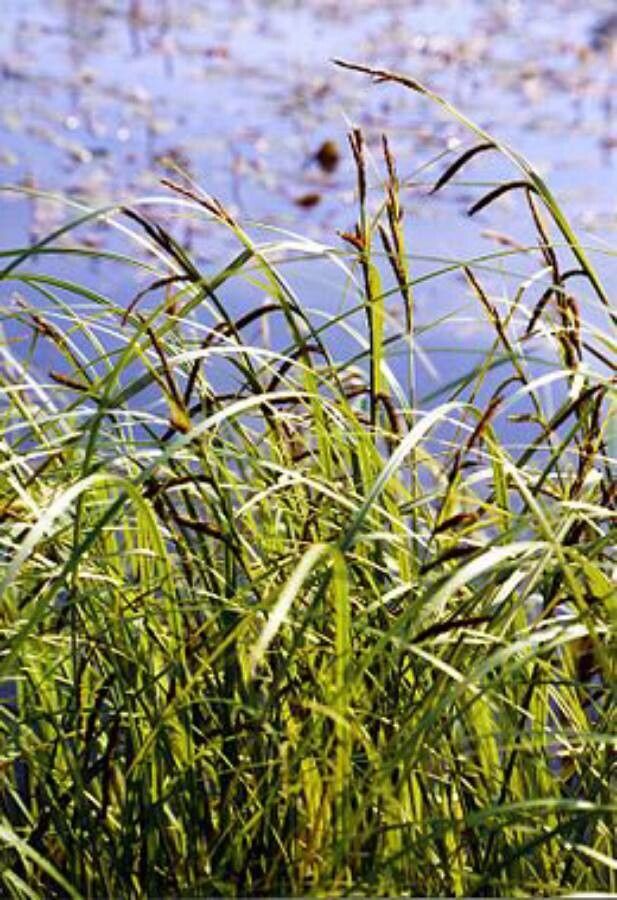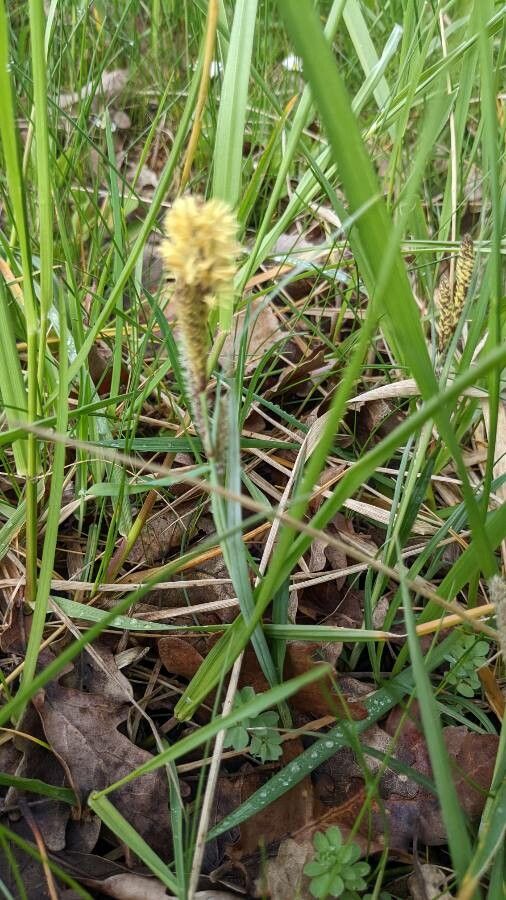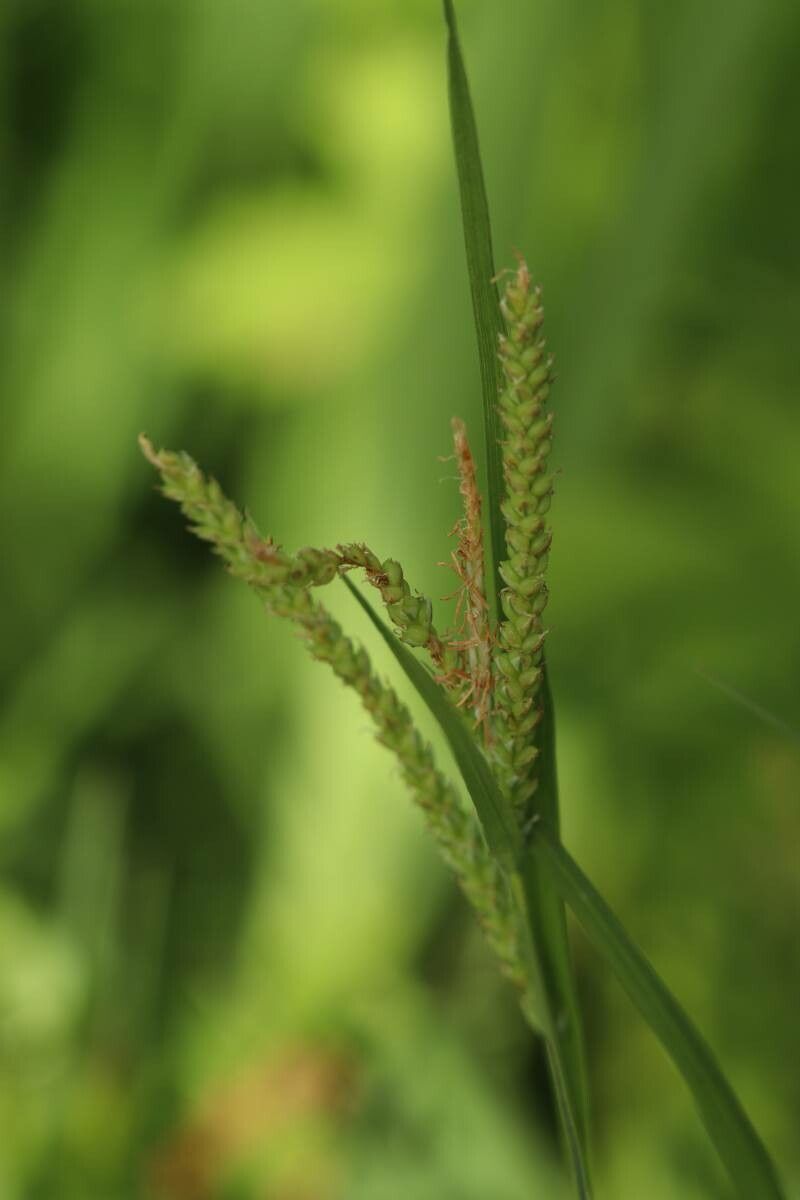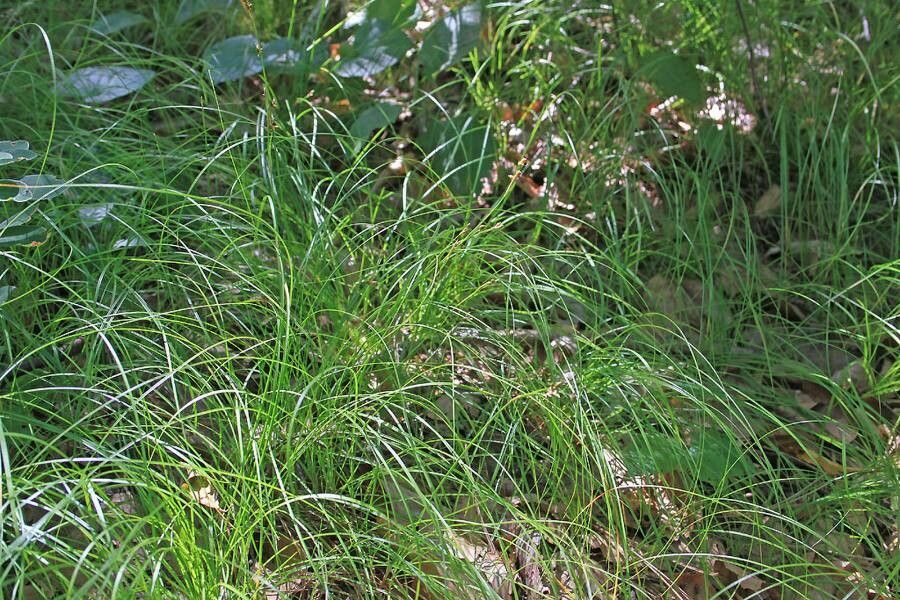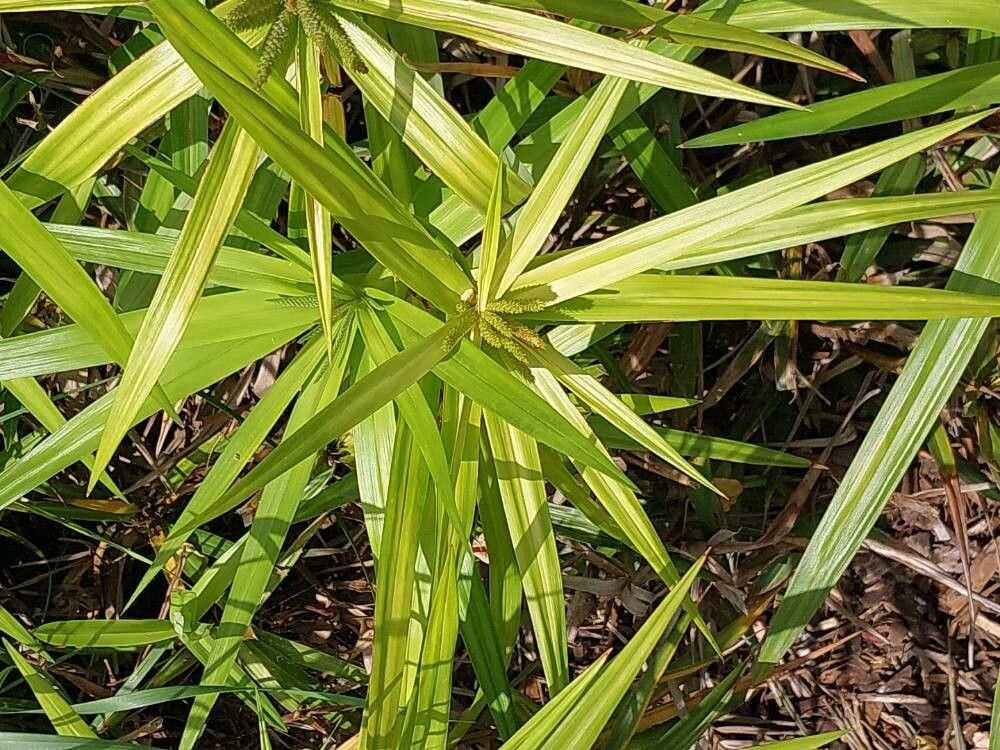
This Japanese import is a real eye-catcher in the garden. The upright evergreen sedge looks like a cluster of tiny variegated palm trees, each adorned with small whorls of vibrant white and green striped foliage. It's perfect for planting among ferns in a woodland garden.
Palm sedge is resistant to disease and is usually not susceptible to illnesses. Regarding maintenance, this plant is fairly low-maintenance. When grown outdoors it needs only light watering, and larger specimens typically do not require pruning. Smaller specimens, however, should be cut back after flowering. Palm sedget is well suited to anyone with an outdoor area, like a garden or deck, and does not demand extensive care experience.
How to keep Carex Phyllocephala.
Light
The palm sedge naturally occurs in habitats like the understory of forests or rocky terrains, where it enjoys organic shade. Its optimal sunlight exposure is semi-sunlit conditions, but it has the ability to adjust to complete sunlight or complete shade, exhibiting its flexible and robust characteristics.
Water
Palm sedge thrives in high humidity and requires consistent moisture, so it needs to be watered twice a week. Although it can tolerate drought, it grows best with a balance of wet and dry conditions. Being an evergreen, palm sedge retains its foliage throughout the year, making it ideal for indoor growth in environments with controlled humidity.
Temperature
Palm sedge is native to regions with a tropical climate, characterized by heat and moisture. Hence, it is equipped to thrive in hot, humid conditions. It isn't fond of abrupt changes in temperature and thrives best in a consistent temperature setting, so it's crucial to prevent any variations in temperature indoors. Typically, this plant doesn't withstand cold weather and needs warmer temperatures for its growth. If the temperature of its surroundings falls below its tolerance level, the plant may halt growing or even perish.
Fertilizer
The palm sedge needs extra nutrients for encouraging robust new growth. In the spring, adding compost around the bottom of the plant can efficiently offer the required nutrition it needs. The process of fertilization assists in promoting vigorous growth and fortifies the plant's resistance against diseases and pests.
Pruning
Palm sedge features slender, arching leaves and benefits from pruning in early spring. This helps maintain its shape and promotes healthy growth. To enhance both the plant's appearance and its air circulation, remove any dead leaves and thin out crowded stems. This not only improves aesthetics but also helps prevent disease. Pruning annually ensures that the plant retains a lush appearance throughout the growing season.
Botanical profile.
- Plant Type
- Grass
- Life Cycle
- Perennial
- Genus
- Carex
- Family
- Cyperaceae
- Hardiness Zone
- 7-10
- Mature Height
- 30 cm to 61 cm
- Mature Spread
- 30 cm to 61 cm
- Leaf Color
- White, Green, Variegated
- Leaf Type
- Evergreen
- Flower Color
- Brown
- Bloom Time
- Mid spring, Late spring
- Planting Time
- Summer, Autumn
- Harvest Time
- Early summer, Mid summer
- Native Area
- Japan, China