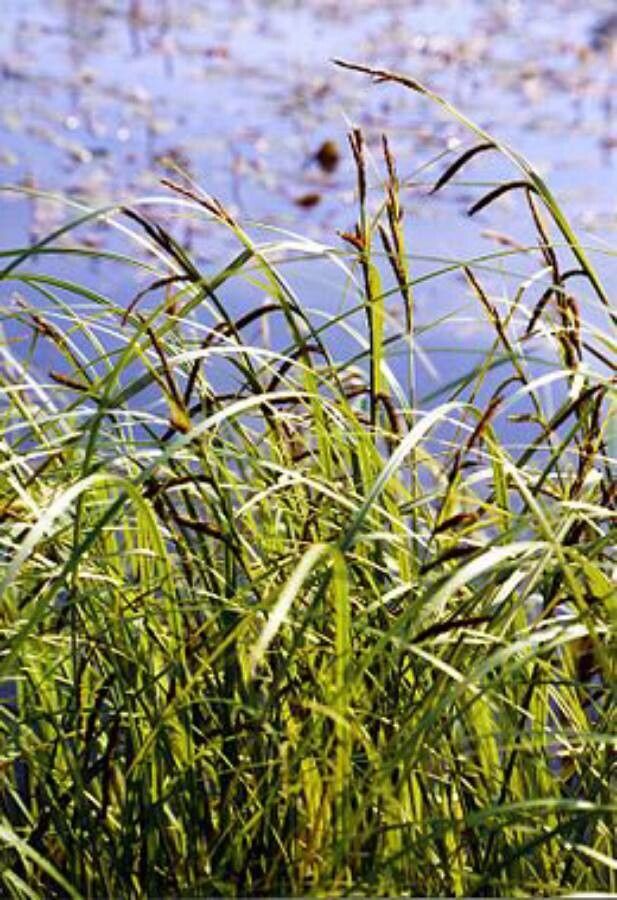
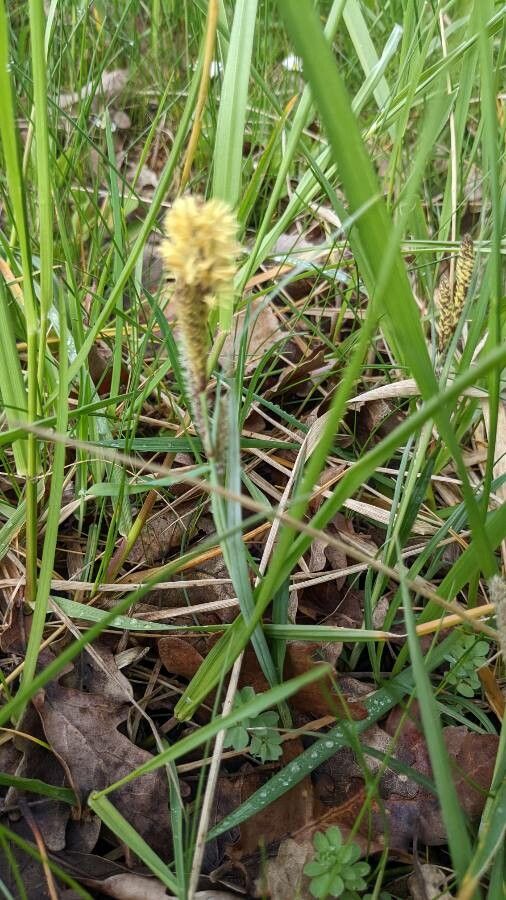
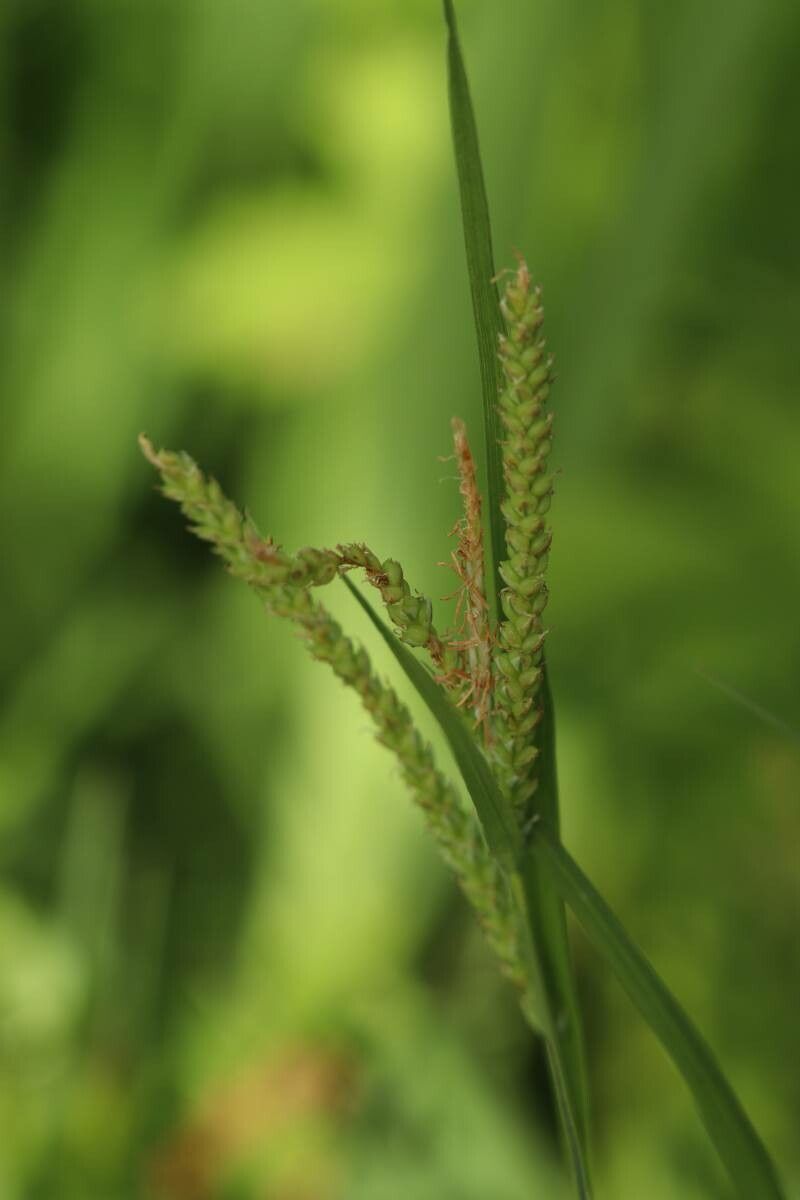
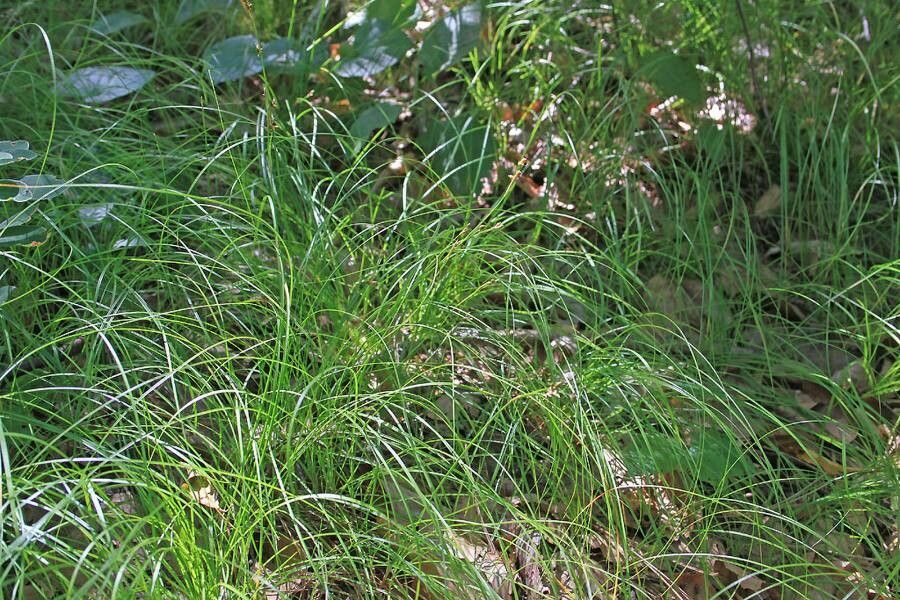
Carex phaeocephala is a species of sedge known by the common name dunhead sedge.
Dunhead sedge is resistant to disease and is generally not susceptible to illnesses. Care-wise, this plant is fairly low-maintenance. When grown outdoors it needs minimal watering, and larger plants typically do not require pruning. Smaller plants, however, should be pruned after they bloom. Dunhead sedge is suitable for anyone with an outdoor area, such as a garden or deck, and does not demand much gardening experience.
How to keep Carex Phaeocephala.
Light
Dunhead sedge is a perennial herb that loves the sun and comes from open regions, typically flourishing in areas like meadows and grasslands. While it has a preference for full sun exposure, it can also stand being in areas with partial sun.
Water
Dunhead sedge thrives in moist conditions and needs to be watered weekly. It can withstand brief periods of dryness, but be careful not to overdo it. When growing this plant outdoors, make sure the soil drains well to avoid waterlogging and root rot. Maintaining the right level of moisture is essential for its healthy growth.
Temperature
The Dunhead sedge can acclimate to a broad spectrum of temperature conditions, yet its distribution could be constrained by varying combinations of heat and water conditions. It flourishes optimally in summer's warm climates, provided there's sufficient rain or watering. Extended durations of overcast and rainy conditions, coupled with sustained high temperatures, can heighten the risk of the Dunhead sedge's death. During winter, the plant's chance of survival can be boosted by adequate protection from the cold.
Fertilizer
Dunhead sedge needs extra nourishment to encourage robust new development. In the spring, positioning some compost around the plant's base can successfully supply the required nutrition. Fertilizing helps to bolster aggressive growth and assists the plant in fighting off diseases and pests.
Pruning
Dunhead sedge is characterized by its tufted growth and narrow leaves. To maintain its health and appearance, it benefits from pruning in early spring. Removing dead foliage and damaged parts encourages healthy growth, reduces the risk of pests, and improves its overall look. This leads to denser clumps of sedge, providing both visual appeal and ecological benefits.
Botanical profile.
- Plant Type
- Grass
- Life Cycle
- Perennial
- Genus
- Carex
- Family
- Cyperaceae
- Hardiness Zone
- 2-8
- Mature Height
- 15 cm to 20 cm
- Mature Spread
- 15 cm to 20 cm
- Leaf Type
- Evergreen
- Flower Color
- Yellow, Green, Brown
Other names.
Reader questions.
What are the essential care tips for Dunhead sedge?
Dunhead sedge, or Carex phaeocephala, is capable of adapting to a broad range of temperature conditions, though its growth may be influenced by specific water and heat combinations. It thrives in warm summer climates with sufficient rainfall or watering. However, its health can be compromised by extended periods of cloudy, rainy weather, or by prolonged high temperatures. While Dunhead sedge possesses strong cold resistance, making special frost protection measures generally unnecessary, protection is advised if winter temperatures are forecasted to drop below -40°C, using coverings such as soil or straw. Additionally, to help prevent drought and water scarcity during winter and early spring, it's recommended to water the plant abundantly before the first autumn freeze, ensuring the soil is moist when it freezes.
How does low temperature affect Dunhead sedge, and what are the solutions?
Dunhead sedge shows good tolerance to cold weather and ideally should be kept above -35°C during winter months. Although the plant can survive temperatures down to -40°C, it may exhibit decreased sprouting or fail to sprout at all come springtime, without any noticeable changes during winter. In cases where sprouting is affected by low temperatures, the solution is to remove the unsprouted parts in the spring to promote new growth.
What impact does high temperature have on Dunhead sedge, and how can it be mitigated?
During the summer months, it’s essential to ensure that the temperature around Dunhead sedge doesn't exceed 32°C. Exposure to temperatures above 35°C can result in the leaves becoming lighter, prone to curling, susceptible to sunburn, and in severe cases, can cause the entire plant to wilt and dry. To mitigate high temperature stress, sunburned and dried parts of the plant should be trimmed away. Moving the plant to a shaded location, especially during the midday and afternoon sun, or using a shade cloth can provide much-needed protection. Additionally, watering the plant in the morning and evening will help maintain soil moisture, supporting the plant's overall health.