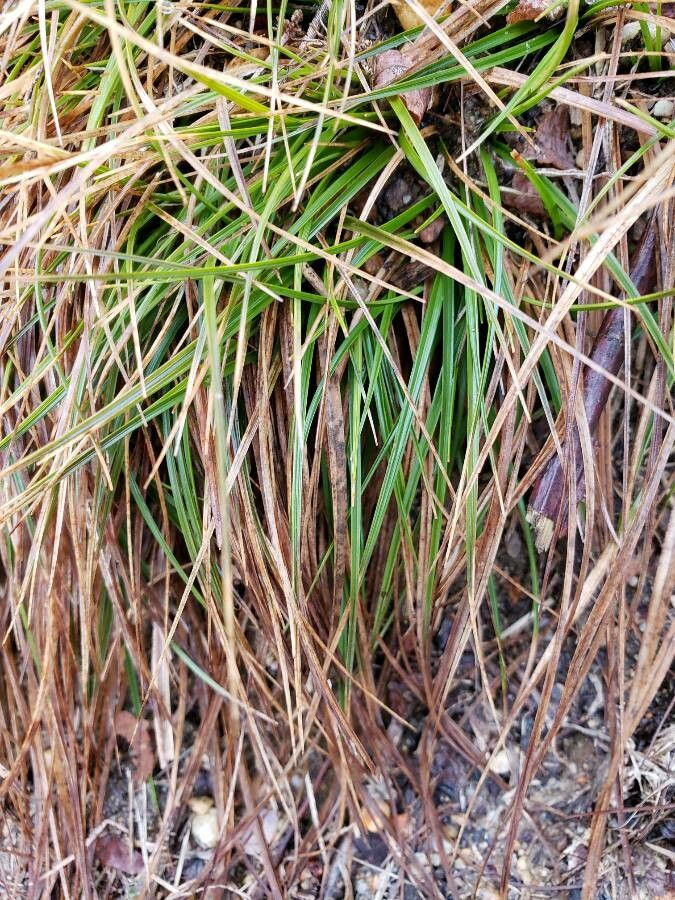
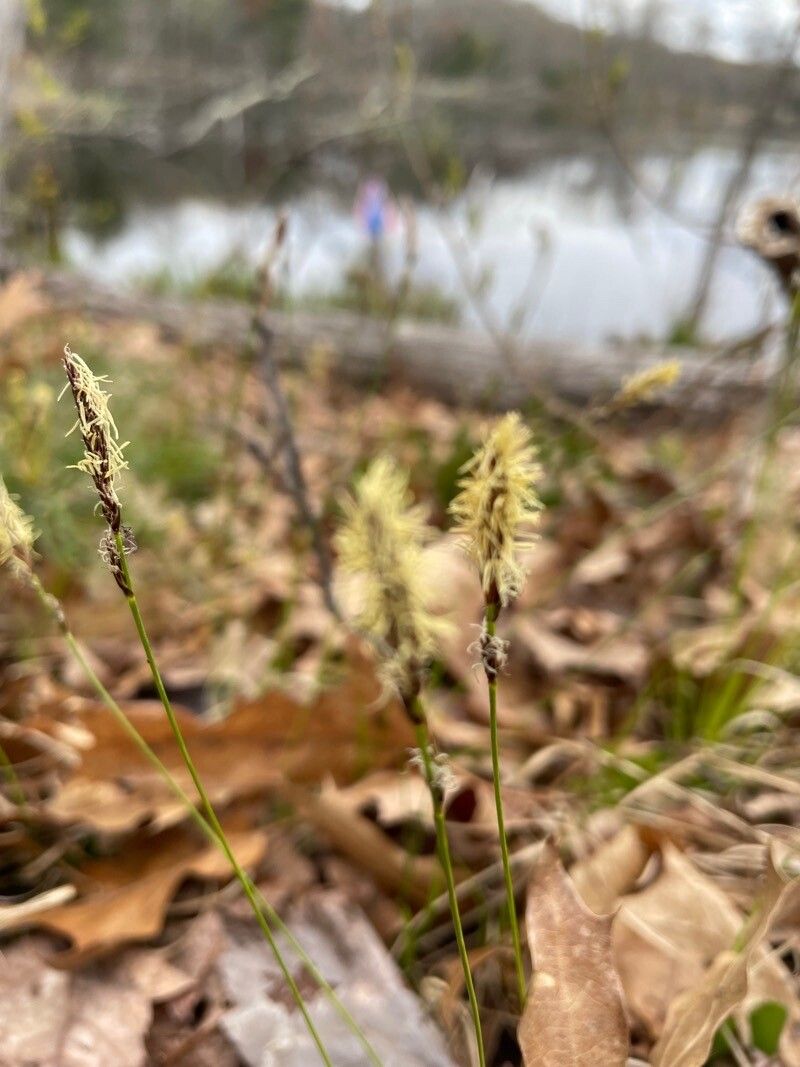
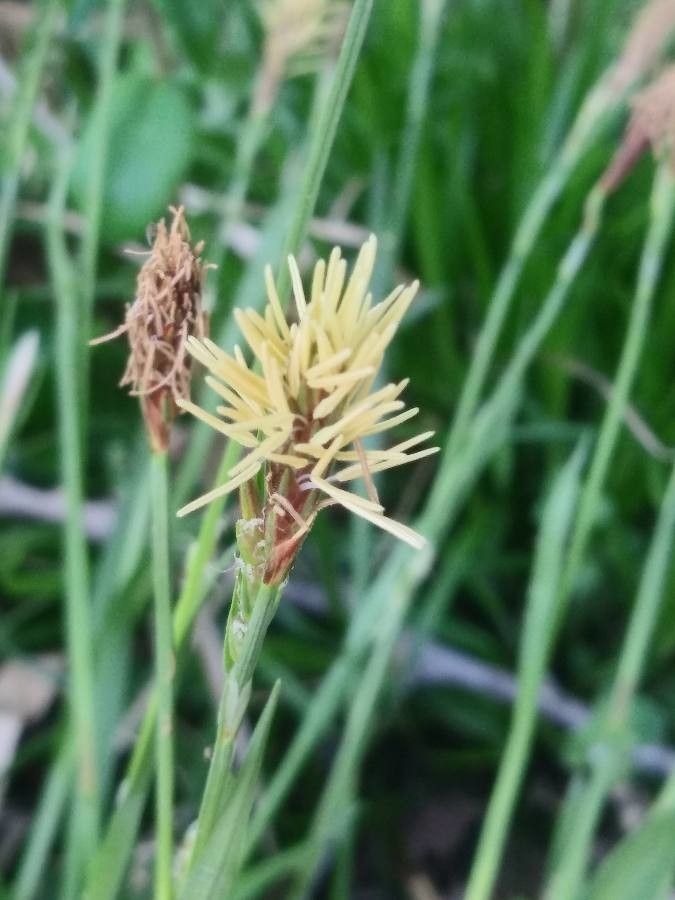
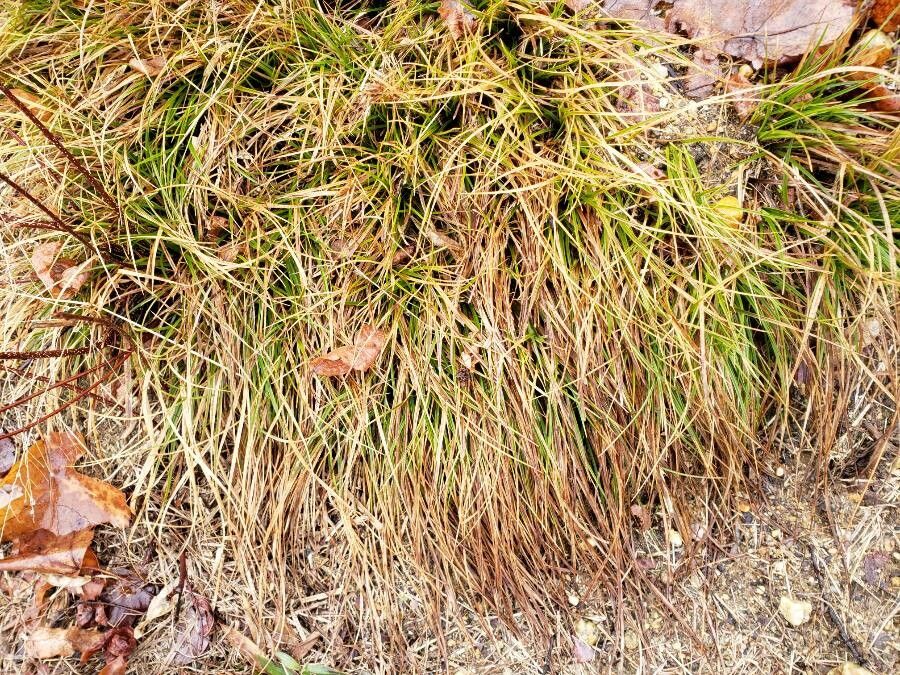
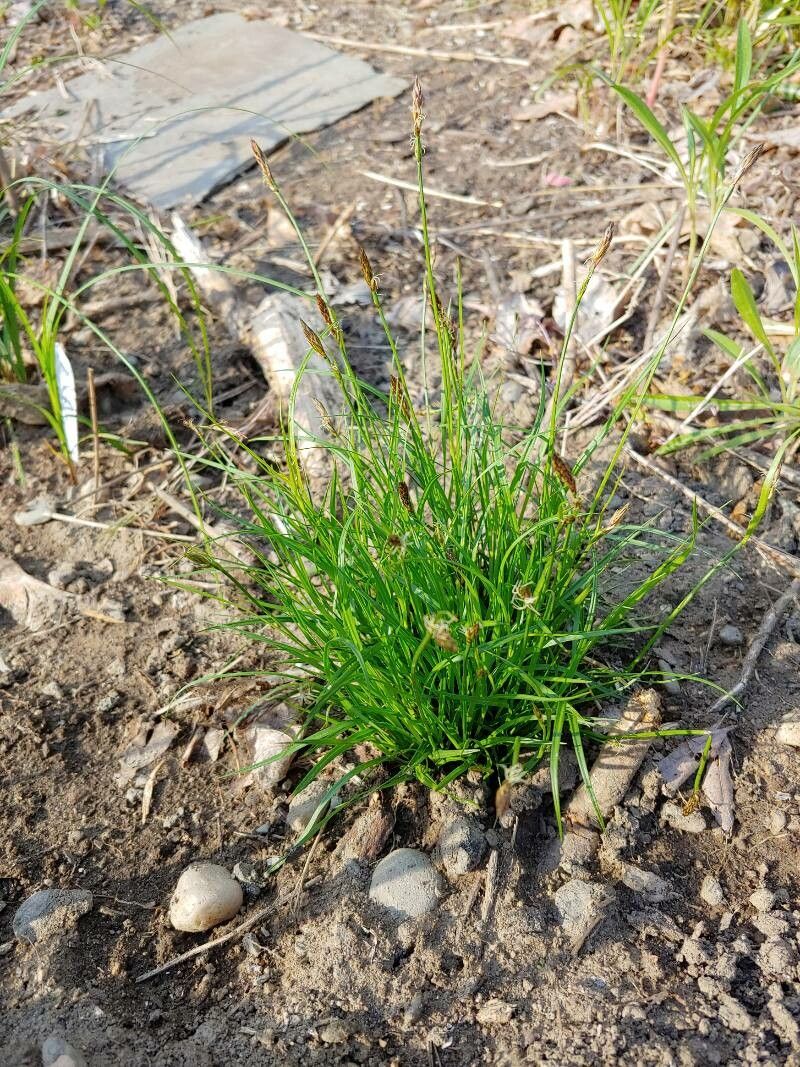
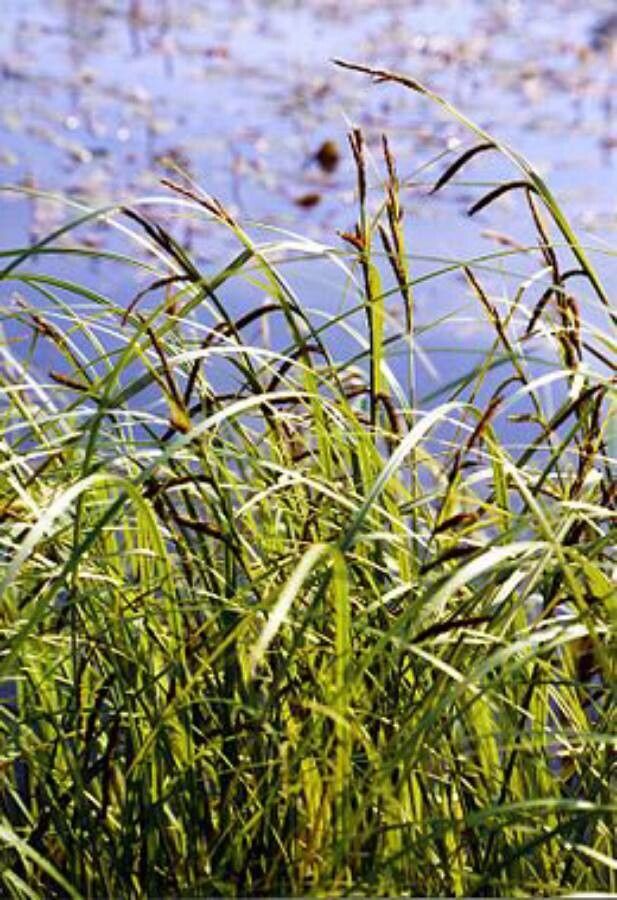
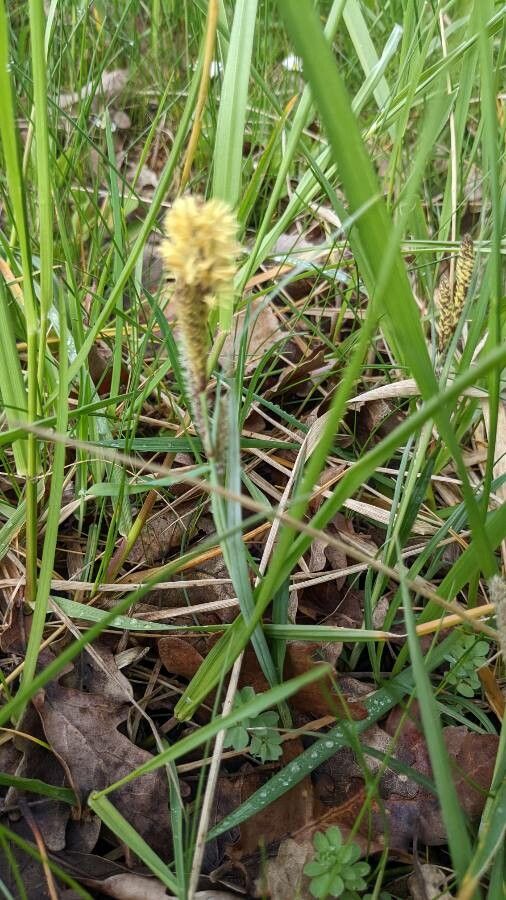
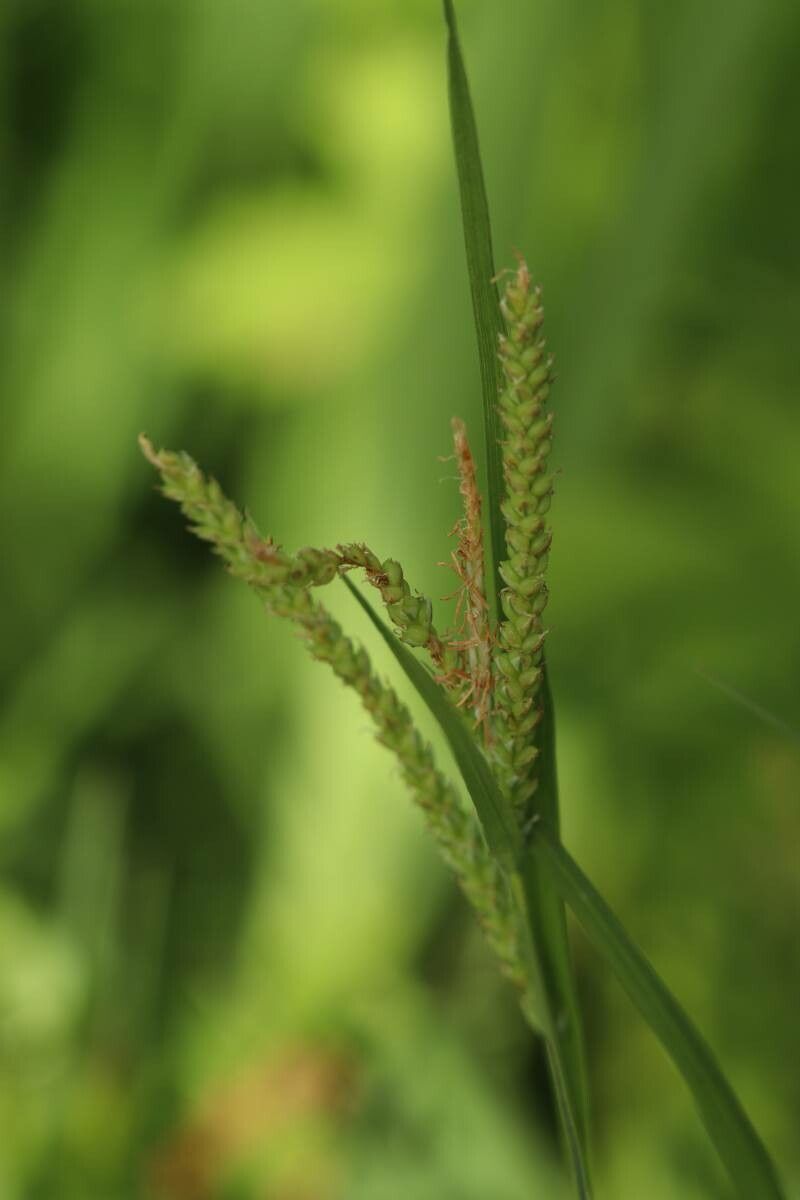
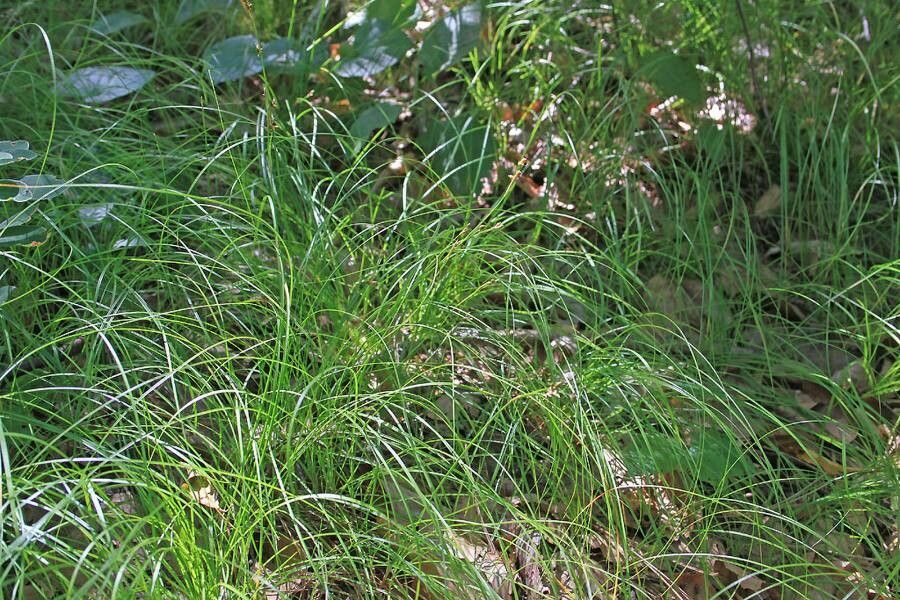
Carex pensylvanica, commonly known as Pennsylvania sedge, is a perennial, grass-like plant native to North America. Typically growing in dense clumps, this plant can reach heights of up to 12 inches. It features narrow, dark green leaves that are about 1/8 inch wide and up to 10 inches long.
Pennsylvania sedge thrives in moist soils and can tolerate both sun and shade. Often used as a ground cover in woodland gardens or naturalized areas, it has the ability to spread quickly through rhizomes.
Beyond its ornamental appeal, Pennsylvania sedge offers significant ecological benefits, such as erosion control and providing habitat for wildlife. Birds, like sparrows, eat its seeds, while its foliage offers cover for small mammals, such as mice.
In 1754, Lin Nai established the genus known as "true sedge." This plant is a significant component of China's flora and is the dominant grass species in the lowest layer of many forests. In some areas, true sedge makes up most of the lower vegetation. FUN FACT · FROM THE LIBRARY
Overall, Carex pensylvanica is an attractive and versatile plant suitable for various landscaping settings, all while contributing important ecological benefits.
Pennsylvania sedge has strong resistance to disease and is generally not likely to develop illnesses. Still, it can be affected by pests and diseases present in its environment. Such infections are usually mild. Regarding care, this plant needs moderate maintenance. It should be pruned regularly to keep a neat appearance and support healthy growth. Fertilizing can also encourage flowering. Pennsylvania sedge is appropriate for anyone with outdoor space, such as a garden or patio, and does not demand extensive care experience. It may need more attention if grown indoors.
How to keep Carex Pensylvanica.
Light
Pennsylvania sedge performs best in spots that offer a mix of shade and sunlight, though it can tolerate areas with more or less sun. Too much sun results in poor foliage, whereas too little light restricts the plant's growth. In its natural setting it typically grows beneath trees and receives dappled sunlight.
Water
Pennsylvania sedge thrives on the forest floors of North America, where it prefers intermittent shade and consistent moisture. Although it can handle short dry spells, regular weekly watering helps keep it hydrated. This plant is well-suited to temperate climates, taking advantage of seasonal rainfall to sustain its growth during drier periods.
Temperature
Inhabiting areas where temperatures range from 41 to 89.6 °F (5 to 32 ℃), pennsylvania sedge is most comfortable within that span. Preferring cooler conditions, it tolerates heat only up to 89.6 °F (32 °C). Seasonal temperature adjustments may be important for its well-being.
Fertilizer
One fertilizer application in spring is typically enough for Pennsylvania sedge, though repeated feedings can boost growth. Apply every month to every month and a half. Fertilizing improves the look and function of the leaves, supporting even color and a healthy texture. It also promotes root development and nutrient uptake, supporting long-term plant health.
Pruning
Pennsylvania sedge is a low-maintenance plant renowned for its fine-textured foliage and ability to act as a ground cover. To maintain its health, prune any damaged leaves in early spring and mow the plant to a height of 2-3 inches in late spring to encourage growth. Regular thinning helps improve air circulation and overall vitality, enhancing the health and appearance of Pennsylvania sedge.
Pot & Repot
When repotting Pennsylvania sedge, pick a container 1–2 inches (2.5–5.1 cm) larger that has good drainage. Use a well-draining potting mix. Repot in spring or fall, making sure the root ball sits slightly below the rim of the pot. Water deeply after repotting and place the plant in a warm spot with indirect light.
Botanical profile.
- Plant Type
- Herb
- Life Cycle
- Perennial
- Genus
- Carex
- Family
- Cyperaceae
- Hardiness Zone
- 4-8
- Mature Height
- 10 cm to 46 cm
- Mature Spread
- 49 cm
- Leaf Color
- Green
- Leaf Type
- Semi-evergreen
- Flower Color
- White, Yellow, Green, Cream
- Flower Size
- 2.54 cm
- Bloom Time
- Mid spring, Late spring, Early summer
- Planting Time
- Spring, Summer, Autumn
- Harvest Time
- Early summer, Mid summer
Other names.
Reader questions.
How should I water my Pennsylvania sedge plant to make sure it gets enough water?
To properly water the Pennsylvania sedge, it is best to use filtered water that is at room temperature. Tap water may contain harmful particles that can negatively affect the plant's health. The Pennsylvania sedge originates from a warm environment, so it is important to avoid using cold water, which can shock its system. Additionally, it is advised not to overhead water the plant as it can cause problems with the foliage. Instead, the filtered room temperature water should be applied directly to the soil until it is fully soaked. This method of watering benefits the plant by moisturizing its roots and facilitating the spread of nutrients throughout the soil.
Why is it necessary to fertilize my Pennsylvania sedge?
The main structure of the Pennsylvania sedge is made up of its leaves. Fertilization is a crucial way to ensure that these leaves not only look great but also fulfill their function effectively. Proper fertilization promotes consistent color and a healthy texture in the leaves of your Pennsylvania sedge. Additionally, it works beneath the soil's surface to help generate new roots and maintain the existing root system. Not only will fertilization keep your plant healthy in the present, but it will also enhance its ability to absorb soil nutrients in the future.
What are the sunlight requirements for Pennsylvania sedge?
Pennsylvania sedge thrives best in conditions where it is exposed to a balance of both shadows and sunlight, making it versatile with adaptability to various sun exposures. Ideally, it should receive about 3-6 hours of sunlight daily, classified as partial sun, and can also tolerate full sun or full shade conditions, which means above 6 hours of sunlight. It's crucial to monitor the sunlight's movement through your garden to ensure your plants are placed in spots that offer an optimal balance of light and shade, guaranteeing their well-being.
What temperatures are ideal for Pennsylvania sedge?
Pennsylvania sedge thrives in temperature ranges between 41 to 89.6 °F (5 to 32 °C), favoring cooler climates. It possesses significant cold resistance, enabling it to withstand winter without special frost protection unless temperatures are expected to plummet below -30°C. In such extreme cold, protective measures are recommended, such as covering the plant with soil or straw. It's also advisable to water the plant abundantly before the first freeze in autumn to maintain soil moisture, thus preventing drought and water scarcity for the plant during winter and early spring.
What should I do if I give too much or too little water to my Pennsylvania sedge?
Both overwatering and underwatering can harm the health of your Pennsylvania sedge, but overwatering is more often a problem. Excessive water can cause wilting, yellowing, and even diseases like root rot, mold, and mildew, which can be fatal. Underwatering is less common because the Pennsylvania sedge is somewhat drought-resistant. However, it can still happen, causing the leaves to become brittle and brown. It's important to take note of signs of overwatering early on to prevent irreversible damage. If you observe these signs, reduce your watering immediately and check if the soil is draining well. If the soil is not draining properly, replace it with a loose, well-draining potting mix. Conversely, if you notice signs of underwatering, simply water the plant more regularly until the symptoms improve.
When should I fertilize my Pennsylvania sedge?
If you grow your Pennsylvania sedge outdoors, it will send out new growth in early spring. This is the signal to start fertilizing for the year. Generally, one application of fertilizer in the spring is enough for the sedge to thrive. However, if you want to promote maximum growth, you can fertilize multiple times in the spring and early summer. If you choose this option, feed your Pennsylvania sedge every month to a month and a half.
What should I do if my Pennsylvania sedge is not getting the right amount of sunlight?
If your Pennsylvania sedge is not receiving adequate sunlight, consider gradually transitioning it to areas with more suitable light conditions. For indoor plants that are large or difficult to move, providing supplemental lighting with desk or ceiling lamps for at least 8 hours daily may be beneficial. Implement the use of professional plant grow lights to ensure sufficient light coverage. When dealing with outdoor plants, gently move them to brighter areas on a weekly basis to avoid shock from sudden changes in light exposure. For plants situated on the ground, trimming overhead branches to minimize shading or transplanting the plant to a sunnier location during its dormant phase could enhance sunlight access.
How does Pennsylvania sedge react to low temperatures?
Pennsylvania sedge is cold-tolerant and prefers temperatures above 5°C, but it should ideally remain above -25°C during winter. Exposure to temperatures below -30°C may not initially manifest noticeable changes during the winter, but it could lead to a decrease in sprouting or even a complete absence of sprouting come springtime. To mitigate this, any non-sprouting parts should be removed in spring.
How much should I water my Pennsylvania sedge?
If you have a potted Pennsylvania sedge plant, the best way to determine if it needs watering is by checking the soil moisture. Simply put your finger into the soil, and if the top two to three inches feel dry, it's time to water. For Pennsylvania sedge plants grown outdoors in the ground, you can use the same method. When you find that the first few inches of soil have dried out, it's time to give it some water. In spring and early fall, you will typically need to water this plant once a week using this method. However, during extremely hot weather, you may need to water it twice or more per week. It's important to note that mature, well-established Pennsylvania sedge plants have a remarkable ability to withstand drought.
When is not a good time to add fertilizer to my Pennsylvania sedge?
During the late fall and winter, your Pennsylvania sedge will go into a dormant phase and stop growing. Because of this, it is best to avoid fertilizing during this time. In the spring and summer, if you do choose to fertilize, it's important to gradually reduce the amount as summer approaches because the growth rate of your Pennsylvania sedge will also slow down. It's never a good idea to fertilize when the weather is very hot or the soil is extremely dry, as it can stress your Pennsylvania sedge and lead to its premature death.
How does artificial lighting benefit indoor Pennsylvania sedge plants?
Artificial lighting plays a crucial role in supporting the growth of indoor Pennsylvania sedge plants, especially when natural sunlight is insufficient. LED lights are especially beneficial as they can be tailored to provide specific wavelengths needed by plants. For full sun plants, a strength of 30-50W/sq ft is recommended, while partial sun plants do well with 20-30W/sq ft, and full shade plants need about 10-20W/sq ft. Positioning the light source 12-36 inches above the plant simulates natural sunlight well. It's also important to adjust the duration of artificial lighting to match natural daylight hours, with most plants requiring 8-12 hours of light per day.
What should be done if Pennsylvania sedge experiences high temperatures?
During the summer, it's essential to ensure that Pennsylvania sedge does not get exposed to temperatures above 32°C. Exceeding 35°C can cause the leaves to lighten, curl, become susceptible to sunburn, and in severe cases, cause the entire plant to wilt and dry out. Solutions include trimming away sunburned and dried parts, relocating the plant to a shaded area during the midday and afternoon sun, or using a shade cloth to provide relief. Additionally, watering the plant in the morning and evening can help keep the soil moist.