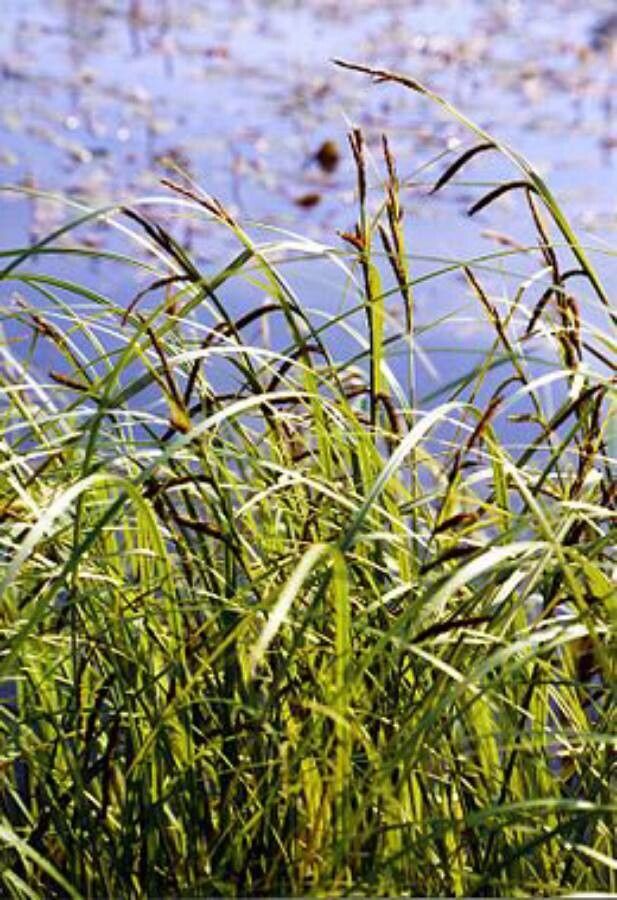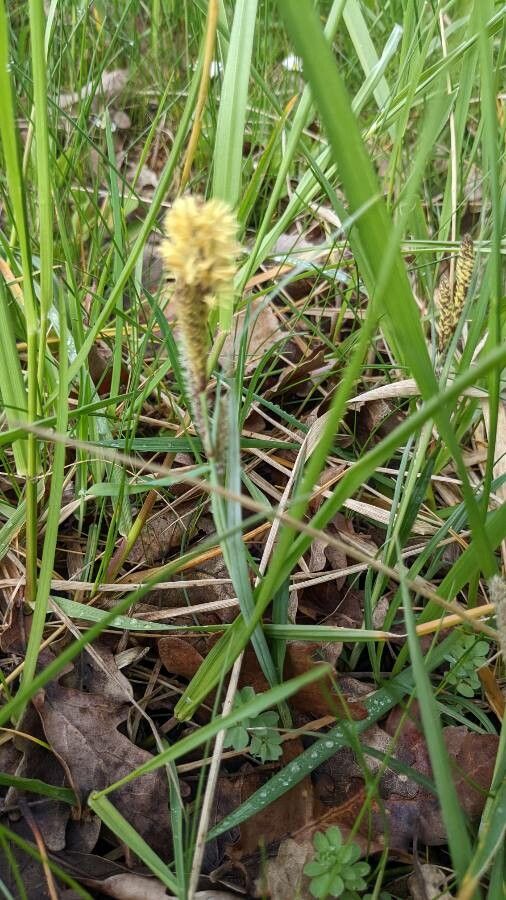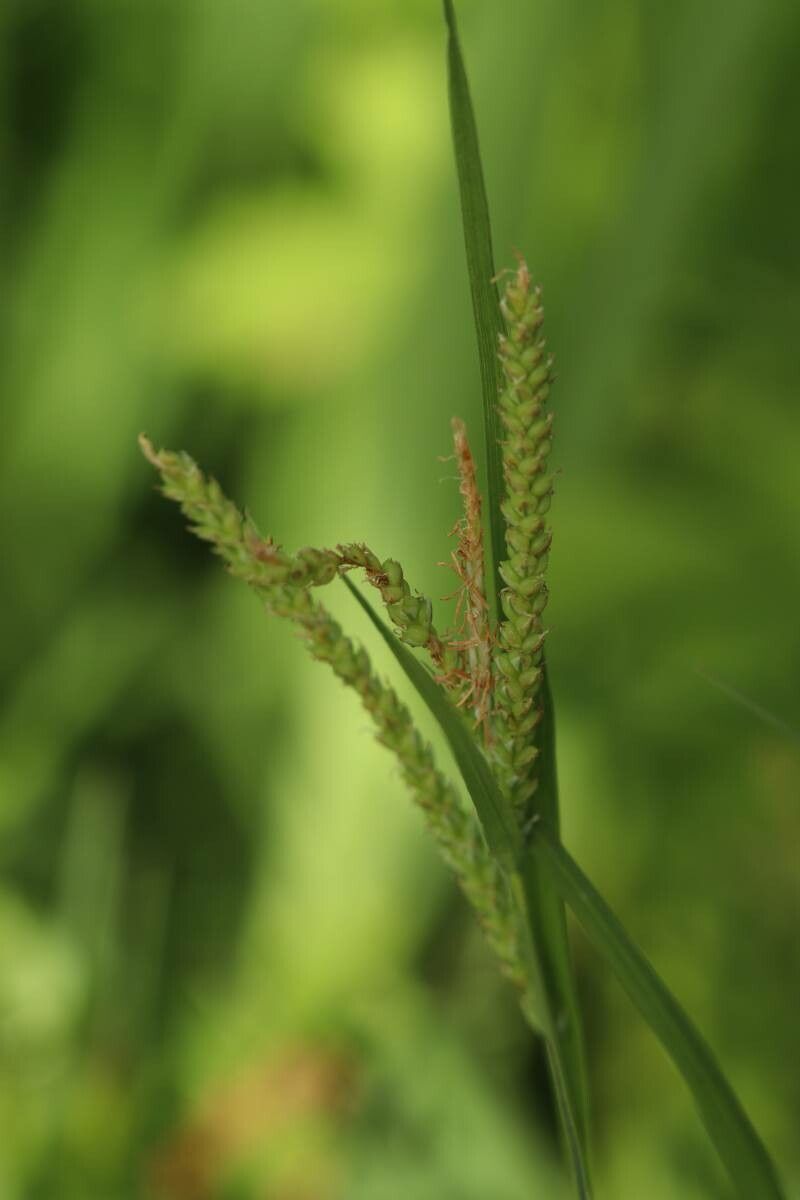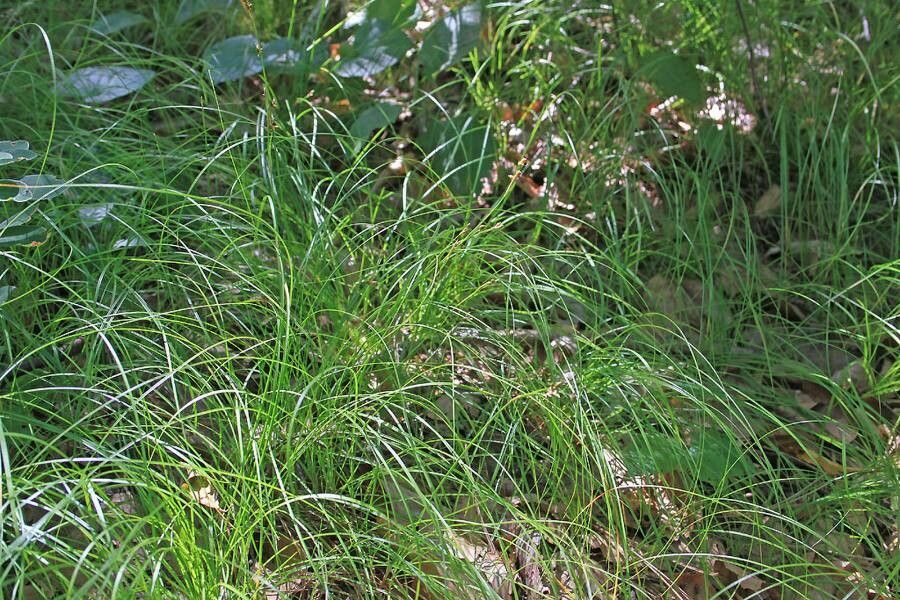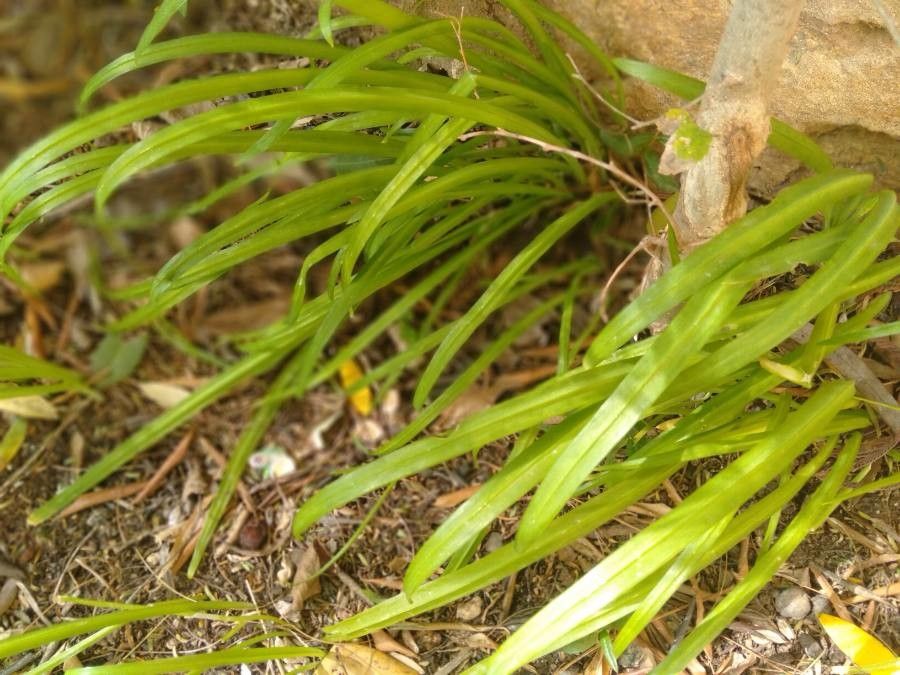
Carex ovalis can refer to:
Carex ovalis Gooden., a synonym of Carex leporina L. Carex ovalis Willd. ex Kunth, a synonym of Carex scoparia Schkuhr ex Willd.
Broom sedge has good resistance to disease and is generally not susceptible to illnesses. Regarding care, this plant is fairly low-maintenance. When grown outdoors it needs little watering, and larger plants typically do not require pruning. Smaller plants, however, should be pruned after they have finished blooming. Broom sedge is suitable for anyone with an outdoor area, such as a garden or deck, and does not demand much experience in plant care.
How to keep Carex Ovalis.
Light
Broom sedge prefers ample but not intense sunlight for healthy growth. Native to areas with diffused light, the plant does best in those conditions. Excessive exposure can cause stress, while too little light can impede its growth and development.
Temperature
Broom sedge is a plant native to temperate regions, thriving where temperatures range from 50 to 77 °F (10 to 25 ℃). Seasonal adjustments in temperature may be necessary to maintain optimal conditions.
Fertilizer
Broom sedge needs extra nutrients to encourage healthy new growth. In spring, putting compost around the plant's base can effectively supply the nutrition it requires. Fertilizing helps support robust growth and improves the plant's ability to resist diseases and pests.
Botanical profile.
- Plant Type
- Grass
- Life Cycle
- Perennial
- Genus
- Carex
- Family
- Cyperaceae
- Hardiness Zone
- 6
- Mature Height
- 0.3 m to 1.07 m
- Mature Spread
- 30 cm to 46 cm
- Leaf Color
- Green, Blue
- Leaf Type
- Deciduous
- Flower Color
- Green
- Flower Size
- 0.25 cm to 0.51 cm
- Bloom Time
- Late spring, Early summer
- Planting Time
- Spring, Summer
- Harvest Time
- Mid summer, Late summer