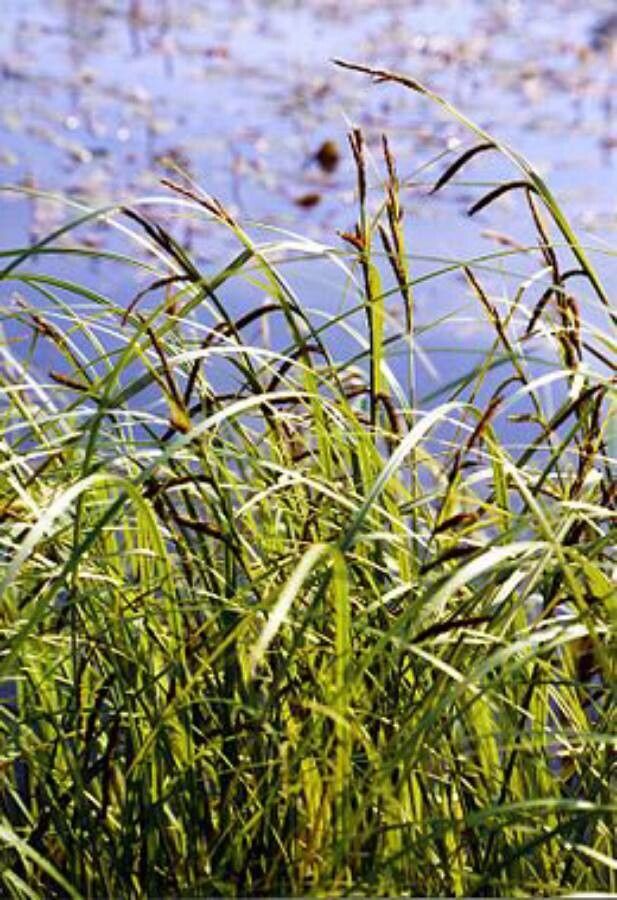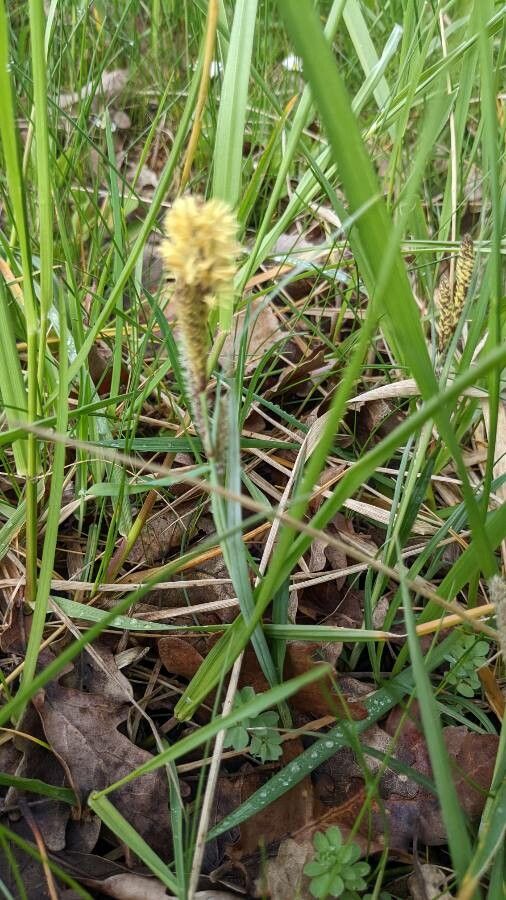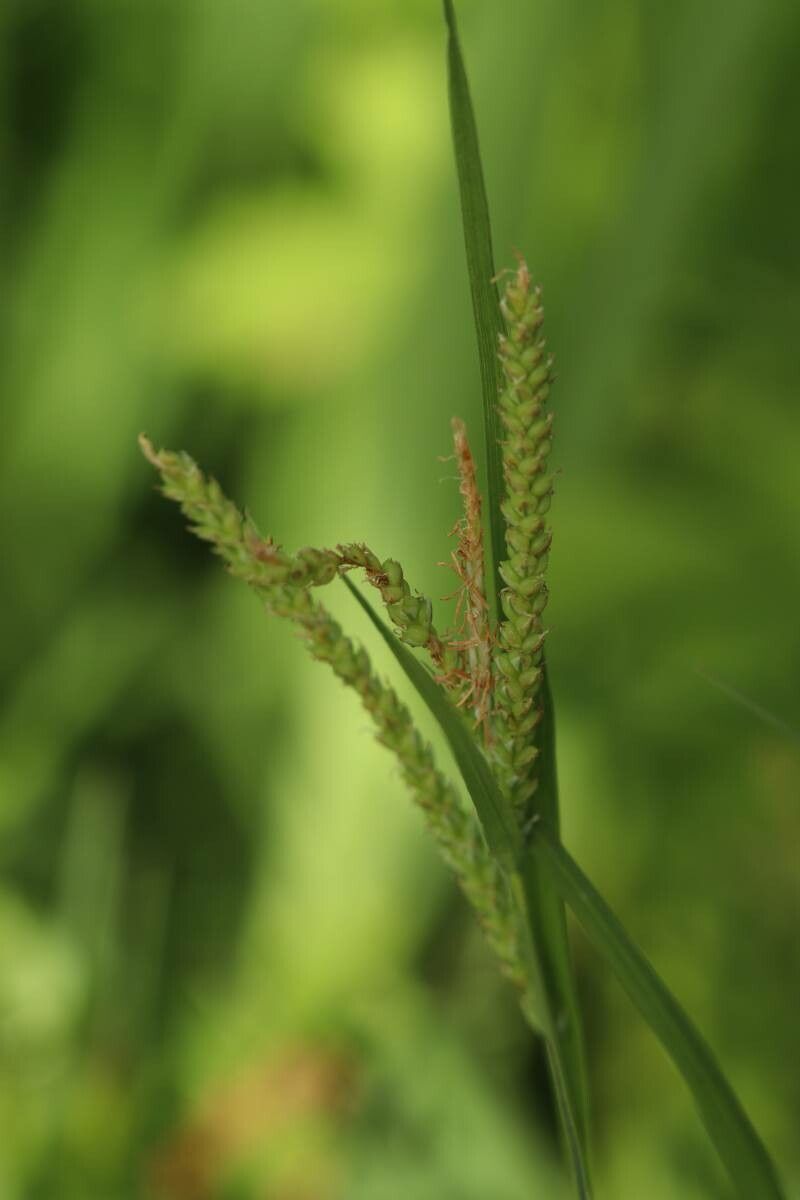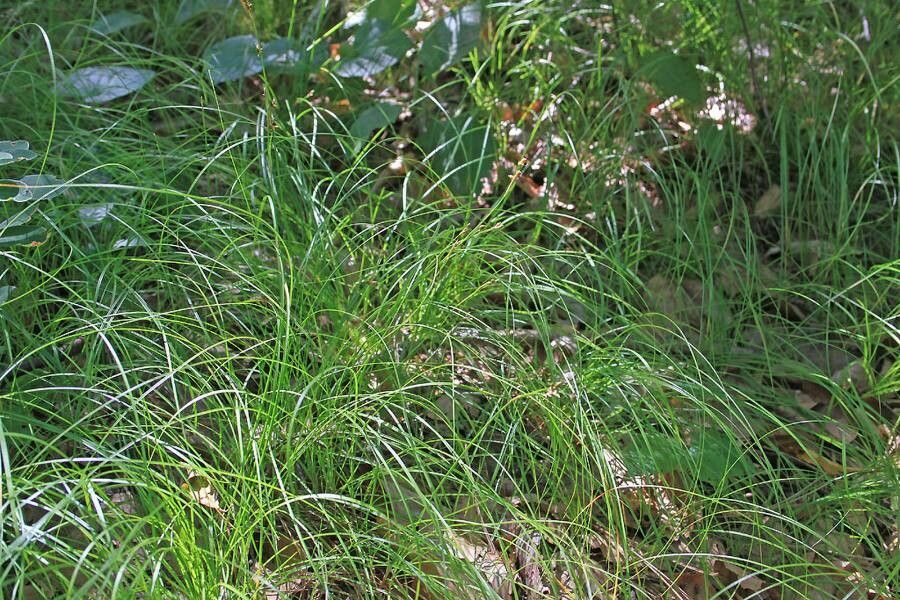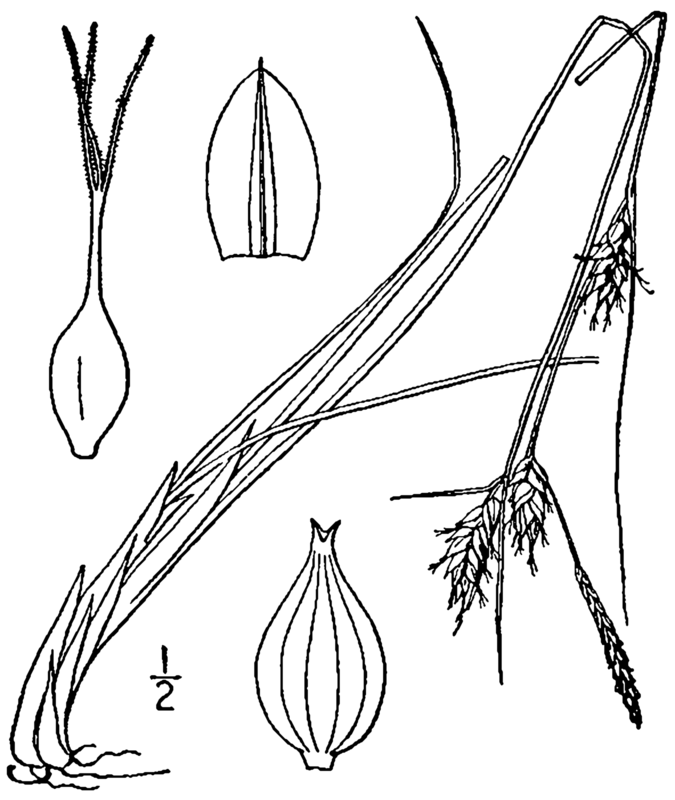
Carex oligosperma, common name fewseed sedge, few-seeded sedge, and few-fruited sedge, is a perennial plant in the Carex genus. A distinct variety, Carex oligosperma var. oligosperma, exists.
Fewseed sedge is fairly disease-resistant and typically does not catch illnesses easily. Regarding care, this species is fairly low-maintenance. When grown outdoors it needs only light watering, and larger specimens usually do not require pruning. Smaller specimens, however, should be trimmed after they finish flowering. Fewseed sedget is a good choice for anyone who has an outdoor area, like a garden or a deck, and it does not demand extensive gardening experience.
How to keep Carex Oligosperma.
Light
Fewseed sedge does best in settings that receive ample sunlight throughout the day, though it can cope with lower light. Its native habitats are typically sunny. Too little light can impede its growth, while excessive exposure can potentially cause harm.
Water
Fewseed sedge flourishes in moist environments, preferring saturated, humid habitats. It needs to be watered weekly to keep the soil moist, but care should be taken to avoid overwatering. For best results, plant it in soil that mimics its natural wetland conditions, and provide a naturalistic water cycle to support optimal growth.
Temperature
Fewseed sedge can tolerate a wide range of temperatures, but its distribution may still be restricted by different combinations of moisture and heat. It does best in warm summer climates with sufficient rainfall or irrigation. Extended periods of cloudy, rainy weather or prolonged high temperatures can raise the chance of Fewseed sedge dying. In winter, adequate protection from cold can improve the plant’s survival.
Fertilizer
Fewseed sedge needs extra nutrients to encourage healthy new growth. In spring, placing compost around the plant's base can effectively supply the necessary nutrition. Fertilizing supports vigorous growth and helps the plant resist diseases and pests.
Pruning
Fewseed sedge thrives in wetland environments and has grass-like foliage. To encourage growth and prevent self-seeding, prune the plant in early spring. This also helps remove dead stems. Be sure to clean your tools to avoid spreading disease, which will enhance the appearance and vigor of the fewseed sedge, contributing to a well-maintained garden.
Botanical profile.
- Plant Type
- Grass
- Life Cycle
- Perennial
- Genus
- Carex
- Family
- Cyperaceae
- Hardiness Zone
- 3-7
- Mature Height
- 46 cm to 91 cm
- Mature Spread
- 20 cm to 40 cm
- Leaf Color
- Green
- Leaf Type
- Evergreen
- Flower Color
- White, Yellow, Brown
- Flower Size
- 0.20 cm to 0.51 cm
- Bloom Time
- Late spring, Early summer
- Planting Time
- Spring, Autumn
- Harvest Time
- Mid summer, Late summer
- Native Area
- Russia, Japan
Other names.
Reader questions.
What are the sunlight requirements for Fewseed Sedge?
Fewseed sedge requires full sun, defined as above 6 hours of sunlight daily, to thrive, but it can also manage with partial sun, which is about 3-6 hours of sunlight. It’s crucial to observe how sunlight moves through your garden to position your plants in spots that provide the ideal balance of light and shade. This ensures the plants' happiness by meeting their light requirements effectively.
How essential is sunlight for the growth of Fewseed Sedge?
Sunlight is critical for the growth of Fewseed sedge, as it thrives best with abundant sun exposure throughout the day. Originating from environments rich in sunlight, insufficient light can impede its growth, while too much exposure could potentially cause harm. In scenarios where natural sunlight is inadequate, especially during winter or in less sunny spaces, artificial lighting can be a vital solution. It's recommended to use artificial light like LED lights, which can be customized to meet the specific light wavelengths needed by the plant. For optimal growth under artificial lighting, full sun plants require 30-50W/sq ft, partial sun plants need 20-30W/sq ft, and full shade plants need 10-20W/sq ft.
What are the symptoms of light deficiency in Fewseed Sedge?
When Fewseed sedge is placed in rooms with inadequate lighting, it may not immediately show symptoms of light deficiency. However, signs to watch for include smaller new leaves compared to older ones, leggy or sparse growth, faster leaf drop, slower or no new growth, and lighter-colored or yellow leaves (chlorosis). Excessive sunlight can lead to symptoms like sunscald, leaf curling, wilting, leaf scorching, and chlorosis, indicating damage or stress due to overexposure to light.
What solutions can alleviate symptoms of poor light conditions for Fewseed Sedge?
To address insufficient light for indoor Fewseed sedge, you can gradually move the plants to a location where they receive at least 6 hours of direct sunlight daily, ideally near a south-facing window with curtains open for maximum exposure. If the plant is large or difficult to move, consider supplemental artificial lighting, keeping a lamp on for about 8 hours daily or using professional grow lights. For outdoor plants, gradually acclimate them to sunnier spots to prevent sunburn. Reducing obstructions like pruning trees can help increase sunlight exposure. If necessary, smaller plants can be transplanted during their dormant period to more sunlit locations, ensuring good drainage and ample light.