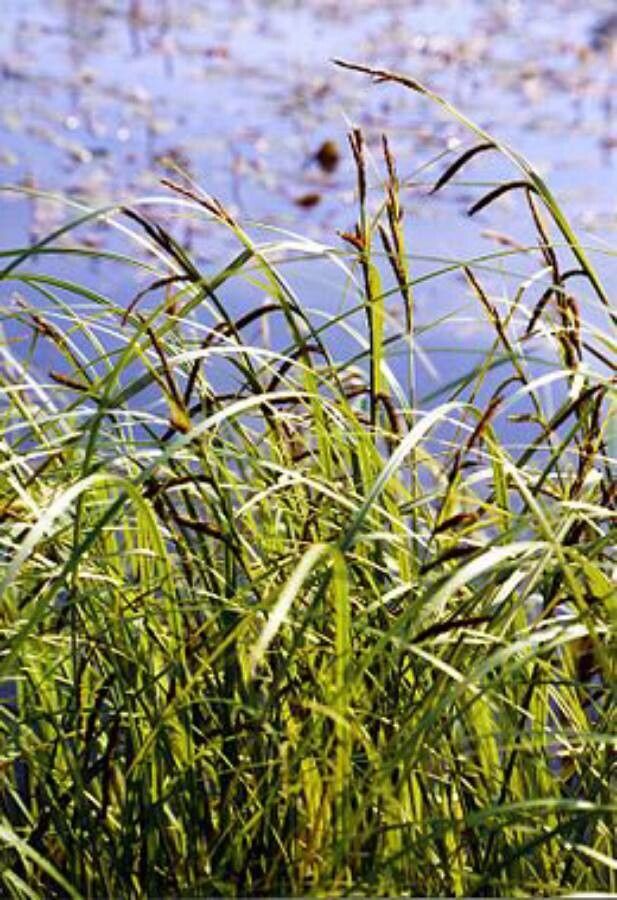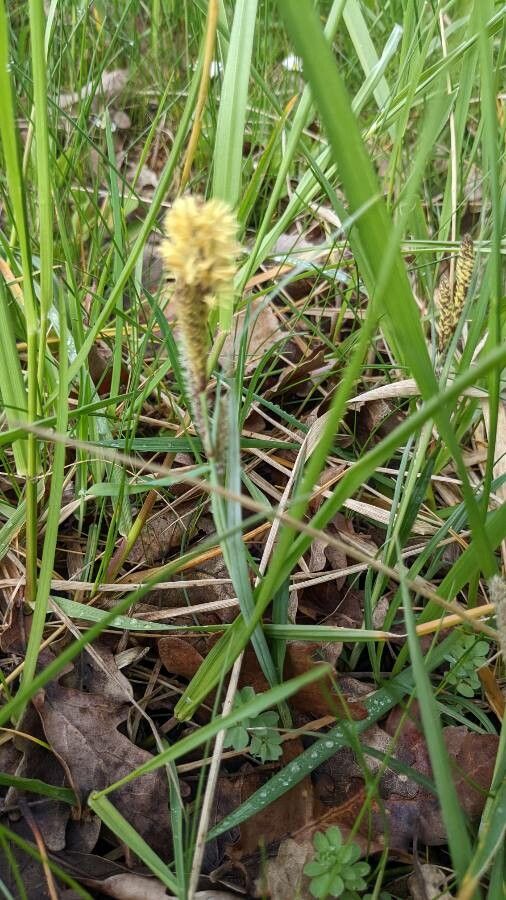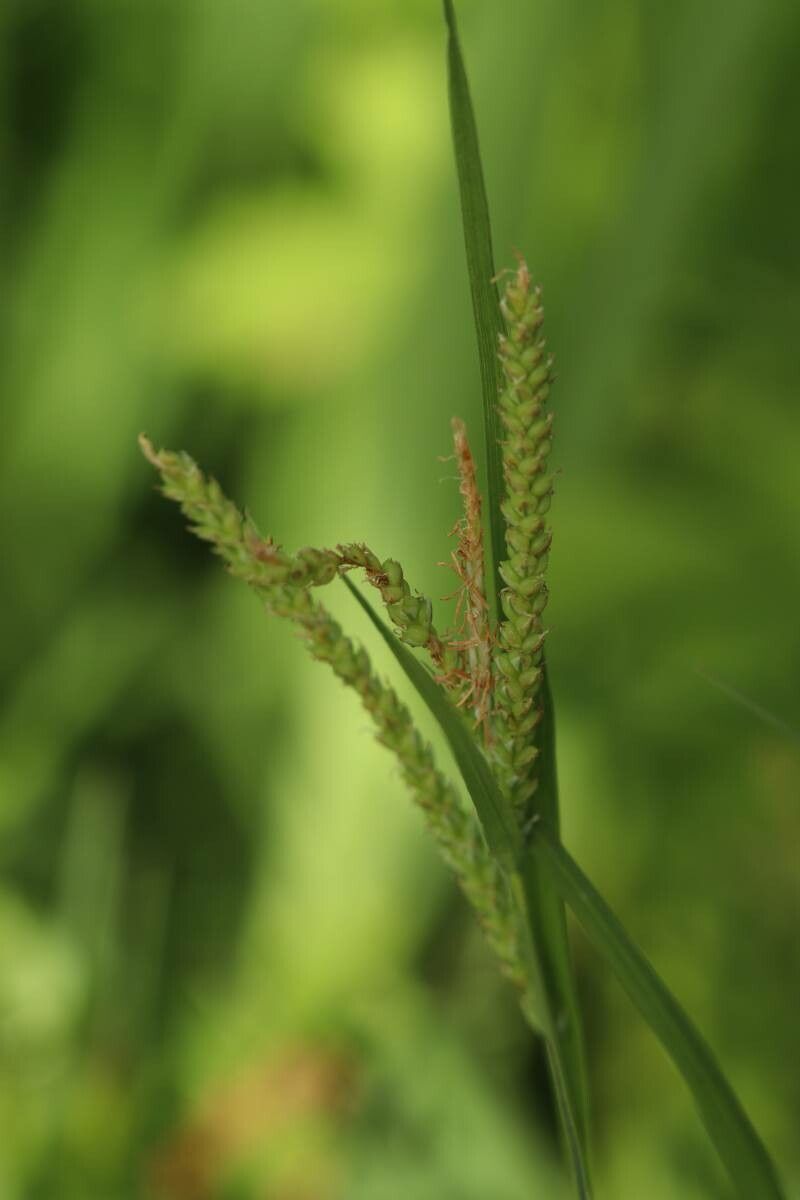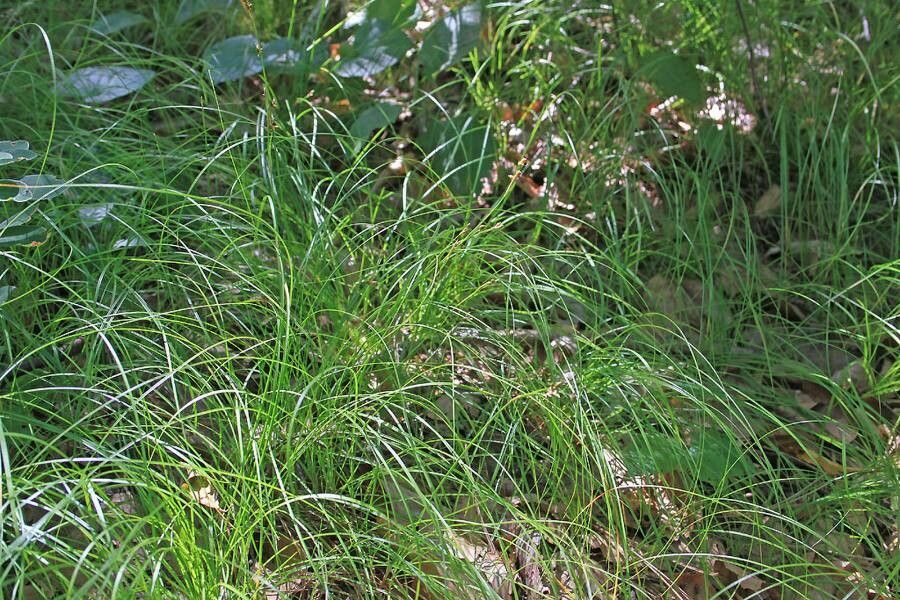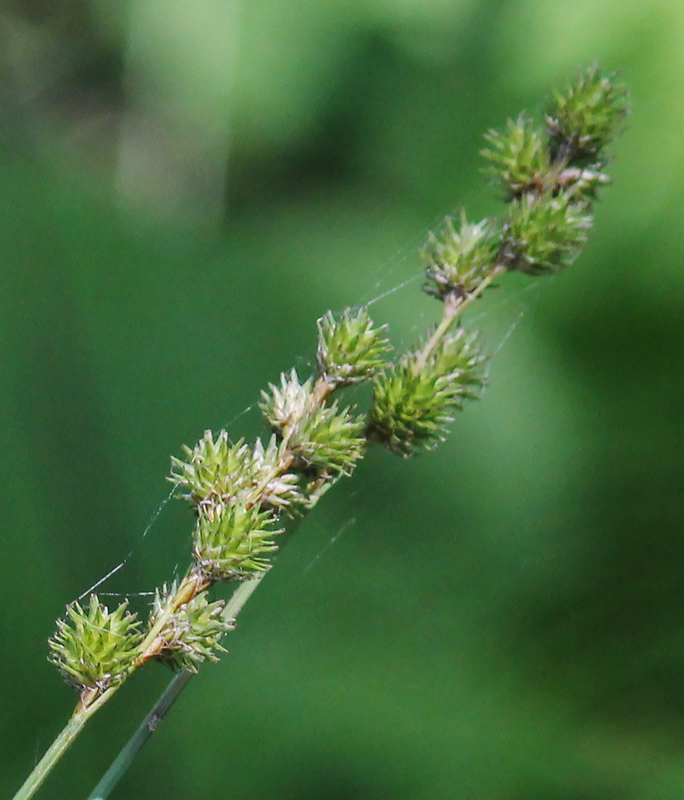
Carex normalis, the greater straw sedge, is a species of sedge that was first described by Kenneth Mackenzie in 1919.
Greater straw sedge is resistant to disease and generally not susceptible to illnesses. For care, the plant is fairly low-maintenance. When grown outdoors it needs only occasional watering, and larger specimens typically do not require pruning; smaller plants, however, should be pruned after they finish blooming. Greater straw sedget is appropriate for anyone with an outdoor area, like a garden or deck, and does not demand extensive experience in plant care.
How to keep Carex Normalis.
Light
Greater straw sedge is a sun-loving, herbaceous perennial that comes from open habitats and is commonly found in meadows and grasslands. It prefers full sun but can also tolerate partial sun.
Water
Greater straw sedge thrives in moist environments such as meadows and stream banks. It requires consistently damp soil but does not tolerate being waterlogged. To meet its moderate water needs, it should be watered weekly. When grown outdoors, it thrives with natural rainwater irrigation, which imitates the rainfall patterns of its native habitat.
Fertilizer
Greater straw sedge needs extra nutrients to encourage healthy new growth. In spring, spreading compost around the base of the plant will effectively supply the nutrition it requires. Fertilizing supports vigorous growth and helps the plant resist diseases and pests.
Pruning
The greater straw sedge is a strong perennial sedge with slender leaves and flower spikes. To promote new growth and prevent overcrowding, it's best to prune it in early spring when you can remove dead foliage. Make sure to clean your tools beforehand to prevent the spread of disease. Pruning at this time aligns with the sedge's growth cycle, allowing for optimal recovery.
Botanical profile.
- Plant Type
- Grass
- Life Cycle
- Perennial
- Genus
- Carex
- Family
- Cyperaceae
- Hardiness Zone
- 6-10
- Mature Height
- 61 cm to 91 cm
- Leaf Color
- Green
- Leaf Type
- Evergreen
- Flower Color
- Green, Brown
- Bloom Time
- Spring, Summer
Other names.
Reader questions.
What are the sunlight requirements for Greater straw sedge?
Greater straw sedge thrives best in full sun conditions, which means it requires above 6 hours of direct sunlight daily. However, it can also tolerate partial sun, receiving about 3-6 hours of sunlight per day. It is essential to monitor the changing sunlight throughout the day in your garden to find spots that offer the right balance of light and shade, ensuring the optimal growth and health of the plant.
What is the Greater straw sedge?
The Greater straw sedge, known botanically as Carex normalis, is a species of sedge. Unfortunately, more detailed information about its characteristics, essential facts, or symptoms (if applicable) has not been provided.
How does artificial lighting benefit indoor plants, and what are the specific requirements?
Artificial lighting is crucial for the growth of indoor plants, especially when natural sunlight is insufficient, such as in winter or less sunny spaces. It promotes faster, healthier growth by providing the necessary wavelengths of light. LED lights are recommended due to their ability to deliver specific light wavelengths needed by plants. For plants requiring full sun, 30-50W per square foot is ideal; partial sun plants need 20-30W per square foot, and full shade plants require 10-20W per square foot. The light source should be placed 12-36 inches above the plant to mimic natural sunlight, and most plants will benefit from 8-12 hours of light per day.
What are the common symptoms of light deficiency in Greater straw sedge?
Light deficiency in Greater straw sedge can lead to several symptoms, including smaller new leaves, leggy or sparse growth, faster leaf drop, slower or halted new growth, lighter-colored new leaves, chlorosis (yellowing of leaves due to lack of chlorophyll), sunscald, leaf curling, wilting, and leaf scorching. These symptoms indicate that the plant is not receiving adequate sunlight for optimal growth and photosynthesis.
What solutions are available for addressing insufficient sunlight for Greater straw sedge?
To combat insufficient sunlight for Greater straw sedge, gradually increase sunlight exposure by moving plants to sunnier locations each week until they receive at least 6 hours of direct sunlight daily. For indoor plants, consider using a south-facing window or artificial light sources such as desk lamps or professional plant grow lights for at least 8 hours daily. If a plant cannot be easily moved or is too large, using artificial grow lights can provide sufficient light. For outdoor plants, ensure a gradual transition to prevent sunburn. It's also advisable to reduce obstructions like overhanging branches and consider transplanting smaller plants to sunnier spots during their dormant period for better sunlight access. Note that parts of the plant affected by insufficient sunlight might not recover, but new growth following increased light exposure should be healthy.