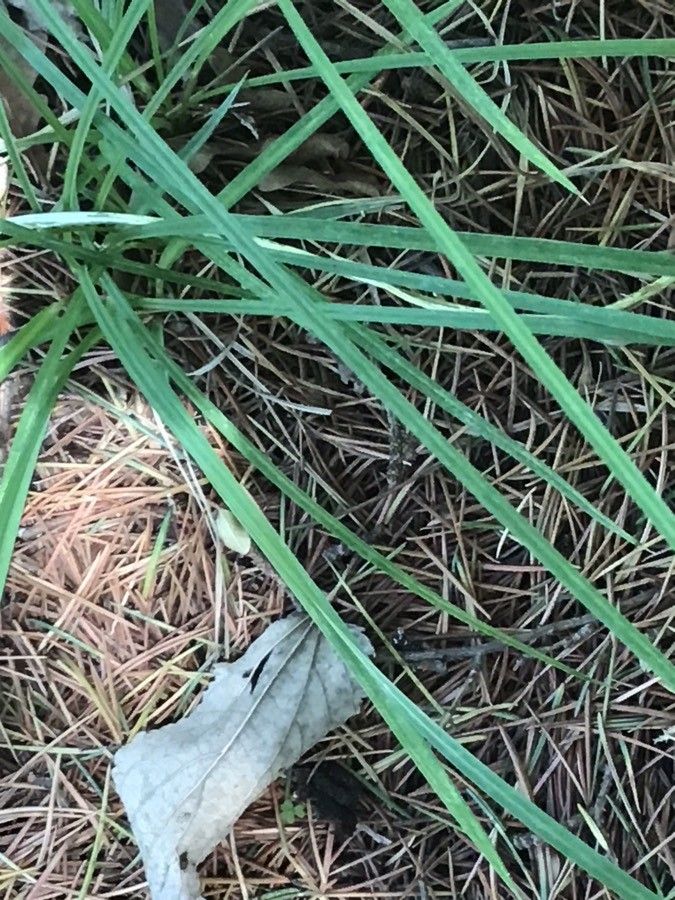
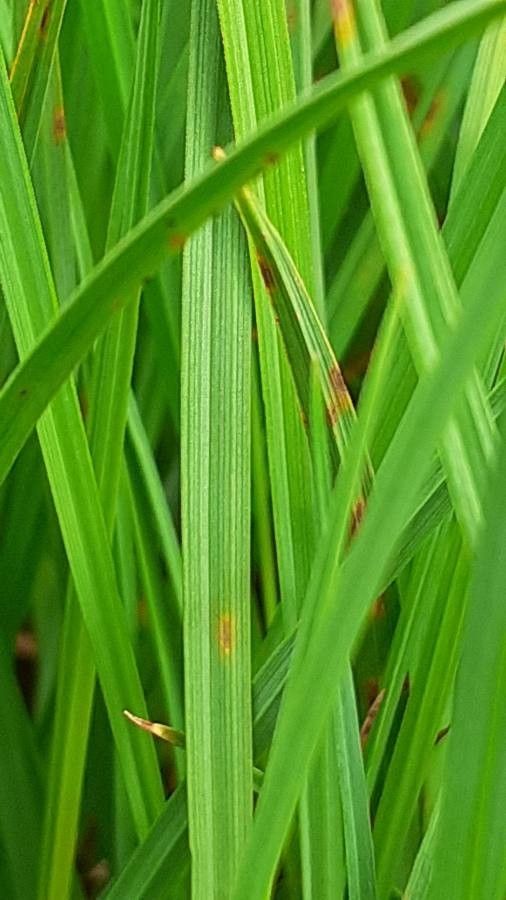
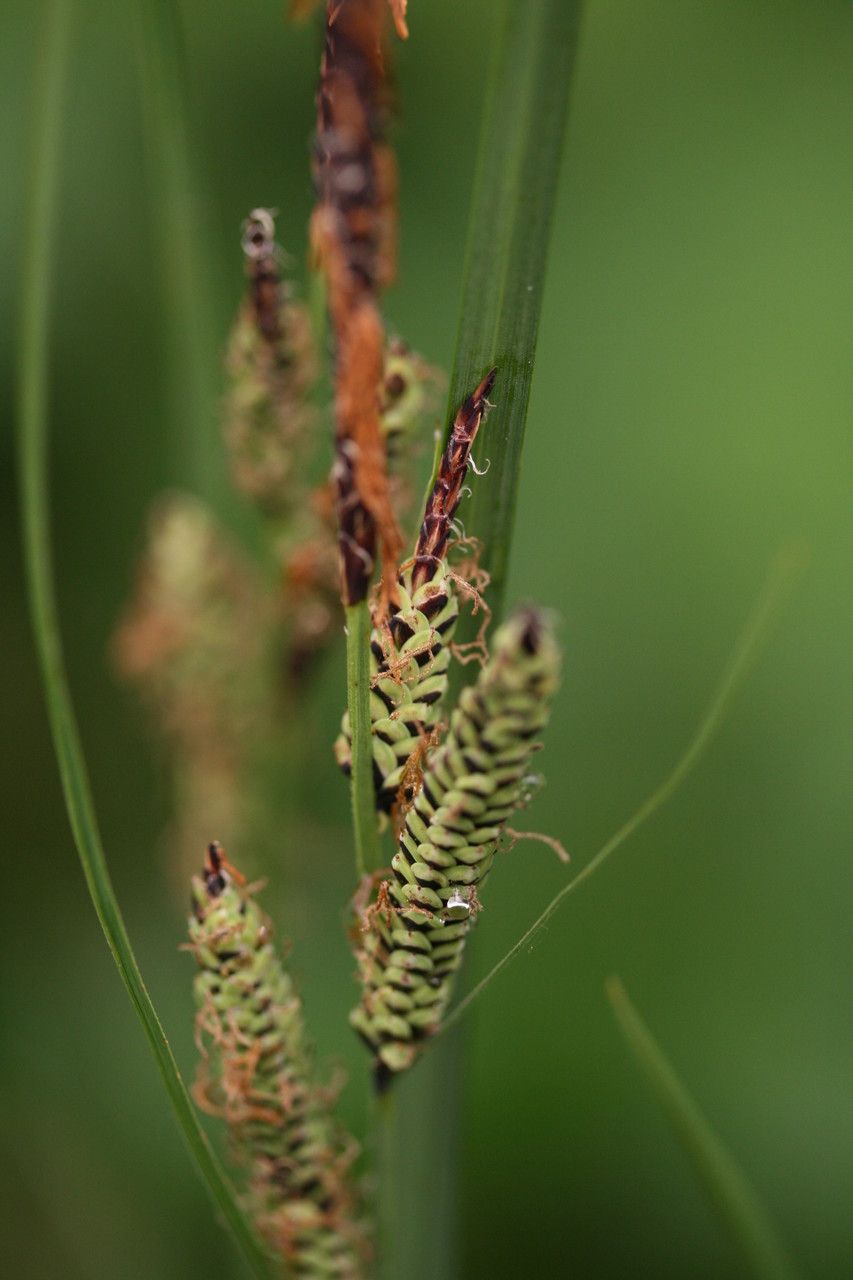
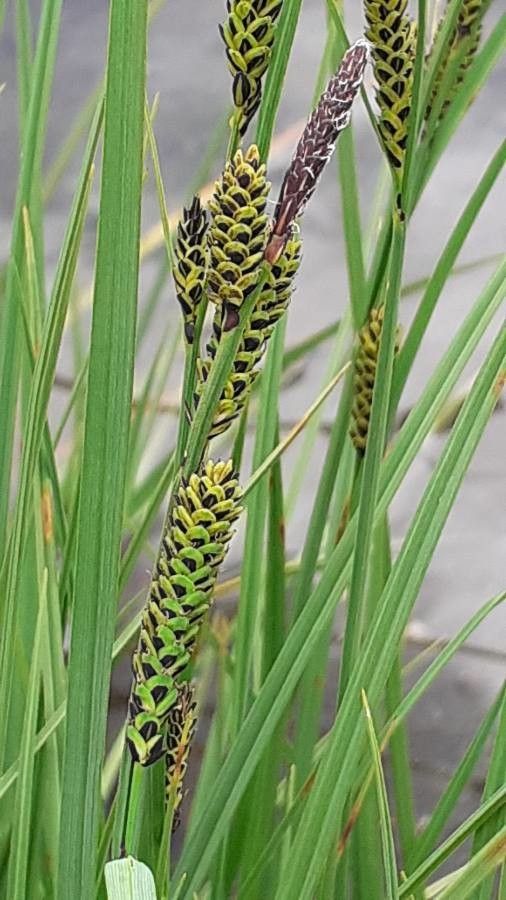
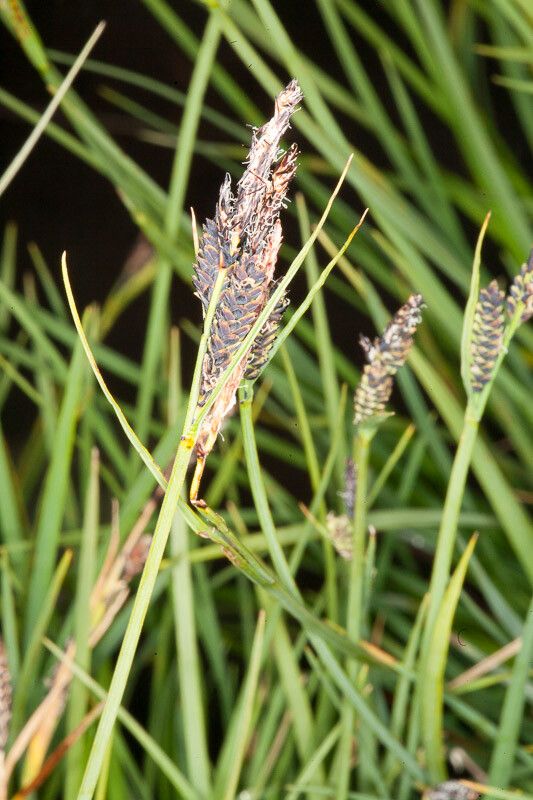
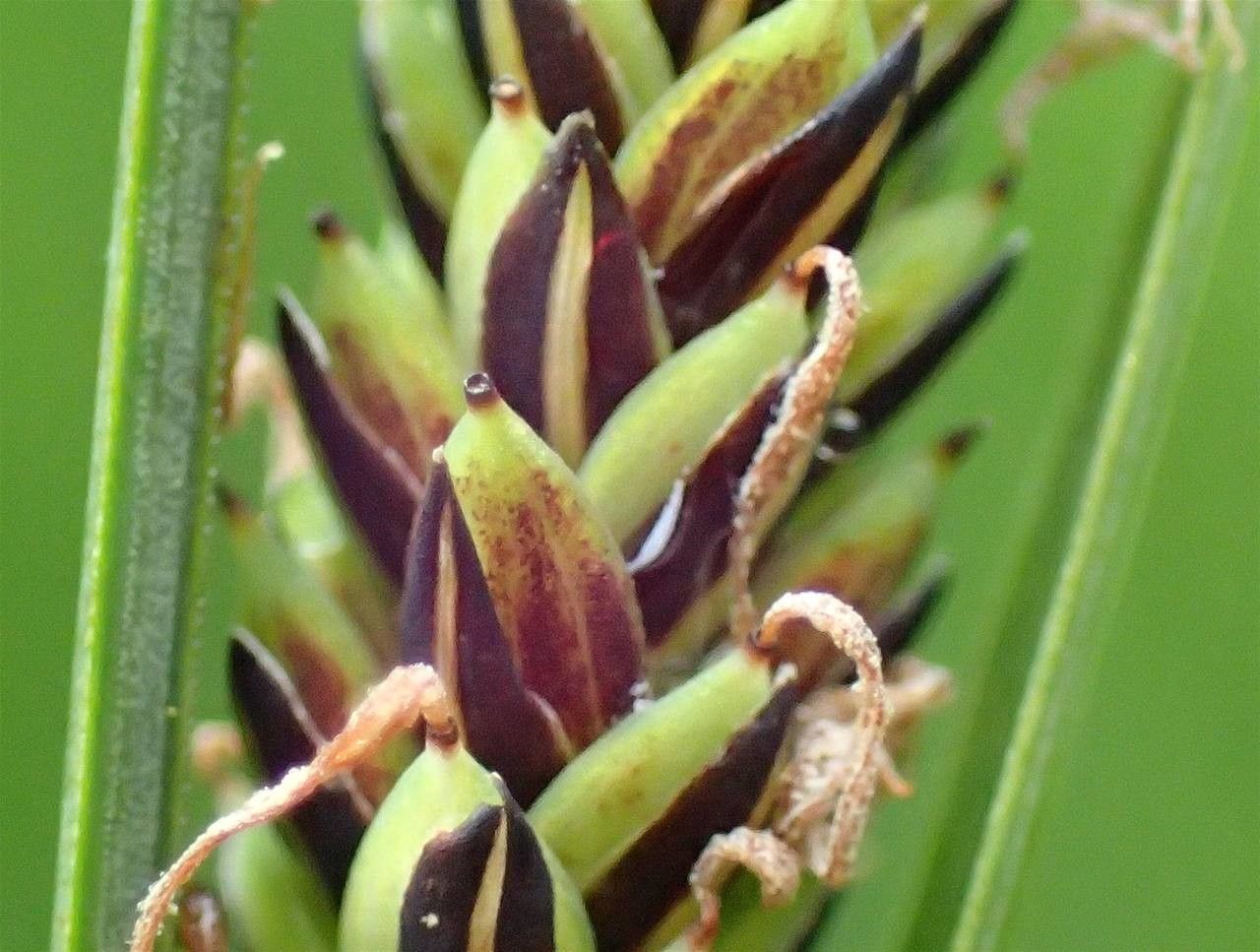
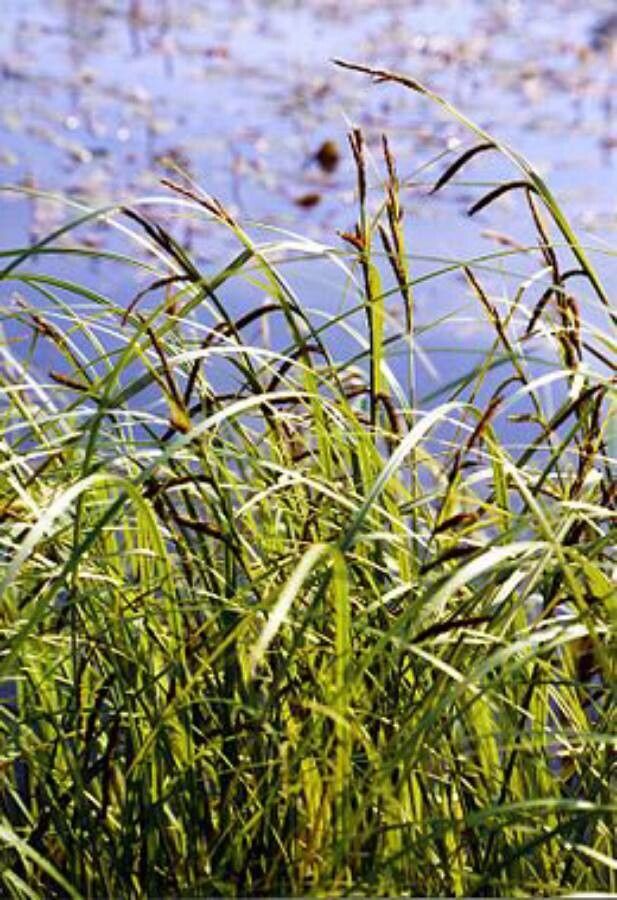
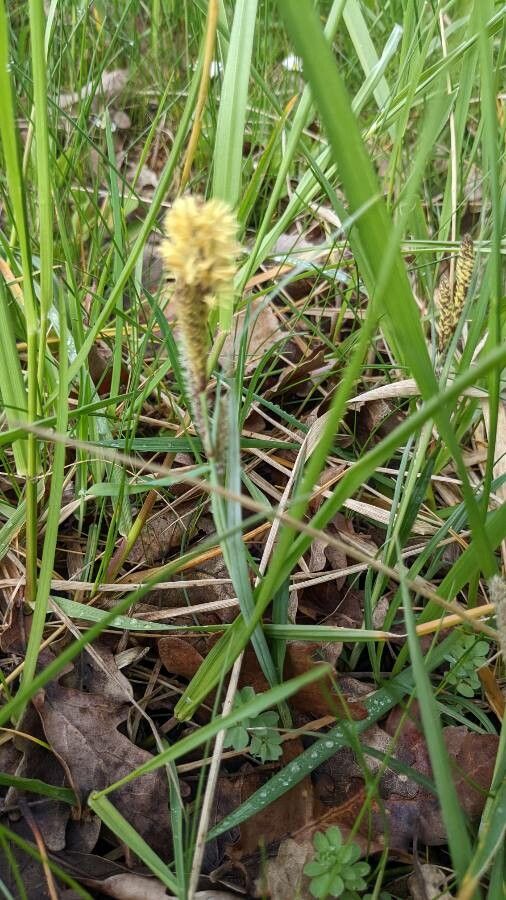
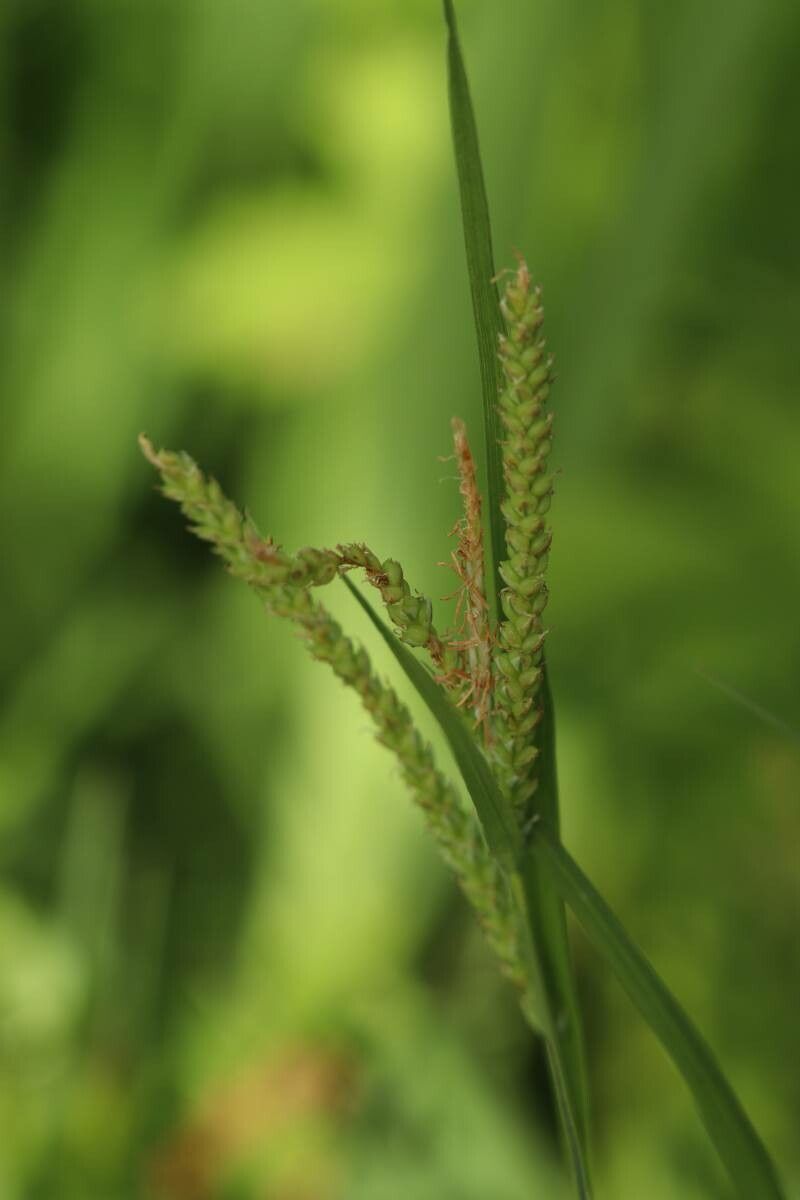
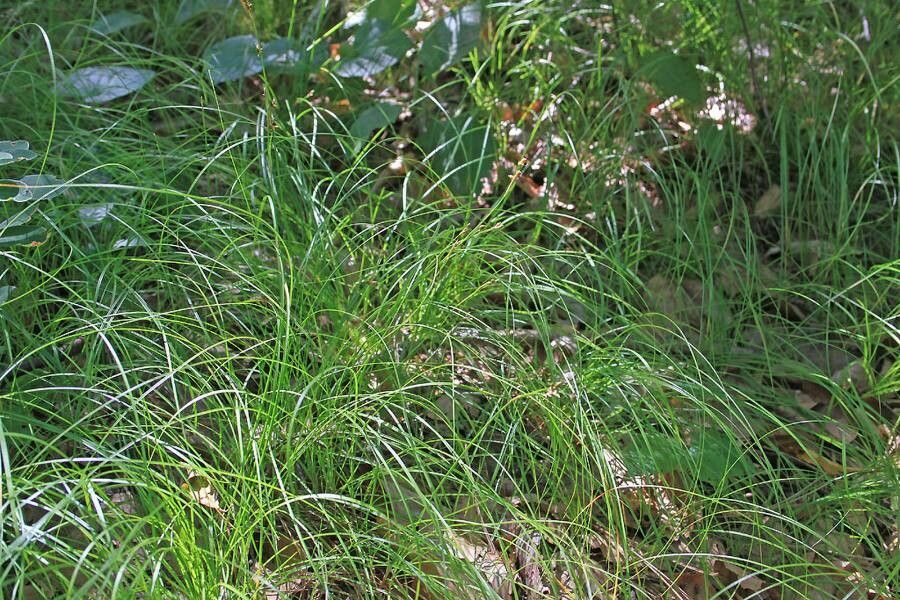
Carex nigra is a perennial species of plants in the family Cyperaceae native to wetlands of Europe, western Asia, northwestern Africa, and eastern North America. Common names include common sedge, black sedge or smooth black sedge. The eastern limit of its range reaches central Siberia, Turkey and probably the Caucasus.
Common sedge is resistant to disease and typically not susceptible to illnesses. Regarding care, the plant is fairly low-maintenance. Outdoors it needs little watering, and larger specimens usually do not require pruning, while smaller ones should be pruned after flowering. Common sedge is appropriate for anyone with an outdoor area, such as a garden or deck, and does not call for extensive care experience.
How to keep Carex Nigra.
Light
Common sedge is a perennial herbaceous species that prefers sunny sites and comes from open habitats, commonly occurring in meadows and grasslands. It favors full sun but can tolerate partial sun.
Water
Common sedge flourishes in damp environments and prefers humid conditions, requiring watering twice a week. Being an evergreen plant, it keeps its foliage throughout the year, which means it consistently needs water, even during the colder months.
Temperature
Common sedge can tolerate a wide range of temperatures, but its range may still be restricted by various combinations of water and heat conditions. It performs best in warm summer climates with sufficient rainfall or watering. Extended periods of cloudy, rainy weather or prolonged high temperatures can raise the chance that Common sedge will die. During winter, adequate protection from the cold can increase the plant's survival rate.
Fertilizer
Common sedge is a cool-season grass that mainly grows in spring and fall. It becomes dormant in winter and its growth slows during summer. Applying suitable fertilizers in spring can replenish nutrients and encourage vigorous, dense growth. Well-nourished lawns are greener, more resilient, and better able to resist pests and weeds.
Pruning
Common sedge is characterized by its dense, clump-forming growth and narrow leaves. To maintain its health, it's best to prune it from early to late spring. This will help remove dead foliage and old flower stalks, encouraging healthy new growth. Pruning also improves air circulation, which reduces the risk of disease and helps the plant maintain a tidy appearance.
Botanical profile.
- Plant Type
- Grass
- Life Cycle
- Perennial
- Genus
- Carex
- Family
- Cyperaceae
- Hardiness Zone
- 3-9
- Mature Height
- 15 cm to 23 cm
- Mature Spread
- 30 cm to 91 cm
- Leaf Color
- Dark Green
- Leaf Type
- Evergreen
- Flower Color
- White, Yellow, Purple, Green, Brown
- Flower Size
- 1.02 cm to 2.03 cm
- Bloom Time
- Mid spring, Late spring
- Planting Time
- Spring, Summer, Autumn
- Harvest Time
- Early summer, Mid summer
Other names.
Reader questions.
How should I water my Common sedge?
People commonly grow Common sedge as a lawn, and there are specific watering methods to follow. One way is to use a hose with a spray nozzle, but a sprinkler system is even better. It's recommended to have a sprinkler system with a timer, ensuring you give the grass the right amount of water at the right time. When watering, cool or room temperature water should be used. It's also beneficial to water in the morning because it allows the water to soak the soil while the sunlight can evaporate any excess moisture.
What are the sunlight requirements for Common sedge?
Common sedge thrives in full sun conditions, requiring above 6 hours of sunlight daily. However, it can also tolerate partial sun, meaning it can grow well in about 3-6 hours of sunlight. Observing how sunlight moves through your garden helps in choosing the best spots that offer the perfect balance of light and shade, ensuring the plants' wellbeing.
What should I do if I give my Common sedge plant too much or too little water?
If you have overwatered your Common sedge, there are steps you can take to restore your lawn's health. Airing out your lawn by aerating it can help fix any compacted soil that may be preventing excess water from draining. Additionally, considering dethatching your Common sedge can be beneficial in this situation. On the other hand, if you have underwatered your Common sedge, the solution is different. Allow your lawn to grow a bit longer before mowing it and be sure to increase the amount of water you give to your Common sedge.
What are the essentials for growing Common sedge successfully?
Growing Common sedge successfully requires understanding its sun-loving nature. This perennial herbaceous plant is native to open habitats, flourishing in meadows and grasslands. It prefers full sun but can adapt to partial sun conditions. For indoor plants where natural sunlight is insufficient, especially during winter or in less sunny spots, artificial lighting is crucial. LED lights are recommended because they can be customized to provide specific light wavelengths needed by plants. Full sun plants require 30-50W/sq ft, partial sun plants 20-30W/sq ft, and full shade plants 10-20W/sq ft of artificial light. The light should be placed 12-36 inches above the plant, mimicking natural sunlight for 8-12 hours per day.
How frequently should I water my Common sedge plant?
The frequency of watering for Common sedge depends on where you live, the climate conditions, and the season. If you are in a cooler region, water once every 1-2 weeks, whereas in southern latitudes, water once per week. Adjust the watering schedule if there is regular rainfall, but keep in mind that rainfall alone may not be enough. During summer, Common sedge goes into dormancy and does not require watering for new growth, but it may still need water to prevent drying out.
What are the common symptoms of inadequate sunlight in Common sedge?
When Common sedge is exposed to inadequate lighting, the plant might not show immediate symptoms, but over time, signs of light deficiency include smaller new leaves, leggy or sparse growth, faster leaf drop, slower or halted growth, paler new leaves, chlorosis, where leaves turn yellow due to chlorophyll breakdown, sunscald, leaf curling, wilting, and leaf scorching. These symptoms indicate that the plant requires more sunlight to thrive.
How much water does my Common sedge plant need?
Understanding how much to water your Common sedge is actually quite simple. Regardless of whether you live in a cooler north or a warmer south, you should generally give your Common sedge about one inch of water when watering it. The only exception is during the peak of summer when the grass goes into a short dormancy period. During this time, it's best to provide lighter but appropriate waterings to protect the grass from the intense sun. Of course, the overall amount of water needed will depend on the size of the area covered by your Common sedge. For instance, watering a large area of Common sedge will require more water compared to caring for a small lawn of Common sedge.
How can I address light deficiency in Common sedge?
To address light deficiency in Common sedge, gradually move the plants to sunnier locations until they get at least 6 hours of direct sunlight daily. Utilize a south-facing window for indoor plants and keep curtains open during the day. If the plant is large or not easily movable, considering artificial lighting is advisable, keeping a lamp on for a minimum of 8 hours daily or investing in professional plant grow lights. For outdoor plants, avoid sudden changes in light intensity to prevent sunburn, and for both settings, recognize that parts of the plant previously affected by low light may not recover, but new growth should be healthy with increased light exposure. Reducing obstructions like pruning trees and transplanting to better-lit locations can also help.
How can I know if I am watering my Common sedge plant enough?
If you give your Common sedge too much or too little water, there will be signs that show whether it's getting too much or too little. When you overwater, the blades of Common sedge may become softer than usual, and there may be a buildup of thatch. On the other hand, underwatering can result in brown patches, heat stress, fungus accumulation, and yellowing of the grass blades. Underwatered lawns also tend to keep footprints visible for longer compared to lawns that are watered properly.
How should I water my Common sedge at different times as it grows?
If you want to establish a new lawn, make significant changes to your watering schedule. New lawns, whether grown from seed or sod, require frequent watering. This means watering multiple times per week to keep the soil adequately moist for the roots to take hold. Once your lawn is established, adjust your watering based on the plant's natural growth cycle. Common sedge, for example, is most active in spring and fall and needs about an inch of water per week. In summer, your grass will be somewhat dormant, but still requires frequent but light waterings. In winter, your grass should be completely dormant and does not need any water.
How can I make sure my Common sedge plant gets enough water all year round?
To keep your Common sedge healthy, pay attention to seasonal changes. In the spring, water it with about an inch of water per week. In the summer, water it more often, maybe multiple times a week. However, it will enter a dormant period during summer, so the waterings can be lighter. On the other hand, in winter, it won't need any water at all. For the rest of the year, typically water it once a week, considering the heat and rainfall in your region. Adjust your watering during heat waves and rainfall throughout the growing season.