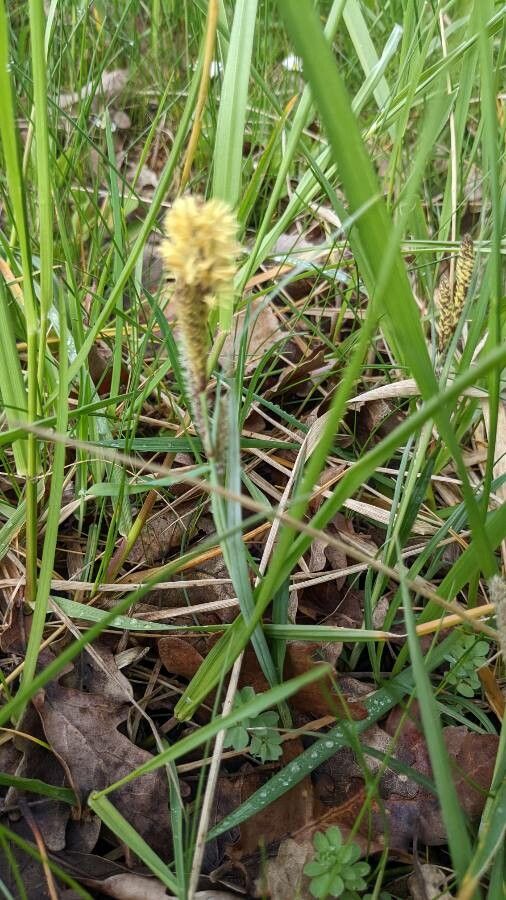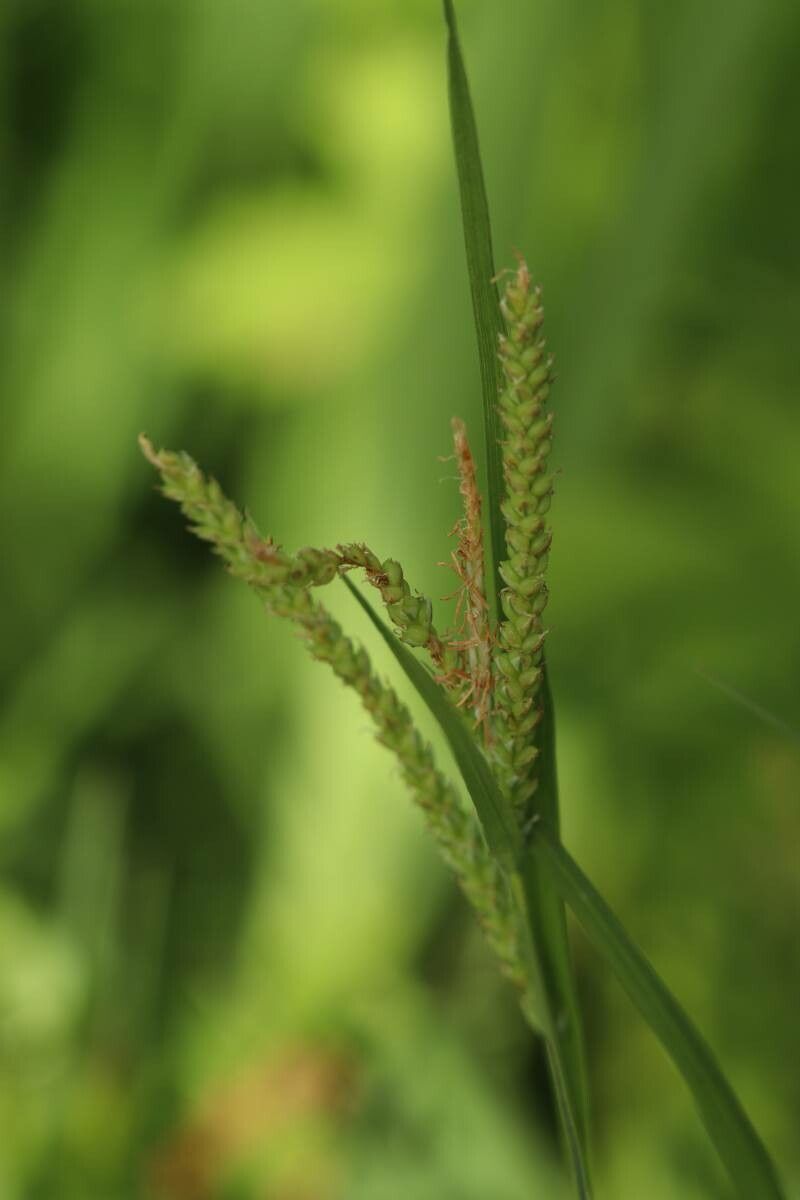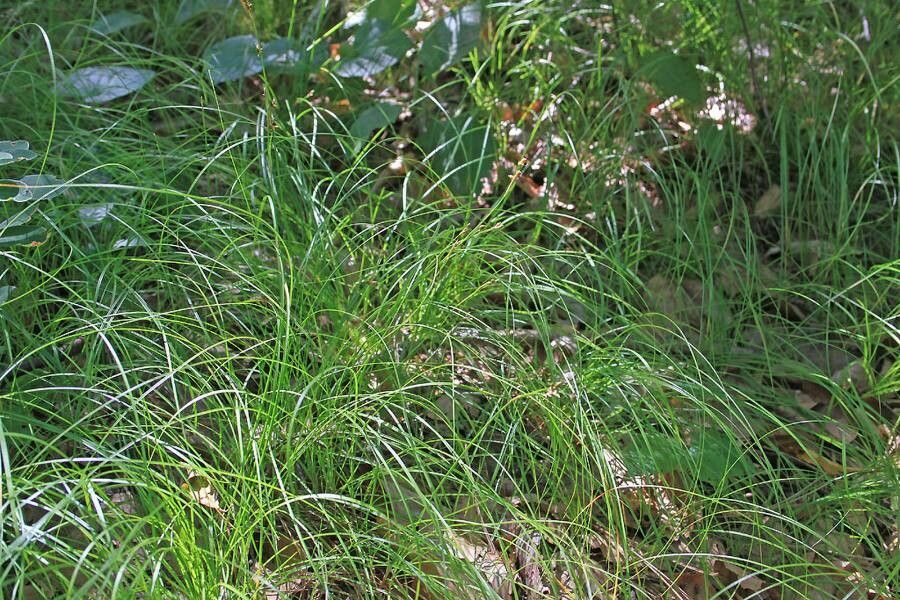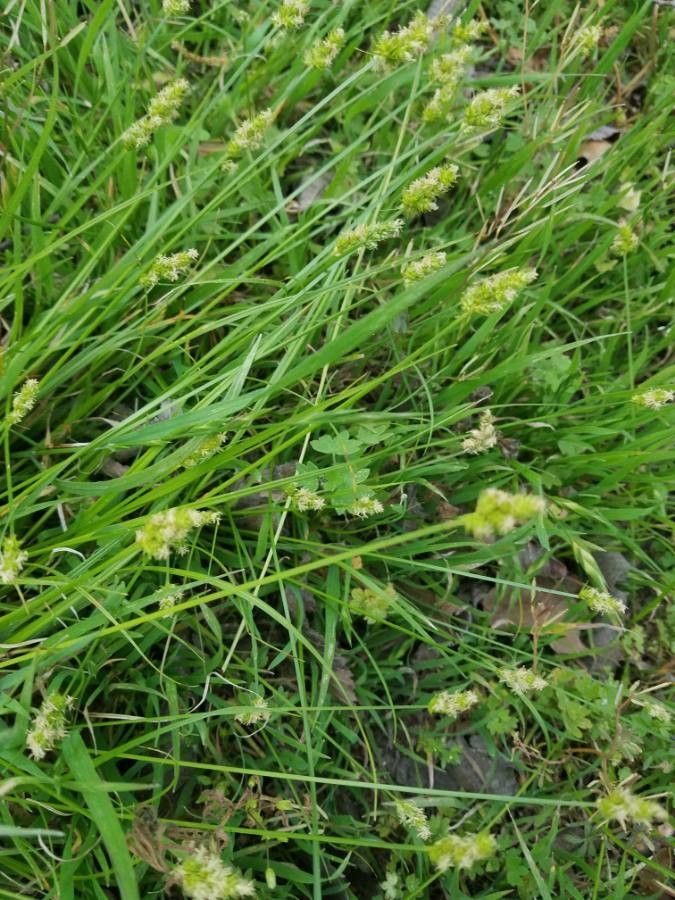
The genus Carex, the sedges, is one of the largest genera of flowering plants, containing around 1800 species, according to a 2004 estimate. All the species (including hybrid species) accepted by The Plant List as of May 2013 are given below: In May 2015, the Global Carex Group argued for a broader circumscription of Carex, proposing the addition of all species currently classified in Cymophyllus (1 species), Kobresia (c. 60 species), Schoenoxiphium (c. 15 species) and Uncinia (c. 70 species) to those already classified as Carex. (Not all of these have been added below.)
Midland sedge is disease-resistant and typically not prone to illnesses. Regarding care, this plant is fairly low-maintenance. When grown outdoors it needs little watering, and larger specimens usually do not require pruning. Smaller plants, however, should be pruned after they finish blooming. Midland sedge is suitable for anyone with an outdoor space, such as a garden or deck, and does not demand much gardening experience.
How to keep Carex Mesochorea.
Fertilizer
Midland sedge needs extra nutrients to encourage healthy new growth. In spring, adding some compost around the plant's base will supply the nutrients it requires. Fertilizing supports vigorous growth and helps the plant resist diseases and pests.
Botanical profile.
- Plant Type
- Grass
- Life Cycle
- Perennial
- Genus
- Carex
- Family
- Cyperaceae
- Hardiness Zone
- 6-10
- Leaf Type
- Semi-evergreen