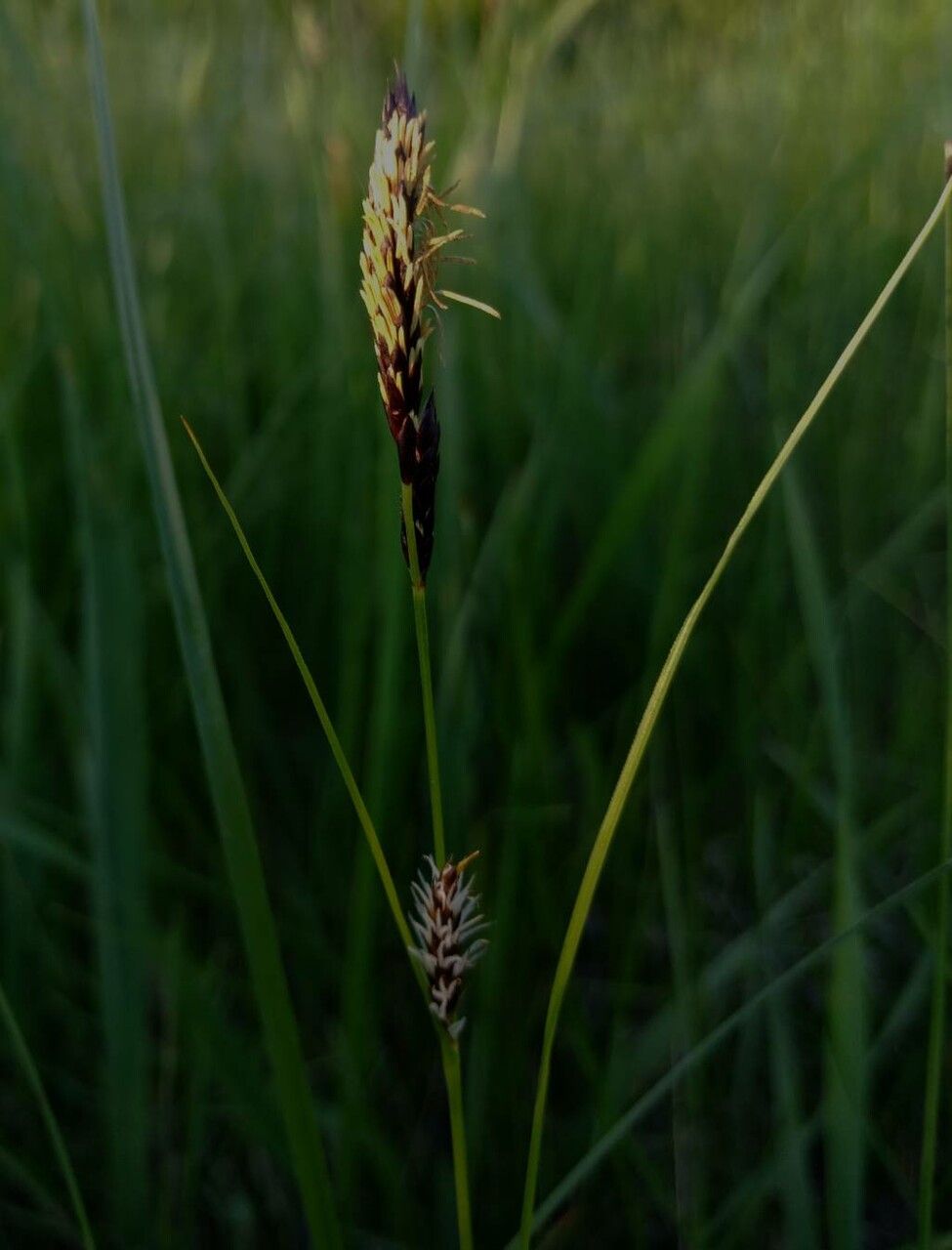
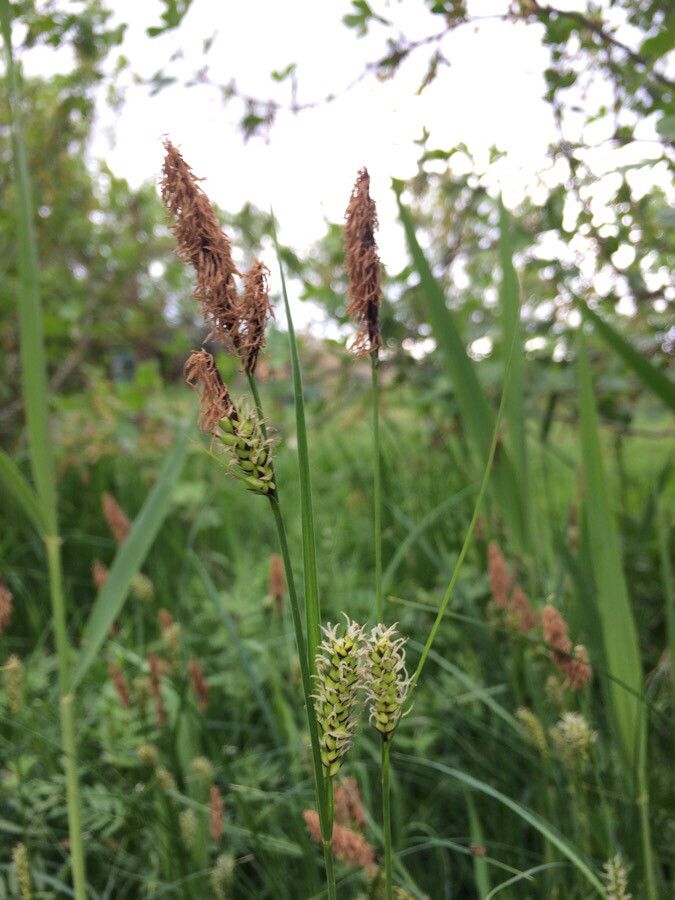
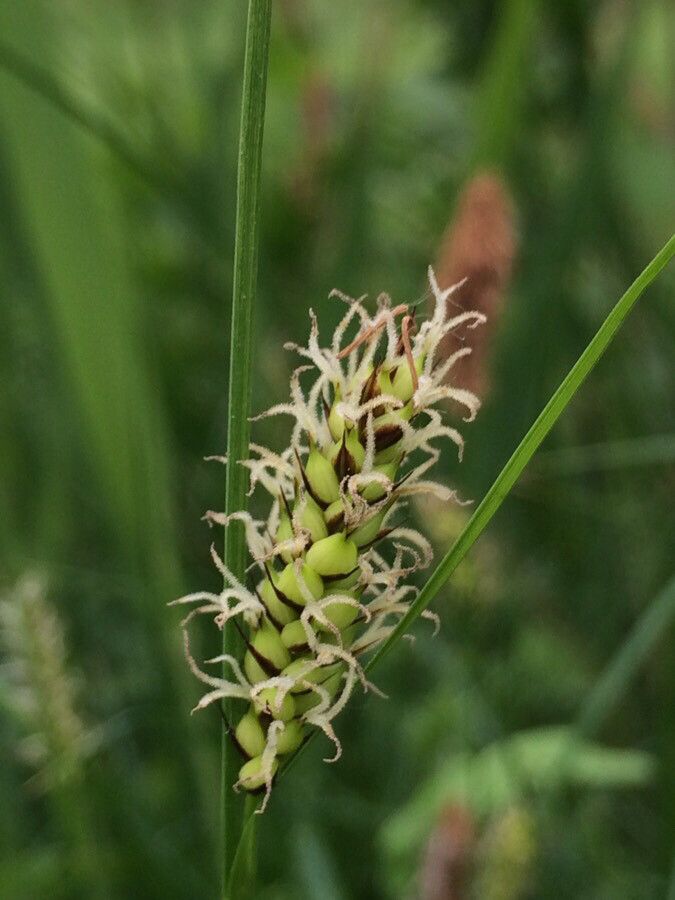
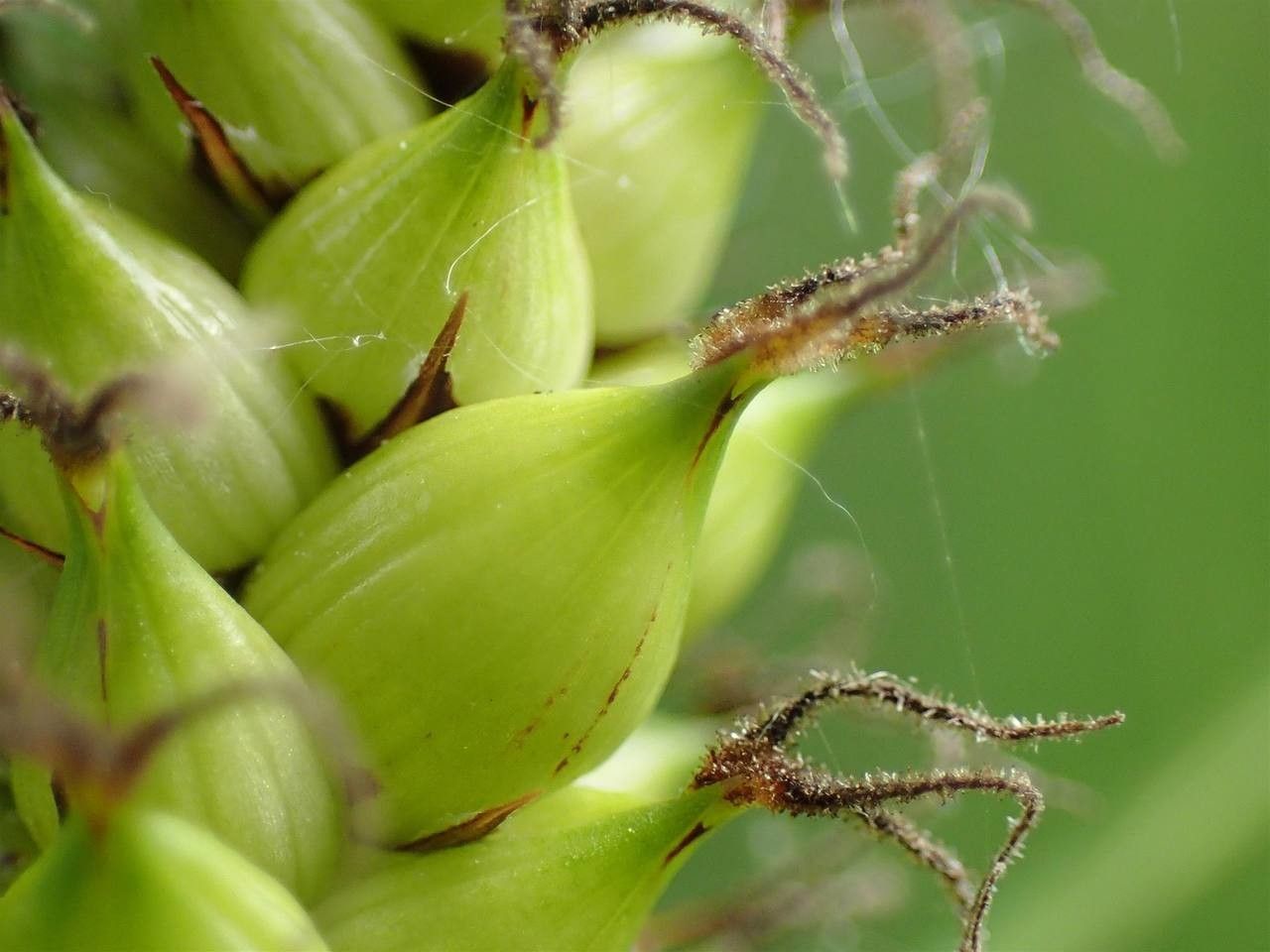
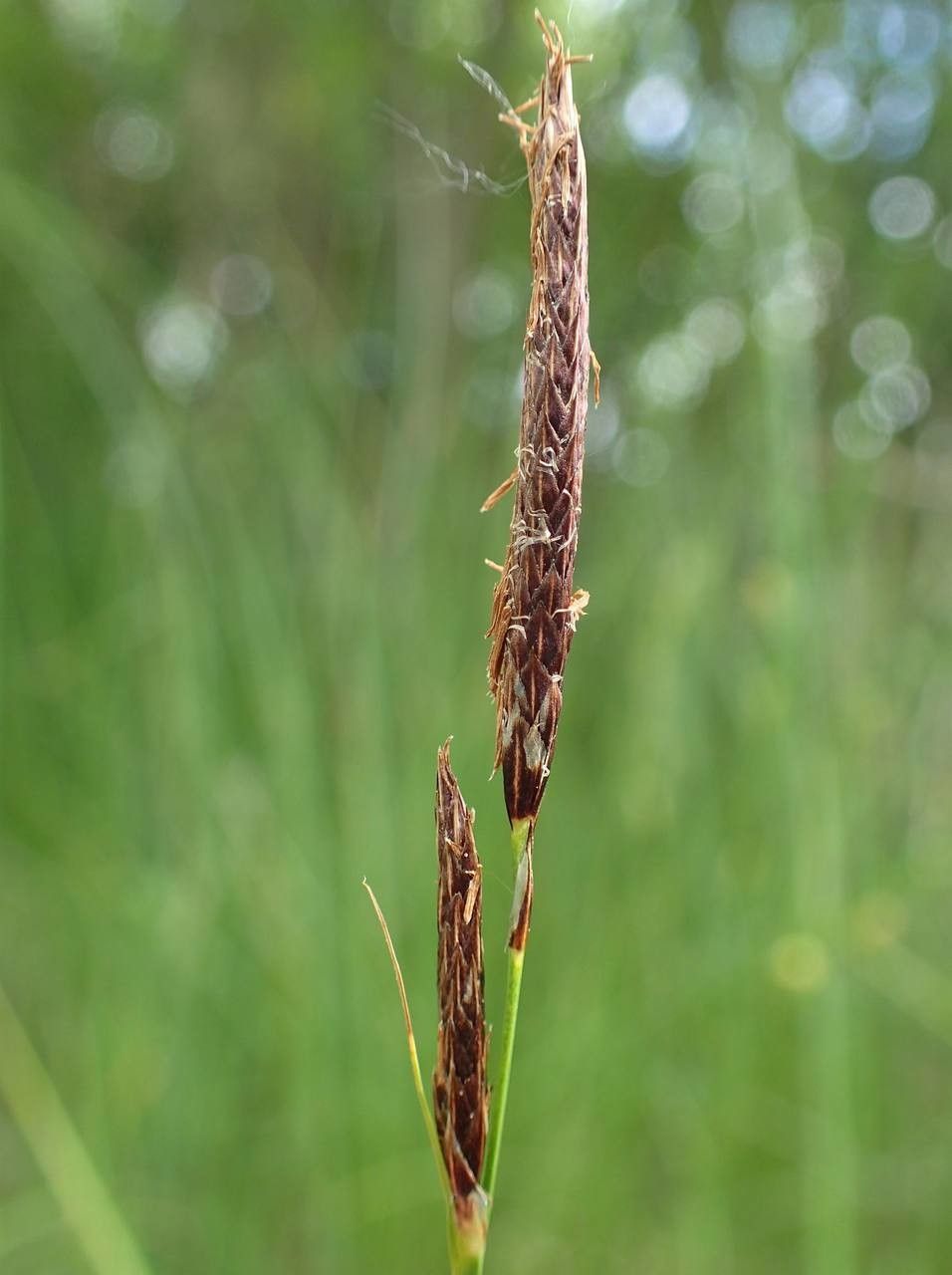
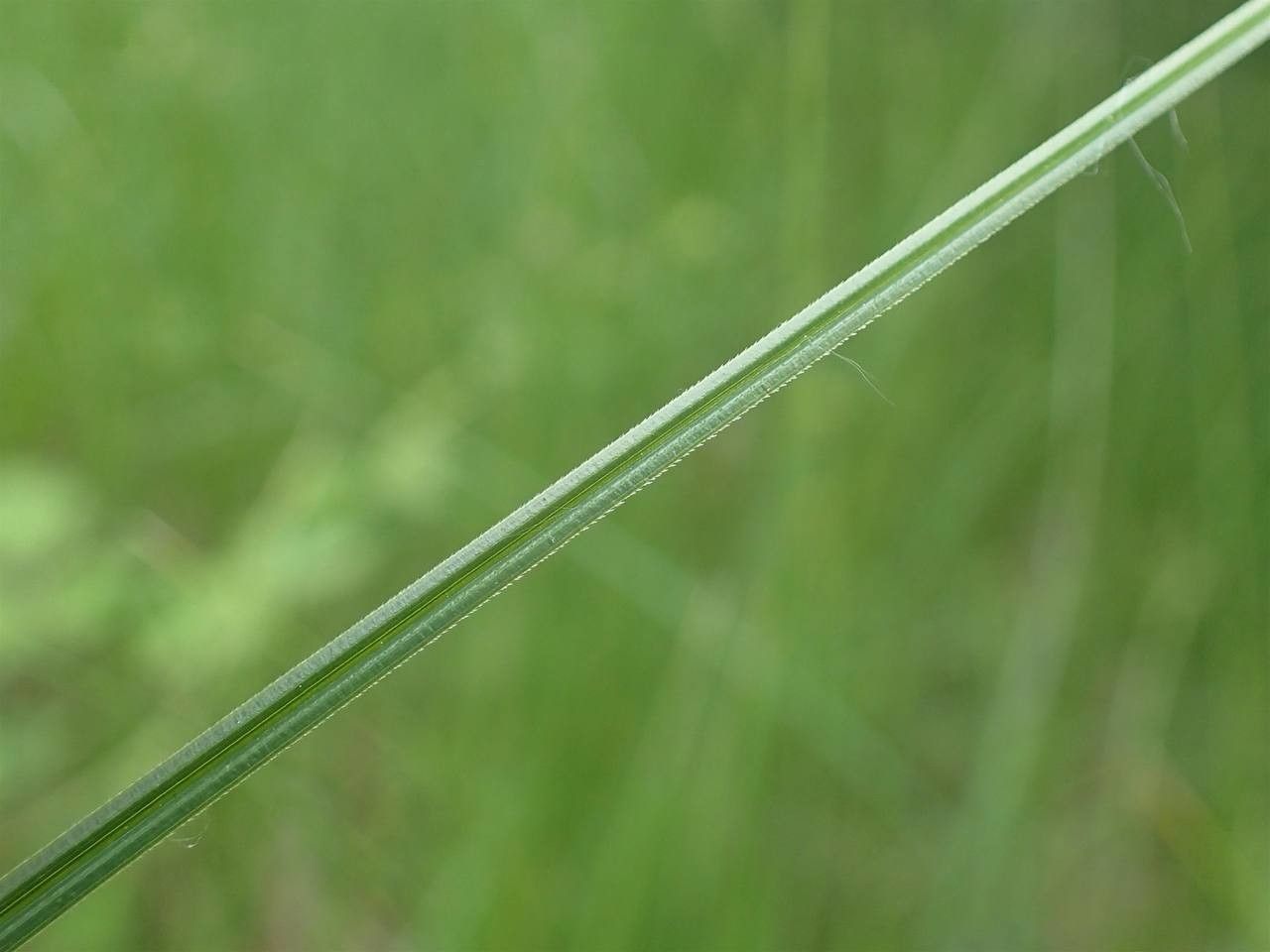
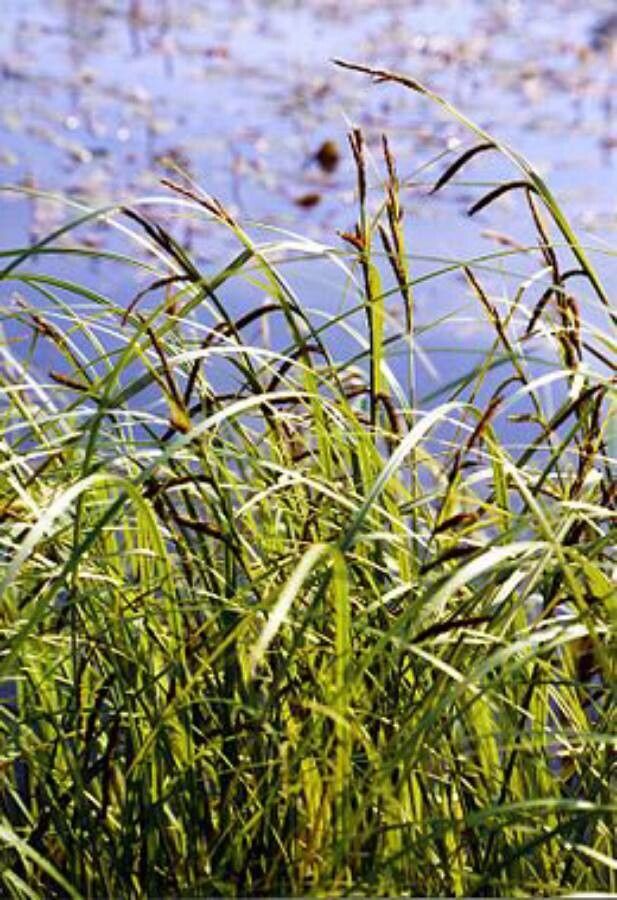
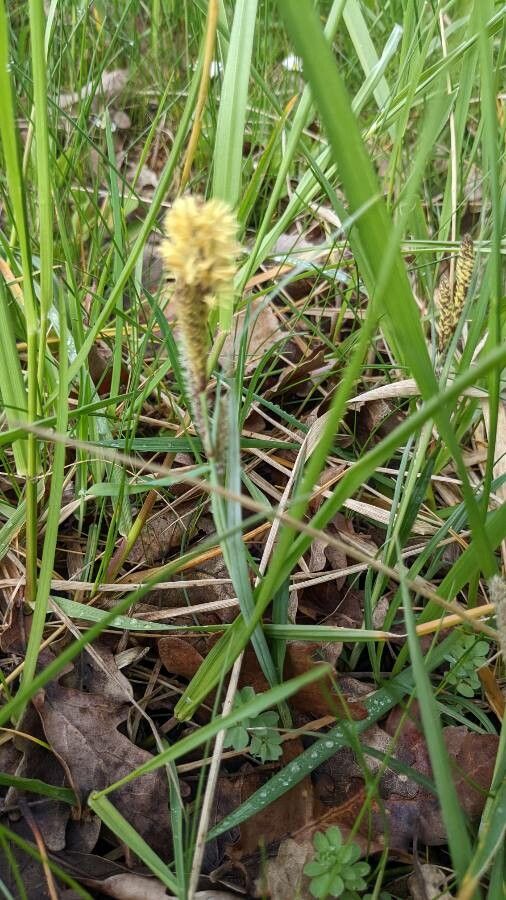
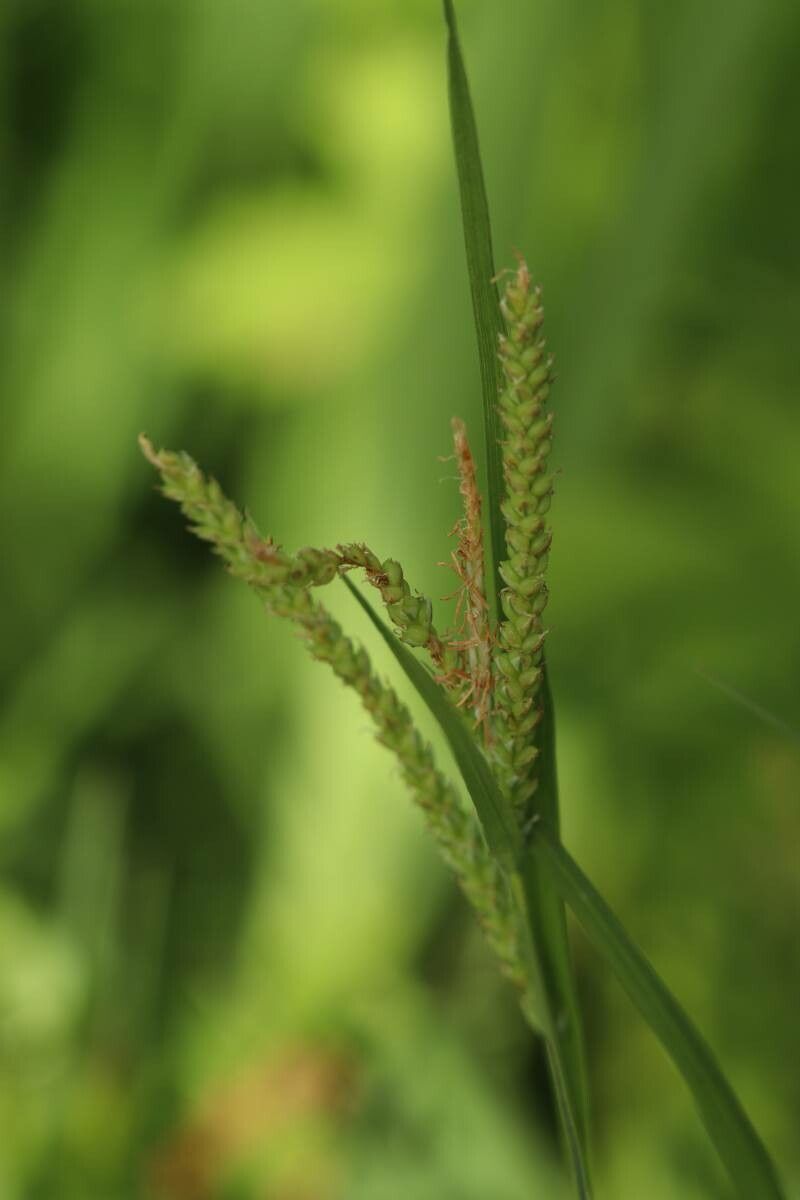
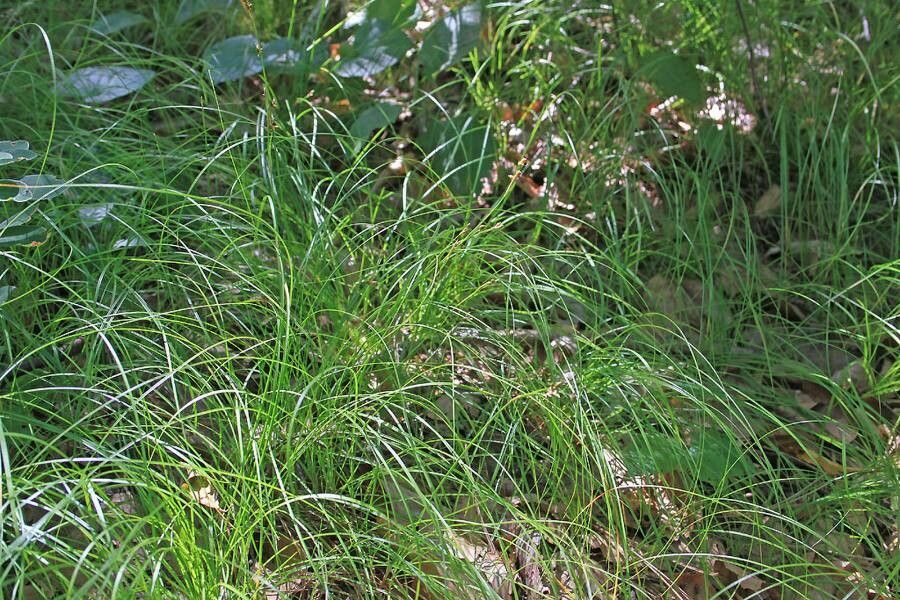
Carex melanostachya, called the Great Plains sedge, is a species of flowering plant in the genus Carex, native to central Europe to western Asia, and introduced to the central US. Its chromosome number is 2n=54, with some uncertainty.
Great plains sedge is resistant to disease and is generally not susceptible to illnesses. As for care, this plant is fairly low maintenance. When grown outdoors it needs only minimal watering, and larger specimens typically do not require pruning. Smaller plants, however, should be pruned after they finish blooming. Great plains sedget is appropriate for anyone with an outdoor area, such as a garden or deck, and does not demand much experience in plant care.
How to keep Carex Melanostachya.
Light
Great plains sedge is a sun-loving, perennial herbaceous plant native to open habitats, commonly found in meadows and grasslands. It prefers full sun but can also tolerate partial sun conditions.
Temperature
Great plains sedge can tolerate a wide range of temperatures, yet its distribution may still be restricted by certain combinations of moisture and heat. It grows best in warm summer climates with adequate rainfall or watering. Extended periods of cloudy, rainy weather or sustained high temperatures can raise the likelihood of Great plains sedge dying. In winter, providing proper protection from cold can improve the plant's survival rate.
Fertilizer
Great plains sedge needs extra nutrients to encourage healthy new growth. In spring, putting compost around the base of the plant can effectively supply the nutrition it requires. Fertilizing helps support vigorous growth and improves the plant's resistance to diseases and pests.
Pruning
To keep Great Plains sedge healthy and thriving, it is beneficial to prune it in early spring. Removing old foliage at this time encourages fresh growth and helps maintain the plant's shape. This practice also improves air circulation, reduces the risk of disease, and supports strong development. Be sure to use clean, sharp tools for pruning, and consult reliable horticultural guides for the best care practices.
Botanical profile.
- Plant Type
- Grass
- Life Cycle
- Perennial
- Genus
- Carex
- Family
- Cyperaceae
- Hardiness Zone
- 4-9
- Mature Height
- 30 cm to 61 cm
- Mature Spread
- 20 cm to 40 cm
- Leaf Color
- Dark Green
- Leaf Type
- Semi-evergreen
- Flower Size
- 0.20 cm to 0.51 cm
- Bloom Time
- Late spring, Early summer
- Planting Time
- Spring, Summer, Autumn
- Harvest Time
- Mid summer, Late summer
- Native Area
- Tajikistan, Turkey, Austria, Czech Republic, Slovakia, Montenegro, Bulgaria, Armenia, Croatia, Slovenia, Belarus, Ukraine, Serbia, Uzbekistan, Russia, China, Hungary, Iraq, Germany, Kyrgyzstan, Kazakhstan, Italy, Iran, Albania, Azerbaijan, Romania, Turkmenistan, France
Other names.
Reader questions.
What are the sun requirements for Great Plains Sedge (Carex melanostachya)?
Great Plains Sedge (Carex melanostachya) requires specific amounts of sunlight to thrive. Full sun exposure, which means the plant should receive above 6 hours of sunlight daily, is essential for its optimal growth. However, it can also tolerate partial sun conditions, defined as receiving about 3-6 hours of sunlight each day. It’s important to observe the movement of sunlight through your garden to identify spots that offer a healthy balance of light and shade. Selecting the right location for your Great Plains Sedge ensures its growth and happiness by providing it with the appropriate amount of sunlight.