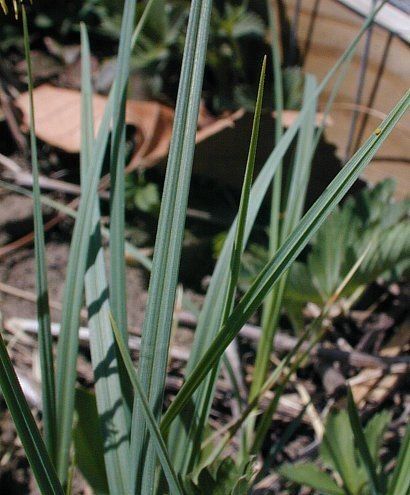
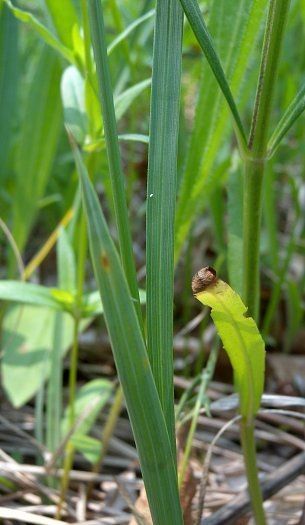
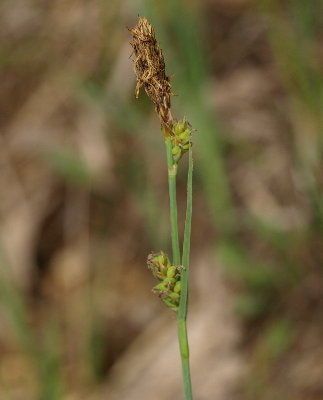
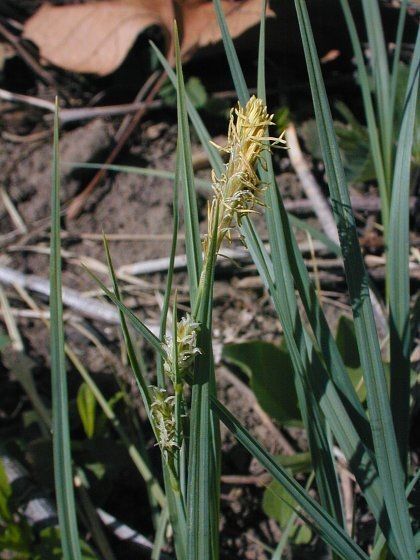
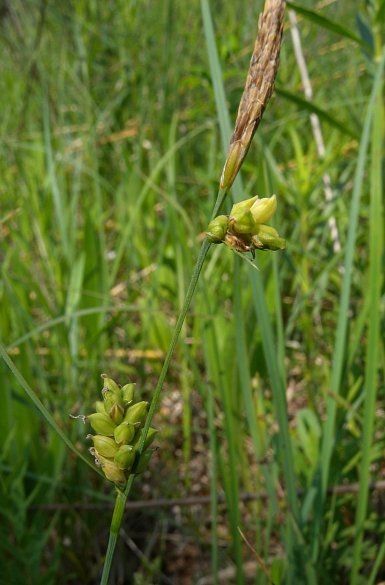
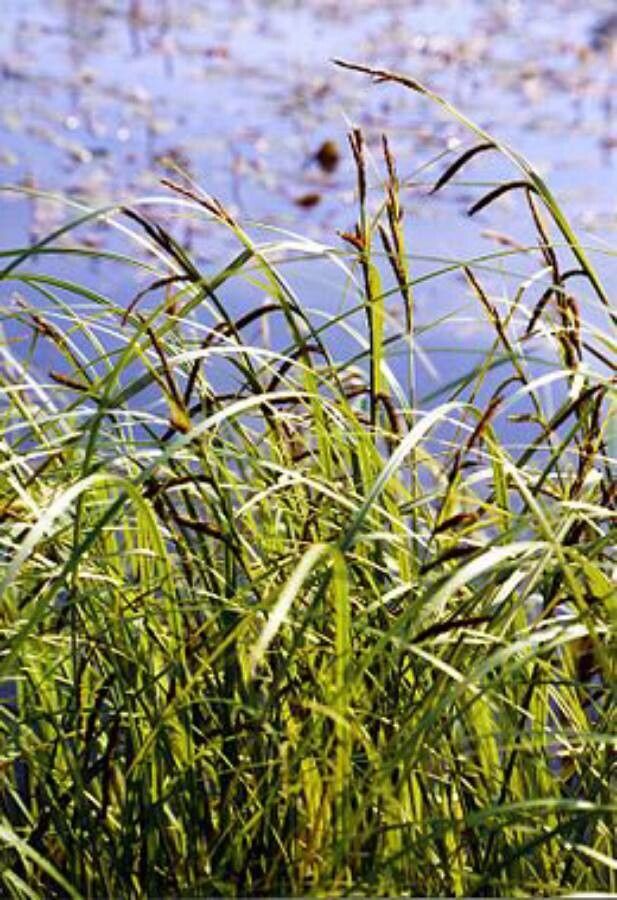
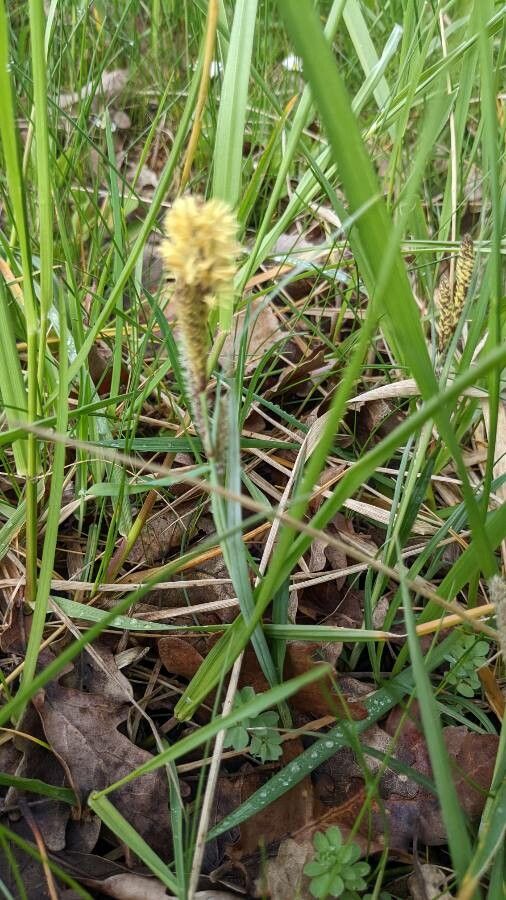
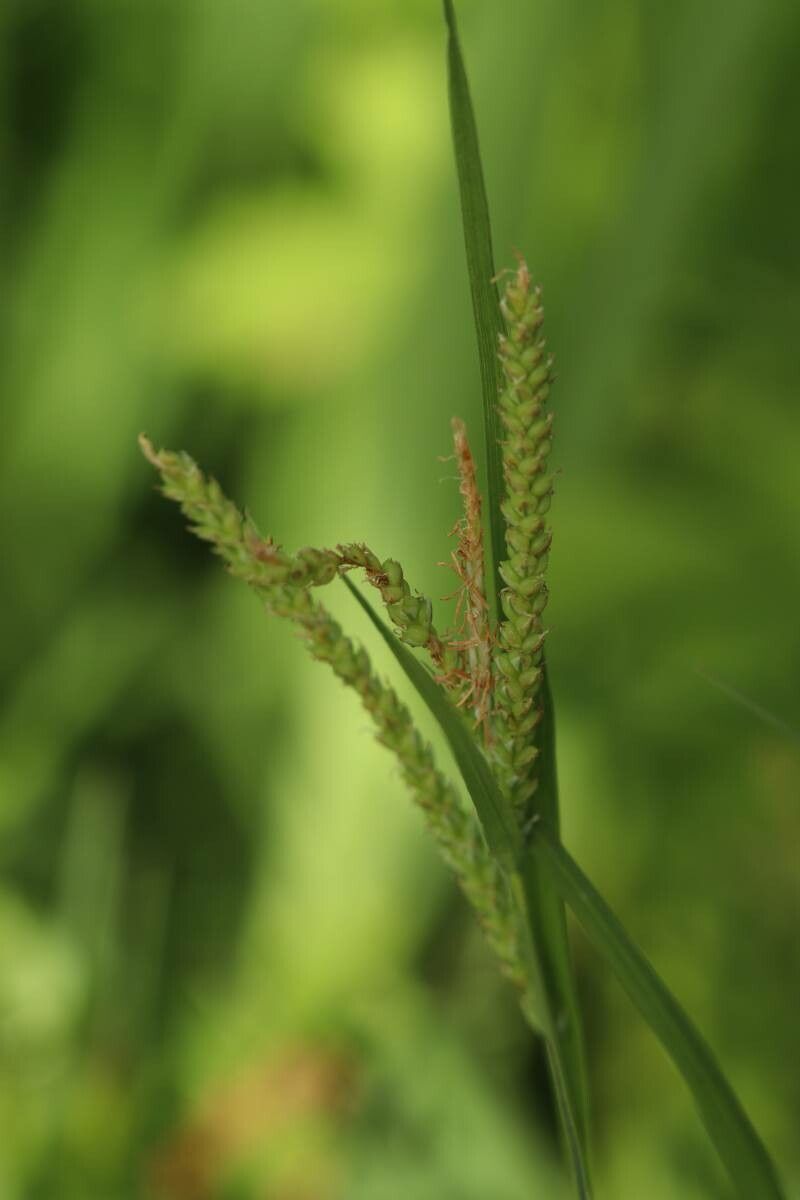
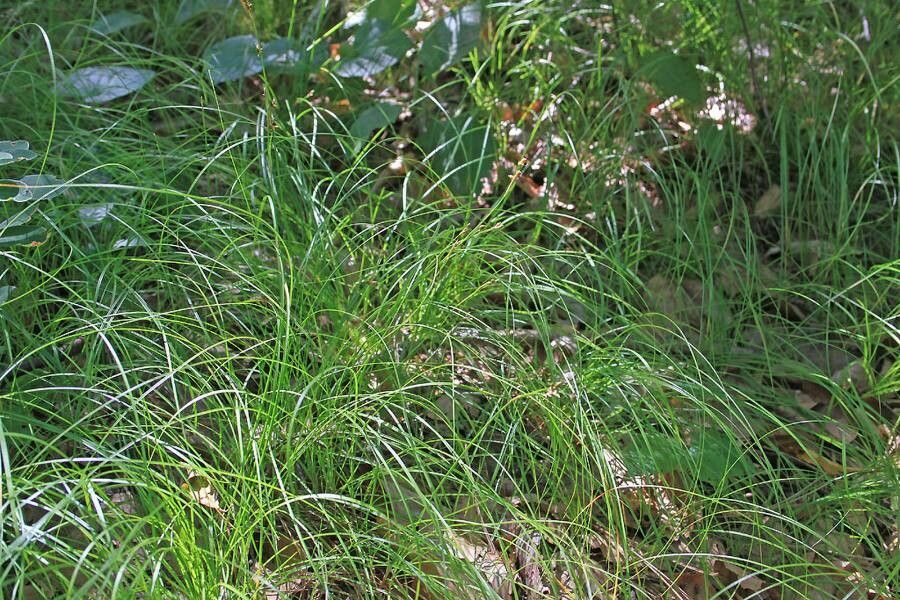
Mead's sedge is resistant to disease and is typically not susceptible to illnesses. Regarding care, this plant is fairly low-maintenance. When grown outdoors it needs only light watering, and larger specimens usually do not require pruning. Smaller plants, however, should be pruned after they finish flowering. Mead's sedge is appropriate for anyone with an outdoor area, such as a garden or deck, and does not demand extensive care experience.
How to keep Carex Meadii.
Fertilizer
The Mead's sedge needs extra nutrients to encourage strong new growth. Applying compost to the plant's base during springtime can efficiently supply the required nutrients. The act of fertilizing supports robust growth and enables the plant to fend off diseases and pests.
Pruning
To ensure Mead's sedge flourishes, it is important to prune it in early spring. This involves removing dead leaves and stems, which encourages new growth and helps maintain the plant's shape. Use clean, sharp tools to avoid causing damage. Regular pruning not only reduces the risk of disease but also improves air circulation, leading to healthier growth throughout the season.
Botanical profile.
- Plant Type
- Grass
- Life Cycle
- Perennial
- Genus
- Carex
- Family
- Cyperaceae
- Hardiness Zone
- 6-10
- Leaf Type
- Semi-evergreen
- Native Area
- Mexico
Other names.
Reader questions.
What are the sunlight requirements for Mead's sedge (Carex meadii)?
Mead's sedge (Carex meadii) thrives in conditions where it can receive specific amounts of sunlight throughout the day. For full sun exposure, it requires above 6 hours of sunlight daily. If the plant is in an area of partial sun, it should get about 3-6 hours of sunlight. It's important to observe the movement of sunlight through your garden to find spots that offer the ideal mix of light and shade. This careful placement ensures that your plants remain healthy and happy.
What is Mead's sedge?
Mead's sedge is a species known by the botanical name Carex meadii. There isn't additional provided information on its characteristics, essentials, or symptoms of its state or environment.