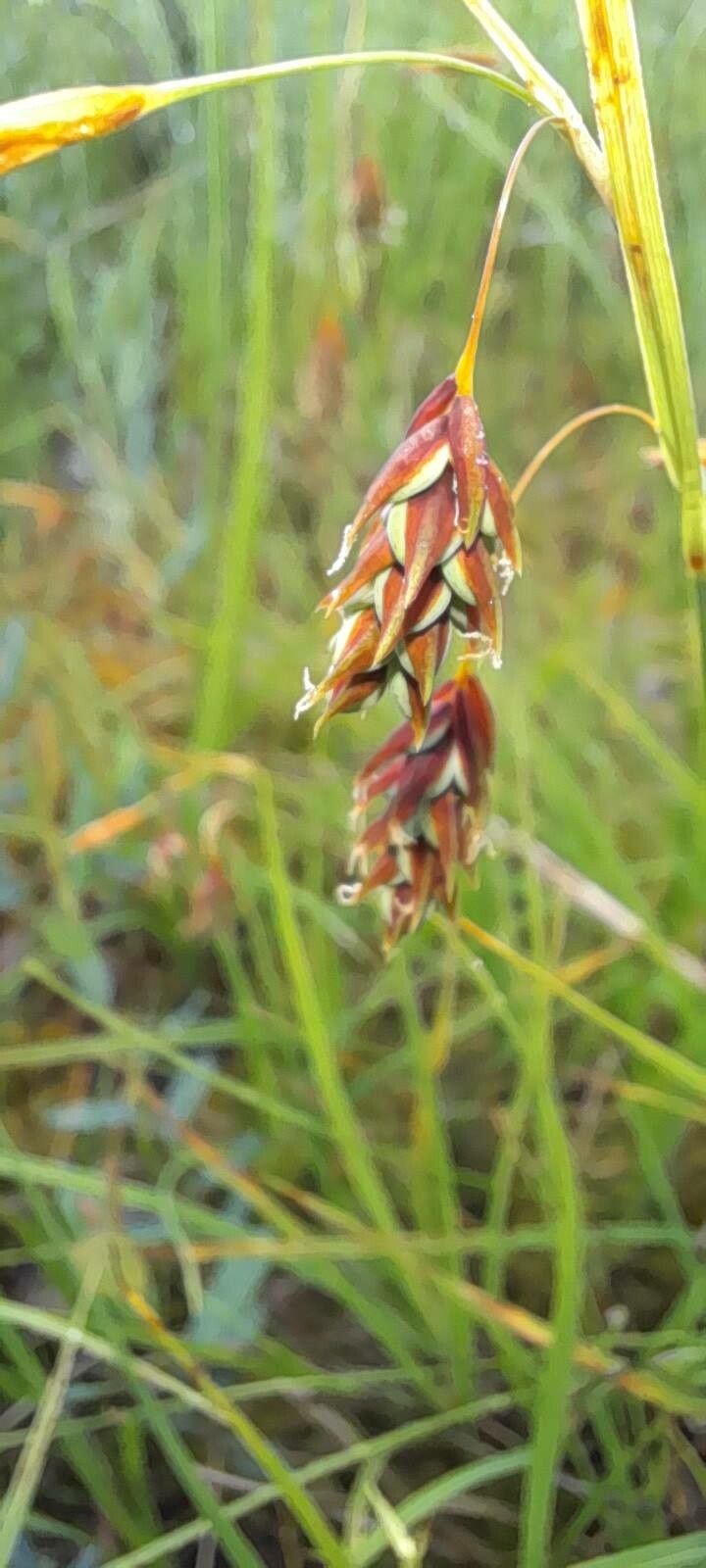
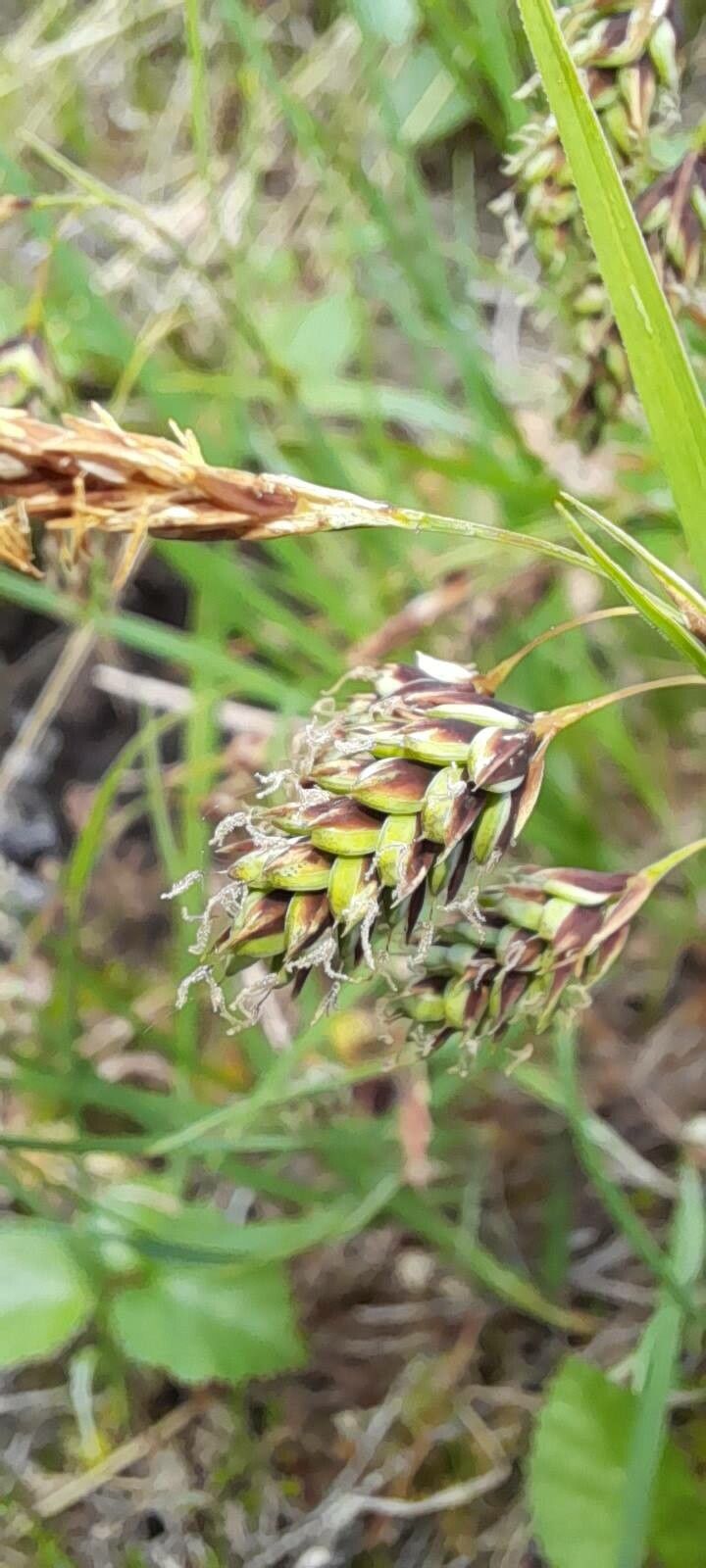
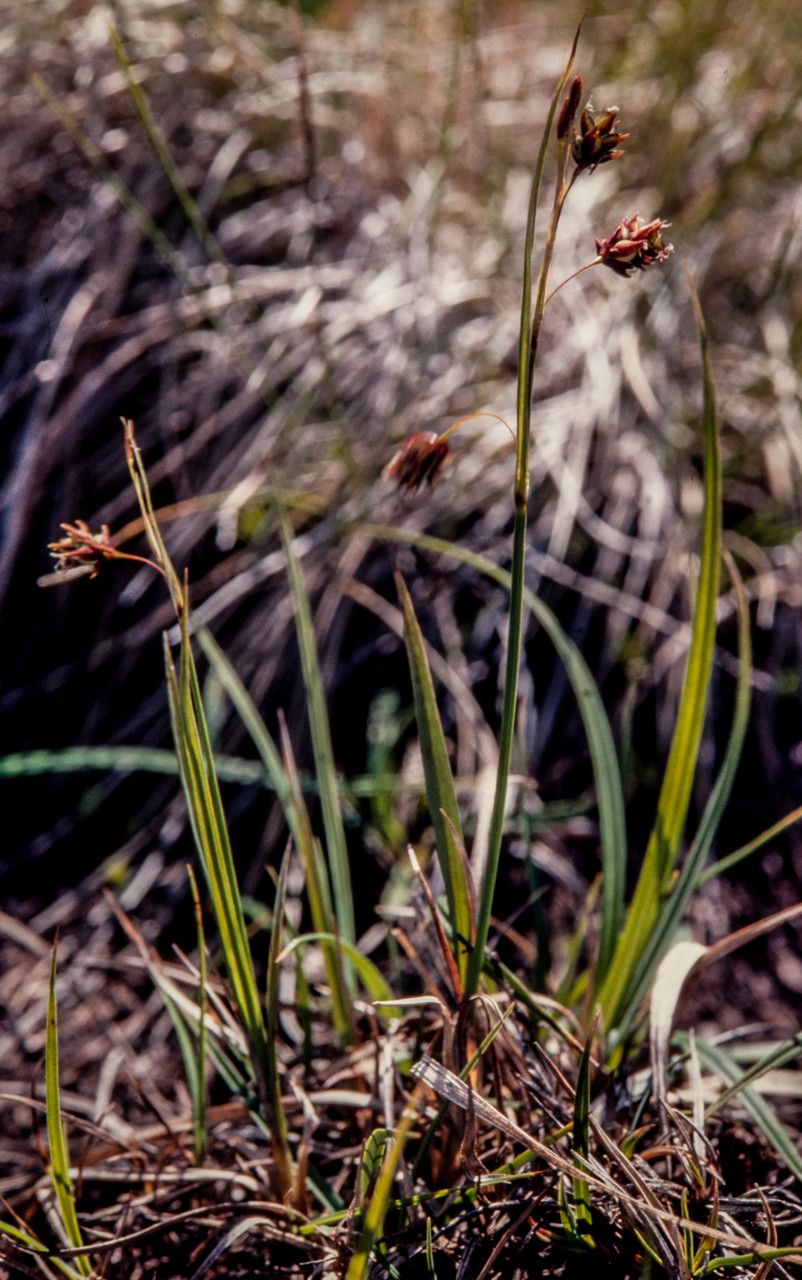
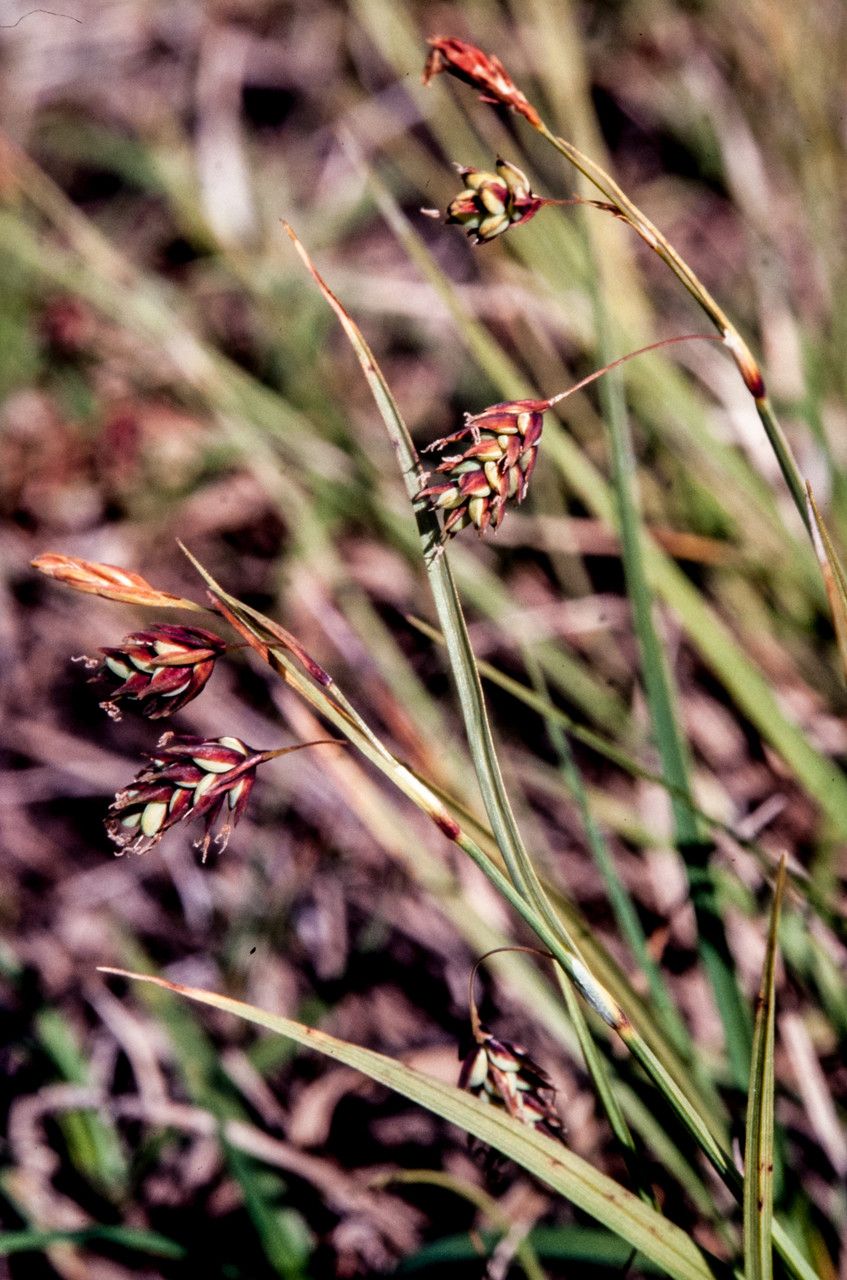
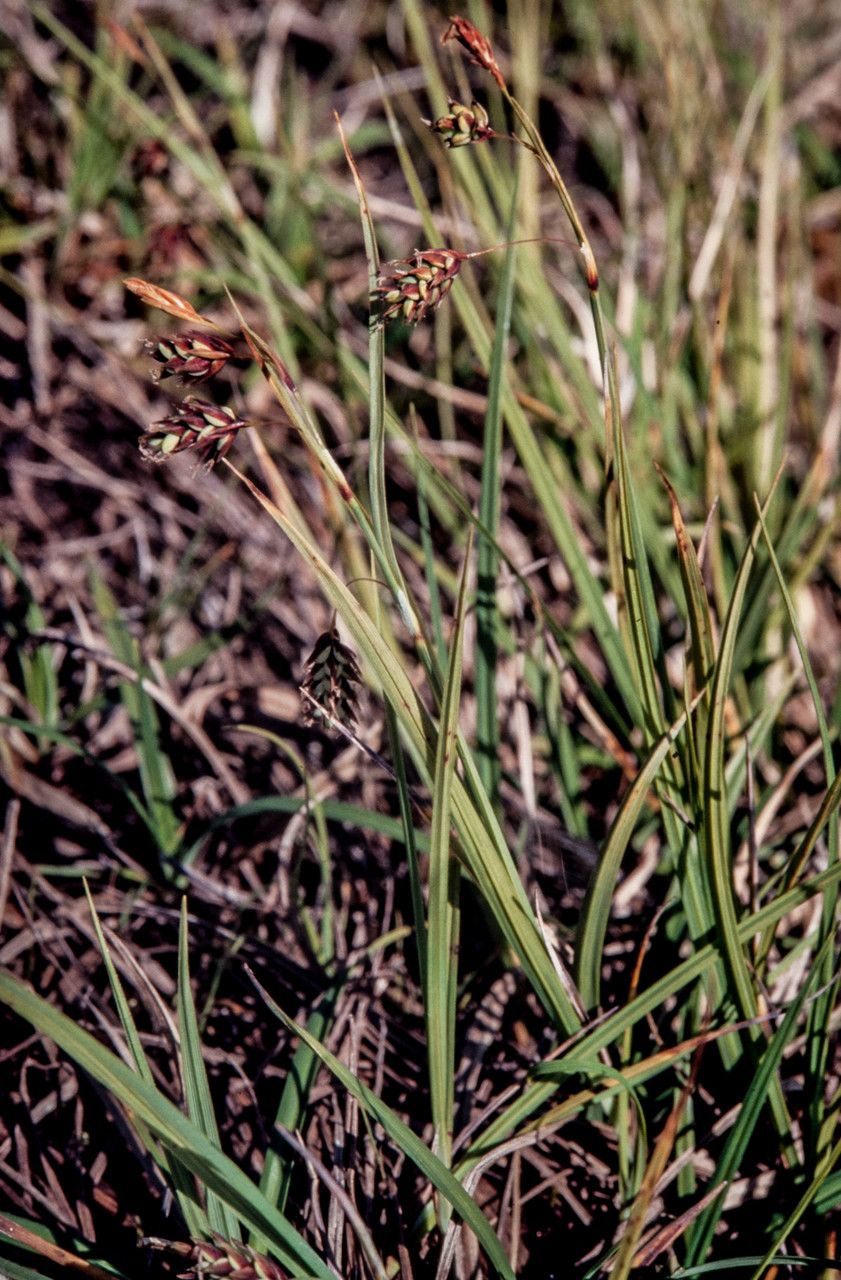
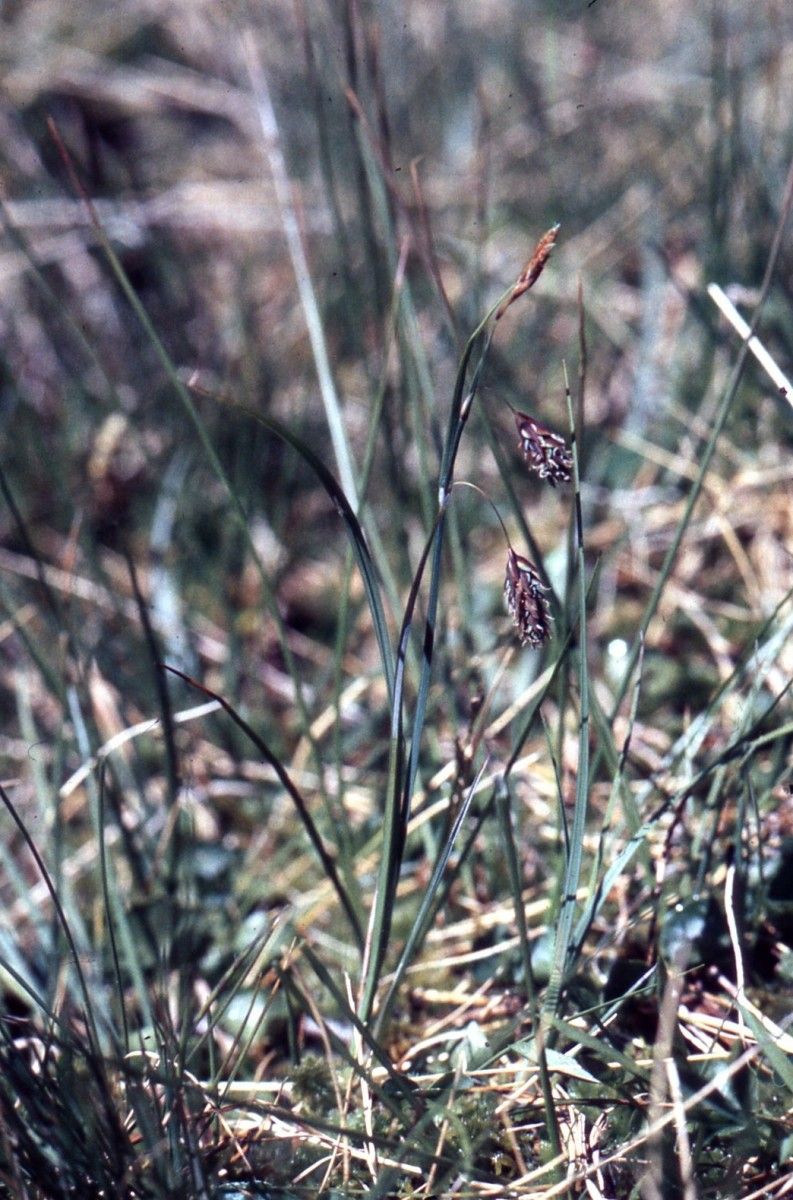
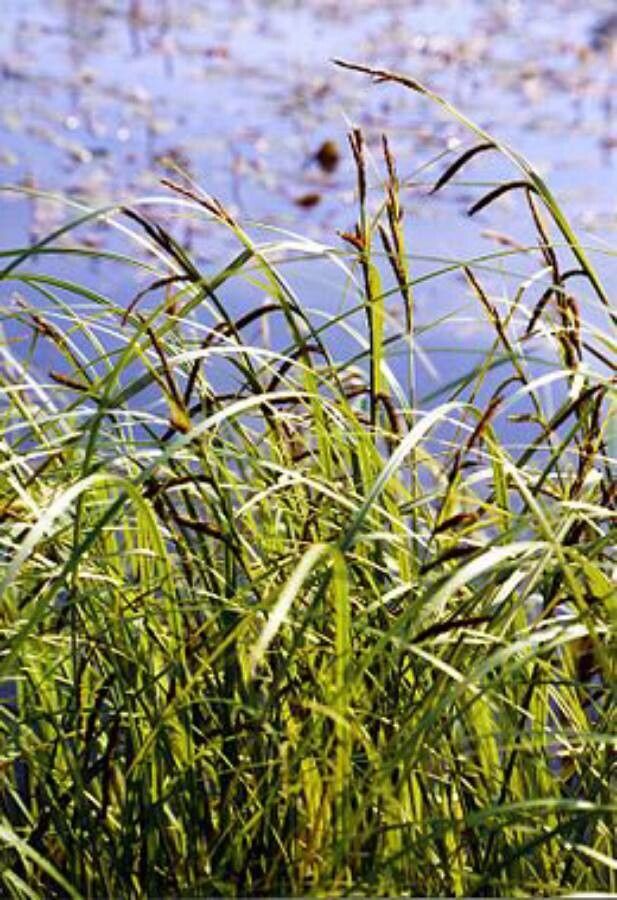
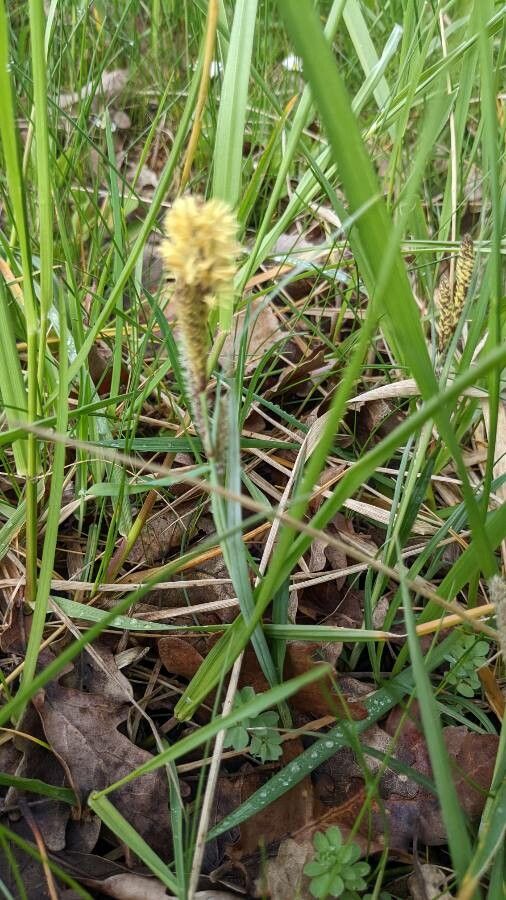
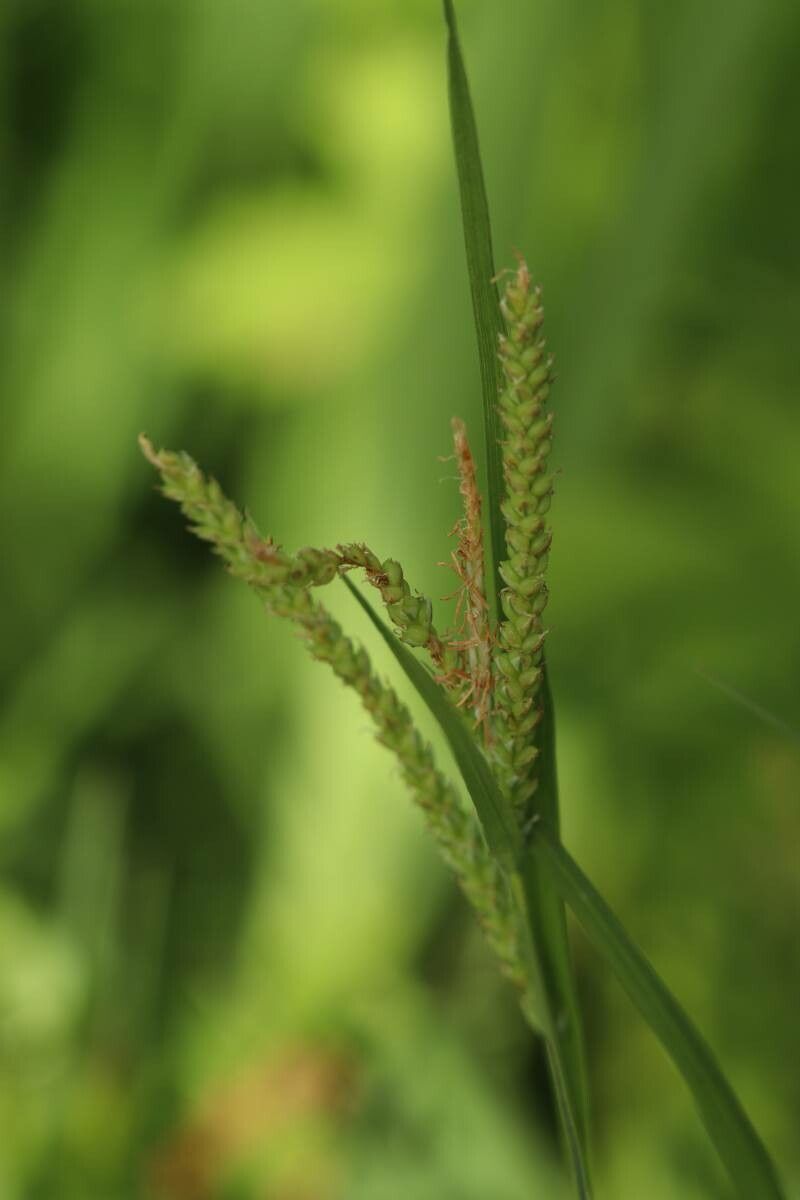
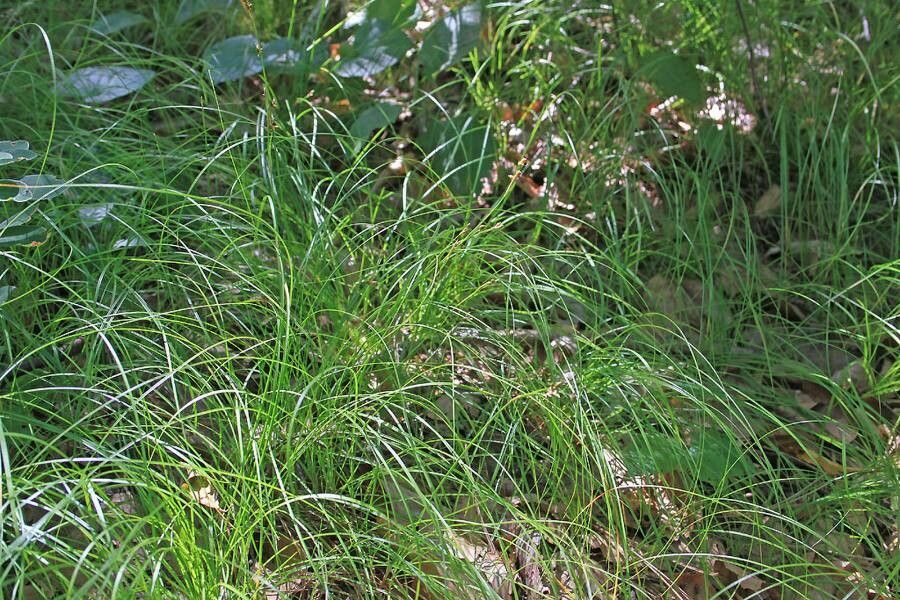
Carex magellanica, or the boreal bog sedge, is a Carex species that is native to North America. It is listed as endangered in Connecticut.
Boreal bog sedge is resistant to disease and is generally not prone to illnesses. In terms of care, the plant is relatively low-maintenance. When grown outdoors it needs minimal watering, and larger plants typically do not require pruning. Smaller plants, however, should be pruned after they have finished blooming. Boreal bog sedge is suitable for anyone with outdoor space, such as a garden or deck, and does not require much care experience.
How to keep Carex Magellanica.
Light
Boreal bog sedge thrives with a plentiful daily supply of sunlight, although it can tolerate some shade when necessary. Its natural habitat is open areas where light is abundant. Excessive shade can impede its growth, while very strong sunlight generally does not cause significant damage. At certain stages of development, a balance of sun and shade can be advantageous.
Water
Boreal bog sedge thrives in moist environments and needs to be watered weekly to support healthy growth. Although it prefers consistent moisture, it can withstand short periods of dryness. This outdoor plant truly flourishes in wetland areas, where it benefits from the ideal conditions created by the interaction of water and soil.
Temperature
Boreal bog sedge is native to cold regions and prefers temperatures between 41 and 77 °F (5 and 25 ℃). Although it can tolerate temperature fluctuations, additional care during seasonal changes is necessary for optimal growth.
Fertilizer
Boreal bog sedge needs extra nutrients to encourage healthy new growth. In spring, adding compost around the plant's base will supply the nutrition it requires. Fertilizing supports vigorous growth and helps the plant resist diseases and pests.
Pruning
Boreal bog sedge flourishes in moist, boggy environments and resembles grass in appearance. To encourage healthy growth, prune the plant in early spring to remove any damaged foliage. This practice not only boosts the plant's vigor but also improves air circulation, which helps reduce the risk of disease. Be sure to use sharp, clean tools when pruning to prevent infections.
Botanical profile.
- Plant Type
- Grass
- Life Cycle
- Perennial
- Genus
- Carex
- Family
- Cyperaceae
- Hardiness Zone
- 4
- Mature Height
- 15 cm to 76 cm
- Mature Spread
- 30 cm to 49 cm
- Leaf Color
- Dark Green
- Leaf Type
- Evergreen
- Flower Size
- 0.25 cm to 0.51 cm
- Bloom Time
- Late spring, Early summer
- Planting Time
- Spring, Summer
- Harvest Time
- Mid summer, Late summer
Other names.
Reader questions.
What are the sunlight requirements for Boreal bog sedge?
Boreal bog sedge thrives in conditions of full sun, which means it requires more than 6 hours of sunlight daily, though it can also tolerate partial sun, about 3-6 hours of sunlight. Its growth can be hindered by too much shade, although it generally handles excessive sunlight well. Observing how sunlight moves through your garden will help you choose spots that provide the perfect balance of light and shade, ensuring the plants' happiness. In its native habitats, such as open landscapes, Boreal bog sedge receives abundant sunlight.
What is the native climate for Boreal bog sedge?
Boreal bog sedge, or Carex magellanica, thrives in cold regions and prefers temperatures ranging between 41 to 77 °F (5 to 25 °C). Although capable of adjusting to varying temperatures, it requires extra care during seasonal transitions to maintain optimal growth. This plant is remarkably cold-tolerant, needing no additional frost protection in winter. It is advisable, however, to water it generously before the first autumn freeze so that the soil remains moist and enters a frozen state. This strategy helps prevent drought and water scarcity for the plant during the winter and early spring seasons.
How do artificial lights support the growth of indoor Boreal bog sedge plants?
Indoor Boreal bog sedge plants require adequate lighting for optimal growth. When natural sunlight is insufficient, especially during winter or in less sunny spaces, artificial lights provide a crucial solution. LED lights are a popular choice because they can be customized to deliver specific wavelengths needed by plants. The required wattage for artificial light varies depending on the plant's sunlight needs: full sun plants need 30-50W/sq ft, partial sun plants require 20-30W/sq ft, and full shade plants need 10-20W/sq ft. The light source should be placed 12-36 inches above the plant, mimicking natural sunlight, and it's recommended to mirror natural daylight hours, usually between 8-12 hours of light per day.
How does Boreal bog sedge react to extremely low temperatures?
Boreal bog sedge exhibits exceptional cold tolerance, managing well even when winter temperatures plummet below -30°C. Despite this resilience, extreme cold can impact its springtime regrowth, either reducing its sprouting efficiency or preventing sprouting altogether. An effective countermeasure in spring is to remove parts of the plant that have failed to sprout, ensuring the plant's health and promoting new growth.
What are the symptoms of inadequate lighting in Boreal bog sedge?
When Boreal bog sedge does not receive sufficient light, several symptoms may manifest, including smaller new leaves, leggy or sparse growth, faster leaf drop, slower or no new growth, lighter-colored new leaves, chlorosis, sunscald, leaf curling, wilting, and leaf scorching. These symptoms indicate the plant's struggle with either too little or too much sunlight, affecting its ability to photosynthesize effectively and maintain overall health.
What should I do if Boreal bog sedge is exposed to high temperatures?
High temperatures pose a significant risk to the Boreal bog sedge, halting its growth and increasing susceptibility to rot when temperatures exceed 25°C. To help the plant cope, it's crucial to trim any sunburned or dried-up parts and relocate the plant to cooler, shaded areas away from the harsh midday and afternoon sun. Alternatively, employing a shade cloth can offer protection. Additionally, watering the plant during the cooler moments of the morning and evening is vital to keep the soil consistently moist, aiding the plant in withstanding the heat.
What solutions can help Boreal bog sedge receive adequate sunlight?
To ensure Boreal bog sedge receives adequate sunlight, gradually move the plants to sunnier locations, allowing them to adapt by increasing sunlight exposure each week. For indoor plants, use a south-facing window, keep curtains open during the day, or use artificial lighting like desk, ceiling lamps, or professional grow lights for at least 8 hours daily. Outdoors, avoid sudden changes in light intensity and consider pruning or transplanting to reduce obstructions and improve sunlight access. While parts of the plant affected by insufficient light may not recover, new growth should be healthy with proper light conditions.