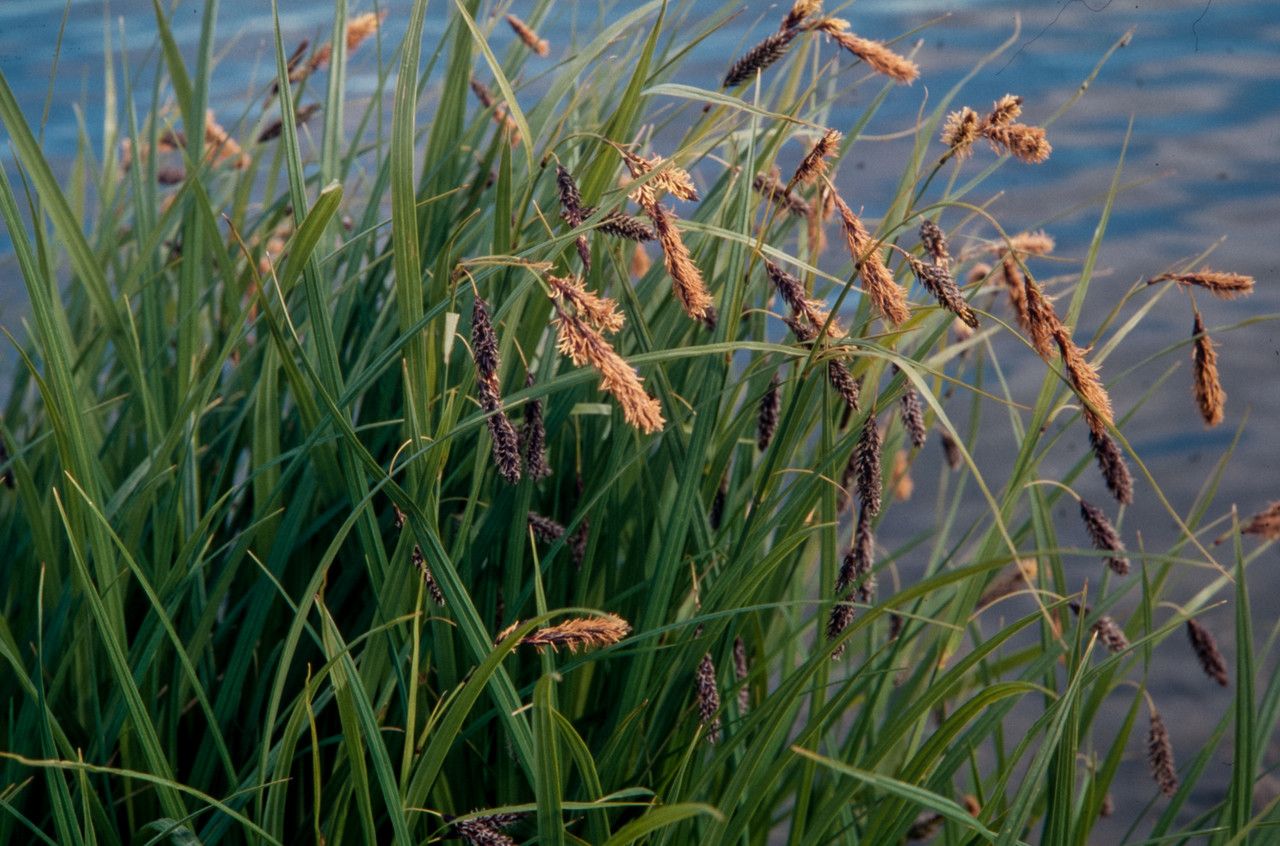
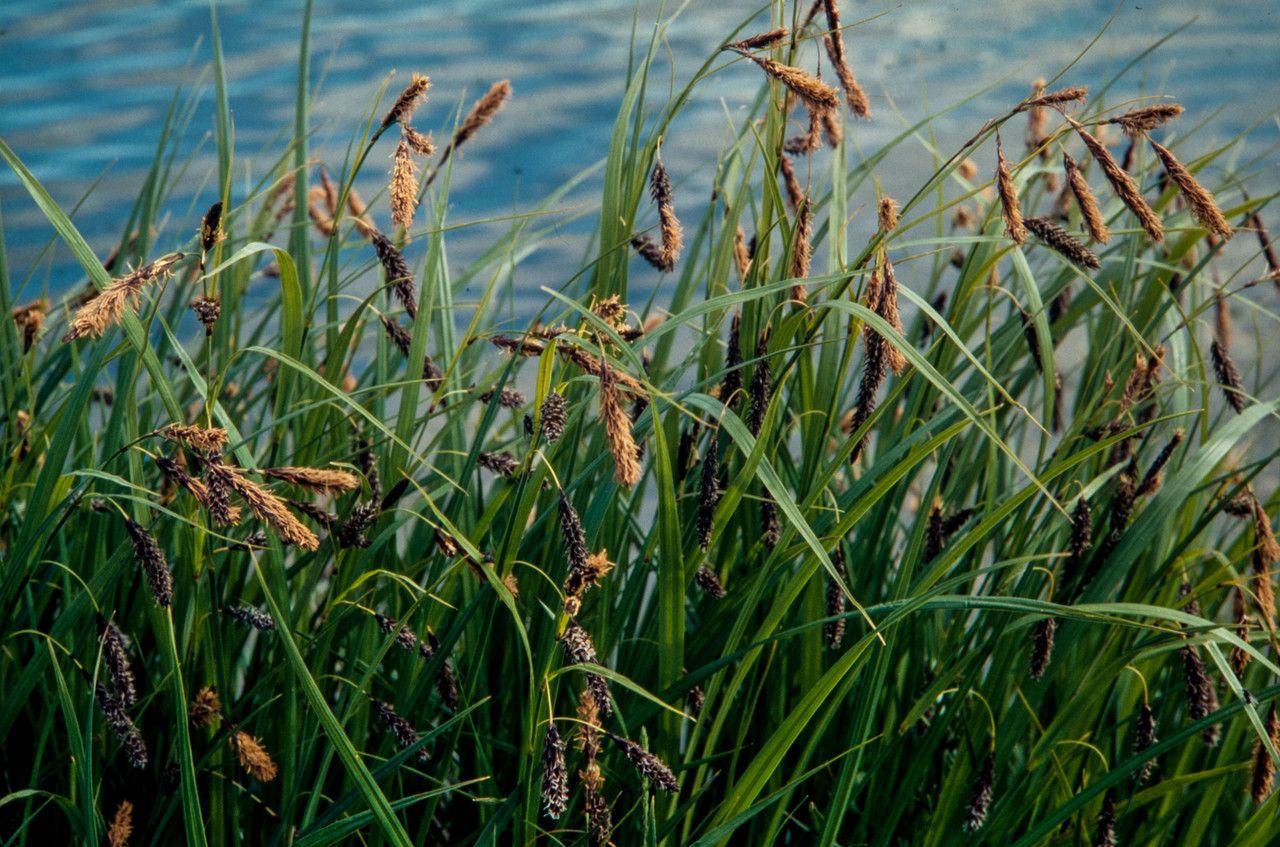
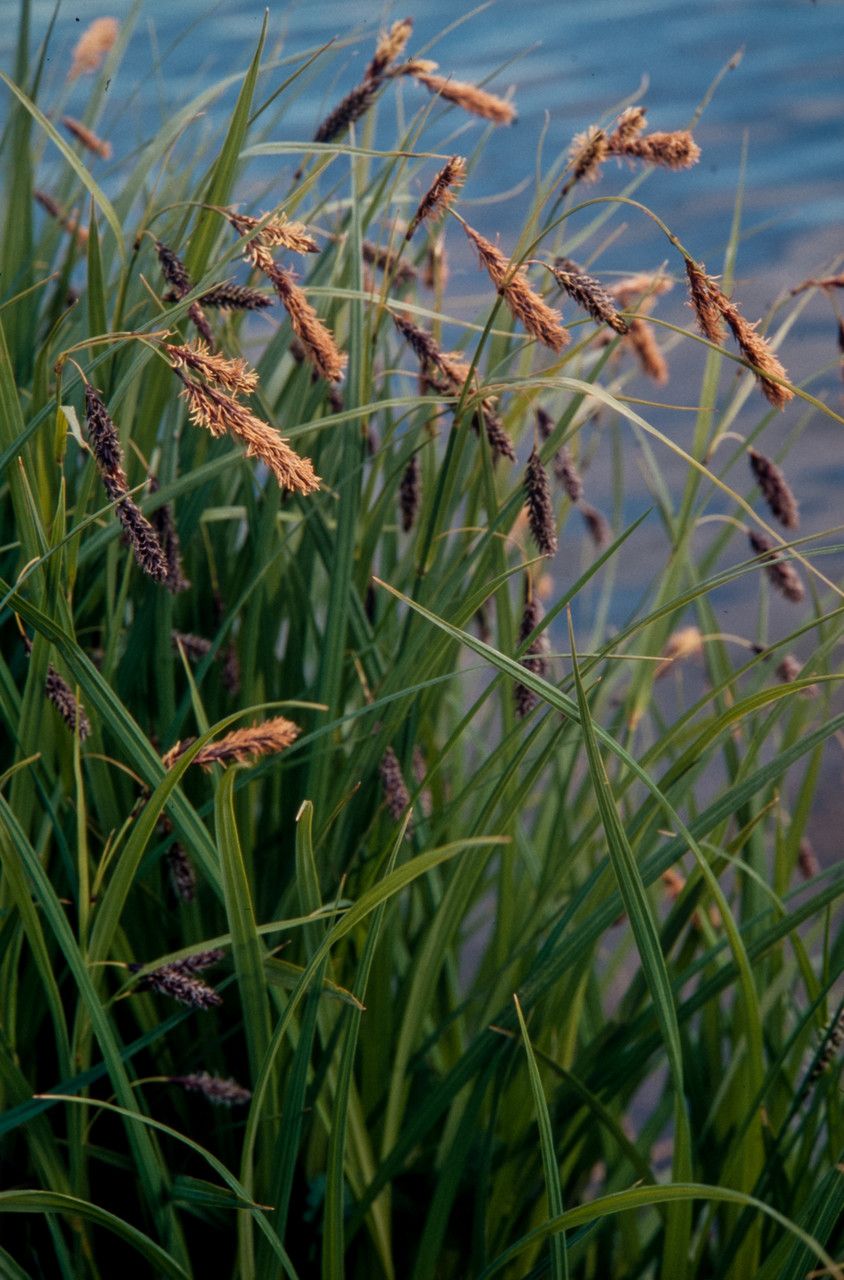
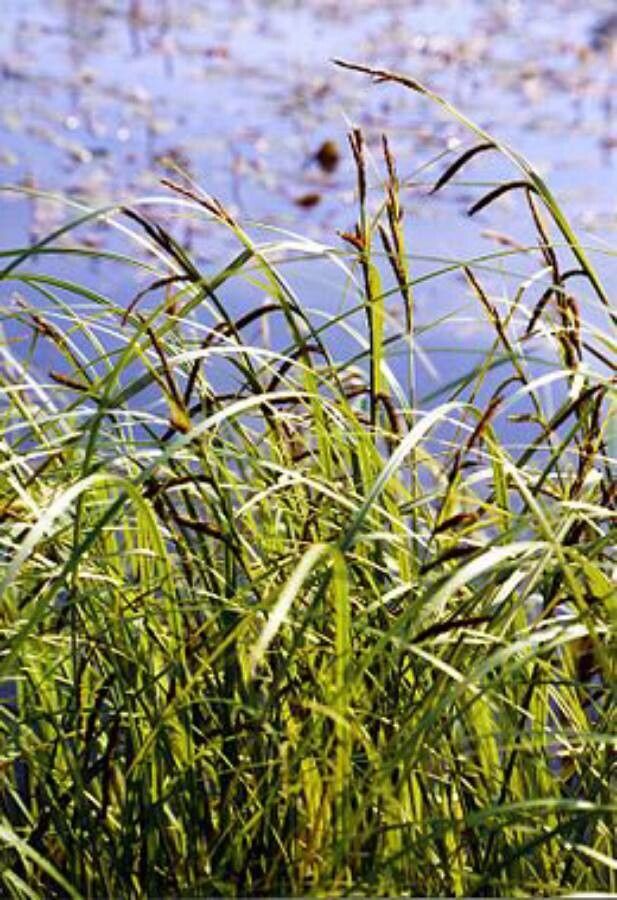
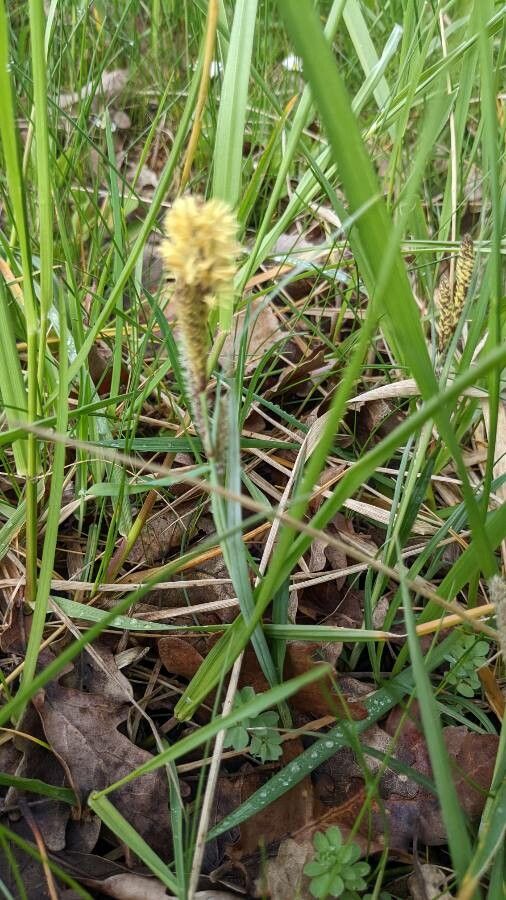
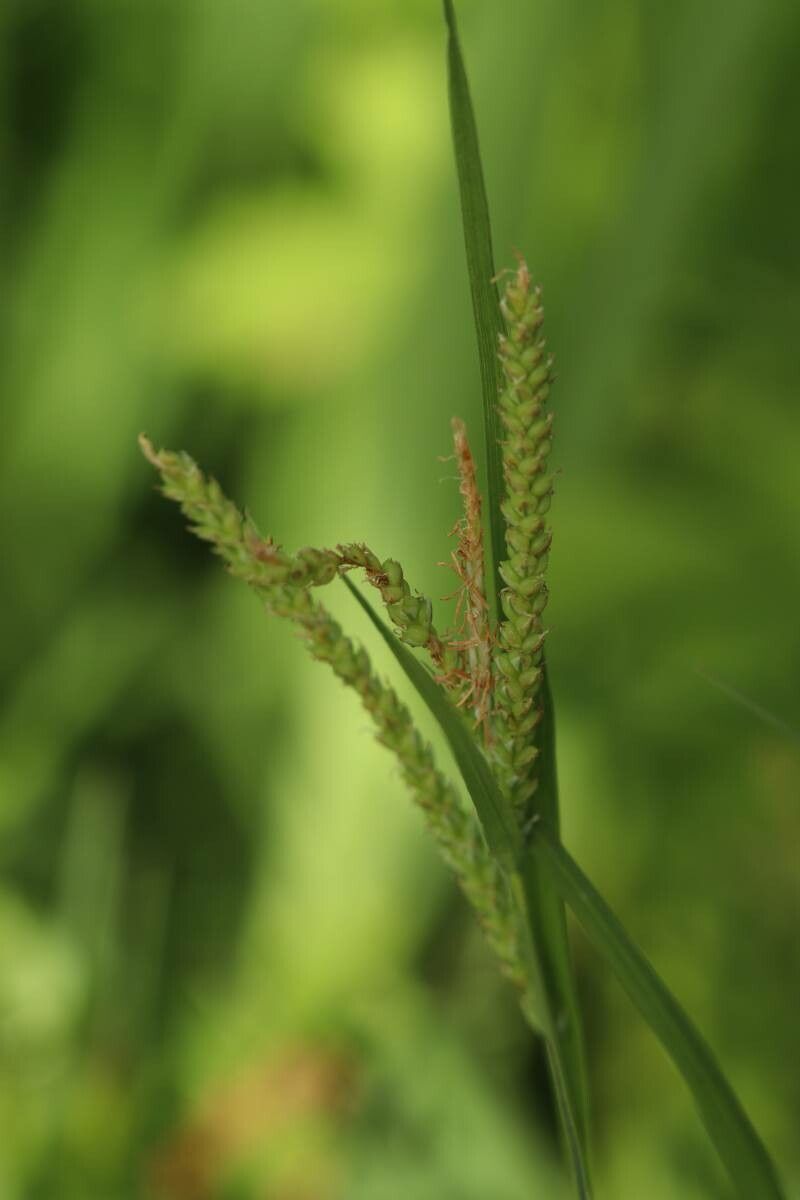
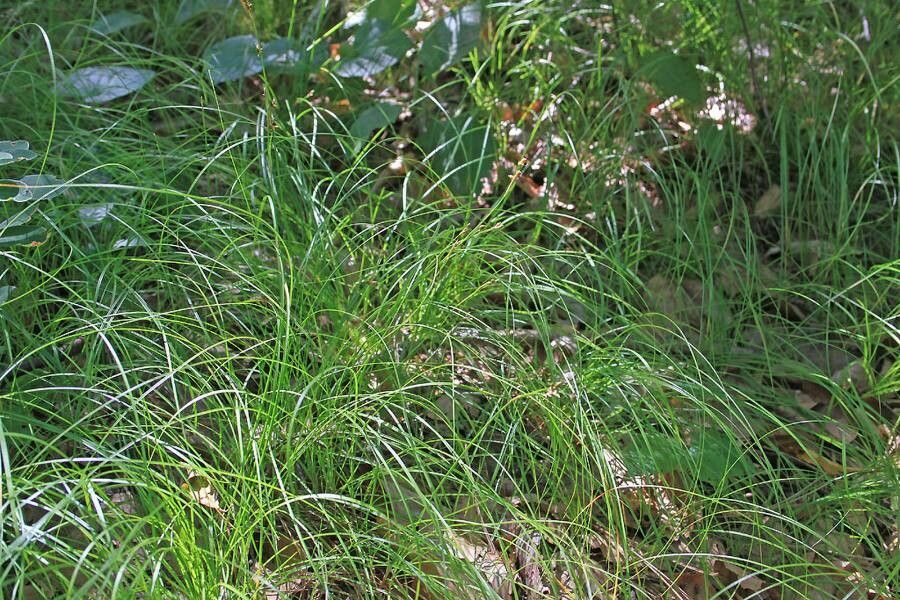
Carex lyngbyei is a species of sedge known by the common name Lyngbye's sedge. It is native to the west coast of North America from Alaska to California, where it "is the common sedge of the Pacific coastal salt marshes." It is also known from Greenland and Iceland. It prefers to grow in silty sediment rather than sand and in habitat with brackish water, such as salt marshes. This sedge produces stems 25 centimeters to well over one meter tall from a network of long rhizomes. The leaves have reddish brown sheaths which do not have spots. The inflorescence produces stiff, nodding spikes on peduncles. The fruit is coated in a leathery yellowish brown sac called a perigynium. This is a pioneer species, one of the first plants to colonize the mud of tidal flats in its range.
How to keep Carex Lyngbyei.
Pruning
In early spring, prune Lyngbye's sedge by removing any dead or damaged stems. This will promote healthy growth and help manage its spread. Make sure to use sharp, clean tools to prevent the spread of disease, ensuring vigorous regrowth and a thriving plant throughout the growing season.
Botanical profile.
- Plant Type
- Grass
- Genus
- Carex
- Family
- Cyperaceae
Other names.
Reader questions.
What are the sunlight requirements for Lyngbye's sedge (Carex lyngbyei)?
Lyngbye's sedge (Carex lyngbyei) thrives in various sunlight conditions. It requires full sun, which means it should receive above 6 hours of sunlight daily, to flourish. Alternatively, it can grow in partial sun, getting about 3-6 hours of sunlight. It's important to observe the way sunlight moves through your garden to find spots that offer the right balance of light and shade for your plants, ensuring they grow healthy and happy.
What is Lyngbye's sedge?
Lyngbye's sedge is a plant species known botanically as Carex lyngbyei. Unfortunately, there isn't specific information provided about its essentials or symptoms related to its care or environment. It may require further research to understand its growth requirements, care essentials, and any symptoms of distress.