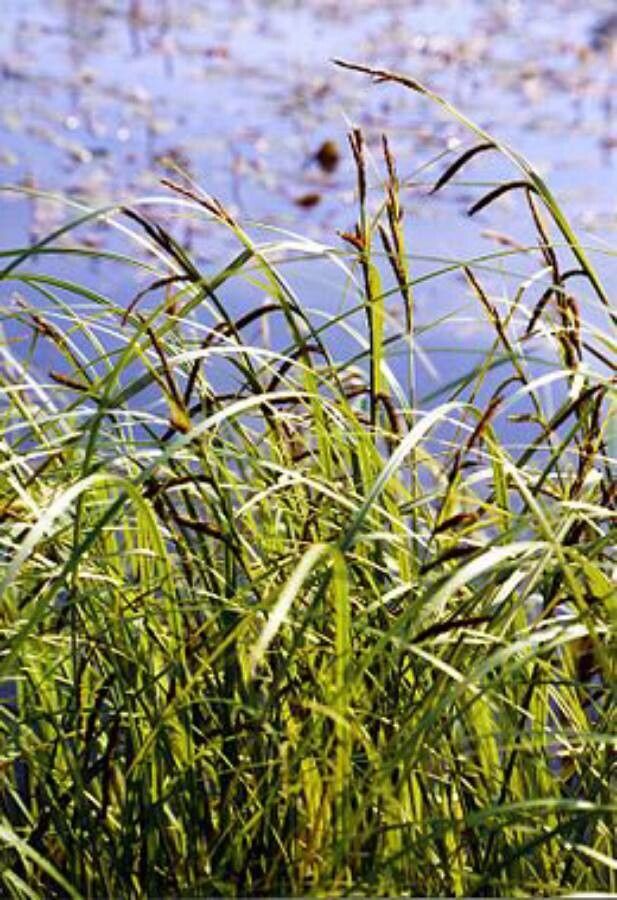
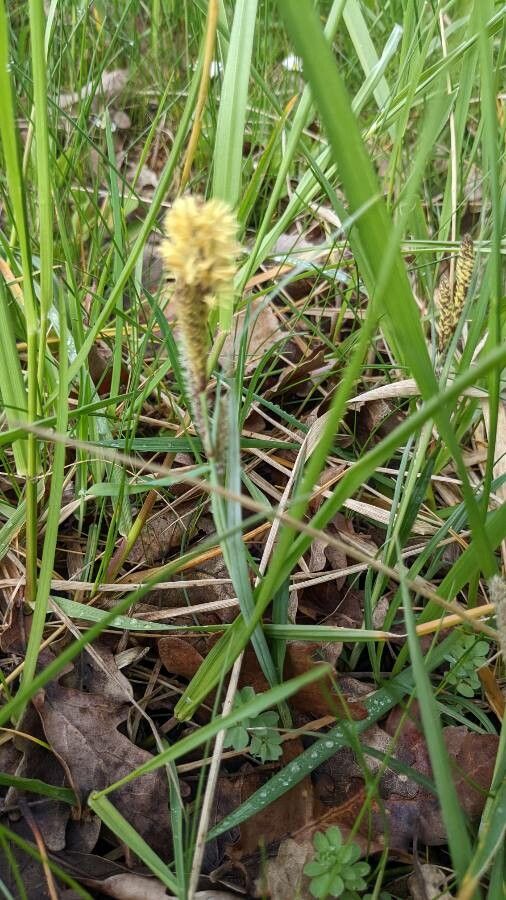
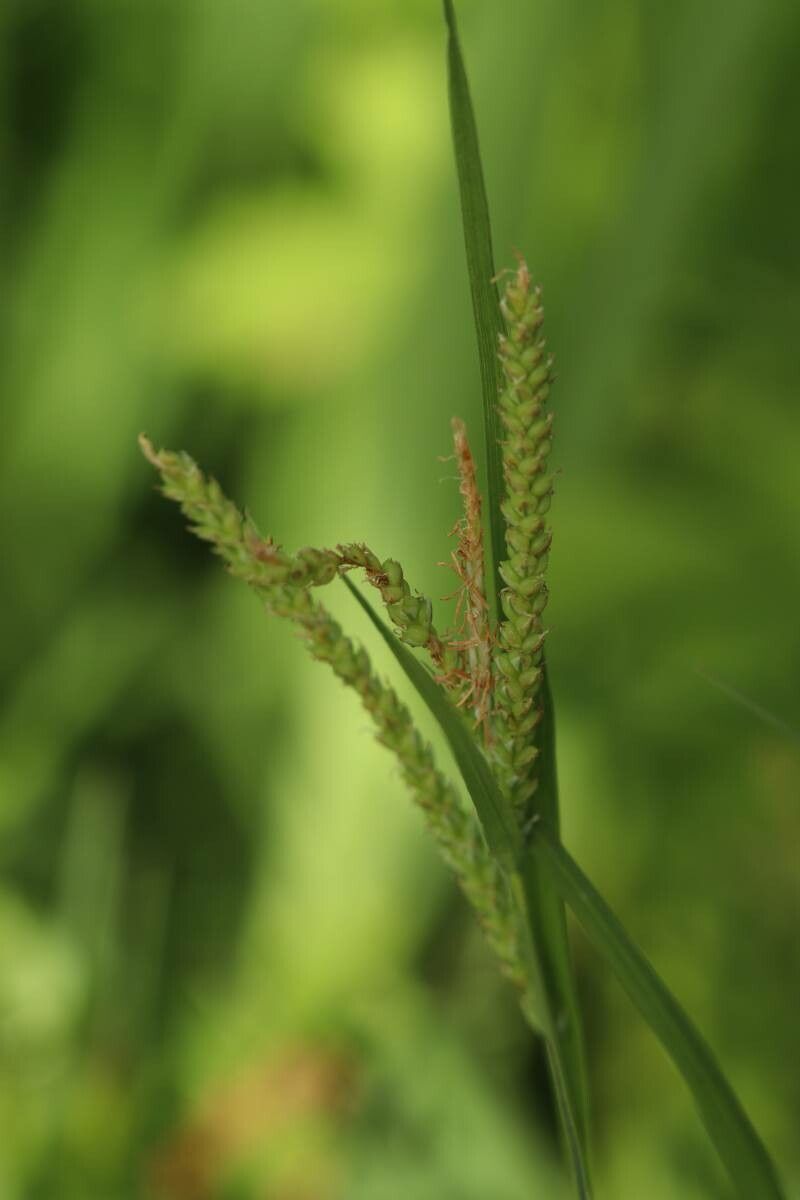
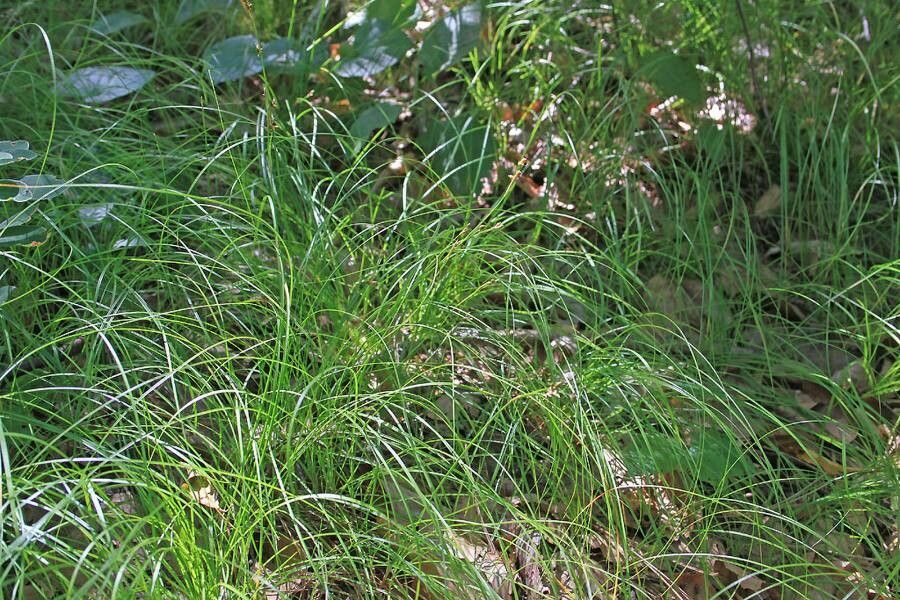
Carex livida is a species of sedge known by the common names livid sedge and pale sedge.
Livid sedge is resistant to disease and is typically not susceptible to illnesses. In terms of maintenance, this plant is fairly low-maintenance. When grown outdoors it needs only light watering, and larger plants usually do not require pruning. However, smaller plants should be trimmed after they finish blooming. Livid sedget is suitable for anyone with an outdoor area, such as a garden or deck, and does not need much experience in plant care.
How to keep Carex Livida.
Fertilizer
Livid sedge needs extra nutrients to encourage healthy new growth. In spring, spreading compost around the plant’s base will effectively supply the nutrients it requires. Fertilizing supports vigorous growth and helps the plant resist diseases and pests.
Pruning
The livid sedge is a rhizomatous perennial that features bluish-green leaves. To promote healthy growth and maintain its appearance, prune it in early spring by removing any dead foliage and old flower stalks. Be sure to use clean pruning tools, and avoid making heavy cuts that could stress the plant. This approach will ensure dense growth and enhance its ornamental appeal.
Botanical profile.
Other names.
Reader questions.
What are the sunlight requirements for Livid sedge (Carex livida)?
Livid sedge (Carex livida) requires specific conditions regarding sunlight exposure to thrive. For optimal growth, it should be placed in an area that receives full sun, defined as above 6 hours of direct sunlight per day. However, it can also tolerate partial sun conditions, which means about 3-6 hours of sunlight daily. It's important to observe the way sunlight moves through your garden, identifying spots that offer a harmonious balance of light and shade. This consideration will help ensure the wellbeing of your plants by providing them with an environment suited to their needs.
What is Livid Sedge?
Livid Sedge, known botanically as Carex livida, is a type of sedge. Unfortunately, there is no further information provided about its essential features or symptoms related to it.