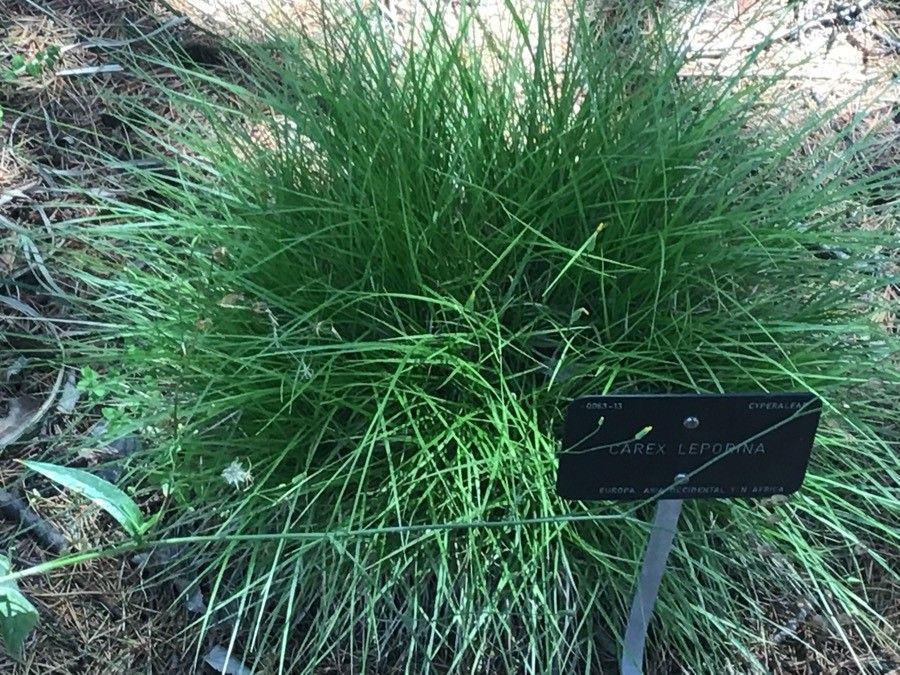
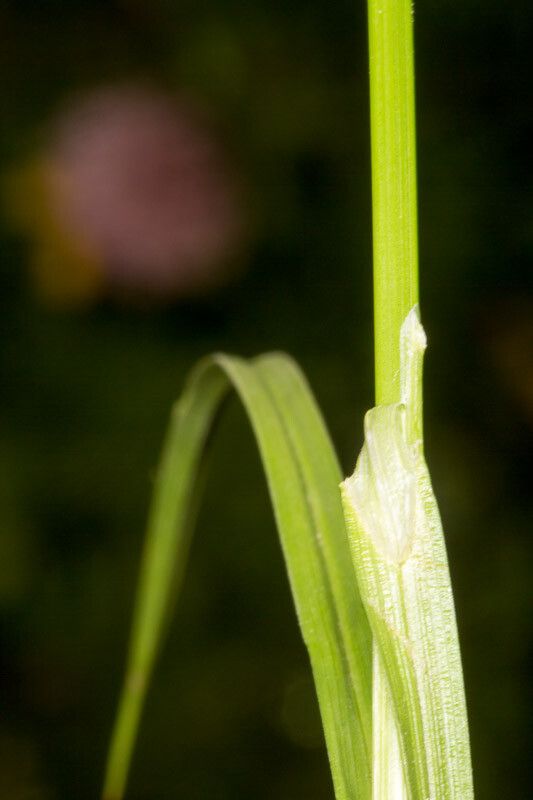
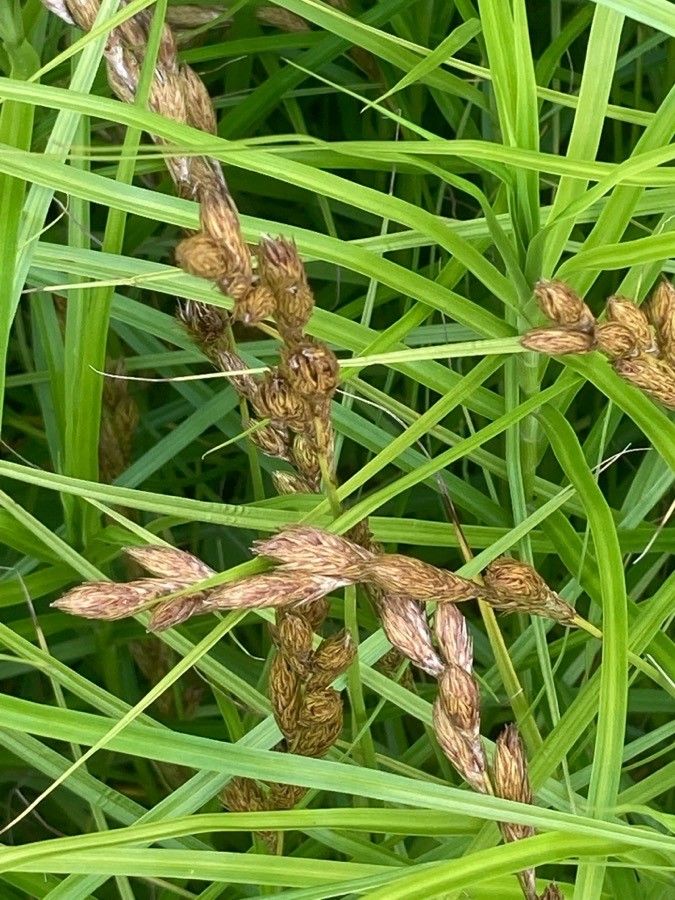
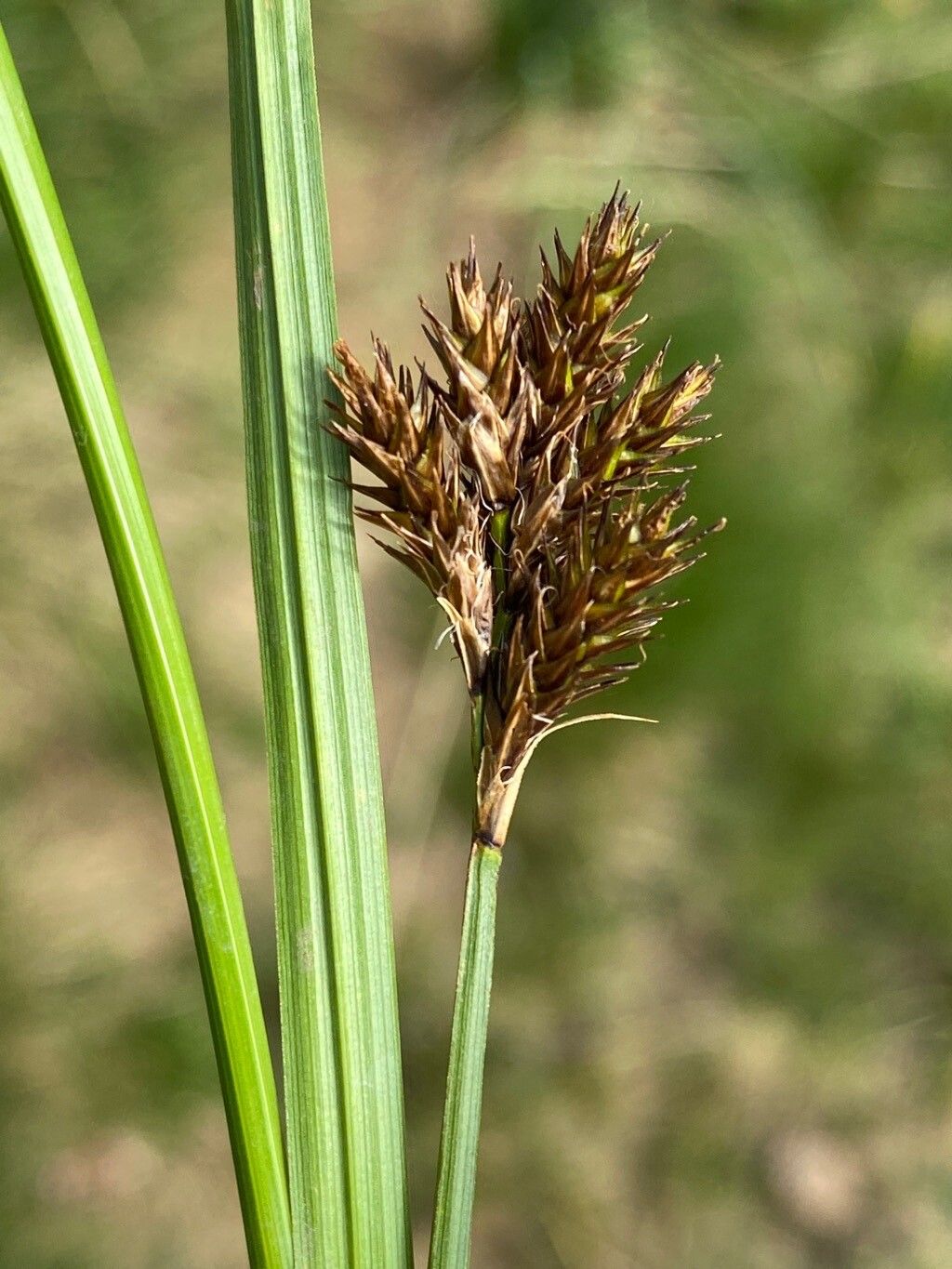
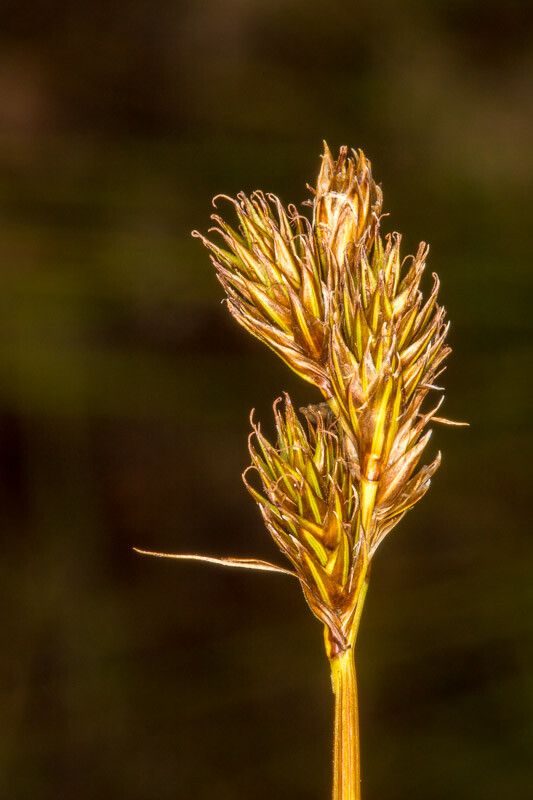
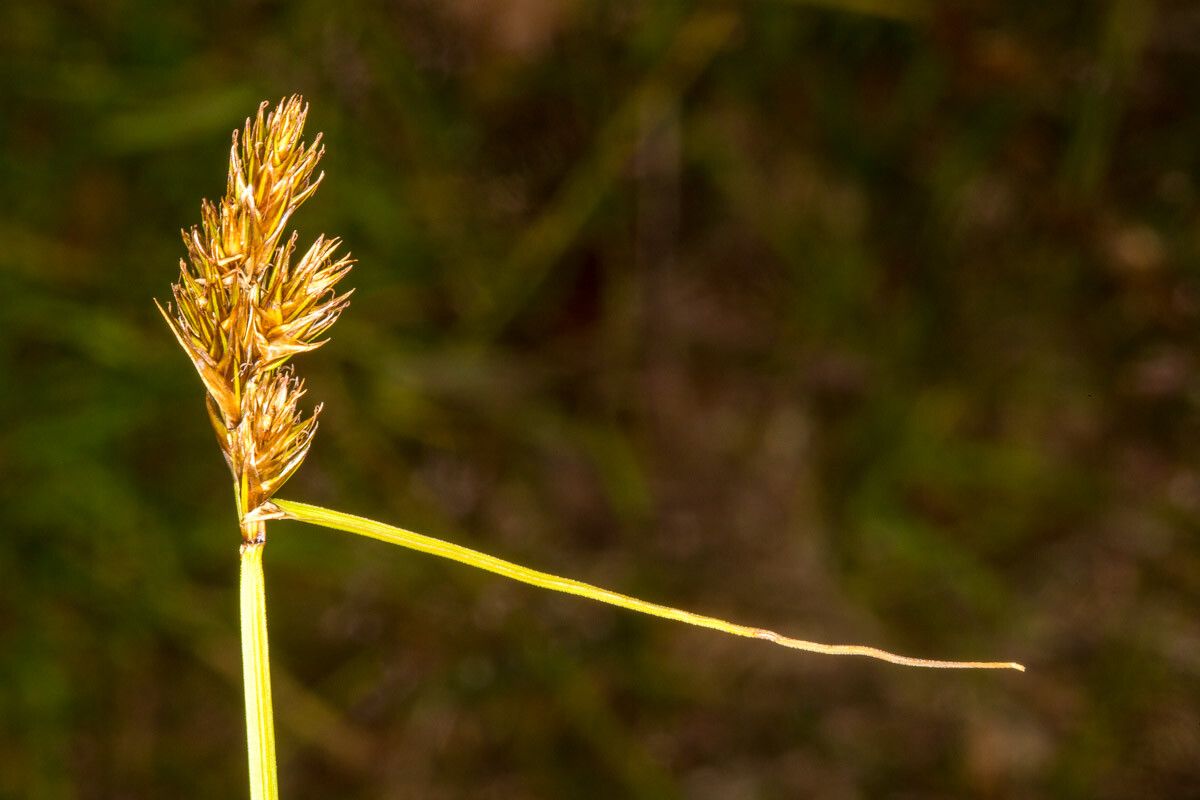
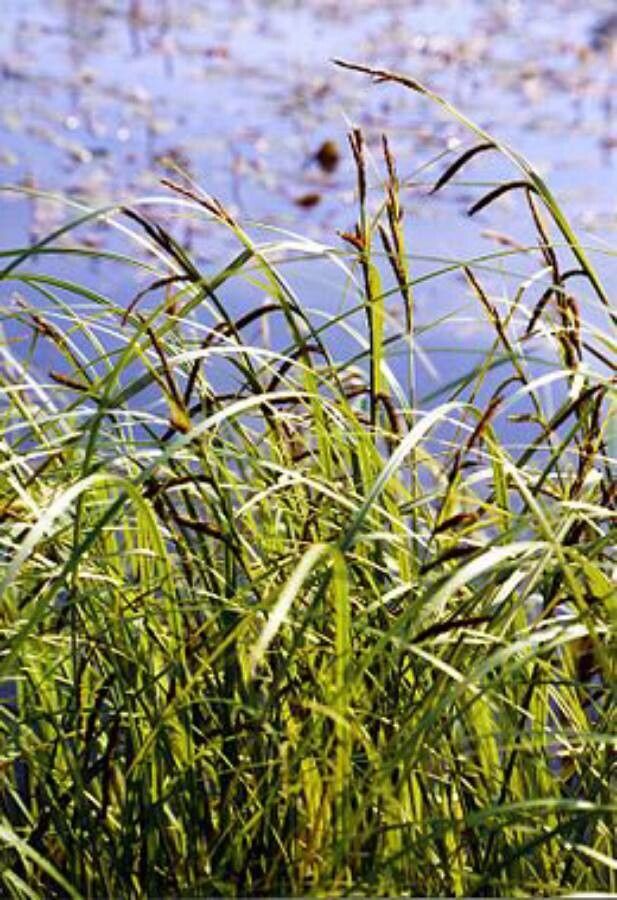
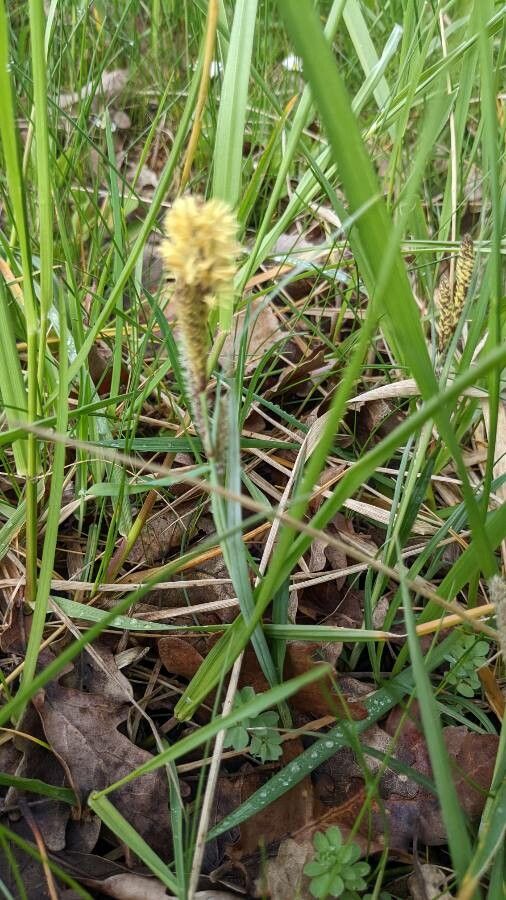
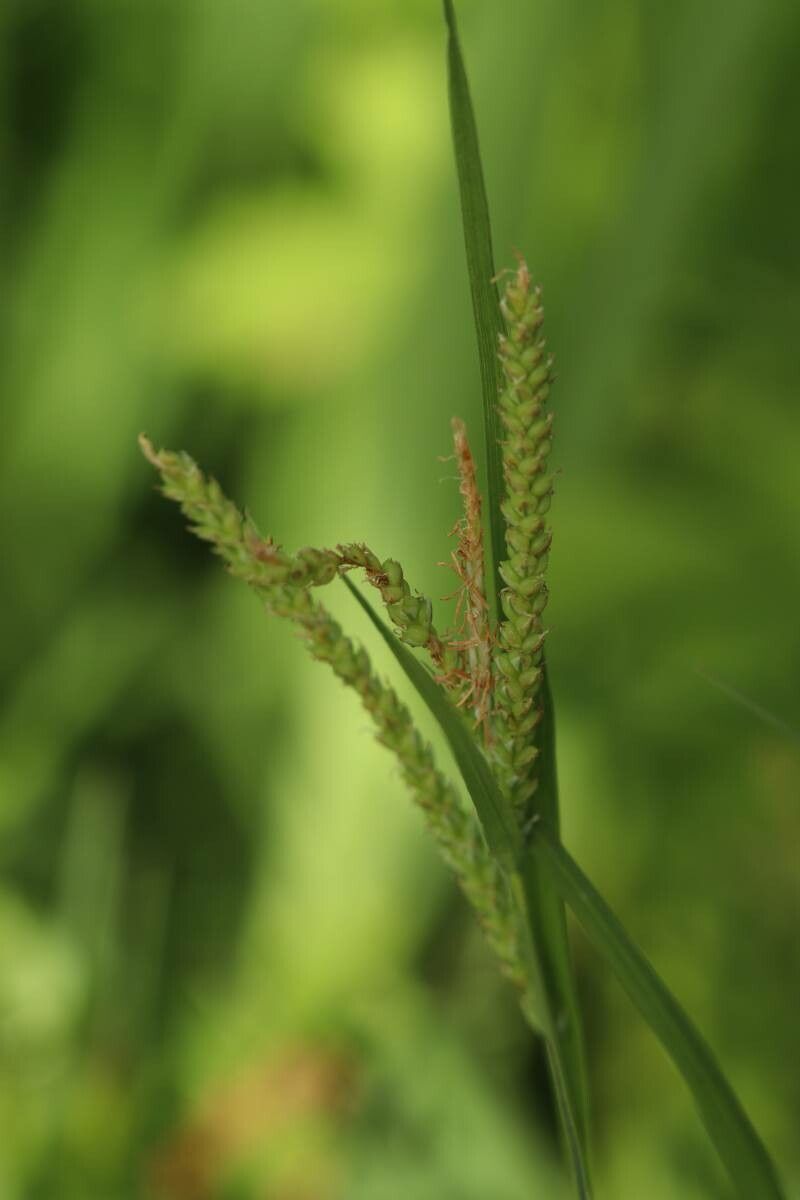
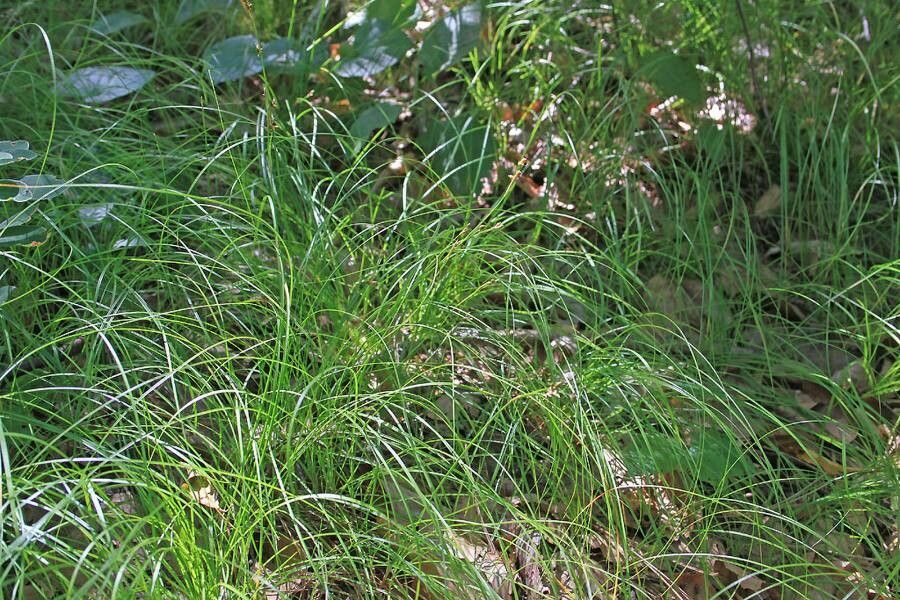
Carex leporina is a species of sedge known in the British Isles as oval sedge and in North America as eggbract sedge. It is native to Eurasia and eastern and western North America, where it grows in seasonally wet habitat, such as meadows and fields. This sedge produces many thin stems and narrow leaves. The inflorescence is an open cluster of several flower spikes. The pistillate flower has a reddish or brownish bract with a gold center and white tip.
Broom sedge has good resistance to disease and is generally not susceptible to illnesses. Regarding care, this plant is fairly low-maintenance. When grown outdoors it needs little watering, and larger plants typically do not require pruning. Smaller plants, however, should be pruned after they have finished blooming. Broom sedge is suitable for anyone with an outdoor area, such as a garden or deck, and does not demand much experience in plant care.
How to keep Carex Leporina.
Light
Broom sedge prefers ample but not intense sunlight for healthy growth. Native to areas with diffused light, the plant does best in those conditions. Excessive exposure can cause stress, while too little light can impede its growth and development.
Water
Oval sedge flourishes in moist environments, needing regular moisture while avoiding waterlogged conditions. Watering it once a week helps maintain its health. As an outdoor plant, it adjusts to the varying water availability throughout the seasons, which affects its growth patterns and resilience.
Temperature
Broom sedge is a plant native to temperate regions, thriving where temperatures range from 50 to 77 °F (10 to 25 ℃). Seasonal adjustments in temperature may be necessary to maintain optimal conditions.
Fertilizer
Broom sedge needs extra nutrients to encourage healthy new growth. In spring, putting compost around the plant's base can effectively supply the nutrition it requires. Fertilizing helps support robust growth and improves the plant's ability to resist diseases and pests.
Pruning
Oval sedge has a tufted, grass-like appearance and benefits from early spring pruning before new shoots emerge. To promote healthy growth and prevent disease, remove any dead or damaged foliage at the base. Be sure to maintain the plant carefully to keep its green stems healthy and to enhance air circulation.
Botanical profile.
- Plant Type
- Grass
- Life Cycle
- Perennial
- Genus
- Carex
- Family
- Cyperaceae
- Hardiness Zone
- 6
- Mature Height
- 0.3 m to 1.07 m
- Mature Spread
- 30 cm to 46 cm
- Leaf Color
- Green, Blue
- Leaf Type
- Deciduous
- Flower Color
- Green
- Flower Size
- 0.25 cm to 0.51 cm
- Bloom Time
- Late spring, Early summer
- Planting Time
- Spring, Summer
- Harvest Time
- Mid summer, Late summer
Other names.
Reader questions.
What should I do if I give my Oval sedge plant either too much or too little water?
Proper watering is essential for the performance of this beautiful ornamental grass. In the ground, watering issues can be resolved, but in a container, too much or too little water can quickly kill Oval sedge. When Oval sedge doesn't receive the right amount of water, its growth may stop. Overwatering leads to yellow leaves with brown tips, while underwatering results in drooping leaves, weak seed head production, and browned leaves. If you suspect improper watering, the first step is to determine if there is too much or too little water. If there is too much water, stop watering immediately. It may take some time for heavy soils to dry out, so patience is key. Once new growth appears, test the soil for moisture before deciding whether to water more or not. On the other hand, if the grass is not receiving enough water, simply give it a nice, deep drink and see if it improves. It is important to keep in mind that a long, deep watering is better than frequent shallow waterings. This encourages the growth of deep roots, making the grass more resistant to drought and less prone to watering-related problems.
What are the sunlight requirements for Oval Sedge?
Oval sedge, botanically known as Carex leporina, is a perennial herbaceous plant that thrives in full sun, requiring above 6 hours of sunlight daily. However, it can also tolerate partial sun conditions, which amount to about 3-6 hours of sunlight. It's crucial to observe the movement of sunlight through your garden to choose the optimal spots that offer a balanced light and shade environment, ensuring the plant's health and happiness.
What is Oval Sedge?
Oval Sedge, known botanically as Carex leporina, is a plant species. There isn't specific detailed information provided about its essentials or symptoms regarding its care or issues it might face. It's important to conduct further research for a comprehensive understanding of this plant.
How often do I need to water my Oval sedge?
The watering needs of Oval sedge vary depending on its location. Generally, watering this grass once a week is sufficient. However, in hot climates, watering once or twice a week in the summer may be necessary. In moderate climates, watering once every seven days or more may be enough. Grass in containers generally requires more frequent watering than grasses in the ground. The location of the grass also plays a role, as shaded grasses require less frequent watering than grasses in the ground. Oval sedge should only be watered when the soil is dry. You can check the soil by pressing your finger a couple of inches into it or by weighing a potted grass to see how light it is. If the grass lacks sufficient water, the blades may appear folded along their centers and thinner than usual. Despite its drought tolerance, regular, deep waterings will result in a beautiful color. In the wild, Oval sedge grows in open scrubland with extreme heat, bright sun, and intermittent rain. Although it is drought resistant, it still requires care and attention. It is recommended to provide consistent water to help Oval sedge thrive. When first planted, Oval sedge needs more frequent watering until it establishes deep roots. For potted Oval sedge, the soil may dry out quickly, especially if the pot is exposed to hot, direct sun. Check the soil every 3 to 4 days and water when it feels dry. Oval sedge planted in the ground generally requires less watering, but this depends on the soil type. Clay soil holds water for longer periods, so it may feel dry at the surface while retaining moisture below. Sandy soils that drain quickly may need to be watered more often.
Can Oval Sedge be grown indoors, and does it require artificial lighting?
Yes, Oval sedge can be grown indoors, especially in situations where natural sunlight is insufficient, such as during winter or in less sunny spaces within your home. In such cases, artificial lighting becomes essential for optimal plant growth. LED lights are recommended due to their ability to mimic the specific wavelengths of light needed by plants. For full sun plants, 30-50W/sq ft of artificial light is advised, whereas partial sun plants require 20-30W/sq ft, and full shade plants need 10-20W/sq ft. The artificial light source should be placed 12-36 inches above the plant to simulate natural sunlight effectively. Moreover, mimicking the natural daylight hours, most plants will benefit from 8-12 hours of artificial light per day.
What do I need to watch out for when I water my Oval sedge in different seasons, climates, or while it is growing?
To determine if you are watering adequately, observe the rate of growth of your grasses. In the hottest months, oval sedge can double in size within a year. If the weather is hot but the grass is not growing vigorously, adjust your watering schedule. During winter, watering once a month may be sufficient, but always check the soil for moisture. During warmer months, the grass requires more water, while in winter and cooler months, the water needs decrease significantly. Remember that oval sedge should always be watered only after the soil has completely dried out.
What are the signs of inadequate lighting in Oval Sedge?
Symptoms of light deficiency in Oval Sedge may include the growth of smaller leaves than those previously matured, leggy or sparse growth with longer spaces between leaves or stems, faster leaf drop as a resource conservation measure, slower or halted growth, and the appearance of lighter-colored or pale new leaves due to reduced chlorophyll content. Additionally, excess sunlight can lead to chlorosis, where leaves turn yellow due to chlorophyll breakdown, sunscald characterized by pale or necrotic patches on plant tissue, leaf curling as a defense mechanism against water loss, wilting from increased transpiration, and leaf scorching indicated by brown or crispy leaf edges.
What solutions are available for improving the growth conditions of Oval Sedge?
Improving growth conditions for Oval Sedge involves addressing its light requirements, whether indoors or outdoors. For indoor plants, gradually moving the plant to a location that receives at least 6 hours of direct sunlight daily is recommended, utilizing a south-facing window for maximum light exposure. When that's not feasible, using artificial light sources such as desk or ceiling lamps for at least 8 hours a day or investing in professional plant grow lights can significantly help. For outdoor plants, it's key to gradually adapt them to sunnier spots to prevent sunburn. This includes moving them to a location with better sunlight exposure weekly. You can also minimize obstructions to sunlight by pruning trees or relocating plants to areas with better sunlight and drainage, particularly for smaller, easily movable plants, during their dormant phase in late winter or early spring.