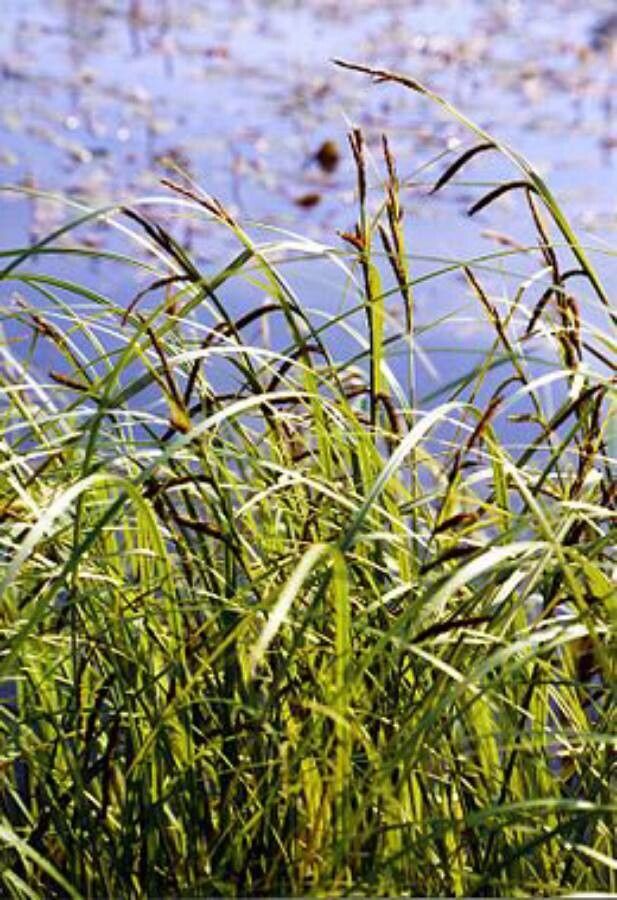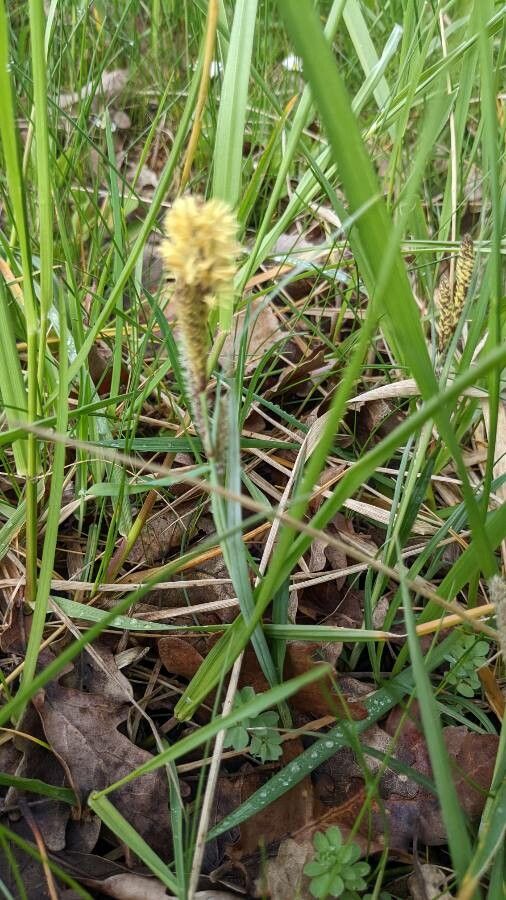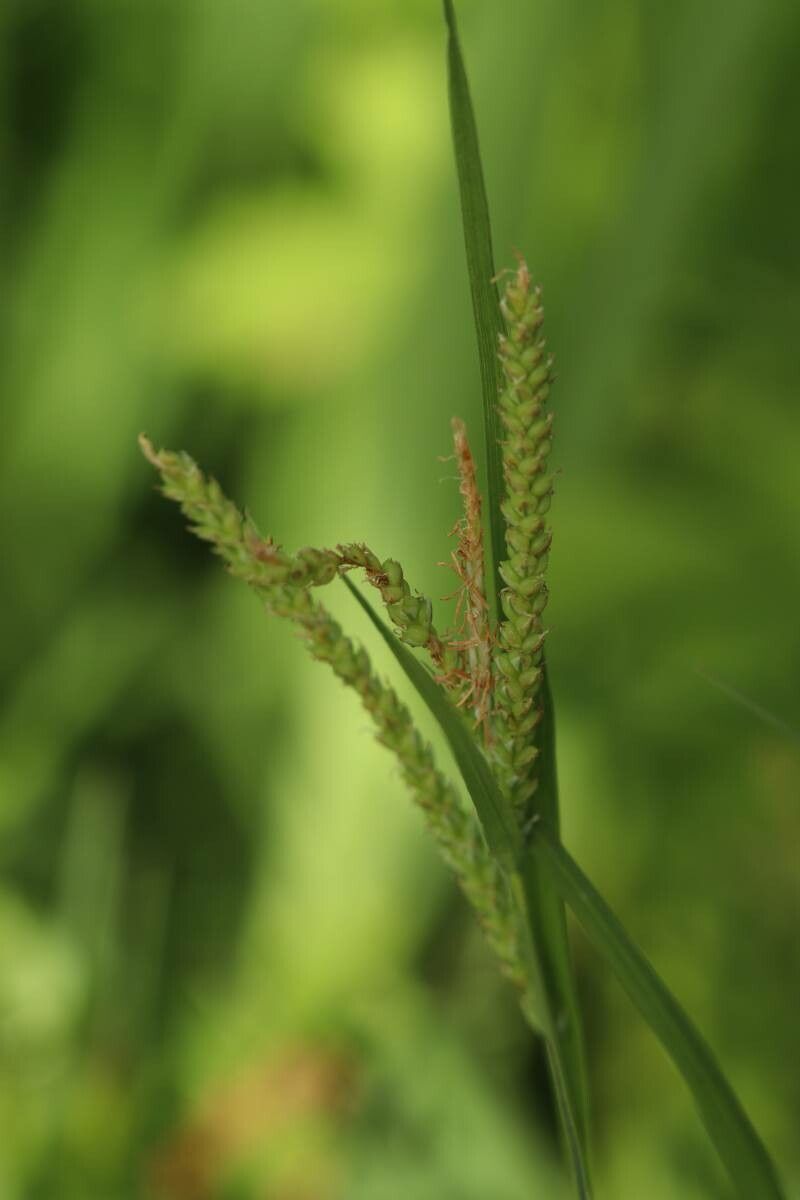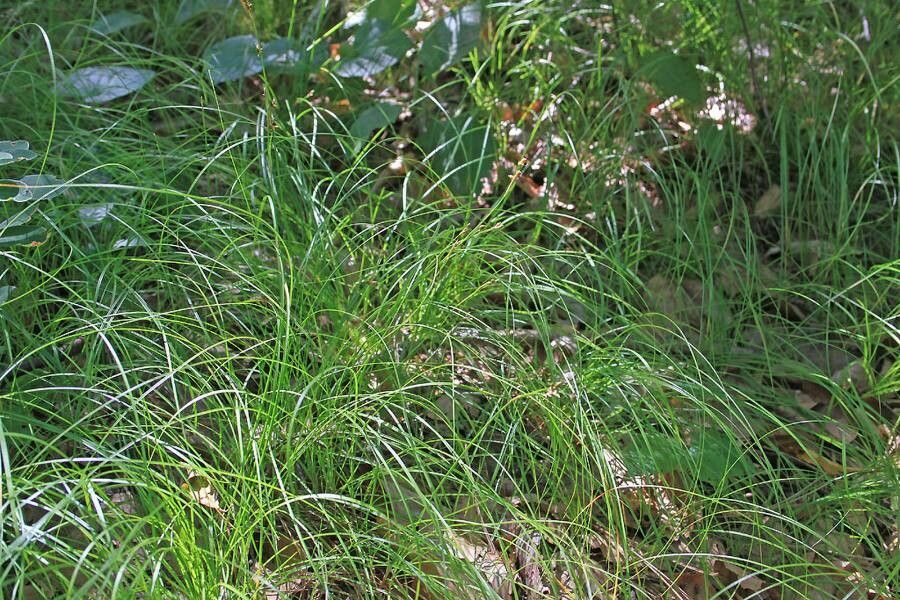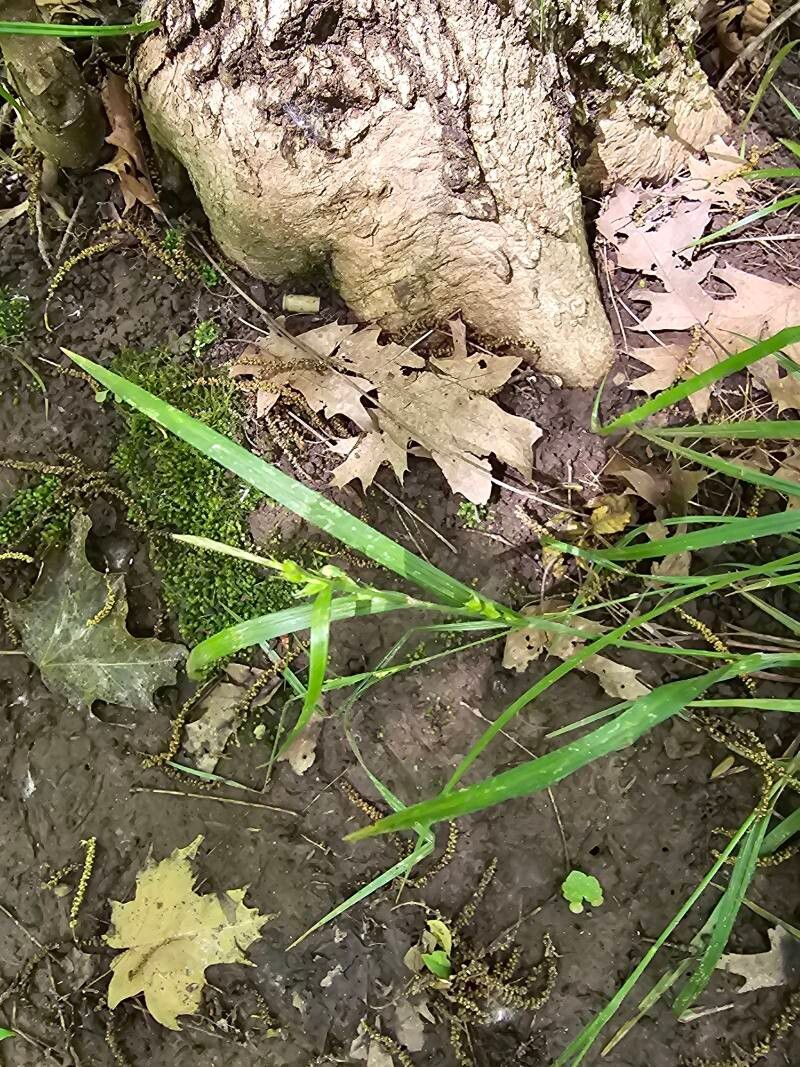
Carex laxiflora, commonly known as loose-flowered sedge, is a perennial plant that belongs to the family Cyperaceae. Native to North America, this plant thrives in wetlands, marshes, and along stream banks. It has a clumping growth habit and can grow up to 3 feet tall.
The leaves of Carex laxiflora are long, narrow, and dark green. The stems are triangular and support brownish-green flowers that bloom from May to July. These flowers are arranged in loose clusters at the top of the stem.
Carex laxiflora prefers moist soil but can tolerate some drought once established. It is an excellent choice for wetland restoration projects or as an ornamental grass for water gardens and rain gardens.
In 1754, Lin Nai established the genus known as "true sedge." This plant is a significant component of China's flora and is the dominant grass species in the lowest layer of many forests. In some areas, true sedge makes up most of the lower vegetation. FUN FACT · FROM THE LIBRARY
The plant provides habitat for various wildlife species, including birds, butterflies, and bees, which feed on its nectar-rich flowers or use it as shelter during nesting season.
Overall, Carex laxiflora is an attractive native grass that enhances landscape beauty while offering ecological benefits such as erosion control and water filtration. It is a great addition to any sustainable landscape design project.
How to keep Carex Laxiflora.
Light
Eastern narrowleaf sedge is naturally found in habitats such as forest understories or rocky areas, where it grows in natural shade. It prefers partial sun but can tolerate full sun or full shade, demonstrating its versatile and hardy nature.
Temperature
Eastern narrowleaf sedge can tolerate a wide range of temperatures, but its distribution may still be restricted by different combinations of moisture and heat. It performs best in warm summer conditions with sufficient rainfall or watering. Extended periods of cloudy, rainy weather, as well as prolonged high temperatures, can increase the risk of Eastern narrowleaf sedge dying. In winter, adequate protection from cold can boost the plant's survival rate.
Fertilizer
Eastern narrowleaf sedge needs extra nutrients to encourage healthy new growth. In spring, applying compost around the plant’s base will supply the nutrition it requires. Fertilizing supports vigorous growth and helps the plant resist diseases and pests.
Pruning
The broad loose-flower sedge features clump-forming, arching leaves and loose clusters of flowers. To maintain this plant, prune it in early spring by trimming away any dead foliage and cutting back old stems. This helps to shape the plant and improve air circulation. Be careful not to prune too heavily, as this can cause stress to the plant. Regular maintenance will promote healthy growth and enhance its appearance.
Botanical profile.
- Plant Type
- Grass
- Life Cycle
- Perennial
- Genus
- Carex
- Family
- Cyperaceae
- Hardiness Zone
- 4-9
- Mature Height
- 30 cm to 91 cm
- Mature Spread
- 20 cm to 40 cm
- Leaf Color
- Green
- Leaf Type
- Semi-evergreen
- Flower Size
- 0.20 cm to 0.25 cm
- Bloom Time
- Mid spring, Late spring
- Planting Time
- Spring, Summer, Autumn
- Harvest Time
- Early summer, Mid summer
Other names.
Reader questions.
What are the sunlight requirements for Broad loose-flower sedge (Carex laxiflora)?
Broad loose-flower sedge, known botanically as Carex laxiflora, thrives in various sunlight conditions. Plants flourishing under full sun exposure should receive above 6 hours of sunlight daily, ensuring robust growth and health. For those positioned in areas with partial sun, about 3-6 hours of sunlight is adequate. It's crucial to observe the movement of sunlight through your garden to locate the optimal spots that provide a harmonious balance of light and shade, thereby ensuring your plants' well-being and happiness.
What is the common name of Carex laxiflora?
The common name of Carex laxiflora is Broad loose-flower sedge.
What information is available about Broad loose-flower sedge?
Currently, there is no specific detailed information provided about Broad loose-flower sedge (Carex laxiflora) regarding its essentials or symptoms.