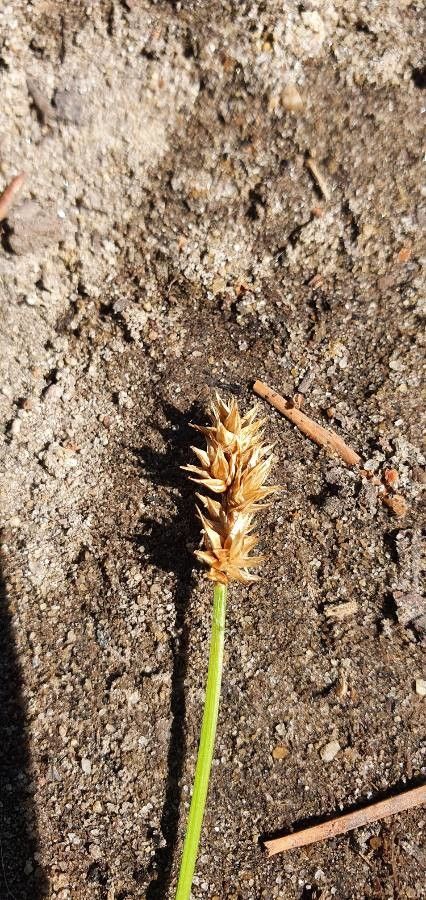
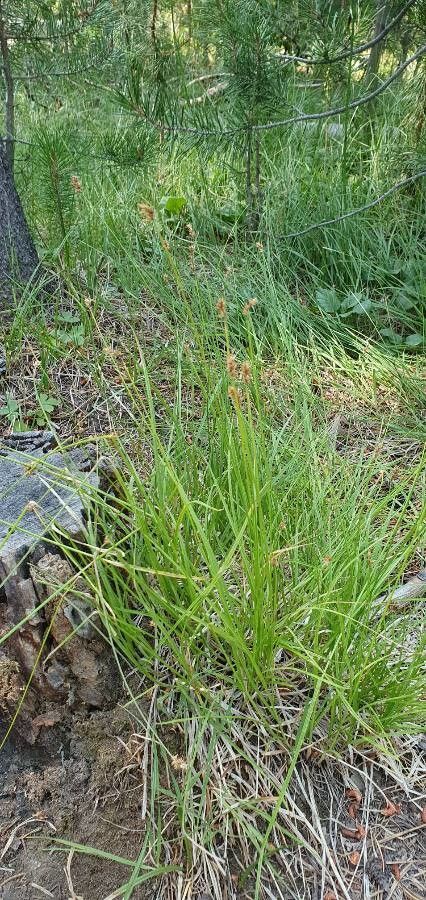
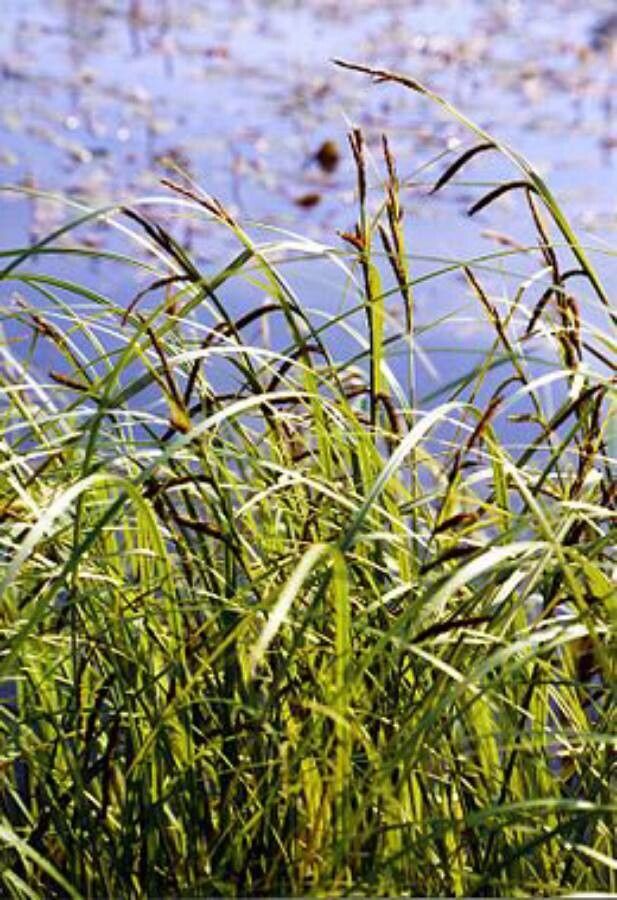
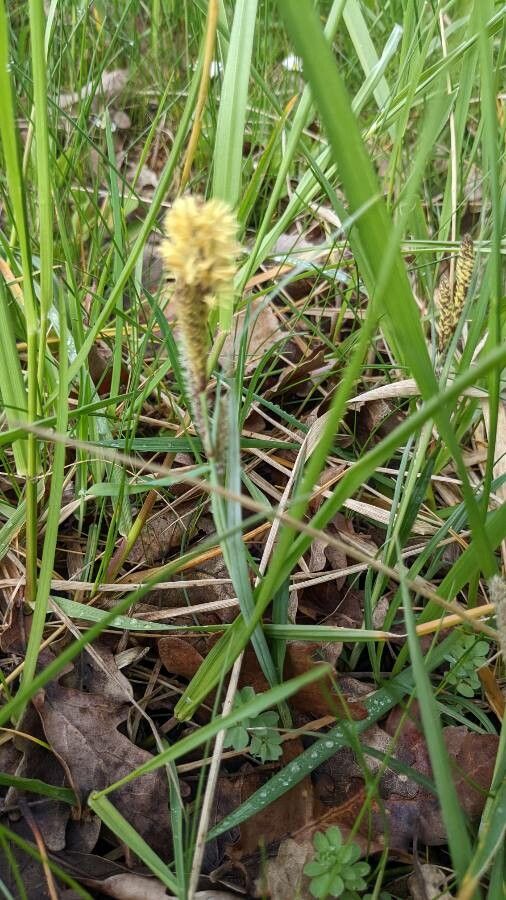
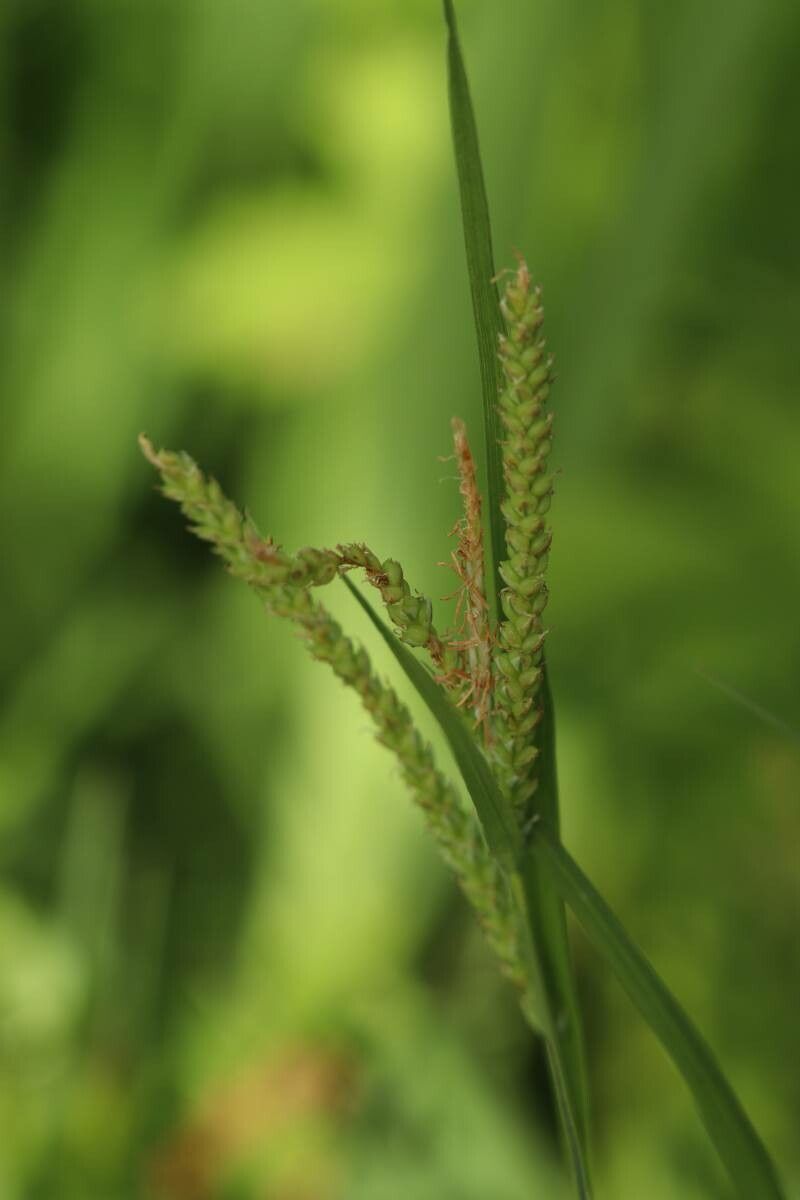
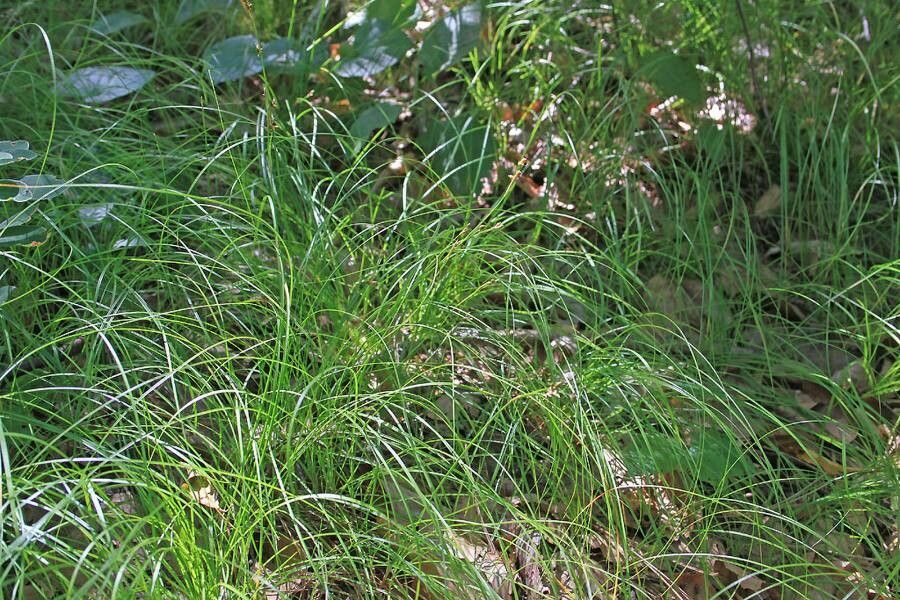
Carex hoodii is a species of sedge known by the common name Hood's sedge. It is native to western North America from Alaska to Nunavut to California to South Dakota, where it grows in dry to moist habitat in forests and on mountain slopes.
Hood's sedge is disease-resistant and typically not susceptible to illnesses. In terms of care, the plant is fairly low-maintenance. Planted outdoors, it needs only minimal watering, and larger specimens usually do not require pruning. However, smaller plants should be trimmed after they have finished blooming. Hood's sedget is appropriate for anyone with an outdoor area, such as a garden or deck, and does not need extensive care experience.
How to keep Carex Hoodii.
Light
Hood's sedge does best with plentiful sunlight, which promotes healthy growth and development. Too little light can impede its growth, while too much can be tolerated because of its inherent adaptability. In the wild it is commonly found in brightly lit areas, showing its resilience to sunny, variable conditions.
Water
Hood's sedge, which comes from moist, temperate regions, thrives in well-hydrated soil and has a moderate tolerance for drought. Watering the plant once a week is ideal for maintaining its health. It is best to cultivate hood's sedge outdoors so it can benefit from natural rainfall and the changing temperatures of the seasons, which affect its hydration requirements.
Temperature
Hood's sedge is typically found in environments with temperatures ranging from 68 to 100.4 °F (20 to 38 °C). In summer, consider moving it to a cooler location. Excessive heat can cause stress.
Fertilizer
Hood's sedge needs extra nutrients to encourage healthy new growth. In spring, applying compost around the plant's base will supply the nutrition it requires. Fertilizing helps maintain vigorous growth and increases the plant's resistance to diseases and pests.
Botanical profile.
- Plant Type
- Grass
- Life Cycle
- Perennial
- Genus
- Carex
- Family
- Cyperaceae
- Hardiness Zone
- 11
- Mature Height
- 76 cm
- Mature Spread
- 20 cm to 40 cm
- Leaf Color
- Dark Green
- Leaf Type
- Evergreen
- Flower Color
- Yellow, Green, Brown
- Bloom Time
- Mid spring, Late spring
- Planting Time
- Spring, Summer, Autumn
- Harvest Time
- Early summer, Mid summer
Other names.
Reader questions.
What are the sunlight requirements for Hood's sedge?
Hood's sedge requires various amounts of sunlight depending on its placement. For optimal growth, it thrives in full sun, which means it needs above 6 hours of sunlight daily. However, it can also grow in partial sun, necessitating about 3-6 hours of sunlight. It's crucial to watch how sunlight moves through your garden to ensure your Hood's sedge gets the perfect balance of light and shade, ensuring its happiness and health.
What is the optimal temperature range for Hood's sedge?
Hood's sedge thrives in environments where temperatures range from 68 to 100.4 °F (20 to 38 °C). To ensure the plant's well-being, it's beneficial to adjust its location during the summer to avoid excessive heat, which can cause stress. It's extremely important to protect Hood's sedge from cold temperatures, as they can cause harm to the plant. During autumn, moving outdoor-grown Hood's sedge indoors to a location near a bright window is recommended, maintaining a safe distance from heaters to avoid damage. Keeping the environment above 20°C during winter supports the plant's growth, while temperatures nearing 10°C or lower are detrimental.
How does Hood's sedge respond to different light conditions?
Hood's sedge grows best under abundant sunlight, which fosters its wellness and growth. Insufficient sunlight may hinder its growth, but the plant's innate adaptability allows it to manage overexposure to some extent. In its natural habitat, Hood's sedge is accustomed to areas with generous sunlight, showcasing its tolerance for such conditions. Additionally, for indoor plants, artificial lighting can be a vital solution during winter or in less sunny spaces, with LED lights being a popular choice due to their ability to provide specific wavelengths needed by plants.
What are the symptoms of low temperature damage on Hood's sedge, and how can it be treated?
Hood's sedge prefers warm temperatures and does not tolerate low temperatures well. It thrives best when the temperature is above 20°C and should be kept above 10°C during winter. Exposure to temperatures below 5°C may result in the leaves lightening in color. Following frost damage, the plant's color can turn brown or black, and it may show symptoms such as wilting and drooping. To treat frost damage, trim off the frost-damaged parts and move the plant to a warm indoor environment for protection against cold. Placing the plant near a south-facing window ensures it receives ample sunlight while avoiding proximity to heaters or air conditioning vents to prevent excessive dryness.
What are the symptoms of inadequate lighting for Hood's sedge?
When Hood's sedge is exposed to inadequate lighting, several symptoms may appear indicating light deficiency. These include smaller new leaves compared to mature ones, leggy or sparse growth, faster leaf drop, slower or halted new growth, lighter-colored new leaves, chlorosis, sunscald, leaf curling, wilting, and leaf scorching. These symptoms signify that the plant is struggling to photosynthesize efficiently due to insufficient light.
How should I care for Hood's sedge in high temperature conditions?
During summer, it's crucial to keep Hood's sedge in conditions below 38°C to prevent heat stress. When temperatures exceed 43°C, the plant is more likely to suffer from lighter leaf color and sunburn. To mitigate damage from high temperatures, trim away sunburned and dried-up parts of the plant. Relocate the plant to a shaded area, especially from the midday and afternoon sun, to prevent further sunburn. Watering the plant in the morning and evening helps keep the soil moist and supports the plant's health in high temperatures.
What are some solutions for Hood's sedge suffering from inadequate light?
For Hood's sedge experiencing inadequate light, there are several solutions to ameliorate the condition. Indoors, gradually moving the plant to a sunnier location each week until it receives at least 6 hours of direct sunlight daily is beneficial. A south-facing window with open curtains during the day maximizes sunlight exposure. For immovable plants, using artificial light for at least 8 hours daily can provide additional light. Outdoors, the gradual relocation to sunnier spots allows adaptation without shock. It's essential to reduce obstructions like overhanging branches and, if possible, transplant smaller plants during their dormant period to locations with ample sunlight and good drainage. Note that parts of the plant damaged by insufficient sunlight may not recover, but new growth following increased light exposure will be healthy.