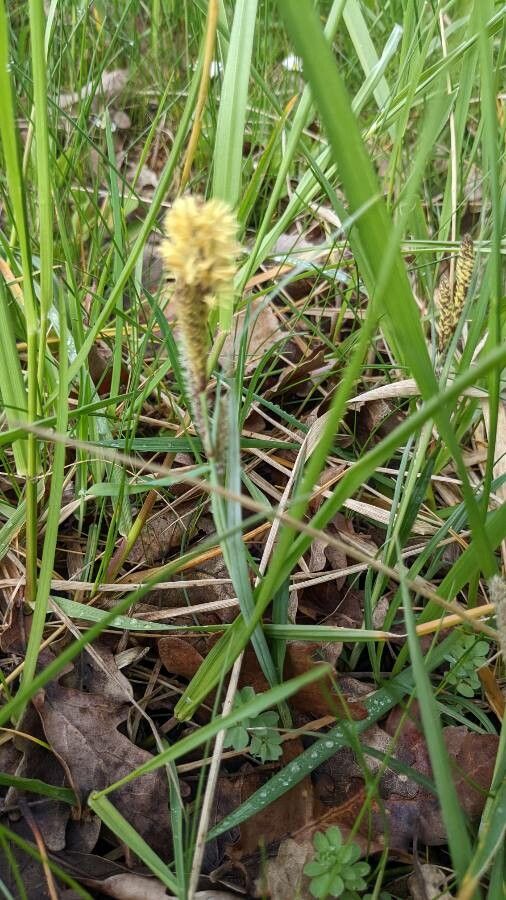
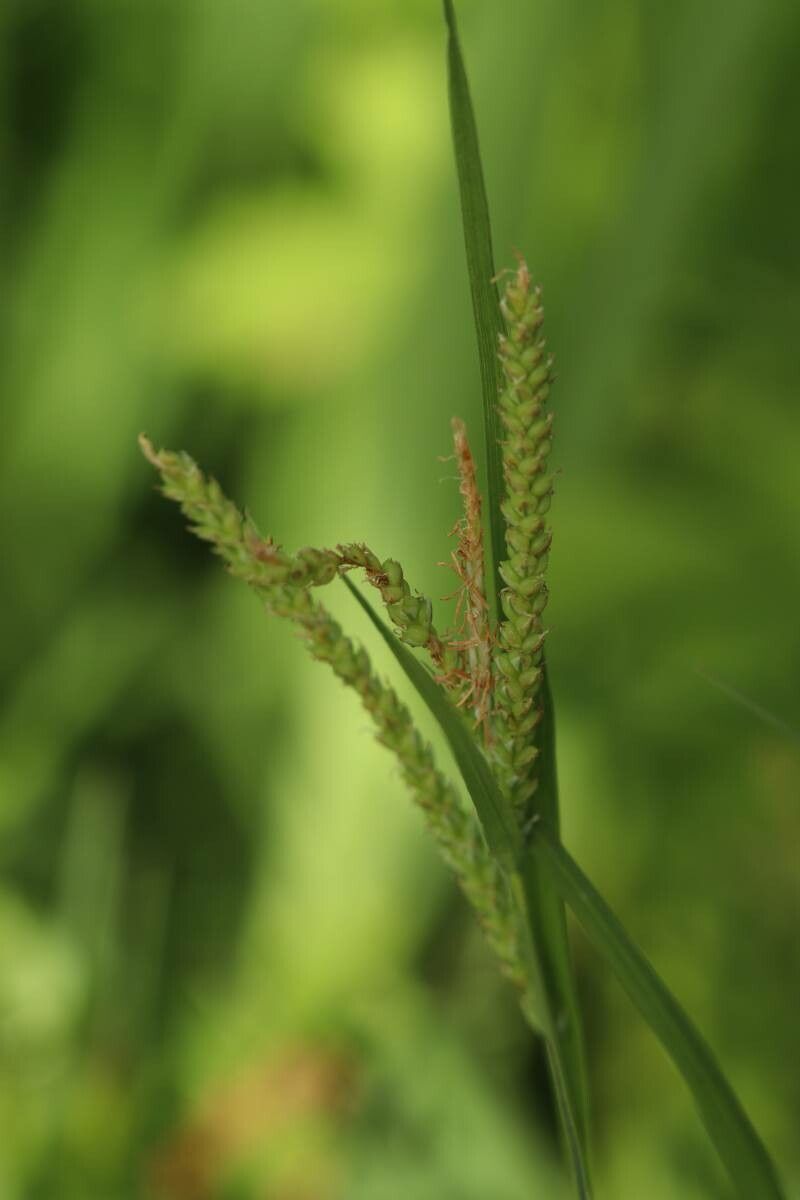
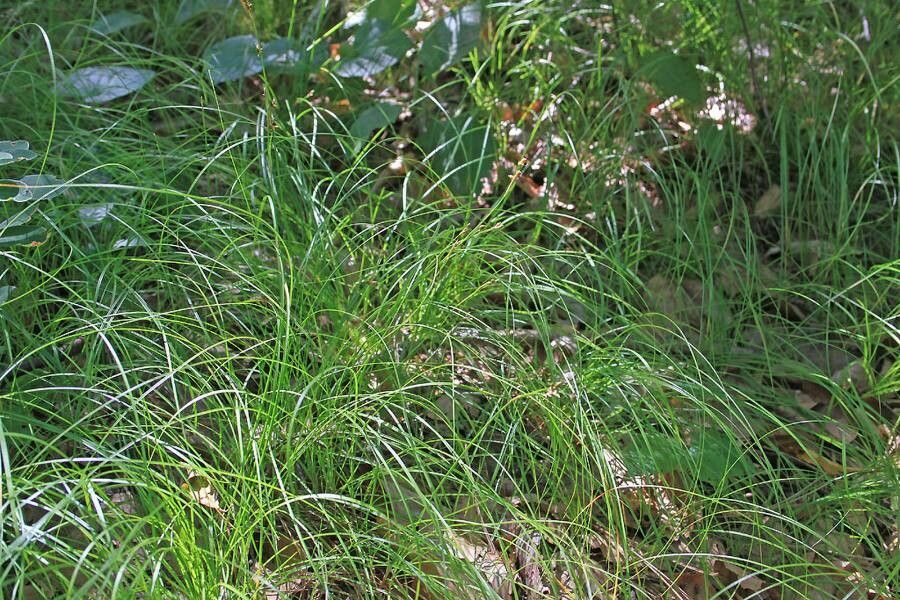
Carex hitchcockiana, common name Hitchcock's sedge, is a Carex species that is native to North America. It is listed as endangered in Maryland, as threatened in New York and Tennessee, and as a species of special concern in Connecticut and Massachusetts.
Hitchcock's sedge is highly resistant to disease and typically does not suffer from illnesses. Care-wise, the plant is fairly low-maintenance. Planted outdoors it needs only minimal watering, and larger specimens generally do not require pruning. Smaller plants, however, should be trimmed after they finish blooming. Hitchcock's sedge is suitable for anyone with an outdoor area, such as a garden or deck, and does not demand much gardening experience.
How to keep Carex Hitchcockiana.
Light
Hitchcock's sedge is indigenous to habitats like forest understories or stony locations where it is naturally shadowed. It favors conditions of partial sunlight, though it is capable of adapting to complete sunlight or full shade, illustrating its adaptable and robust characteristics.
Temperature
The Hitchcock's sedge is capable of adapting to various temperature conditions, yet its dispersion might be restricted due to the varied combination of heat and water circumstances. It flourishes optimally in the summer when the climate is warm and with sufficient rain or irrigation. Extended durations of overcast and rainy weather, along with prolonged high temperatures, can elevate the chances of the Hitchcock's sedge demise. Insulating the plant properly against winter cold can enhance its chances of avoiding death.
Fertilizer
Hitchcock's sedge necessitates supplementary nourishment to encourage robust fresh sprouting. As springtime rolls around, if compost is applied to the plant's base, it can proficiently supply the crucial nutrients it craves. Fertilization plays an integral role in endorsing dynamic growth and assists the vegetation in warding off illnesses and bugs.
Pruning
Hitchcock's sedge features dense clumps and slender leaves. To encourage fresh growth and improve air circulation, prune the old foliage back to the ground in early spring. This practice not only supports the plant's growth cycle but also enhances its ornamental appearance. Be sure to use clean, sharp tools when pruning.
Botanical profile.
- Plant Type
- Grass
- Life Cycle
- Perennial
- Genus
- Carex
- Family
- Cyperaceae
- Hardiness Zone
- 4-8
- Mature Height
- 15 cm to 61 cm
- Mature Spread
- 30 cm to 61 cm
- Leaf Color
- Green, Dark Green
- Leaf Type
- Semi-evergreen
- Flower Color
- White
- Flower Size
- 0.20 cm to 0.25 cm
- Bloom Time
- Mid spring, Late spring
- Planting Time
- Spring, Autumn
- Harvest Time
- Early summer, Mid summer
Other names.
Reader questions.
What are the sunlight requirements for Hitchcock's sedge (Carex hitchcockiana)?
Hitchcock's sedge, or Carex hitchcockiana, thrives in areas that meet its specific sunlight requirements. For optimal growth, this plant needs full sun exposure, which means it should receive more than 6 hours of sunlight daily. However, it can also adapt to partial sun conditions, requiring approximately 3-6 hours of sunlight each day. It's important to observe the movement of sunlight through your garden carefully, selecting locations that offer the right balance of light and shade to ensure the well-being of your plants.