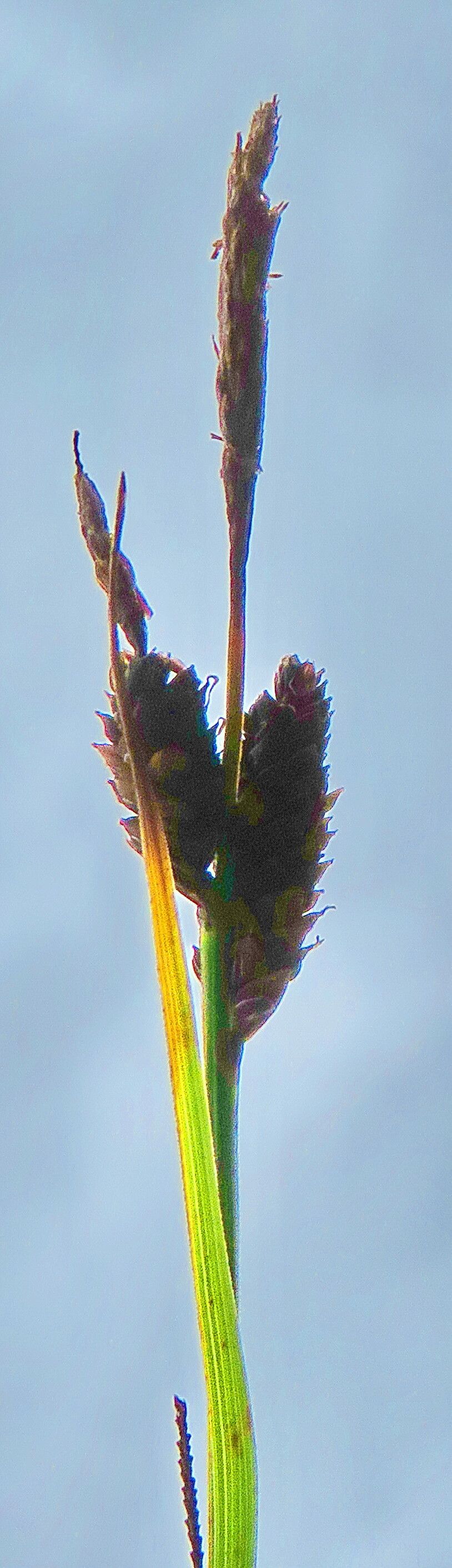
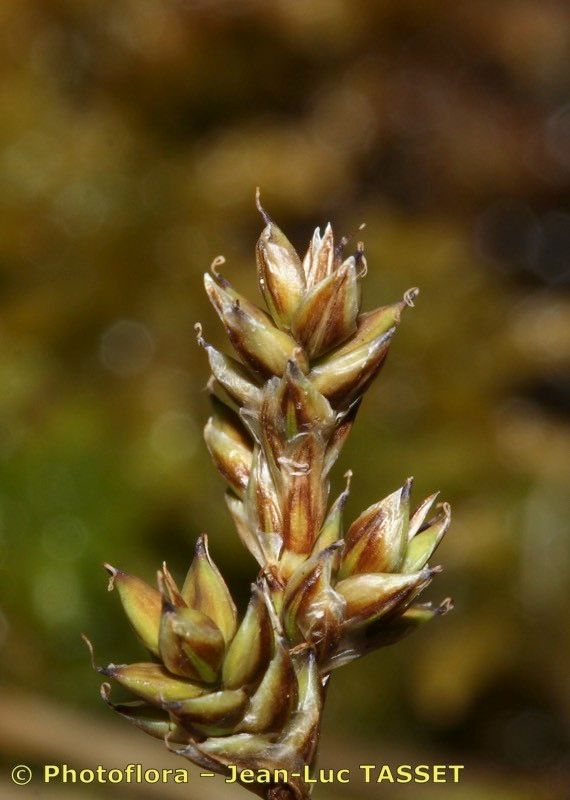
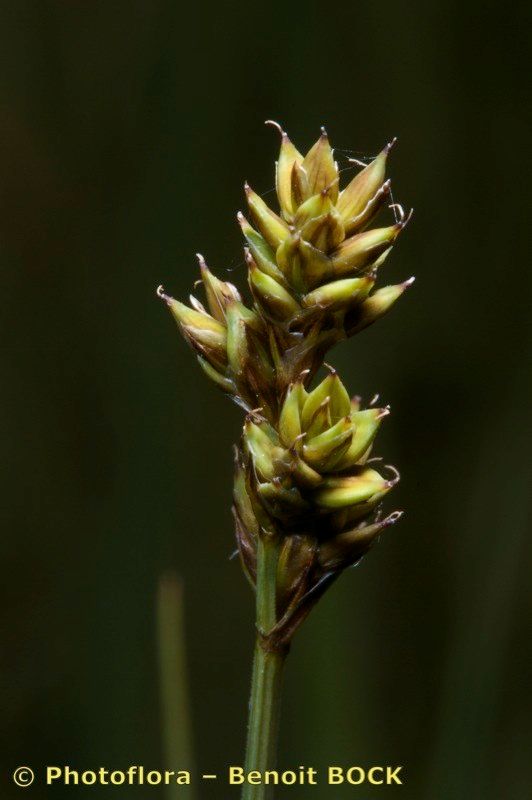
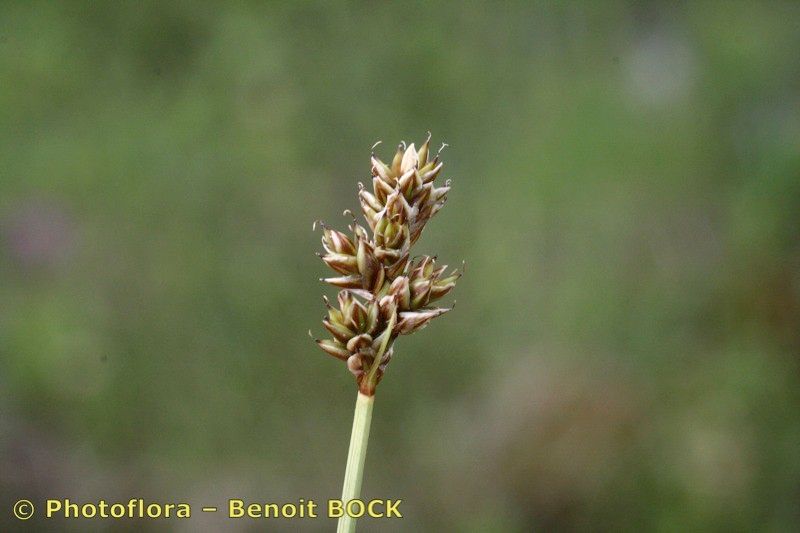
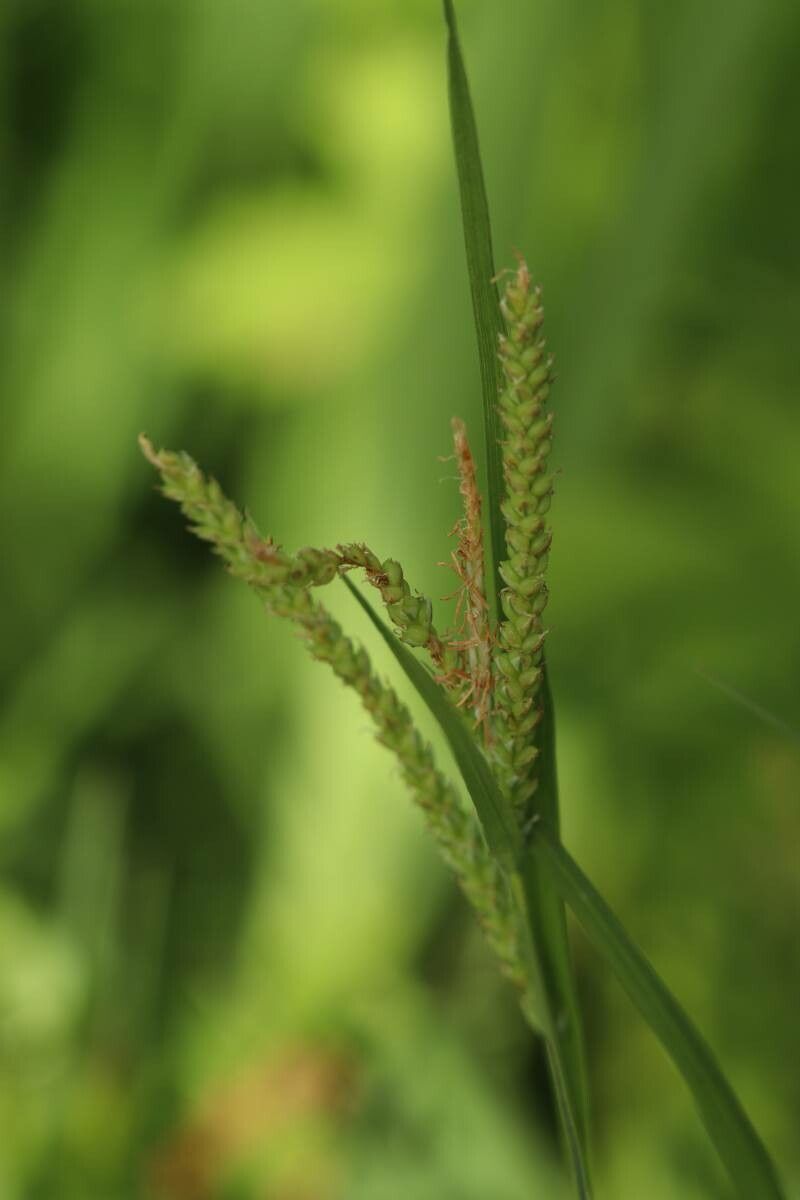
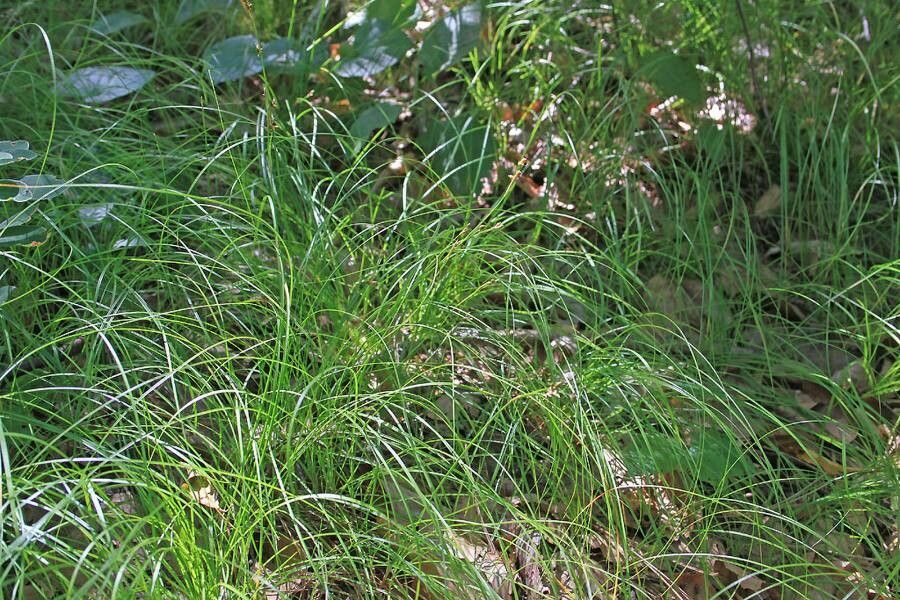
Carex heleonastes is a species of flowering plant belonging to the family Cyperaceae.Its native range is Europe to Russian Far East, Canada.
Hudson bay sedge is resistant to disease and is generally unlikely to develop illnesses. As for care, the plant is fairly low-maintenance. Planted outdoors it needs only minimal watering, and larger specimens usually do not require pruning. Smaller plants, however, should be pruned after they finish blooming. Hudson bay sedge is appropriate for anyone with an outdoor area, such as a garden or deck, and does not demand much gardening experience.
How to keep Carex Heleonastes.
Light
Hudson bay sedge occurs naturally in habitats like forest understories and rocky areas, where it grows in natural shade. It prefers partial sun but can tolerate full sun or full shade, reflecting its versatility and hardiness.
Temperature
Hudson Bay sedge does best in cold areas and at high altitudes. It prefers cool temperatures, good airflow, and a moist environment. In summer, steps should be taken to keep it cool because it is highly sensitive to heat and can easily die. Dry conditions can also be damaging. In winter, no special cold protection is necessary, but maintaining soil moisture is important.
Fertilizer
Hudson bay sedge needs extra nutrients to encourage healthy new growth. In spring, placing compost around the base of the plant will effectively supply the required nourishment. Fertilizing supports vigorous growth and helps the plant resist diseases and pests.
Botanical profile.
- Plant Type
- Grass
- Life Cycle
- Perennial
- Genus
- Carex
- Family
- Cyperaceae
- Hardiness Zone
- 3-7
- Mature Height
- 10 cm to 30 cm
- Mature Spread
- 10 cm to 20 cm
- Leaf Color
- Light Green, Olive Drab
- Leaf Type
- Evergreen
- Flower Size
- 0.20 cm to 0.25 cm
- Bloom Time
- Late spring, Early summer
- Planting Time
- Spring, Summer, Autumn
- Harvest Time
- Mid summer, Late summer
Other names.