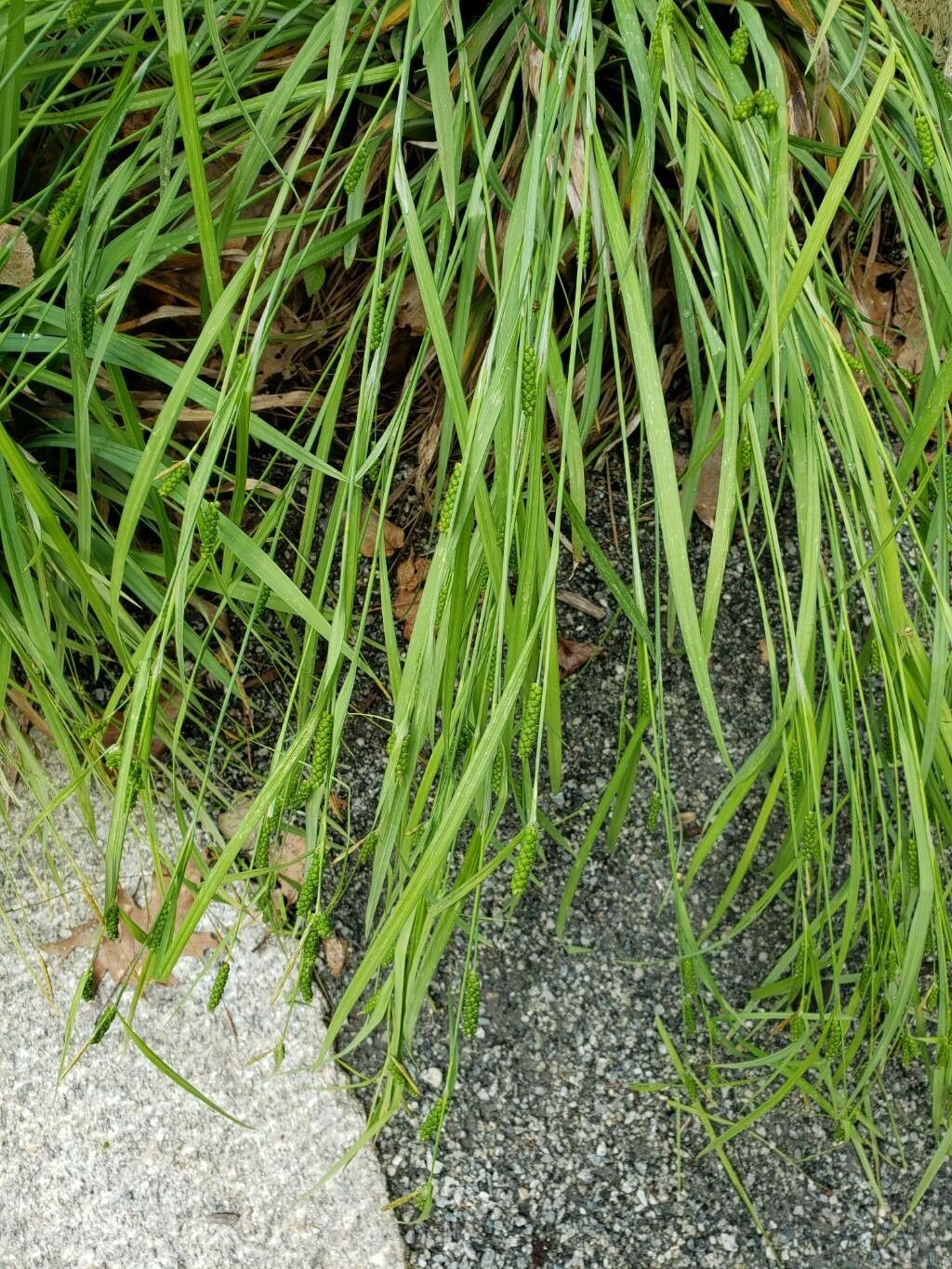
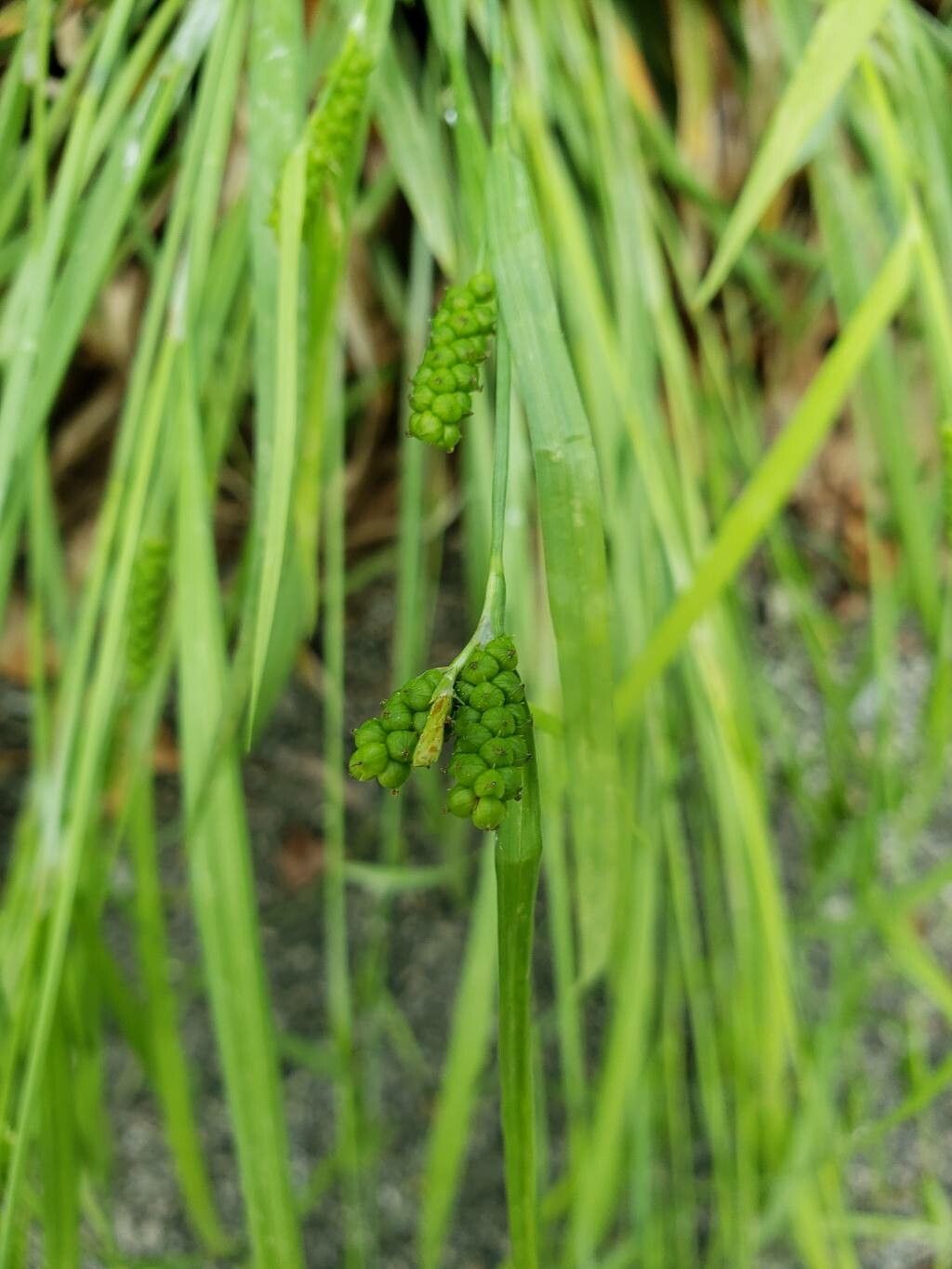
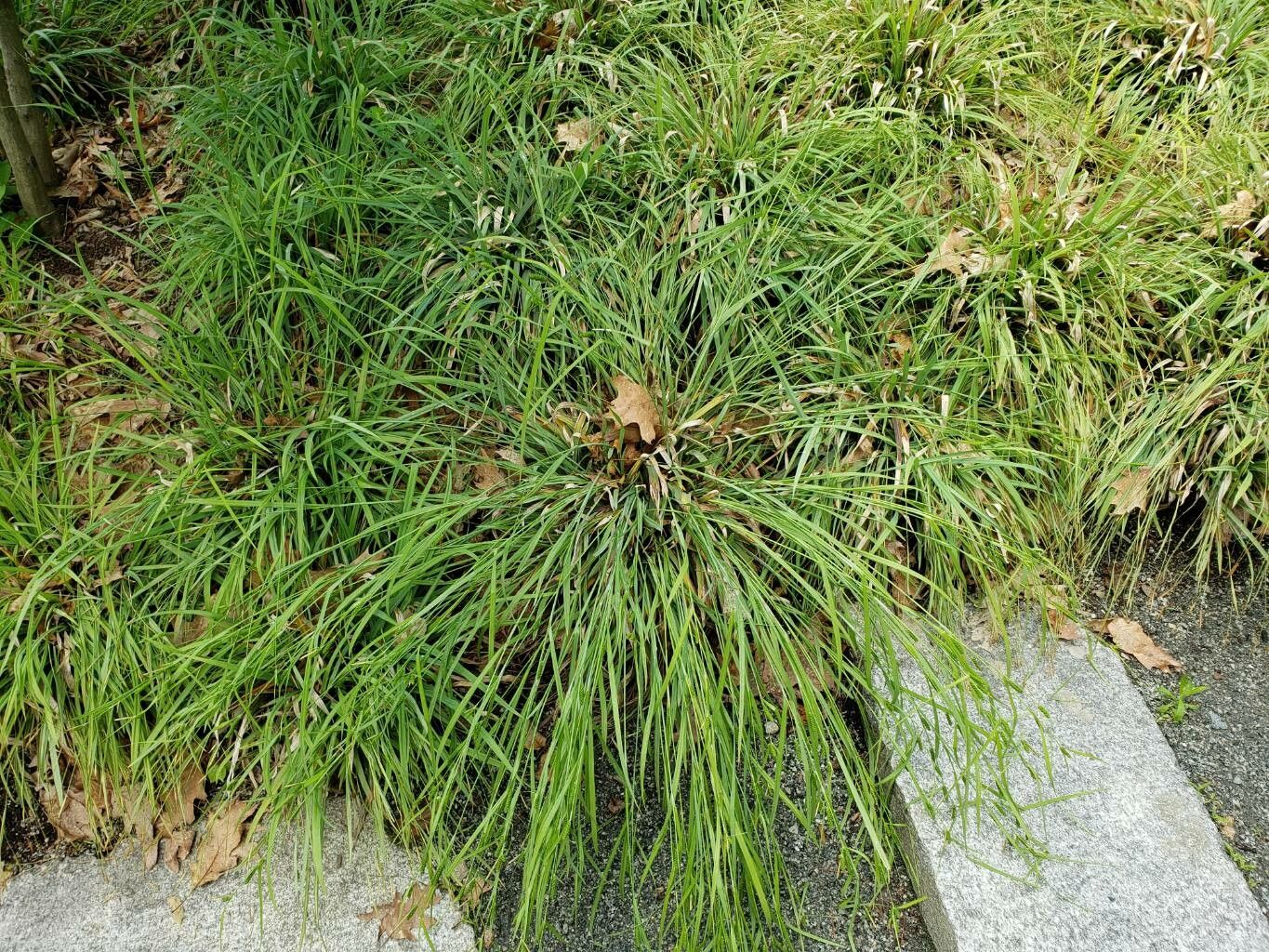
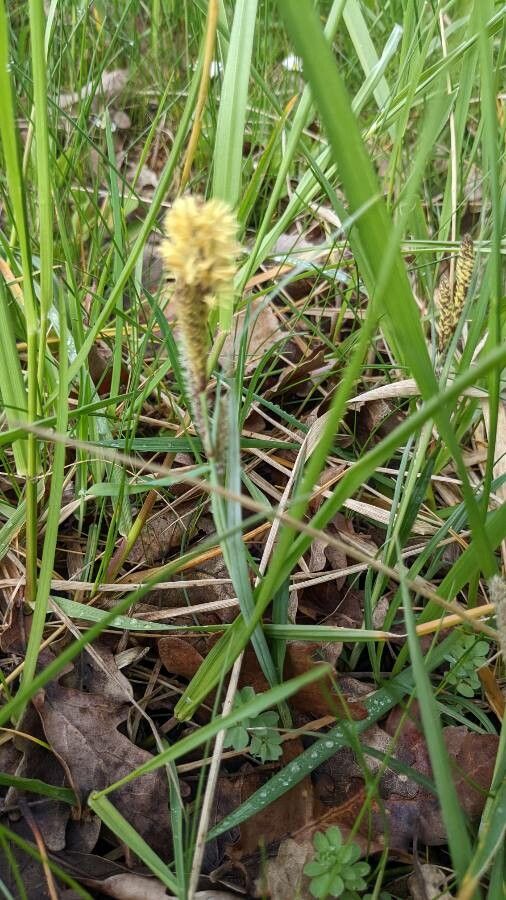
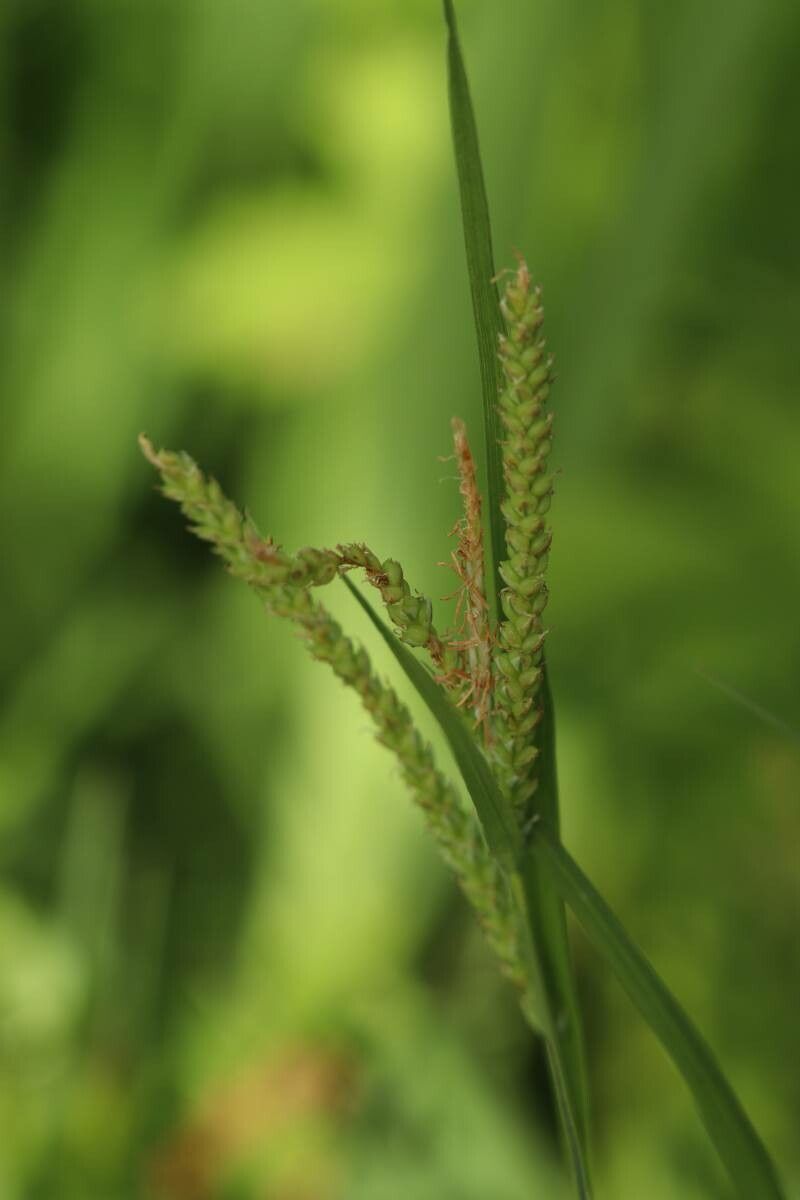
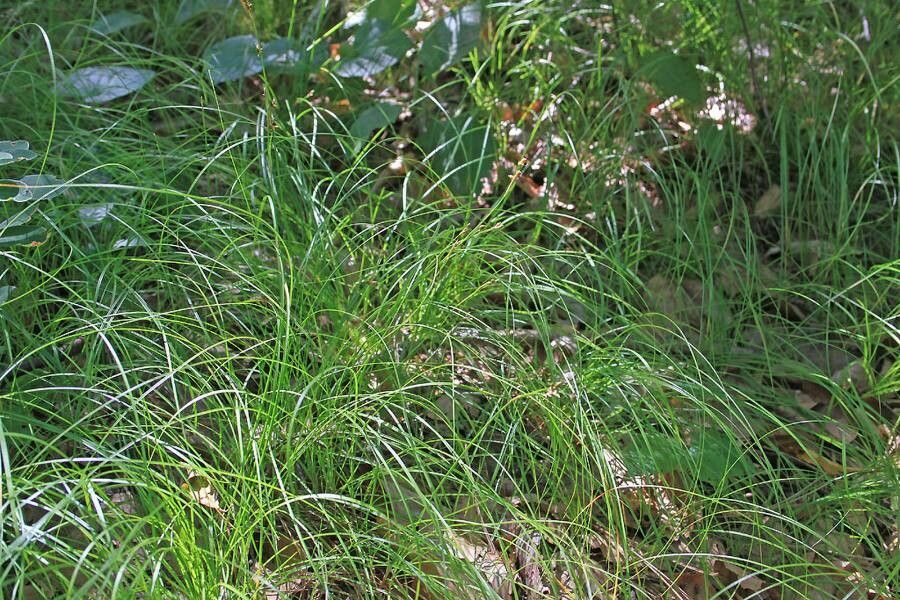
Carex granularis, the limestone meadow sedge, is a widespread species of flowering plant in the family Cyperaceae, native to Canada and the United States east of the Rockies. As its common name suggests, it prefers wet areas and can tolerate alkaline conditions.
Limestone meadow sedge is resistant to disease and is generally not susceptible to illnesses. Regarding care, this plant is fairly low-maintenance. When grown outdoors it needs little watering, and larger specimens typically do not require pruning. However, smaller plants should be pruned after they have finished blooming. Limestone meadow sedget is suitable for anyone with outdoor space, such as a garden or deck, and does not demand extensive care experience.
How to keep Carex Granularis.
Light
Limestone meadow sedge does best in places where direct overhead sun can bathe its leaves all day. It grows more vigorously when it regularly receives plenty of sunlight. Since it does not need shade, low light does not affect it. Its native habitat is sunny meadows, reflecting its preference for well-lit areas. Neither too little nor too much light noticeably affects the plant's health.
Water
The limestone meadow sedge originates from moist meadows and riverbanks, making it well-suited to consistently wet environments. To keep the soil adequately moist without becoming waterlogged, it should be watered weekly. This plant is usually grown outdoors, where natural rainfall during its active growing season helps maintain its lush foliage.
Temperature
Limestone meadow sedge is native to regions where temperatures range from 32 to 90 °F (0 to 32 ℃), which suggests it favors cooler climates. Adjustments should be timed to seasonal changes by replicating its natural cool conditions.
Fertilizer
Limestone meadow sedge benefits from extra nutrients to encourage healthy new growth. In spring, applying compost around the plant’s base will supply the required nourishment. Fertilizing supports vigorous growth and helps the plant resist diseases and pests.
Pruning
The limestone meadow sedge flourishes in moist, well-drained soils and is characterized by its slender, arching leaves. To promote healthy growth, prune any dead leaves and stems in early spring. This practice helps improve air circulation, reduces the risk of disease, and enhances the plant's appearance. For detailed advice, consult local horticultural resources.
Botanical profile.
- Plant Type
- Grass
- Life Cycle
- Perennial
- Genus
- Carex
- Family
- Cyperaceae
- Hardiness Zone
- 3-7
- Mature Height
- 15 cm to 61 cm
- Mature Spread
- 30 cm
- Leaf Color
- Green, Blue
- Leaf Type
- Semi-evergreen
- Flower Size
- 0.20 cm to 0.25 cm
- Bloom Time
- Mid spring, Late spring
- Planting Time
- Spring, Summer, Autumn
- Harvest Time
- Early summer, Mid summer
Other names.
Reader questions.
What are the sunlight requirements for Limestone meadow sedge?
Limestone meadow sedge, also known as Carex granularis, thrives in full sun conditions, flourishing with more than 6 hours of sunlight daily. It can also handle partial sun, about 3-6 hours of sunlight. Originating from sun-soaked meadows, this plant prefers well-lit environments and can perform robustly with ample regular sunlight. It's important to observe your garden's sunlight patterns to choose the best spots that provide a balance of light and shade, ensuring your plant's happiness.
What is the native climate of Limestone Meadow Sedge?
Limestone Meadow Sedge, botanically known as Carex granularis, thrives in cooler climates native to areas with temperatures ranging between 32 to 90 °F (0 to 32 °C). This plant adapts well to seasonal variations and prefers environments that mimic its natural cool habitat. It exhibits high tolerance to cold without the need for additional frost protection measures during winter. To prepare for the winter season, it is recommended to water the plant generously before the first freeze in autumn, ensuring the soil remains moist and enters a frozen state. This preventive measure aids in reducing the risk of drought and water scarcity for the plant during the colder months and early spring.
What is essential for the growth of Limestone meadow sedge?
For optimal growth, Limestone meadow sedge requires locations where it can receive an ample amount of sunlight throughout the day. It doesn't necessarily need shade and is unaffected by low-light conditions, thanks to its origin in sun-drenched meadows. In cases where natural sunlight is insufficient, especially indoors or during less sunny seasons, artificial lighting such as LED lights are beneficial. These can be customized to provide specific wavelengths, with full sun plants needing 30-50W/sq ft, partial sun plants 20-30W/sq ft, and full shade plants 10-20W/sq ft of light, ideally placed 12-36 inches above the plant for 8-12 hours per day.
How does Limestone Meadow Sedge react to low temperatures?
Limestone Meadow Sedge shows an incredible tolerance to cold temperatures, capable of withstanding winter conditions above -35°C. Despite its resilience, extreme cold below this threshold might not visibly affect the plant during winter but can lead to decreased sprouting or a complete lack of sprouting in the following spring. To mitigate this, it is advised to remove any parts of the plant that have failed to sprout once spring arrives.
What are the symptoms of insufficient light in Limestone meadow sedge?
Symptoms of light deficiency in Limestone meadow sedge might not be immediately noticeable but can include the development of small leaves compared to older ones, leggy or sparse growth, faster leaf drop, and slower or halted new growth. Leaves may also appear lighter in color or exhibit chlorosis, turning yellow due to a lack of chlorophyll. In cases of excessive sunlight, symptoms like sunscald, leaf curling, wilting, and leaf scorching can occur, indicating damage from overexposure to sunlight.
What should I do if Limestone Meadow Sedge is exposed to high temperatures?
Limestone Meadow Sedge is sensitive to high temperatures, particularly those exceeding 32°C, where its growth may cease, and it becomes more prone to rot. In such cases, it's important to trim away the sunburned and dried-up parts of the plant. Moving the plant to a location that provides shade during the midday and afternoon sun or employing a shade cloth can offer protection. Additionally, watering the plant in the morning and evening can help keep the soil moist and support the plant's health under high temperature stress.
How can you address sunlight-related issues in Limestone meadow sedge?
To address insufficient sunlight, gradually move Limestone meadow sedge to sunnier spots, ensuring it receives at least 6 hours of direct sunlight daily. For indoor plants that are large or not easily movable, supplement with artificial light for at least 8 hours daily or invest in professional grow lights. If relocating outdoor plants, do it gradually to avoid sunburn. It's essential to reduce obstructions like overhanging tree branches and consider transplanting smaller plants during their dormant phase to brighter locations with good drainage. Note that parts of the plant affected by insufficient sunlight may not recover, but new growth should be healthy with improved light exposure.