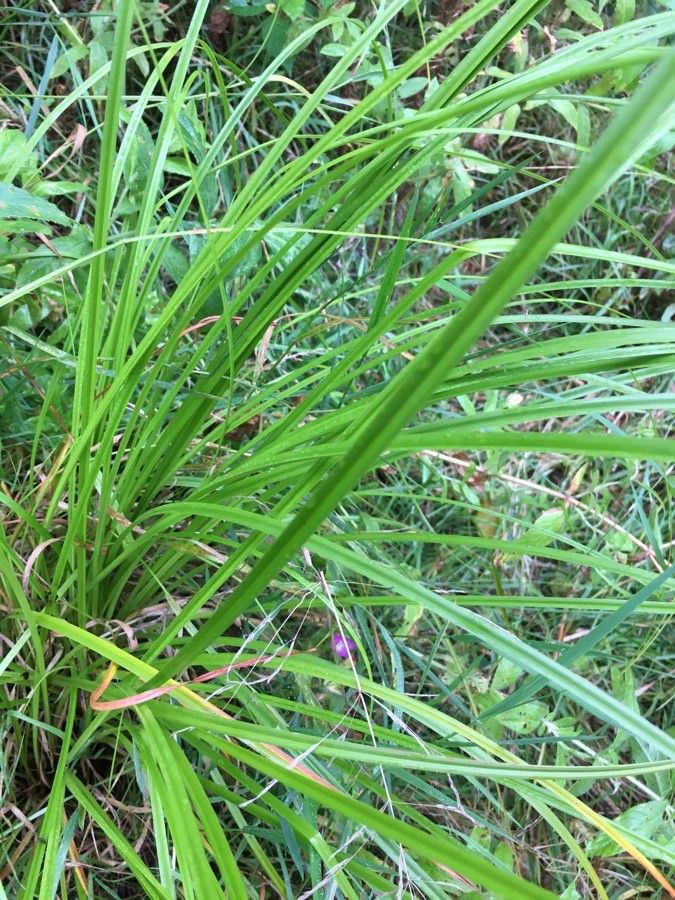
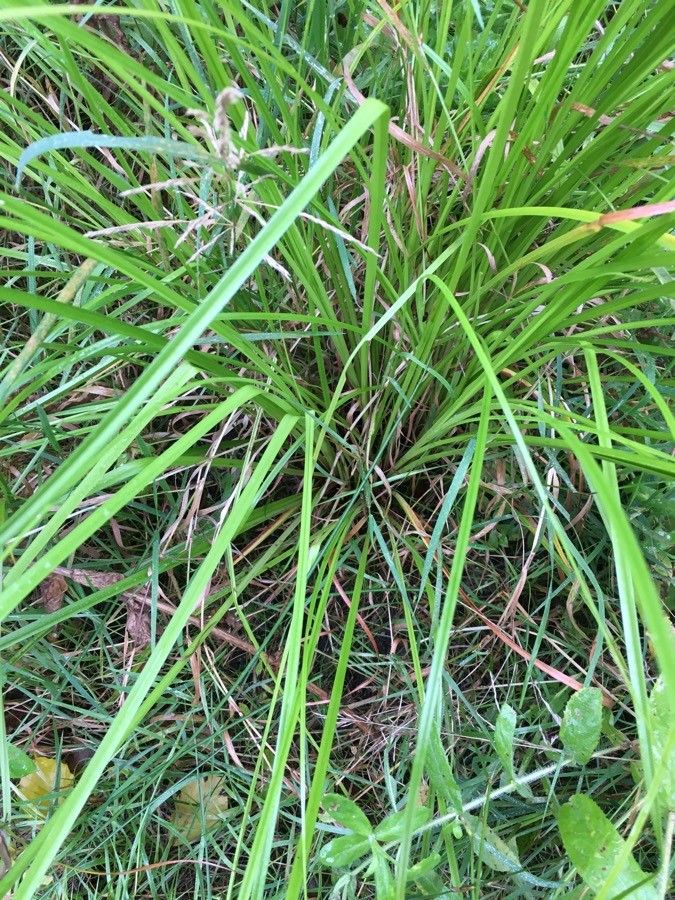
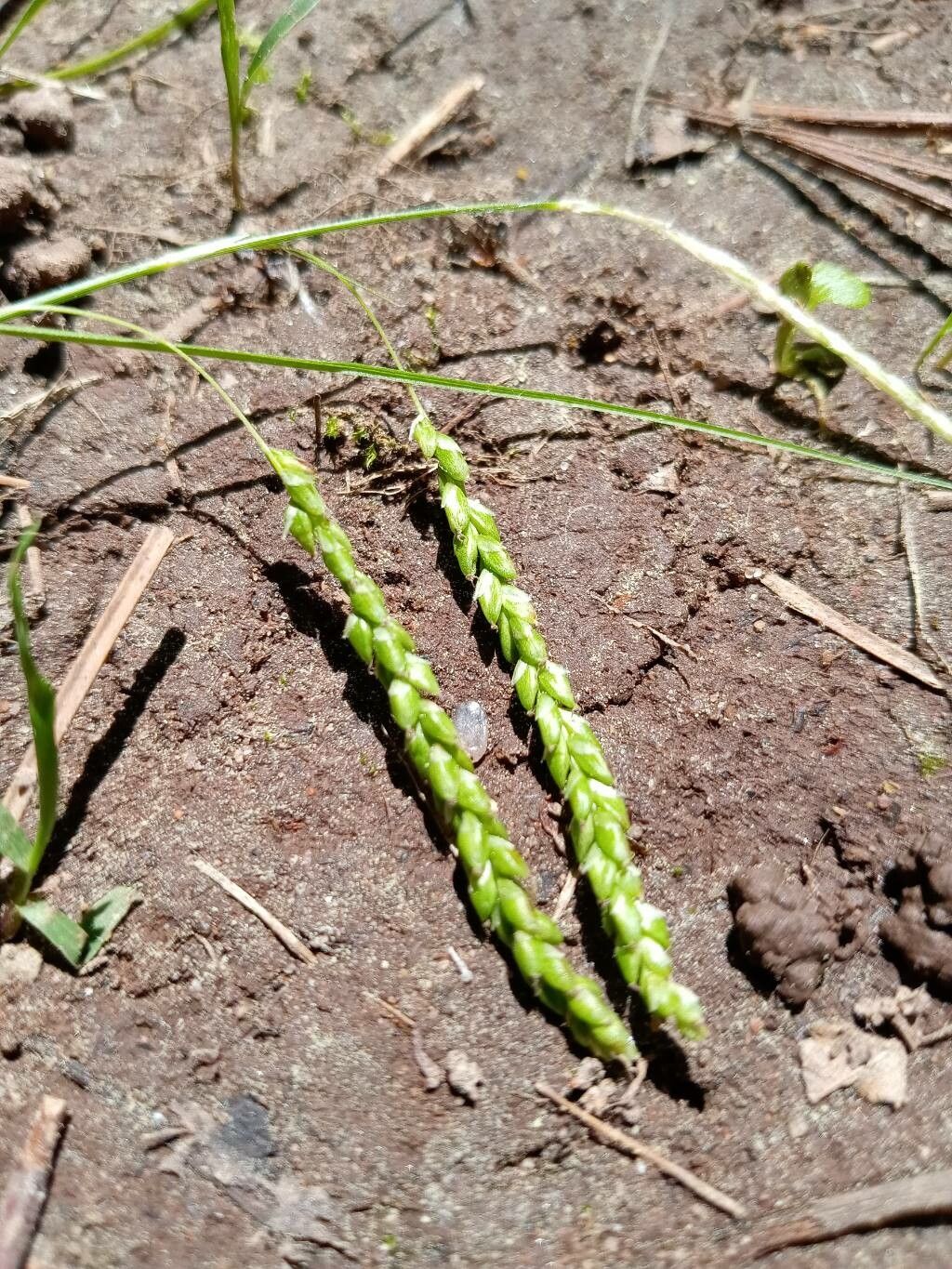
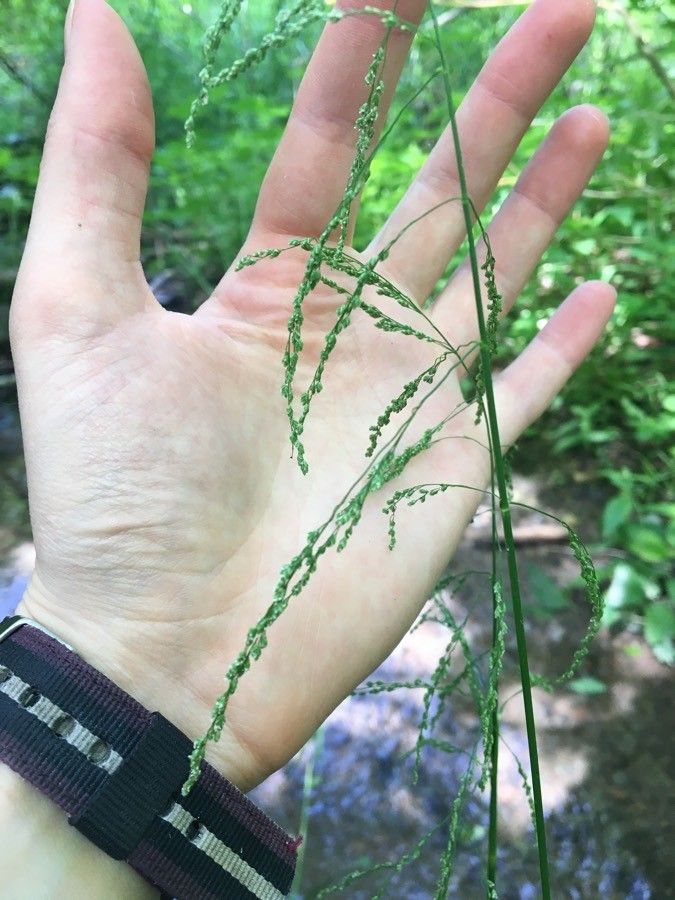
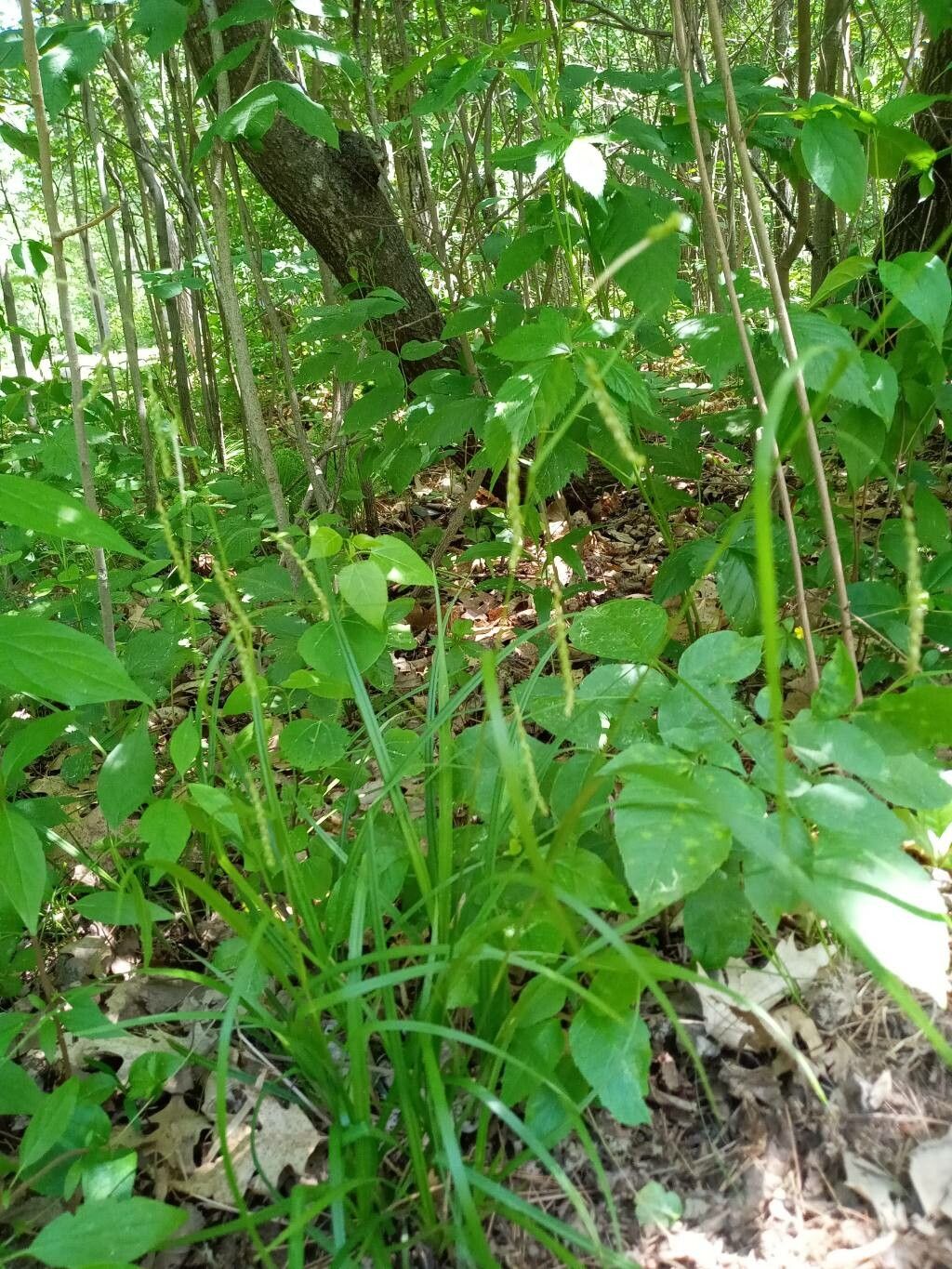
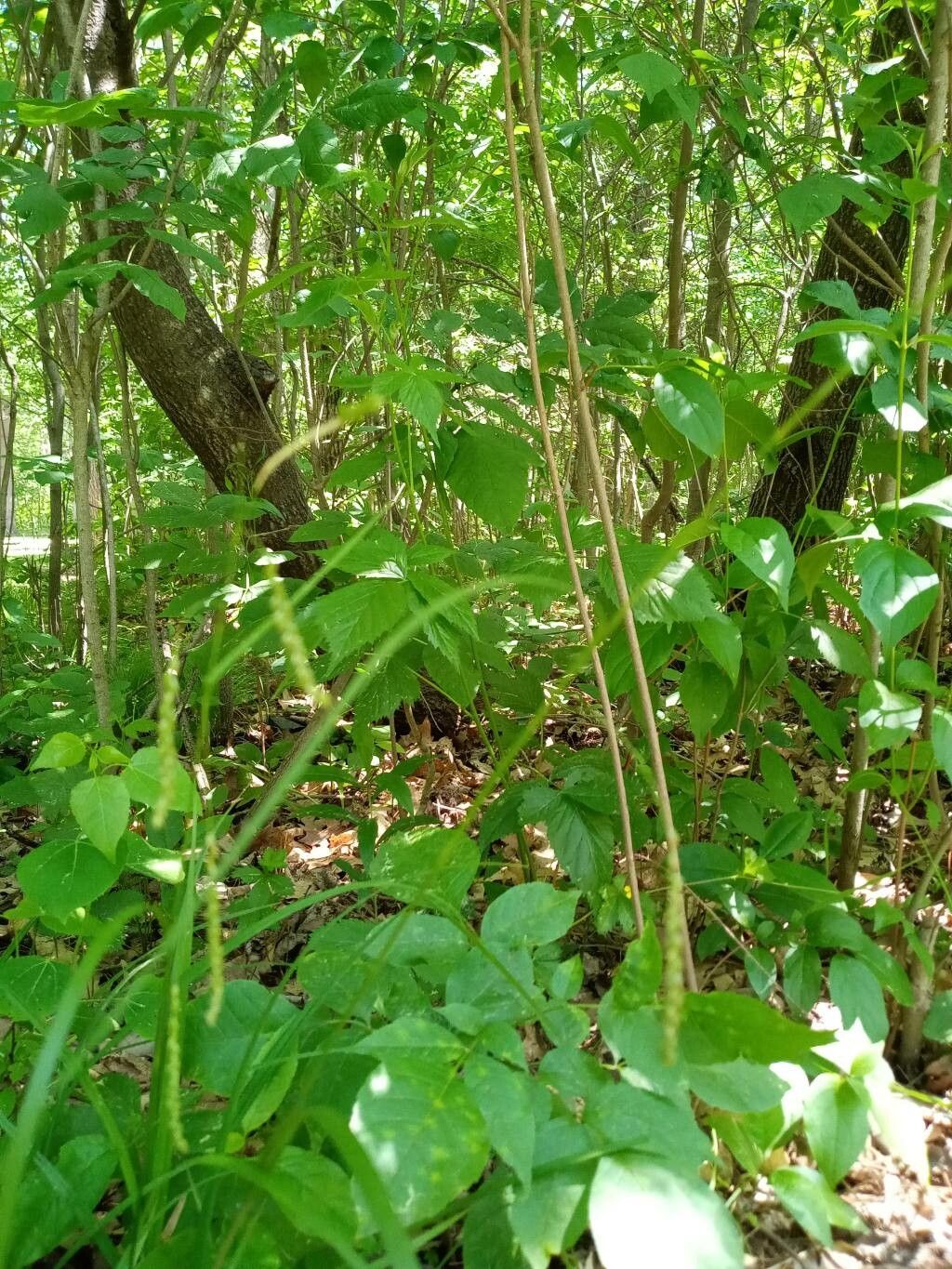
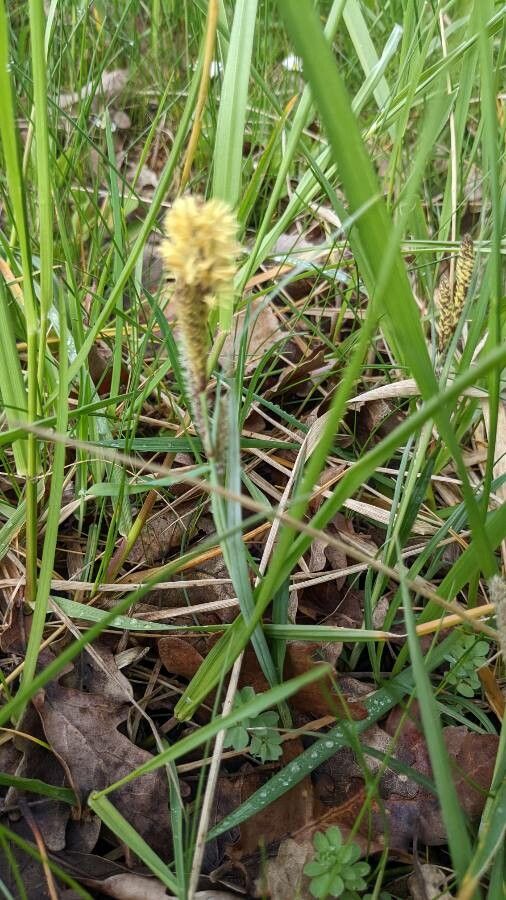
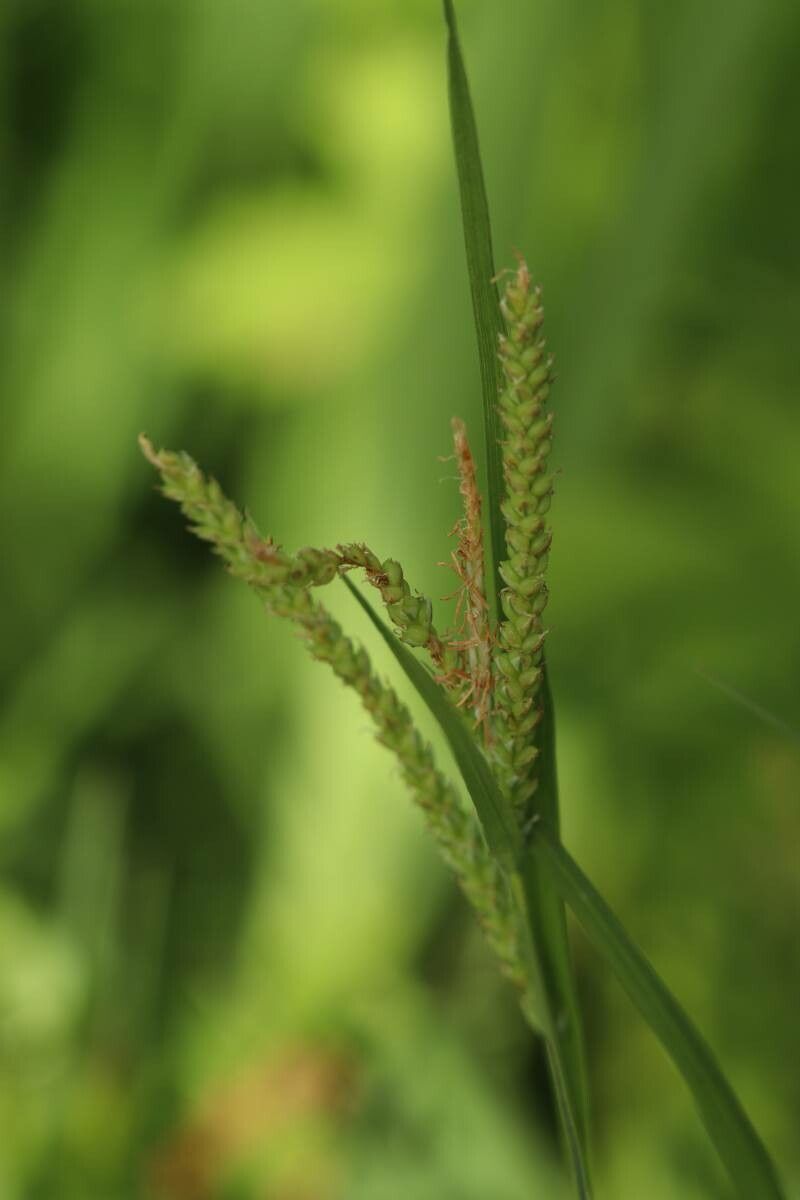
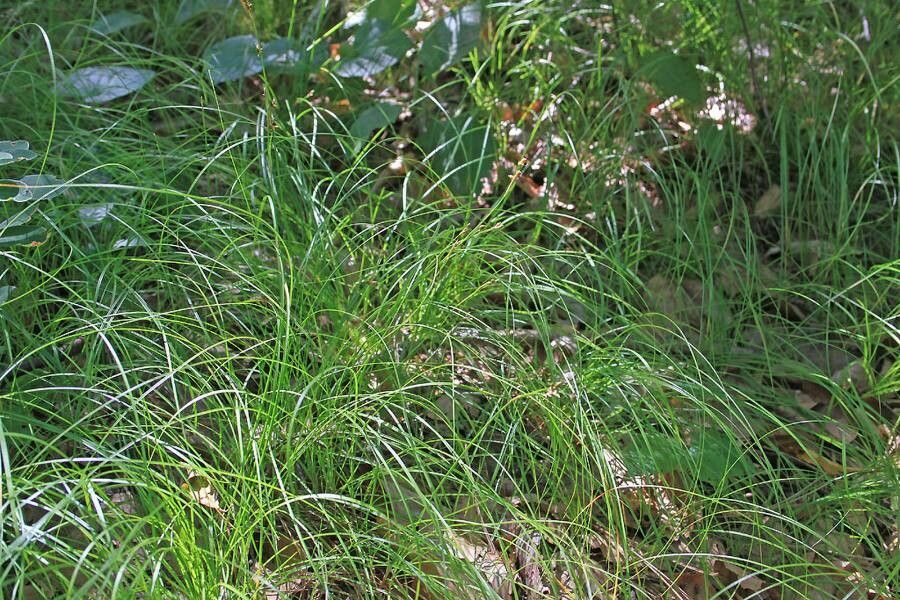
Carex gracillima, called the graceful sedge or purple-sheathed graceful sedge, is a species of flowering plant in the genus Carex, native to central and eastern Canada and the central and eastern United States. It prefers to grow in shady, wet woodlands and similar habitats.
Graceful sedge is quite resistant to disease and typically does not suffer from illnesses. In terms of care, this plant is relatively low-maintenance. When grown outdoors it needs minimal watering, and larger specimens generally do not require pruning. However, smaller plants should be pruned after they have finished blooming. Graceful sedge is suitable for anyone with an outdoor area, such as a garden or a deck, and does not demand extensive care experience.
How to keep Carex Gracillima.
Light
Graceful sedge does best with moderate sunlight. Its light needs stay largely the same through its different growth stages. Although it originates in habitats with partly filtered light—not overly strong or very weak—it can adjust to locations with less light. Too much light can hinder its growth, while too little can result in poor development.
Water
Graceful sedge flourishes in moist environments and is sensitive to drought. It favors consistent moisture and needs weekly watering, especially during its active growing season, to maintain healthy foliage and vigor. It's important to avoid both waterlogging and dry spells.
Temperature
Graceful sedge is naturally suited to temperate climates, growing best when temperatures fall between 50 and 95 °F (10 to 35 ℃). Seasonal temperature adjustments may be necessary to replicate its native habitat.
Fertilizer
Graceful sedge needs extra nutrients to encourage healthy new growth. In spring, placing compost around the plant's base will effectively supply the nutrition it requires. Fertilizing helps support vigorous growth and increases the plant's resistance to diseases and pests.
Pruning
Graceful sedge thrives in shaded woodland areas with moist, well-drained soil. To promote healthy growth, prune it in early spring. This will help remove damaged foliage and old stems, improving air circulation. To maintain a tidy appearance and keep the plant robust and balanced, practice conservative pruning.
Botanical profile.
- Plant Type
- Grass
- Life Cycle
- Perennial
- Genus
- Carex
- Family
- Cyperaceae
- Hardiness Zone
- 6-10
- Mature Height
- 20 cm to 91 cm
- Mature Spread
- 20 cm to 30 cm
- Leaf Color
- Green
- Leaf Type
- Evergreen
- Flower Color
- Yellow, Green, Brown
- Flower Size
- 0.20 cm to 0.25 cm
- Bloom Time
- Mid spring, Late spring
- Planting Time
- Spring, Summer, Autumn
- Harvest Time
- Early summer, Mid summer
Other names.
Reader questions.
What are the sunlight requirements for Graceful sedge?
Graceful sedge thrives under moderate levels of sunshine, requiring about 3-6 hours of sunlight daily. It is native to environments with filtered sunlight and adapts well to different light conditions, though too much sun can stunt growth, and too little may hinder proper development. Observing how sunlight moves through your garden is crucial for finding spots that offer a balance of light and shade, ensuring the plant's well-being.
What is the optimal temperature range for Graceful sedge to thrive?
Graceful sedge, scientifically known as Carex gracillima, is well-adapted to moderate climates and thrives in temperatures ranging from 50 to 95 °F (10 to 35 °C). To ensure its health and growth, seasonal temperature adjustments may be necessary to mimic its natural habitat, especially if the plant is being grown in conditions that deviate significantly from these temperatures.
Can artificial lighting be used for Graceful sedge, and if so, how?
Yes, artificial lighting can be an effective solution for Graceful sedge, especially in conditions of insufficient natural sunlight, like winter or less sunny locations. LED lights are recommended for their ability to be tailored to provide specific light wavelengths necessary for plant growth. For optimal growth, full sun plants should receive 30-50W/sq ft of artificial light, partial sun plants 20-30W/sq ft, and full shade plants 10-20W/sq ft. The light source should be placed 12-36 inches above the plant, with a duration mimicking natural daylight hours, generally 8-12 hours per day.
Does Graceful sedge require any special frost protection measures during winter?
Graceful sedge has a strong resistance to cold and usually does not require special frost protection measures during winter. However, in regions where winter temperatures are expected to drop below -25°C, it is important to provide additional cold protection. This can be achieved by covering the plant with materials such as soil or straw. Furthermore, watering the plant abundantly before the first freeze in autumn is recommended to keep the soil moist, which helps prevent drought and water scarcity during winter and early spring.
What are some common symptoms of insufficient light for Graceful sedge?
When Graceful sedge receives inadequate light, several symptoms may appear, including smaller new leaves, leggy or sparse growth, accelerated leaf drop, delayed or ceased growth, paler new leaves, chlorosis (yellowing of leaves), sunscald, leaf curling, wilting, and leaf scorching. These symptoms indicate a need to adjust the plant's exposure to light to promote healthier growth.
How does low temperature affect Graceful sedge, and what are the suggested solutions?
Graceful sedge is cold-tolerant and performs best when the temperature remains above 10°C. During winter, it should be kept above -15°C. If temperatures fall below -25°C, the plant may not show immediate damage, but there could be a decrease in sprouting or even no sprouting at all during spring. The suggested solution for any parts of the plant that fail to sprout in spring is to remove them to allow for new growth.
How can you optimize light conditions for Graceful sedge indoors and outdoors?
To optimize light conditions for Graceful sedge, gradually acclimate the plant to sunlight by moving it to sunnier spots each week until it receives the adequate amount. For indoor plants that are large or hard to move, consider using artificial lighting, such as a desk lamp or professional plant grow lights, for at least 8 hours daily. Outdoors, avoid drastic changes in light intensity to prevent sunburn. For plants grounded outdoors, you can reduce light obstructions by pruning trees or transplanting the sedge to a sunnier location with good drainage during its dormant period, usually late winter or early spring.
How does high temperature affect Graceful sedge, and what are the recommended solutions?
In the summer, it is best for the Graceful sedge to be kept in temperatures below 35°C. When temperatures exceed 41°C, the plant may experience stress, indicated by lighter-colored leaves that are prone to curling, susceptibility to sunburn, and in severe cases, wilting and drying up. To mitigate these issues, it is recommended to trim away sunburned and dried-up parts, move the plant to a shaded location during the midday and afternoon sun, or use a shade cloth. Additionally, watering the plant in the morning and evening helps keep the soil moist and supports the plant's health during high temperatures.