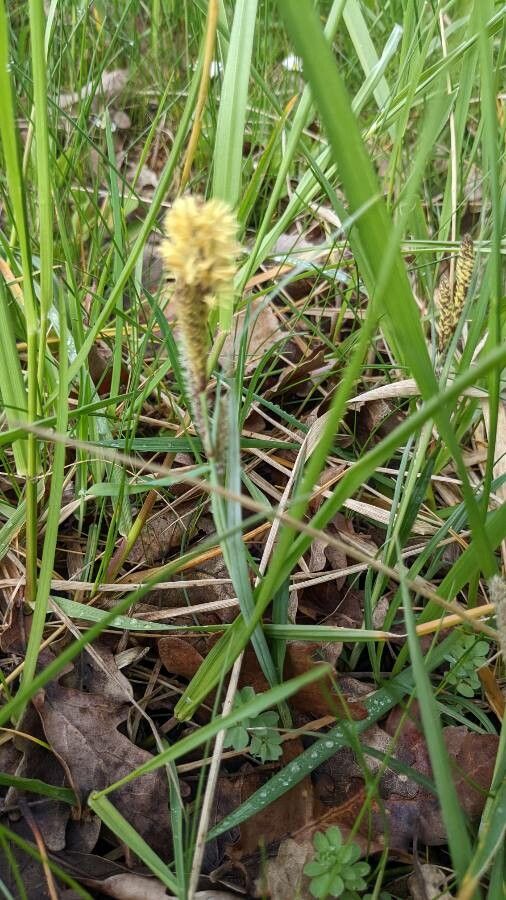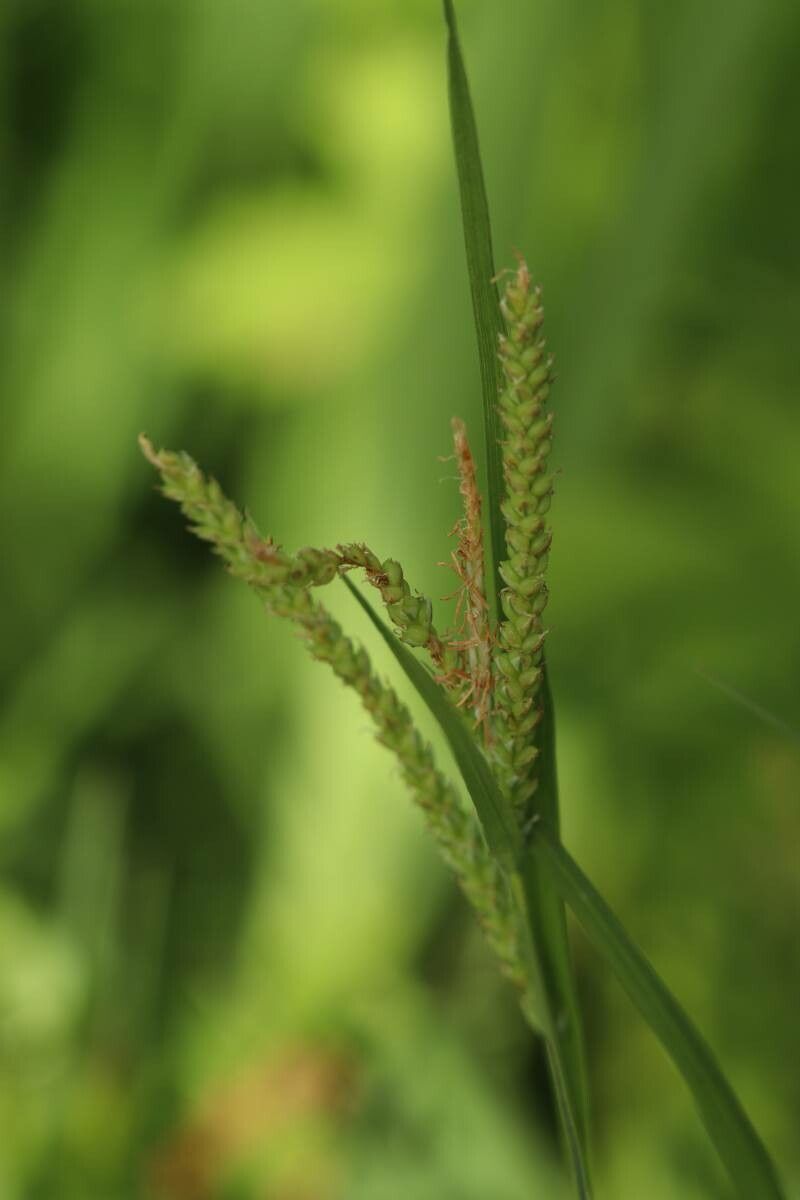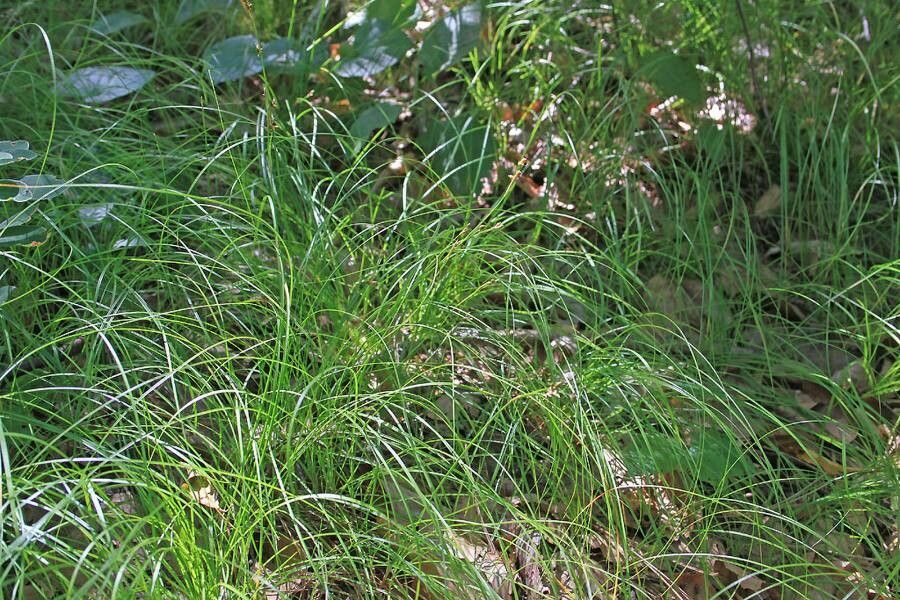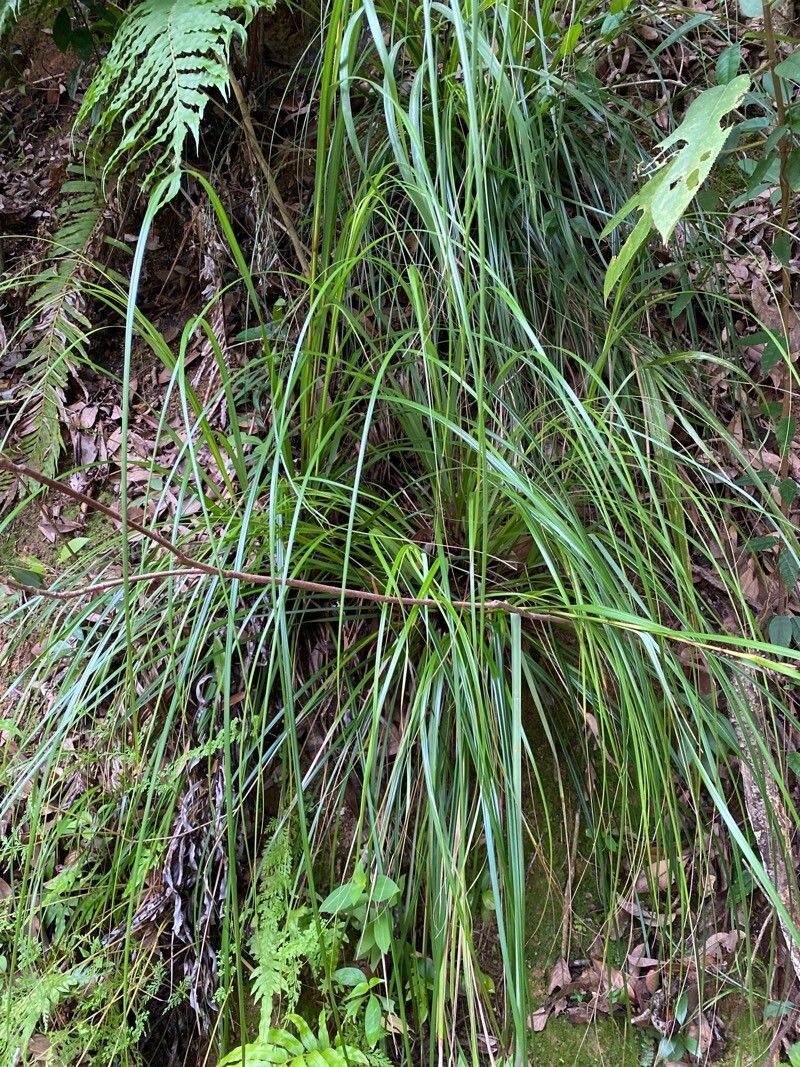
The genus Carex, the sedges, is one of the largest genera of flowering plants, containing around 1800 species, according to a 2004 estimate. All the species (including hybrid species) accepted by The Plant List as of May 2013 are given below: In May 2015, the Global Carex Group argued for a broader circumscription of Carex, proposing the addition of all species currently classified in Cymophyllus (1 species), Kobresia (c. 60 species), Schoenoxiphium (c. 15 species) and Uncinia (c. 70 species) to those already classified as Carex. (Not all of these have been added below.)
How to keep Carex Globosa.
Pruning
Roundfruit sedge is characterized by its spherical fruit and grassy leaves. To promote new growth and enhance air circulation, it is best to prune in early spring while also removing any dead leaves. Be careful to avoid heavy pruning, as it can cause stress to the plant. Consistent, light maintenance will help keep roundfruit sedge healthy and strong.
Botanical profile.
- Plant Type
- Grass
- Genus
- Carex
- Family
- Cyperaceae
Other names.
Reader questions.
What are the sunlight requirements for Roundfruit sedge (Carex globosa)?
Roundfruit sedge, also known as Carex globosa, thrives in different sunlight conditions. To meet its full sun requirement, it needs above 6 hours of sunlight daily, while for partial sun, about 3-6 hours of sunlight is sufficient. It's essential to observe the movement of sunlight through your garden carefully, selecting spots that offer an ideal balance of light and shade. This careful placement ensures the plants remain happy and healthy.
What is the name of the plant?
The plant is known as Roundfruit sedge.
What is the botanical name of Roundfruit sedge?
The botanical name of Roundfruit sedge is Carex globosa.