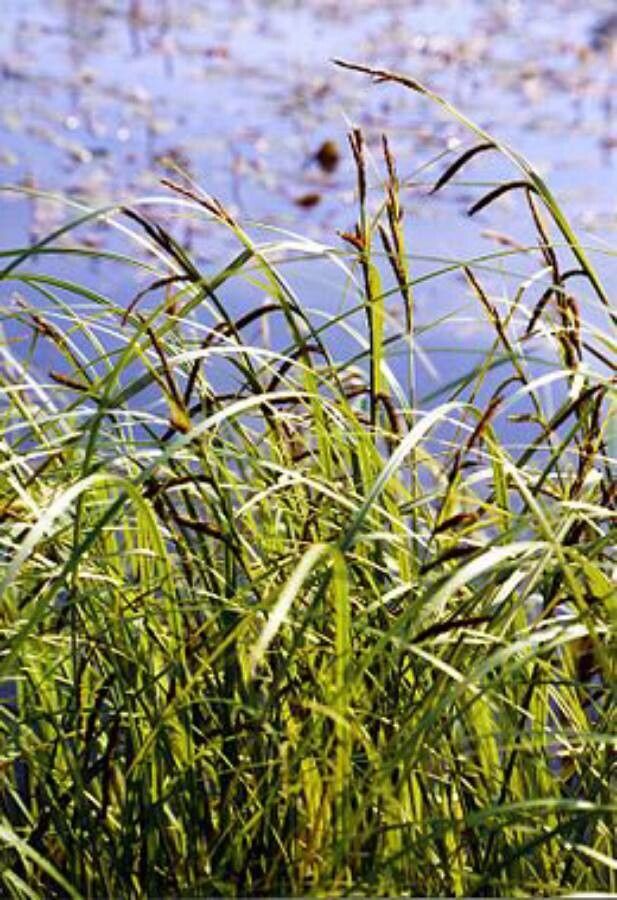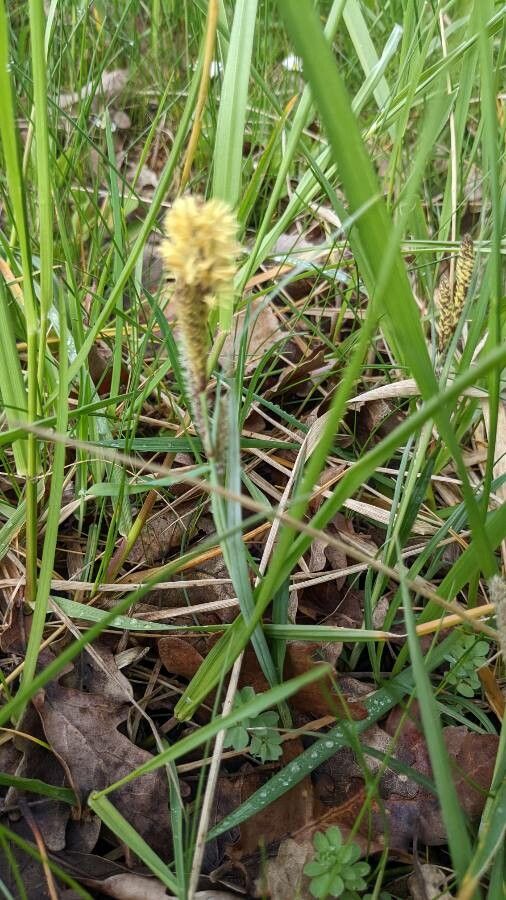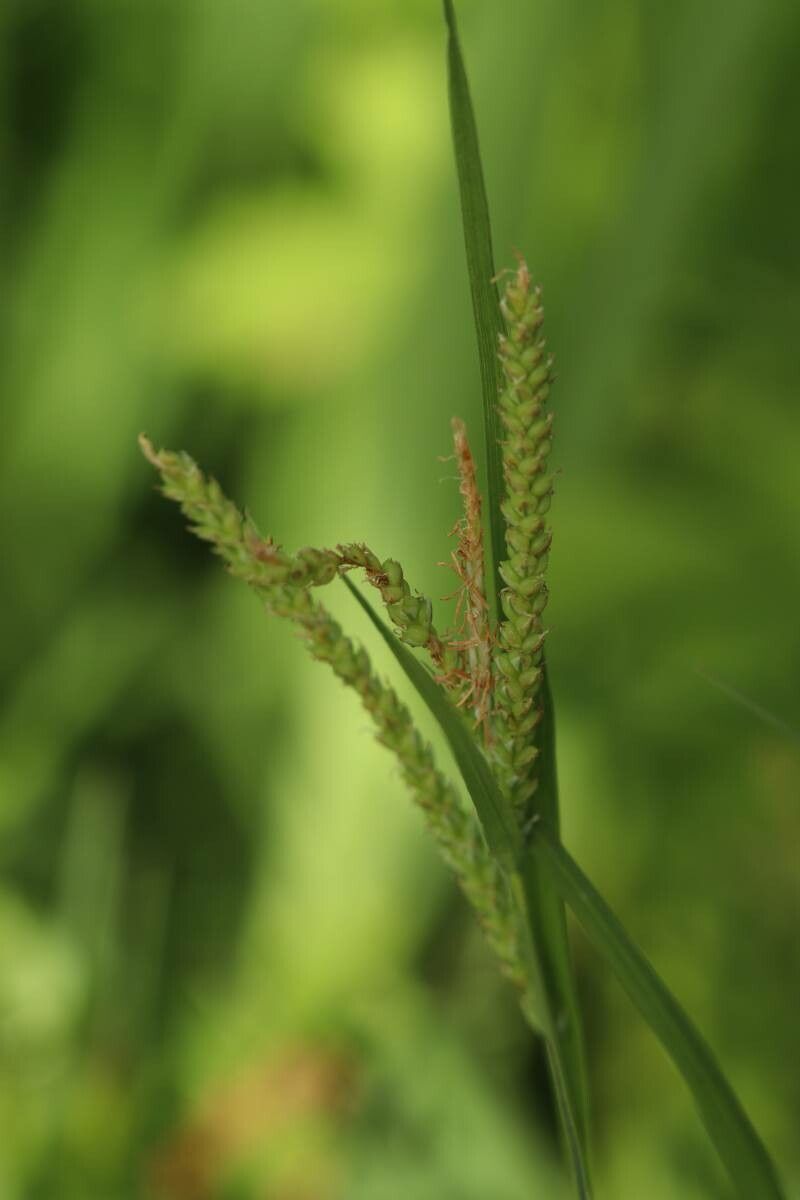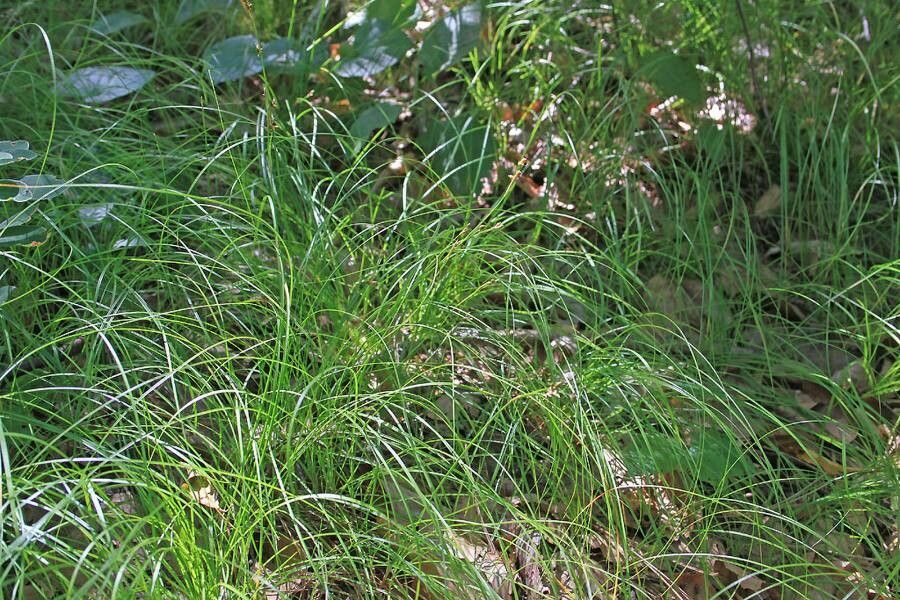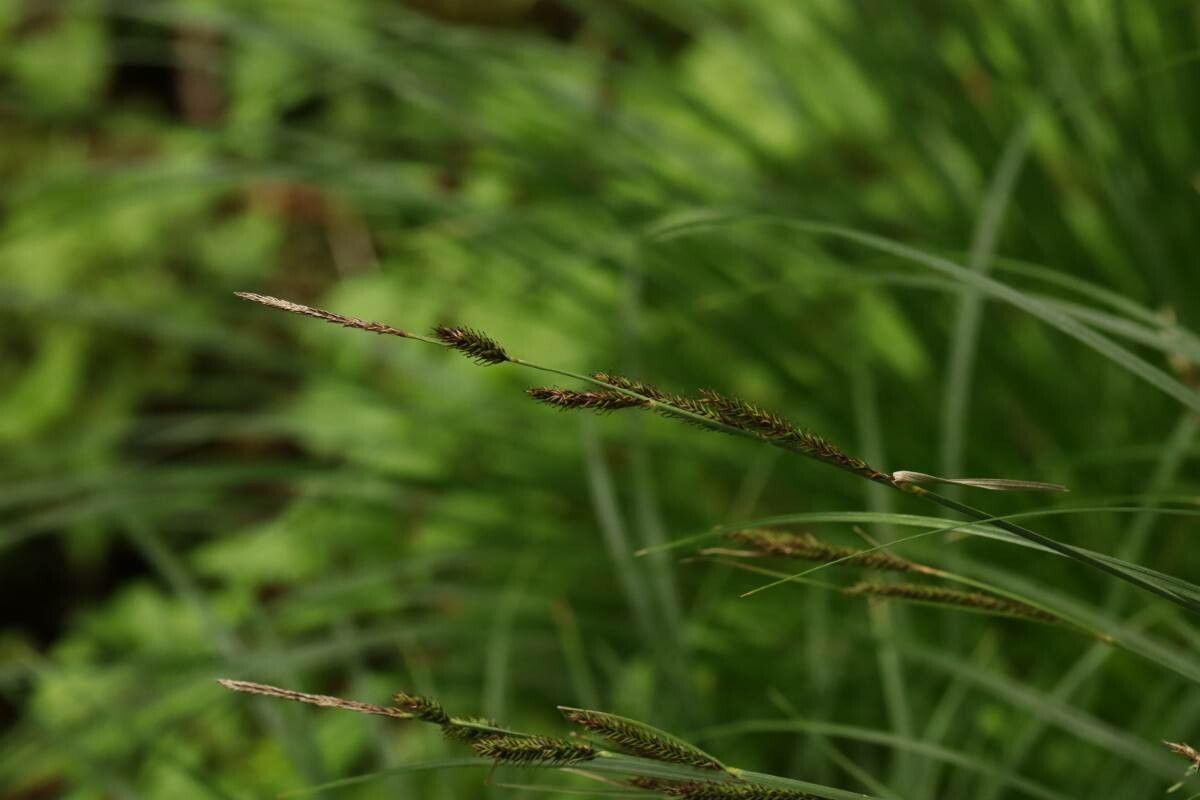
Carex forficula, also known as scissors-like sedge and xi shui tai cao in pinyin in China, is a tussock-forming species of perennial sedge in the family Cyperaceae. It is native to Japan, Korea, and eastern parts of China and Russia.
Scabrous scissors-like sedge has strong resistance to disease and is generally not susceptible to illnesses. However, it can still be affected by pests and diseases present in its surroundings. These infections are usually not severe. Regarding care, this plant needs moderate maintenance. It should be pruned regularly to maintain a neat appearance and healthy growth. Applying fertilizer can also help promote flowering. Scabrous scissors-like sedge suits anyone with an outdoor area, such as a garden or patio, and does not require extensive care experience. It may need more attention when grown indoors.
How to keep Carex Forficula.
Light
The scabrous scissors-like sedge naturally grows in environments like forest understories or rocky regions, where it typically is sheltered from direct sunlight. It thrives best in partial sun, but shows its adaptability and resilience by also being able to survive in full sun or complete shade.
Temperature
The Scabrous scissors-like sedge can adjust to a broad spectrum of temperature conditions, yet its dispersion might be restricted by mixed variants of water and thermal conditions. It flourishes optimally in summer's warm weather with sufficient rain or hydration. Extensive spans of overcast and precipitous weather, and prolonged elevated temperatures can heighten the risk of the Scabrous scissors-like sedge perishing. During winter, suitable protection against frigid temperatures can enhance the plant's endurance.
Fertilizer
The serrated sedge requires extra nourishment to stimulate robust fresh growth. By adding some compost near the base of the plant in spring, it can receive the required nutrients. The act of fertilization encourages strong growth and bolsters the plant's ability to ward off diseases and pests.
Pruning
Carex forficula has slender, grass-like leaves and benefits from early spring pruning to remove dead foliage and encourage new growth. To rejuvenate the plant, cut old stems down to ground level. Avoid heavy pruning during the growing season to reduce stress on the plant. This practice improves air circulation, lowers the risk of disease, and promotes denser growth.
Botanical profile.
- Plant Type
- Herb, Grass
- Life Cycle
- Perennial
- Genus
- Carex
- Family
- Cyperaceae
- Hardiness Zone
- 5-9
- Mature Height
- 30 cm to 61 cm
- Mature Spread
- 20 cm to 40 cm
- Leaf Color
- Green, Dark Green
- Leaf Type
- Evergreen
- Flower Color
- Purple, Green, Brown
- Flower Size
- 3.05 cm to 4.06 cm
- Bloom Time
- Mid spring, Late spring
- Planting Time
- Spring, Summer, Autumn
- Harvest Time
- Early summer, Mid summer
- Native Area
- Russia, Japan, Koppen, South Korea, China