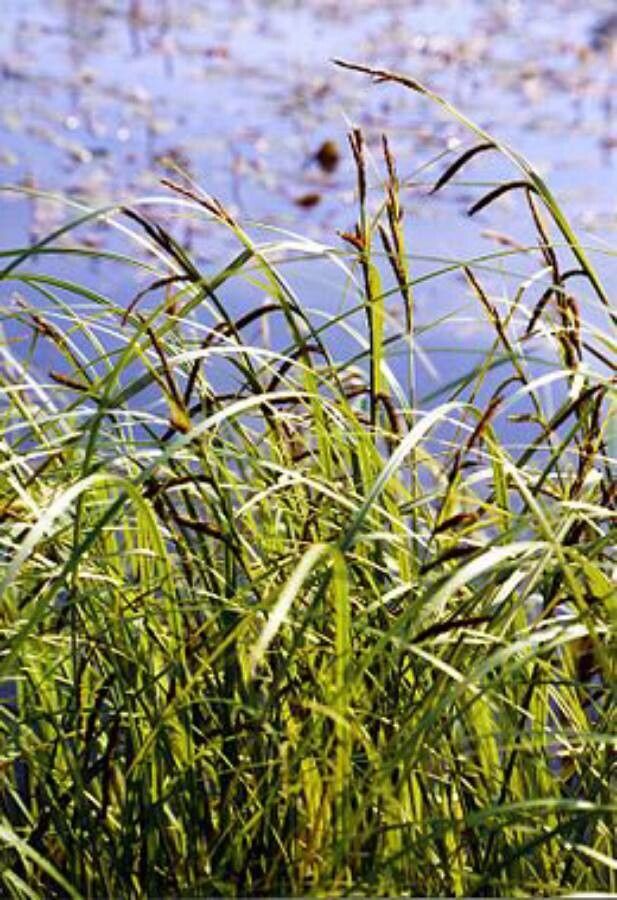
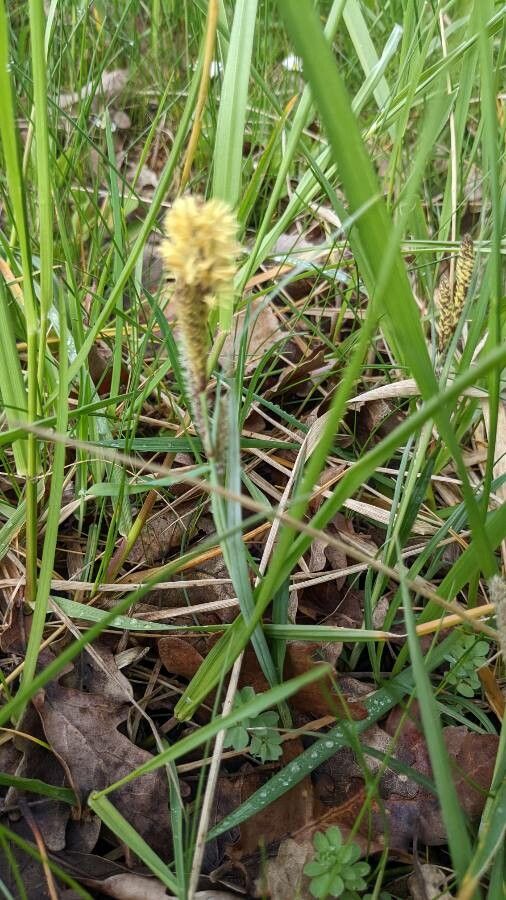
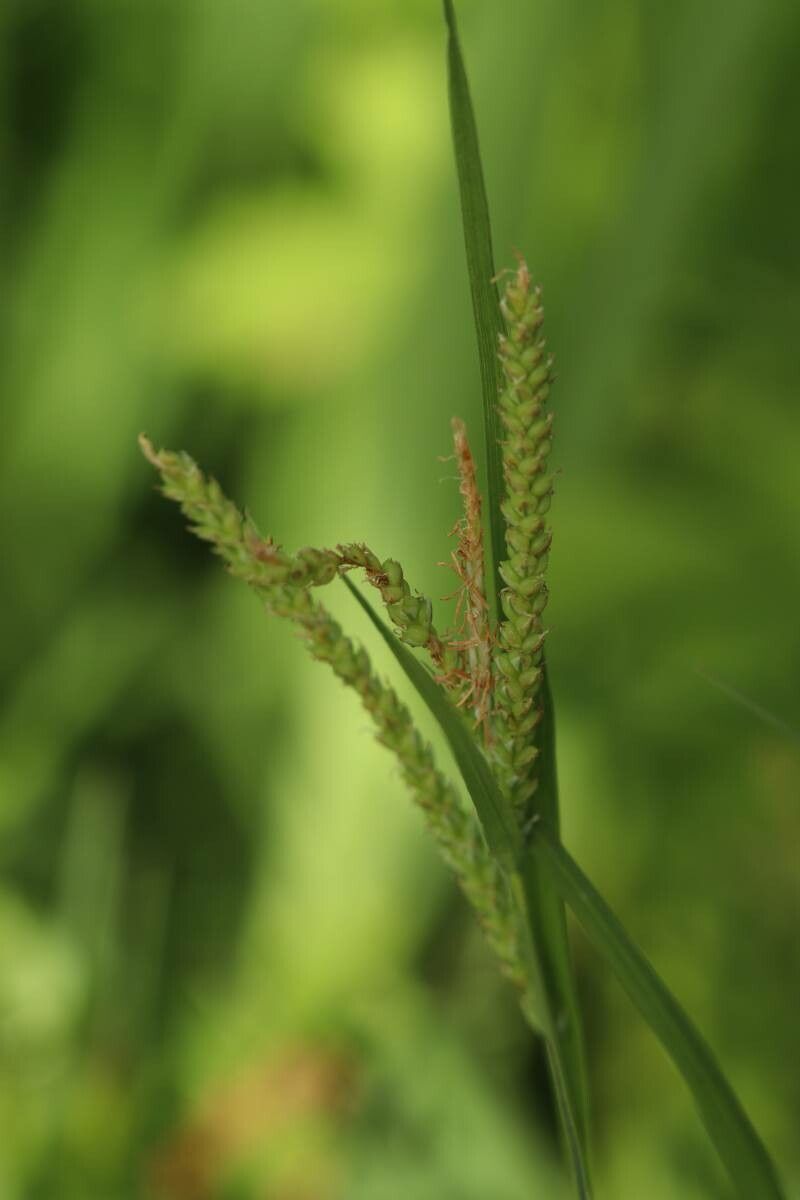
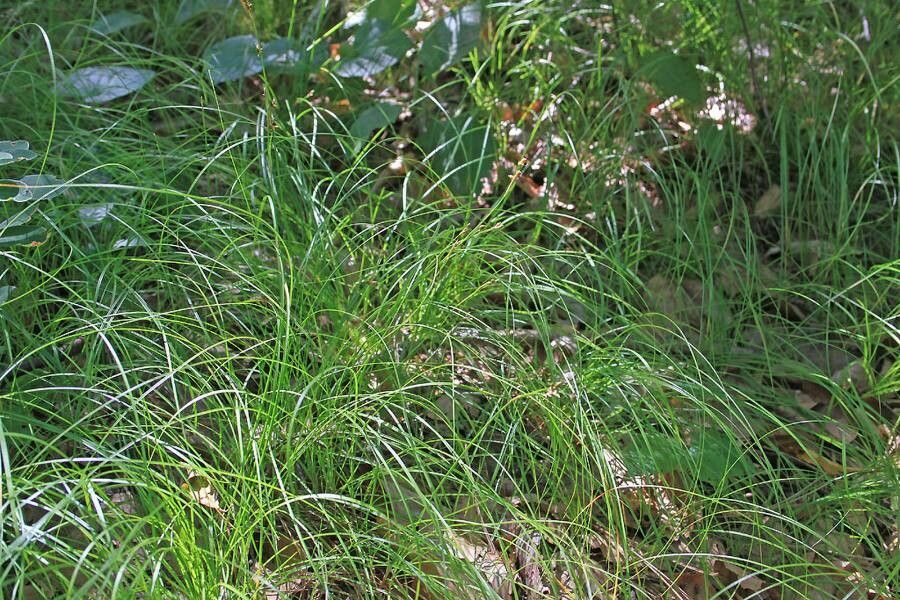
Carex filifolia is a species of sedge known by the common name threadleaf sedge. It is native to western North America and grows on slopes, eroded areas, gravel, and dry habitats.
Threadleaf sedge has strong disease resistance and is generally not susceptible to diseases. In terms of care, the plant is fairly low-maintenance. When grown outdoors it needs little watering, and larger specimens usually do not require pruning. Smaller plants, however, should be trimmed after they have finished blooming. Threadleaf sedge is appropriate for anyone with an outdoor area, such as a garden or deck, and does not demand much care experience.
How to keep Carex Filifolia.
Light
Threadleaf sedge prefers a substantial amount of sunlight and performs well even with less intense sunlight. In its native range it is found in places with considerable sun exposure. Too much shade can hinder its growth, but it can tolerate a moderate degree of shade.
Temperature
Threadleaf sedge does best in temperatures from 68 to 100 °F (20 to 38 ℃). In its native habitat it can endure higher heat. While acclimatising to a new location, keep the plant in a warmer spot, especially during winter.
Fertilizer
Threadleaf sedge benefits from extra nutrients to encourage healthy new growth. In spring, putting some compost around the plant’s base can effectively supply the nutrition it needs. Fertilizing helps support vigorous growth and improves the plant’s resistance to diseases and pests.
Pruning
Threadleaf sedge requires minimal pruning, and the best time to do so is in early spring to encourage growth. Removing dead foliage helps maintain plant health and control its spread. Using sharp tools for clean cuts can prevent disease. Pruning at the right time promotes vigorous and attractive growth, enhancing the overall aesthetics of the landscape.
Botanical profile.
- Plant Type
- Grass
- Life Cycle
- Perennial
- Genus
- Carex
- Family
- Cyperaceae
- Hardiness Zone
- 11
- Mature Height
- 10 cm to 37 cm
- Mature Spread
- 15 cm to 25 cm
- Leaf Color
- Green
- Leaf Type
- Semi-evergreen
- Flower Color
- Yellow, Green, Brown
- Flower Size
- 0.20 cm to 0.25 cm
- Bloom Time
- Early spring, Mid spring
- Planting Time
- Spring, Summer
- Harvest Time
- Late spring, Early summer
Other names.
Reader questions.
What are the sunlight requirements for Threadleaf sedge?
Threadleaf sedge requires a good amount of sun to thrive, doing well even with less intense solar rays. In its natural habitat, it prefers significant sun exposure. While excessive shade can hinder its growth, it can tolerate a moderate amount of shadow. The plant needs full sun, defined as above 6 hours of sunlight, or partial sun, which is about 3-6 hours of sunlight. It's important to observe the movement of sunlight through your garden to find spots that offer the perfect balance of light and shade to ensure the plants' well-being.
What is the ideal temperature range for Threadleaf sedge?
Threadleaf sedge, or Carex filifolia, thrives in environments where temperatures range from 68 to 100 °F (20 to 38 °C). It has a preference for warmer climates and is capable of withstanding hotter temperatures especially in its native environments. To ensure the plant's health during colder months, it's important to keep it in a warmer area, particularly throughout the winter. The plant is extremely heat-loving and exposure to cold temperatures can be harmful.
How does artificial lighting support indoor Threadleaf sedge growth?
Indoor Threadleaf sedge requires adequate lighting for optimal growth. When natural sunlight is insufficient, especially in winter or less sunny spaces, artificial lights are crucial. They promote faster, healthier growth. LED lights are ideal as they can be adjusted to provide specific light wavelengths needed by plants. Full sun plants need 30-50W/sq ft of artificial light, partial sun plants need 20-30W/sq ft, and full shade plants require 10-20W/sq ft. Artificial light sources should be placed 12-36 inches above the plant, mimicking natural sunlight. Most plants benefit from 8-12 hours of light per day.
How should Threadleaf sedge be cared for in autumn and winter?
As autumn approaches and temperatures start to drop, it's recommended to bring outdoor-grown Threadleaf sedge indoors and place it near a bright window, ensuring it's not too close to heaters. This practice helps in maintaining an optimum growth temperature above 20°C during winter. Avoiding temperatures that approach or drop below 10°C is crucial for the plant's well-being, as such conditions are detrimental.
What are common symptoms of light deficiency in Threadleaf sedge?
Light deficiency in Threadleaf sedge can lead to several symptoms. New leaves may grow smaller, and the plant can exhibit leggy or sparse growth, with increased spacing between leaves or stems. There might be accelerated leaf drop as the plant conserves energy, leading to slower or halted growth. Leaves could develop irregular color patterns, appear paler, indicating a lack of chlorophyll, or even experience chlorosis, where leaves lose their green color. Sunscald, leaf curling, wilting, and leaf scorching are additional symptoms caused by overexposure to sunlight or inadequate light conditions.
What are the symptoms of low temperature stress on Threadleaf sedge, and how can it be managed?
Threadleaf sedge prefers warm temperatures and shows signs of stress when exposed to low temperatures. It thrives best when temperatures remain above 20°C. During the winter, keeping the plant above 10°C is essential. Exposure to temperatures below 5°C can lead to lighter leaf colors, and after frost damage, leaves may turn brown or black, accompanied by wilting and drooping. To manage frost damage, trim the damaged parts and move the plant to a warm indoor environment immediately. Position it near a south-facing window for sufficient sunlight, and avoid placing it near heaters or air conditioning vents to prevent air dryness.
How can I improve growth conditions for indoor and outdoor Threadleaf sedge?
To enhance growth conditions for Threadleaf sedge, consider the following solutions: For indoor care, gradually move your plant to a sunnier spot until it receives at least 6 hours of direct sunlight daily. Use south-facing windows and keep curtains open. If the plant is large, supplement natural light with artificial light, using a desk or ceiling lamp for at least 8 hours daily or investing in professional grow lights. Outdoors, adapt your plants to sunlight gradually to prevent sunburn. Check parts of the plant that were previously light-deprived, as they may not recover fully, but new growth should be healthy after adjusting light conditions. Mitigate outdoor light obstructions by pruning or transplanting smaller plants to sunnier locations, ensuring good drainage.
How does Threadleaf sedge react to high temperatures, and what are the solutions?
In the summer, keeping the Threadleaf sedge below 38°C is advisable to prevent stress from high temperatures. Exceeding 43°C can lighten the color of the leaves and increase the plant's susceptibility to sunburn. To alleviate symptoms of high temperature stress, trim away sunburned and dried-up parts of the plant. Move it to a location that offers protection from the midday and afternoon sun. Ensure that the plant is watered in the morning and evening to maintain soil moisture and help it cope with the heat.