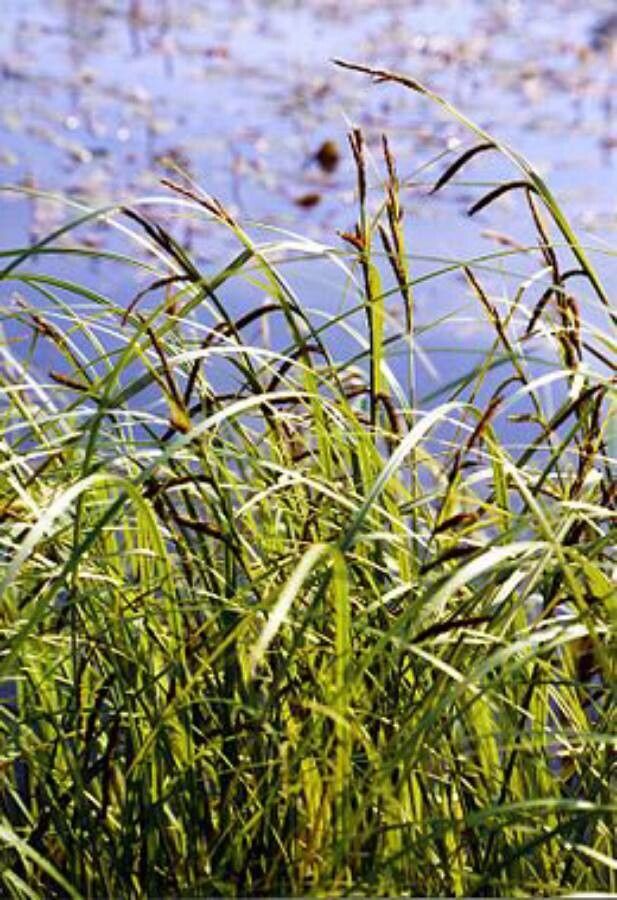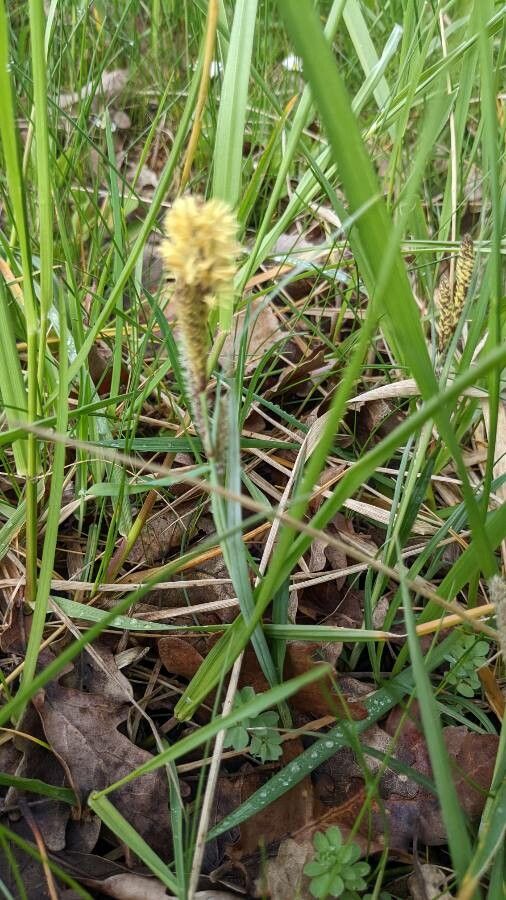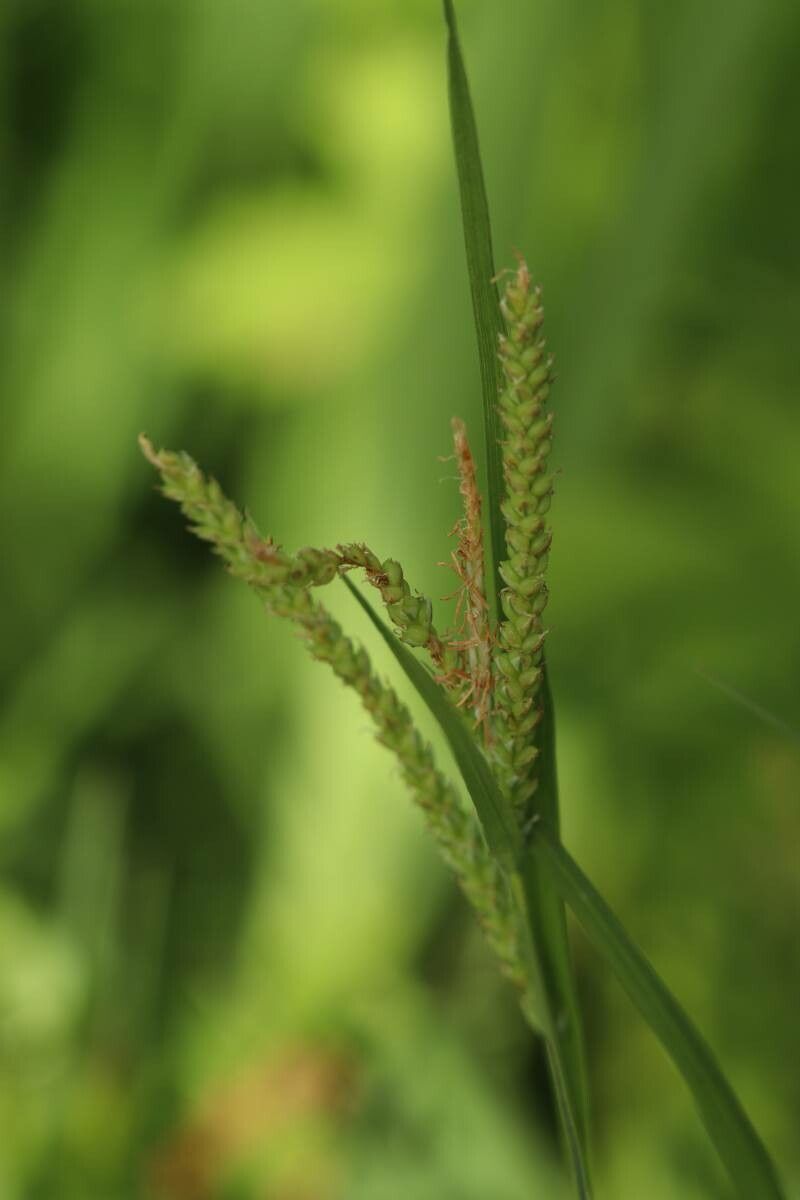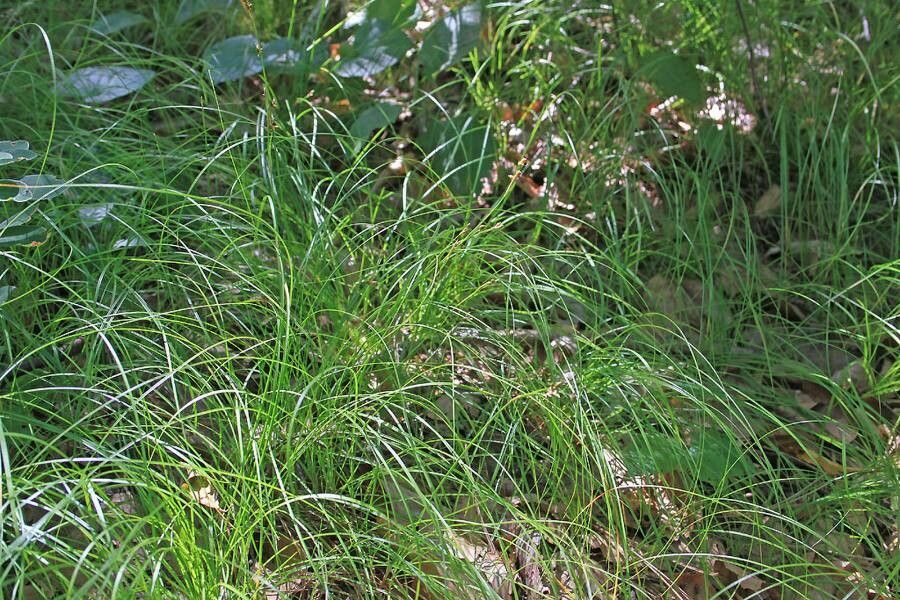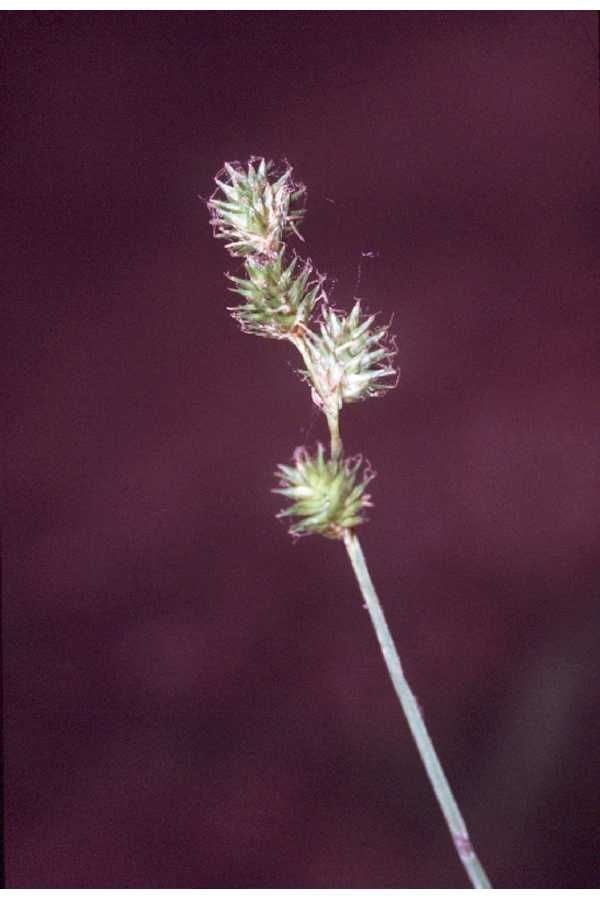
Carex festucacea, or fescue sedge, is a species of sedge that lives in eastern North America. It has been described as "a soft, gray green, wisp, to 2', with narrow leaves and somewhat taller stems, topped by an interrupted spike, with lower spikelets, shaped a bit like an overflowing ice cream cone. The spike axis is often arched at the summit, but the alternating spikelets around the axis create a zig zag appearance. The seed sacs have a humped shoulder."
Fescue sedge is resistant to disease and generally not susceptible to infections. This plant is fairly low-maintenance. Planted outside, it needs only light watering, and larger specimens usually do not require pruning. Smaller specimens, however, should be trimmed after they finish blooming. Fescue sedge is appropriate for anyone with an outdoor area, like a garden or deck, and does not demand much gardening experience.
How to keep Carex Festucacea.
Light
Fescue sedge is a perennial herbaceous plant that loves the sun and originates from open spaces, often flourishing in meadows and grasslands. While it has a preference for full sunlight, it can also withstand conditions of partial sun.
Temperature
The Fescue sedge possesses the capacity to adjust to a broad array of temperature situations, though its spread might be hindered by varying combinations of water and heat environments. Its optimum growth occurs in hot weather during the summer if adequate watering or precipitation is provided. Extended bouts of overcast and damp conditions, along with prolonged elevated temperatures, raise the risk of the Fescue sedge perishing. During the winter, sufficient protection from the cold can enhance the plant's chances of survival.
Fertilizer
Additional nourishment is required for Fescue sedge to stimulate robust new growth. Applying compost around the base of the plant during springtime can efficiently supply the vital nutrients it requires. Fertilization contributes to promoting robust growth and bolsters the plant's resistance against diseases and pests.
Pot & Repot
While repotting Fescue sedge, opt for a pot that's 1-2 inches (2.5–5 cm) larger and provides sufficient drainage. Utilize a potting mix that drains well. Carry out the repotting in spring or fall, making sure the root ball sits a bit below the edge of the flower pot. Afterward, water it thoroughly and put it in a warm location with diffuse sunlight.
Botanical profile.
- Plant Type
- Grass
- Life Cycle
- Perennial
- Genus
- Carex
- Family
- Cyperaceae
- Hardiness Zone
- 4-9
- Mature Height
- 91 cm
- Mature Spread
- 61 cm
- Leaf Color
- Green, Dark Green
- Leaf Type
- Evergreen
- Flower Size
- 0.25 cm to 0.51 cm
- Bloom Time
- Mid spring, Late spring
- Planting Time
- Spring, Autumn
- Harvest Time
- Early summer, Mid summer